 >
> >
> >
> >
> >
> >
> >
> >
> >
>
We are happy to assist you with issues surrounding nature inclusivity.


 EN
▾
EN
▾
EN
▾
EN
▾
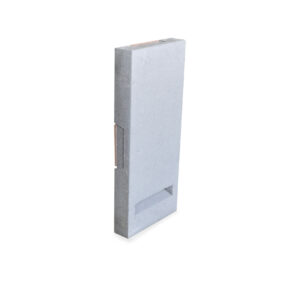
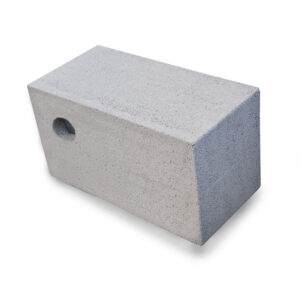
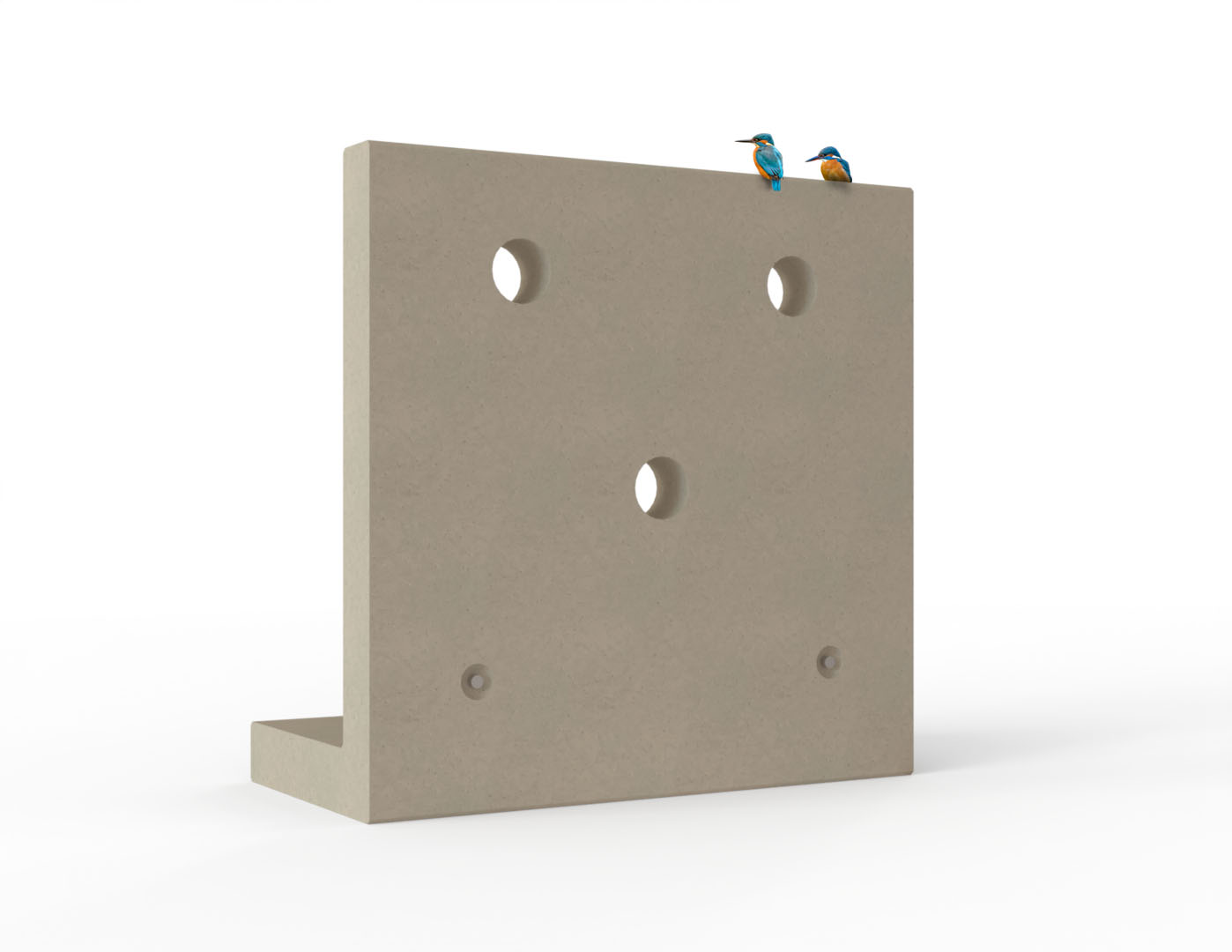
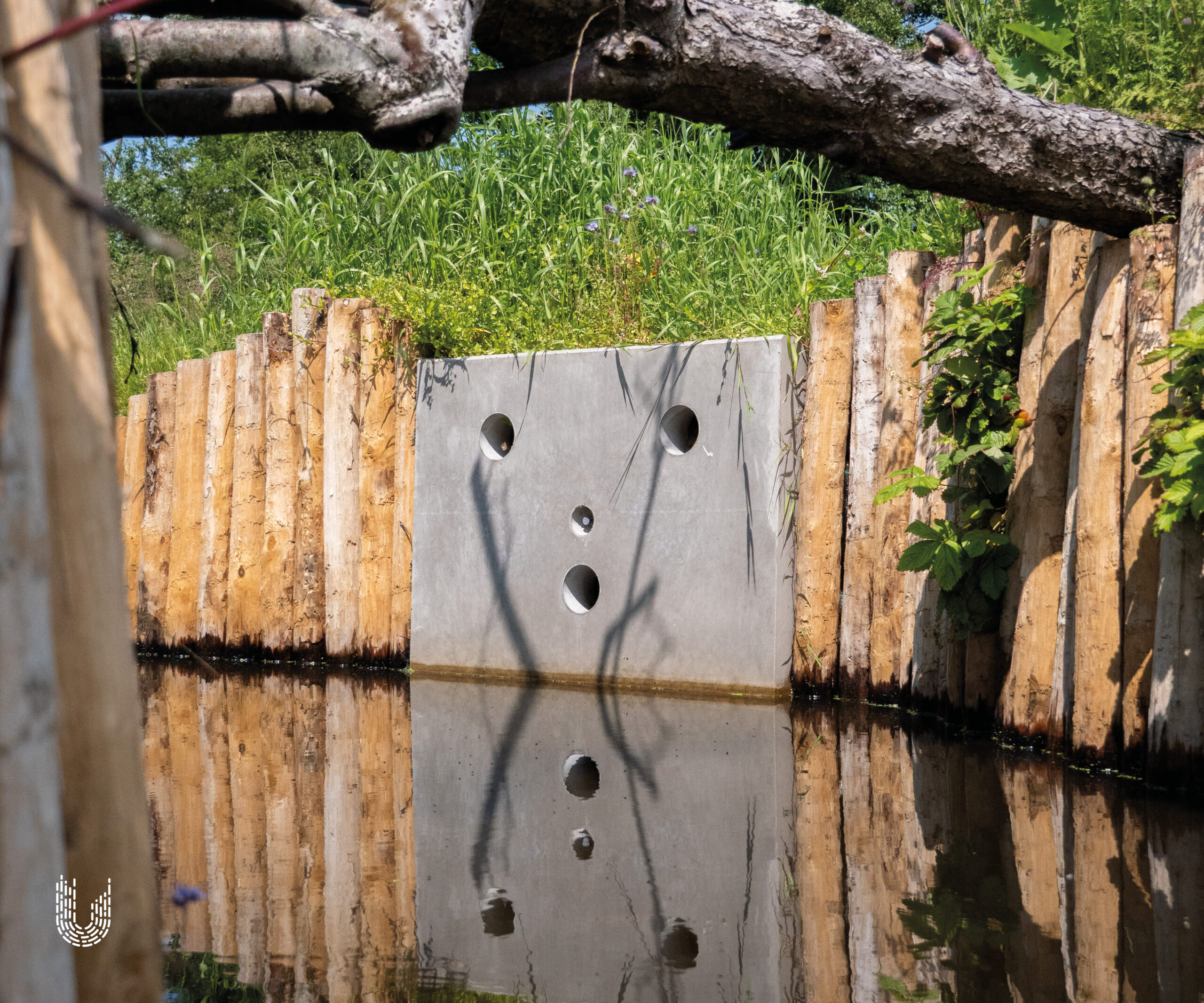
Our L-shaped kingfisher nesting bank is an ideal solution for providing kingfishers with a safe and functional breeding site. The bank is made from concrete and features three carefully positioned nest entrances, designed to meet the needs of kingfishers.
Kingfishers depend on suitable nesting sites, such as steep, unvegetated banks or firm root plates. With this nesting bank, an artificial bank is created that closely matches their natural preferences.


Suitable for
This nesting bank has been specifically developed for the kingfisher (Alcedo atthis), a colourful bird that depends on fish-rich water and suitable nesting sites. The nest entrances are designed with the correct diameter and depth, allowing kingfishers to complete their nest tunnel easily.
Position
Positioning a kingfisher nesting bank requires careful site selection. It is important that the location is quiet and sheltered, preferably with natural barriers such as a dead hedge or tree to minimise disturbance.
The nesting bank should be located close to clear, fish-rich water, as kingfishers depend on small fish and aquatic insects. Surrounding shrubs and trees provide essential shade and shelter for newly fledged young, while overhanging branches serve as lookout perches.
Avoid locations with obstructive aquatic vegetation in front of the bank and, where necessary, ensure a minimum water depth of 75 cm. To further encourage use by kingfishers, small starter holes can be pre-drilled. Installation should ideally take place outside the breeding season.
Preparing the nesting bank
Kingfishers use their sharp beak and feet to excavate tunnels in the bank. These tunnels are usually 50 to 100 cm long and end in a nest chamber, where the young are raised. Excavation can take several days and requires a stable, crumbly bank material that the birds can work into easily.
The entrance to the nest tunnel should preferably face a quiet environment with minimal disturbance.
Kingfishers often choose a position approximately 30 cm above the water level, so that the nest is protected from flooding.
To help the kingfishers and increase the likelihood of use, holes can be pre-drilled. Use a drill with a diameter of approximately 6 cm. Create a tunnel at least 30 cm deep and drill it slightly upwards, at approximately 10 degrees, to prevent water from running inwards.
Leave the final nest chamber open, allowing the kingfishers to create the desired depth and shape themselves. This encourages natural behaviour.
Make sure the material behind the nesting bank is firm enough to excavate into, but not too hard. Loam, sand or a mixture of clay and sand is ideal.

We are happy to assist you with issues surrounding nature inclusivity.