 EN
▾
EN
▾
EN
▾
EN
▾
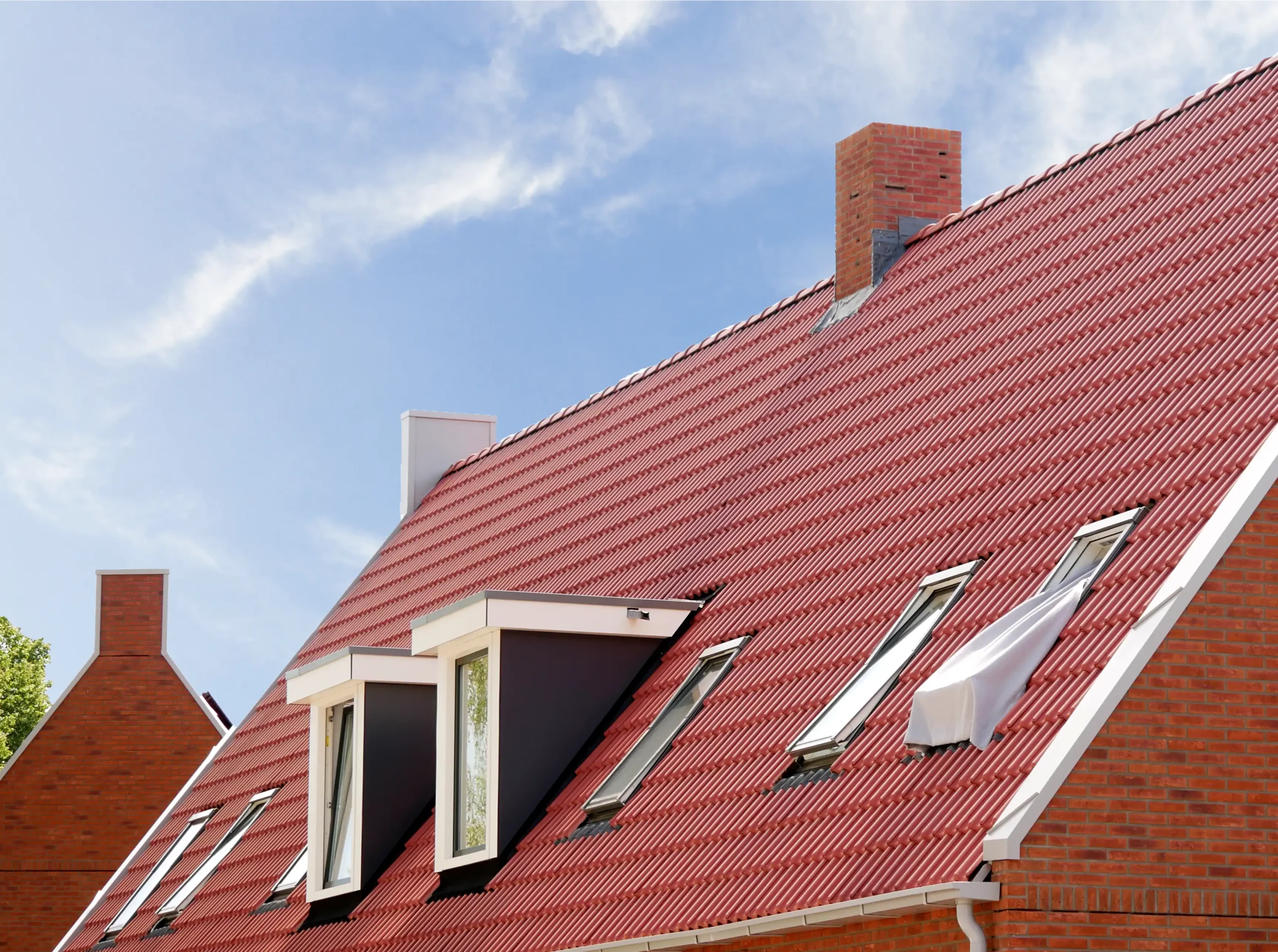
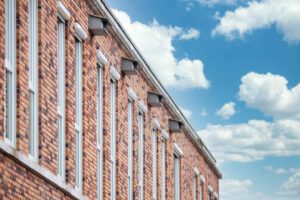
In the spring of 2024, the new homes on Azaleastraat in Heerenveen were equipped with compensatory wildlife features for building-dwelling species such as swifts (Apus apus), house sparrows (Passer domesticus) and bats. The development comprises 24 energy-efficient homes designed for one- and two-person households. Commissioned by Fijn Wonen, a concept developed by Van Wijnen, the homes were specifically designed for rapid and efficient on-site assembly using prefabricated building components. As part of the project, nature-inclusive measures were integrated into the development to ensure that suitable nesting and roosting opportunities remained available within the new residential environment.
The homes are ideally suited to small households and have been equipped with a range of modern energy-efficient technologies, including solar panels and underfloor heating on both the ground and first floors. The architectural design complements the existing character of the surrounding neighbourhood, ensuring that the new development integrates seamlessly into its setting. The homes were officially completed and handed over in July 2024, delivering comfortable, sustainable and future-proof housing for local residents.
A distinctive feature of this project is the integration of wildlife features within the chimney structures of the homes. This innovative approach recognises both the architectural value of traditional chimneys and the need to provide habitat opportunities for local wildlife. In many refurbishment projects, chimneys are often removed because they no longer serve a functional purpose. However, due to their contribution to the character of a building and the requirements of planning and design review bodies, they are frequently retained.
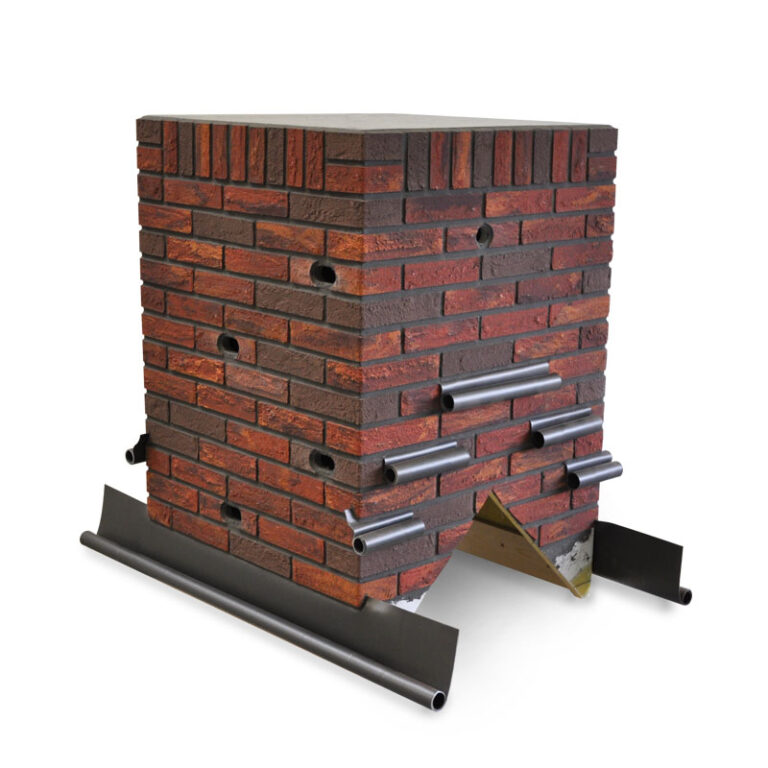
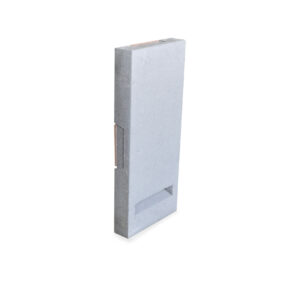
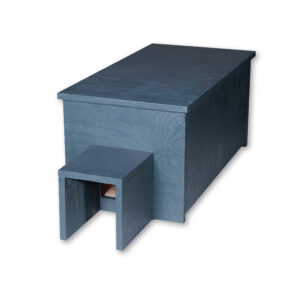
To give these otherwise redundant structures a new purpose, Unitura developed the MS1 mitigation chimney in collaboration with Exclusieve Schoorstenen. This lightweight prefabricated chimney replicates the appearance of a traditional chimney while incorporating dedicated nesting and roosting opportunities for birds and bats. By combining architectural heritage with ecological functionality, the MS1 creates valuable habitat within the built environment without compromising the visual quality of the development.
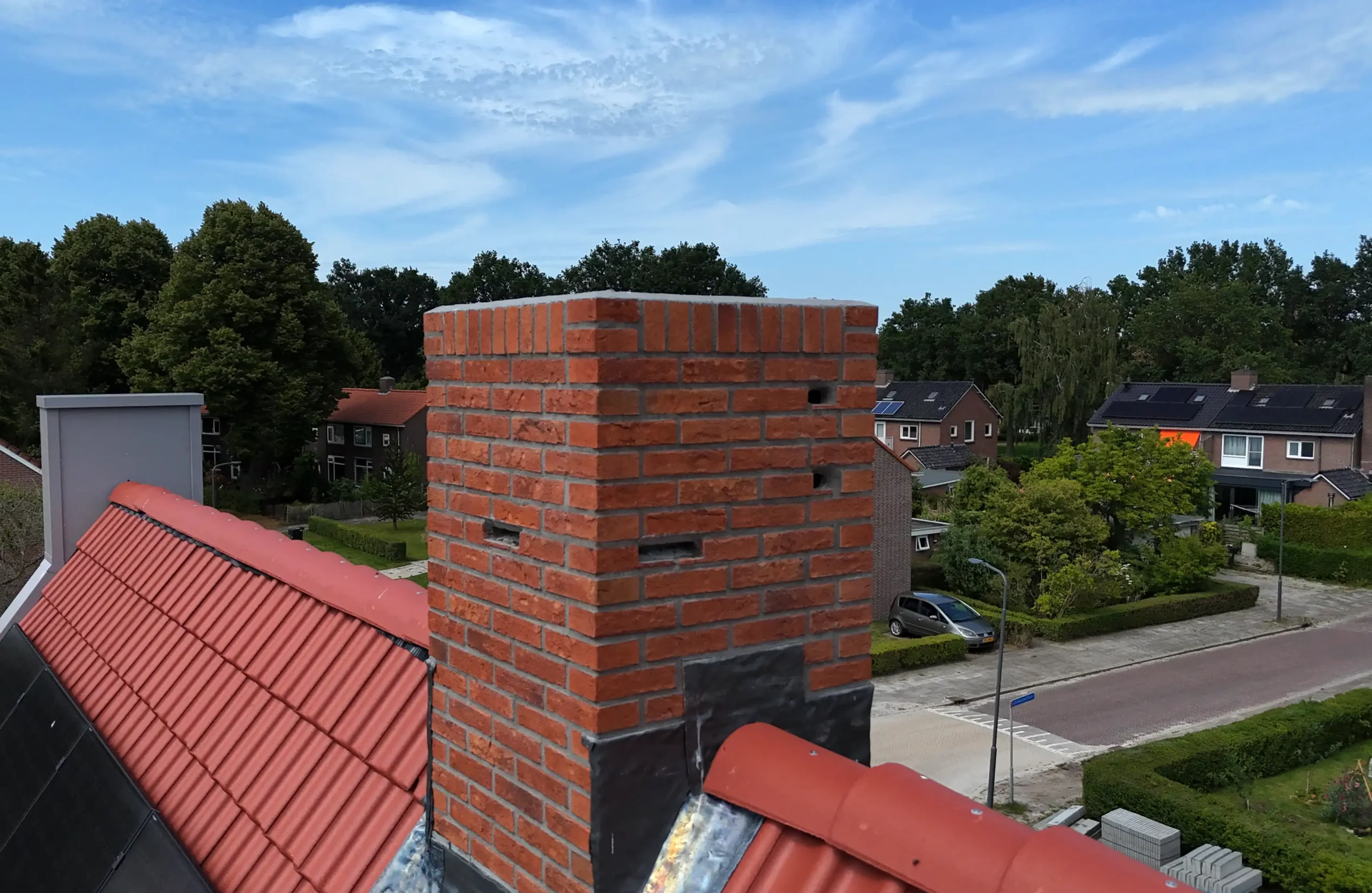
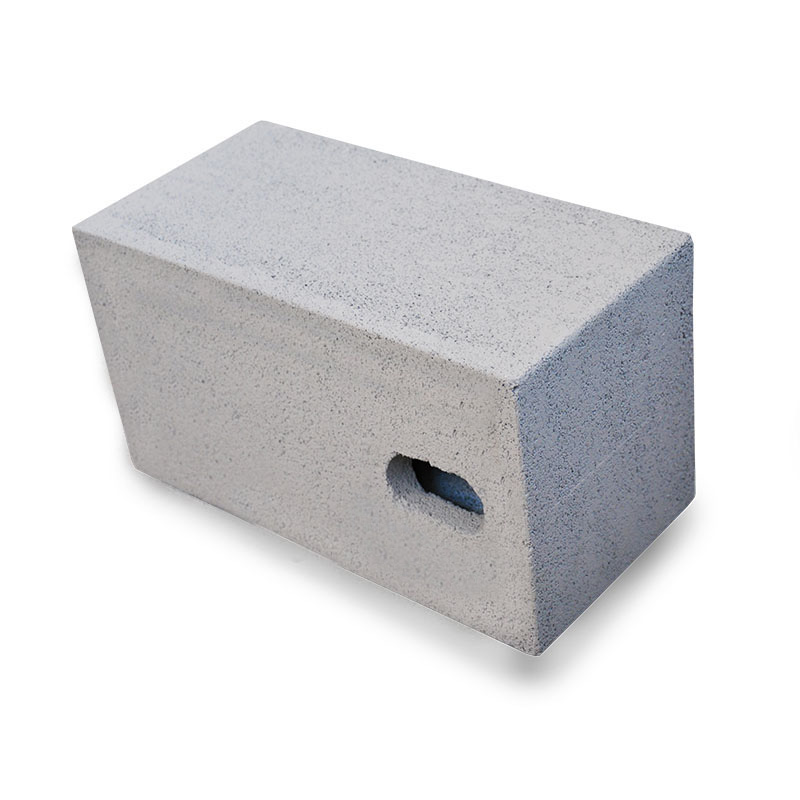
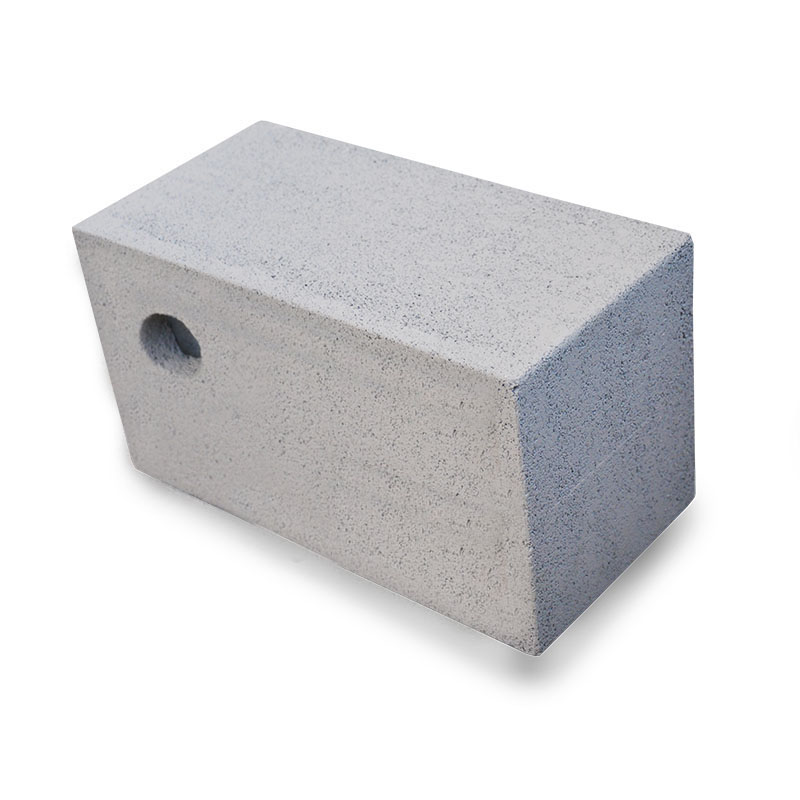
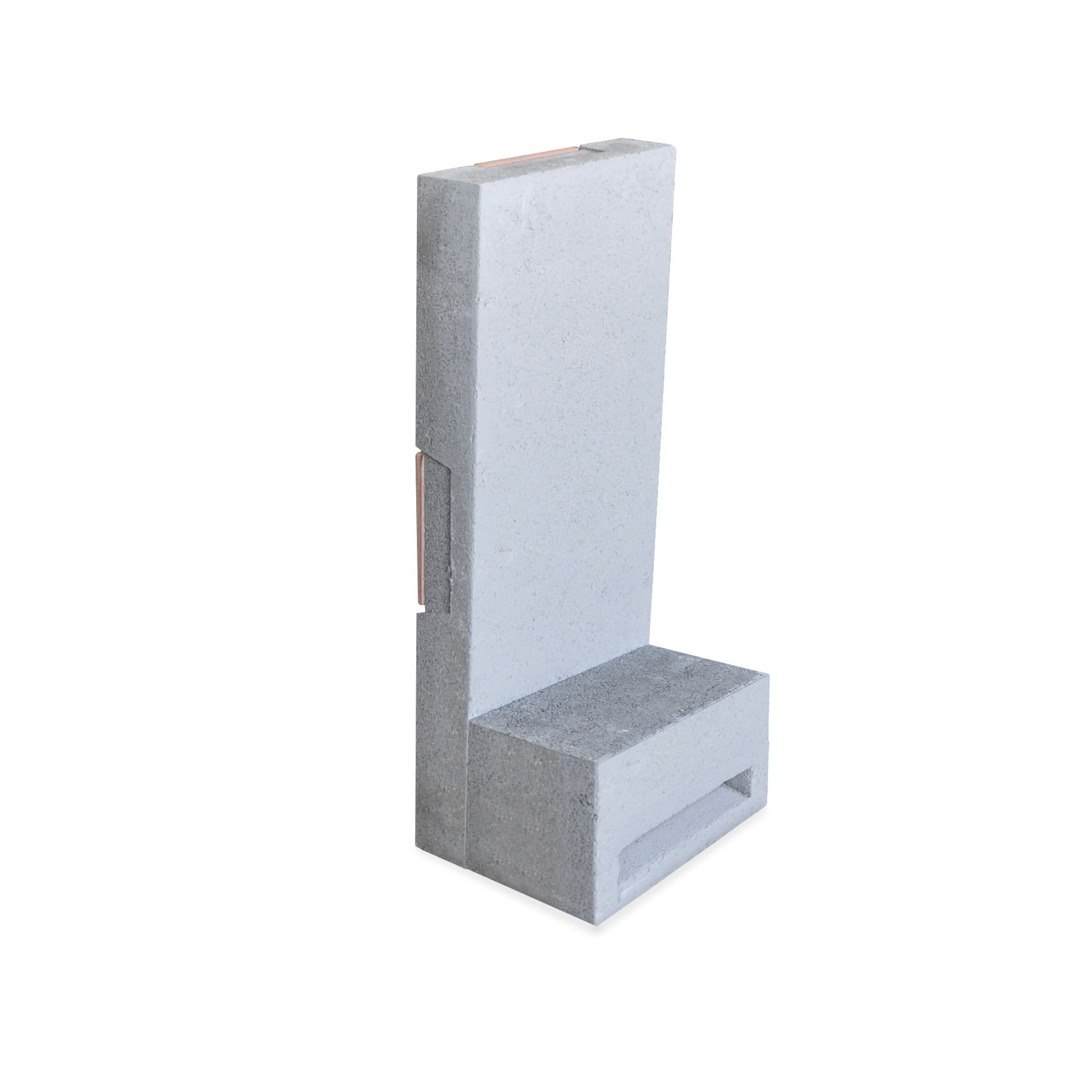
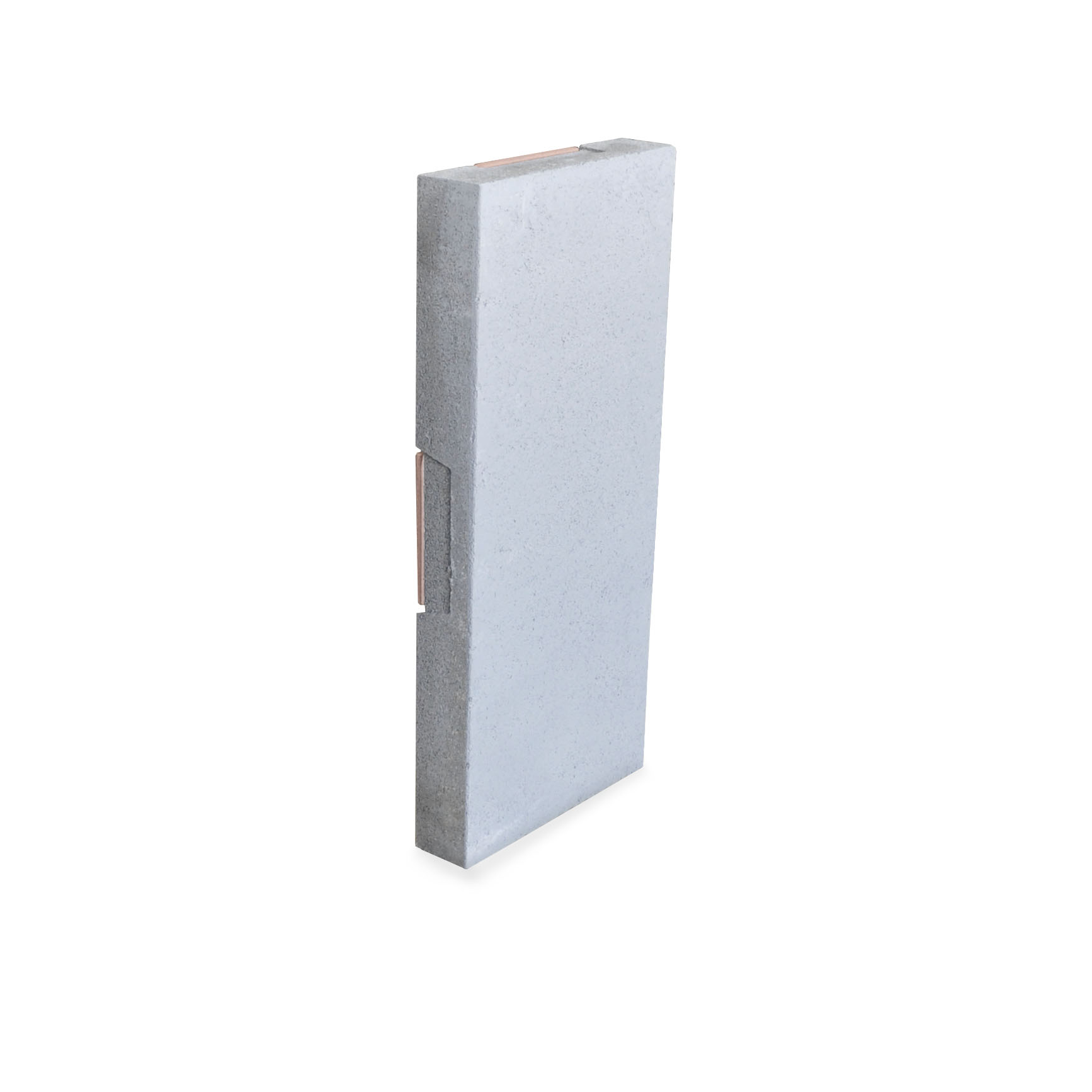
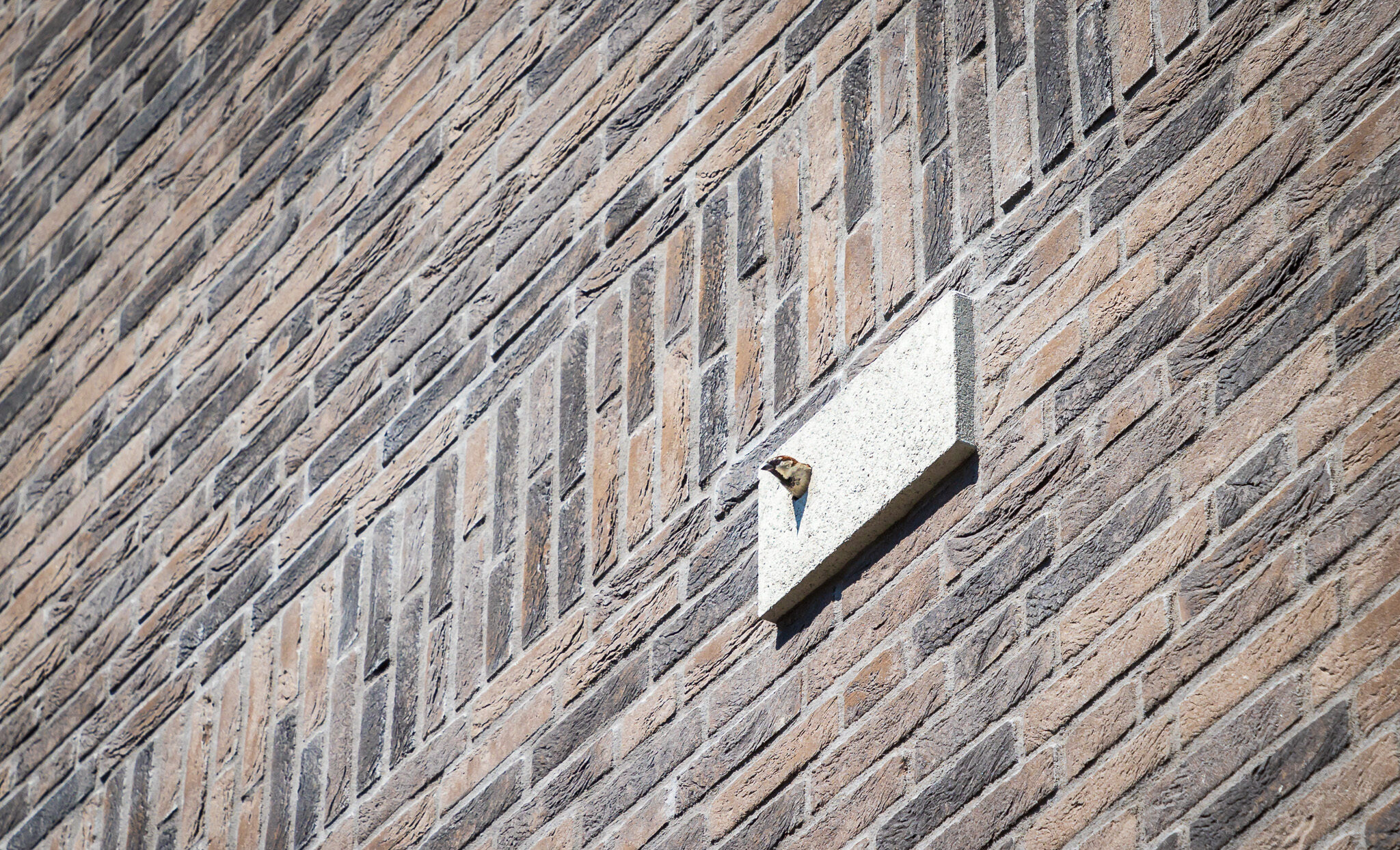
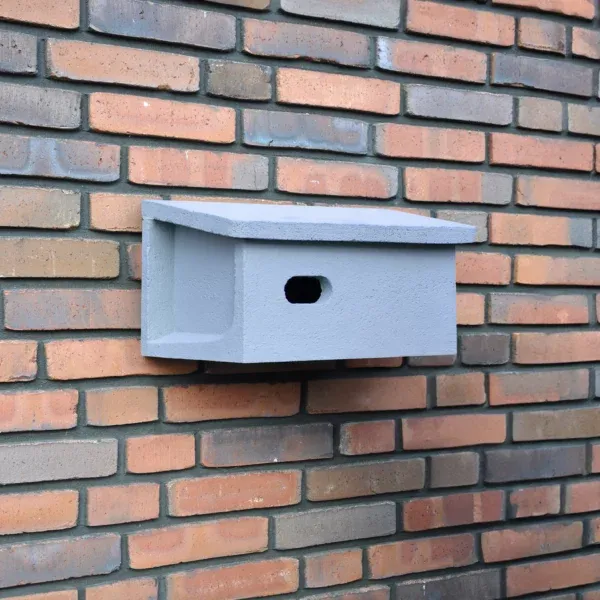
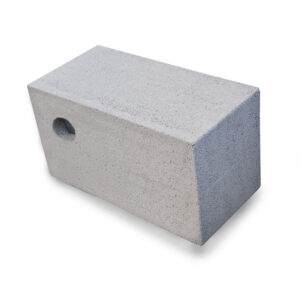
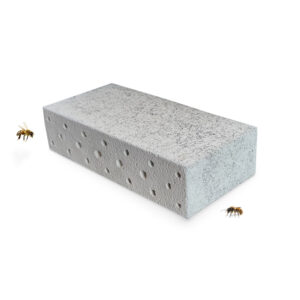
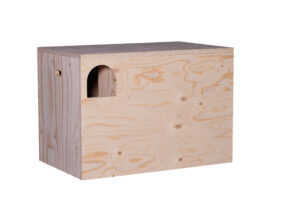
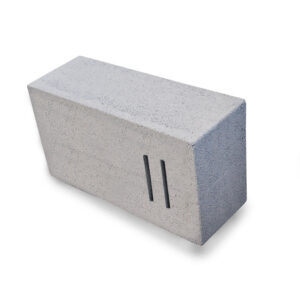
Each mitigation chimney incorporates ten dedicated nesting and roosting features for swifts (Apus apus), house sparrows (Passer domesticus) and bats. One of the features used is the GZP2 swift nest box, a woodcrete provision that can be installed either individually or in clusters to suit project requirements. To compensate for the loss of house sparrow nesting opportunities, our HMP2 house sparrow nest box was incorporated into the design. Like the GZP2, this feature is manufactured from durable woodcrete, ensuring excellent longevity and a stable internal microclimate.
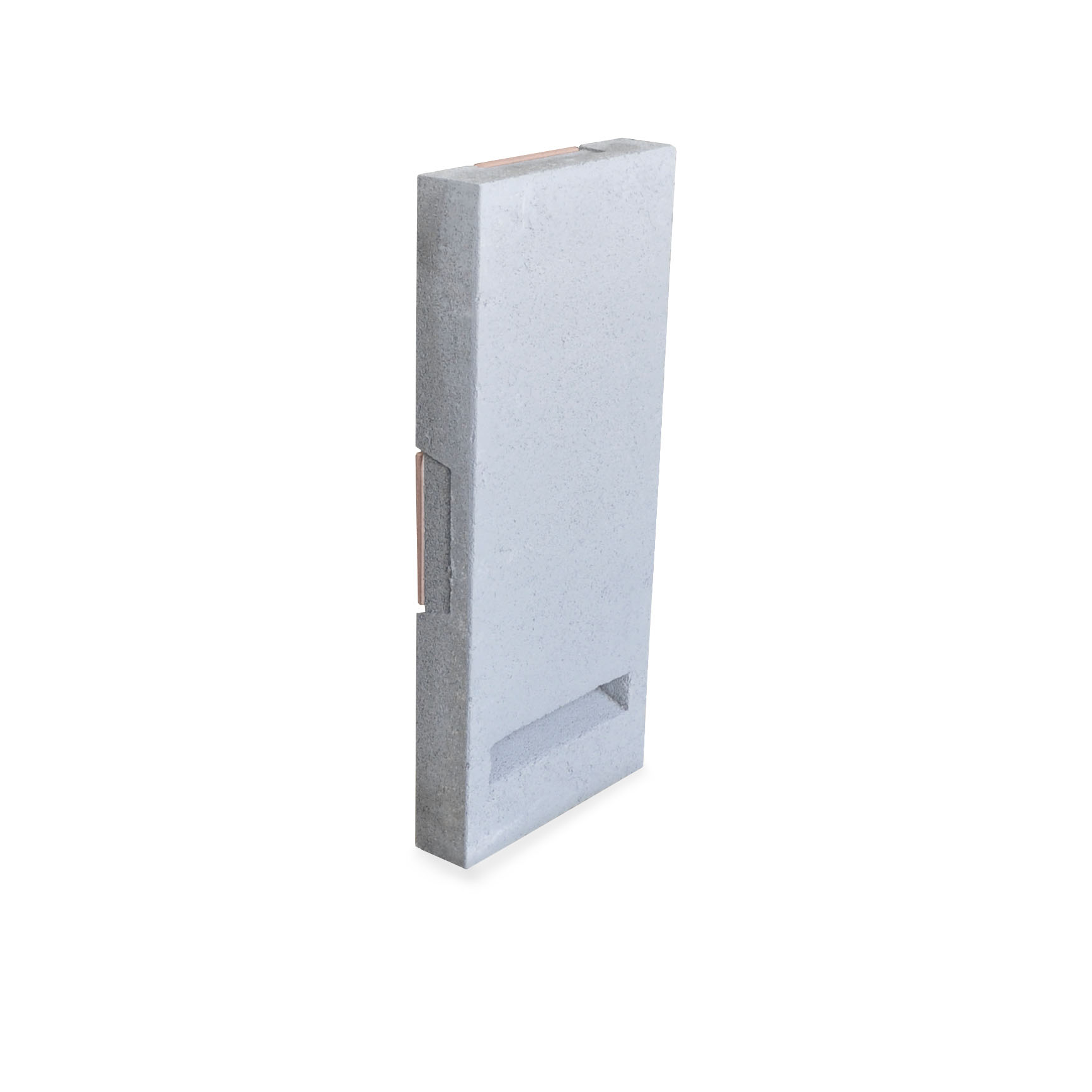
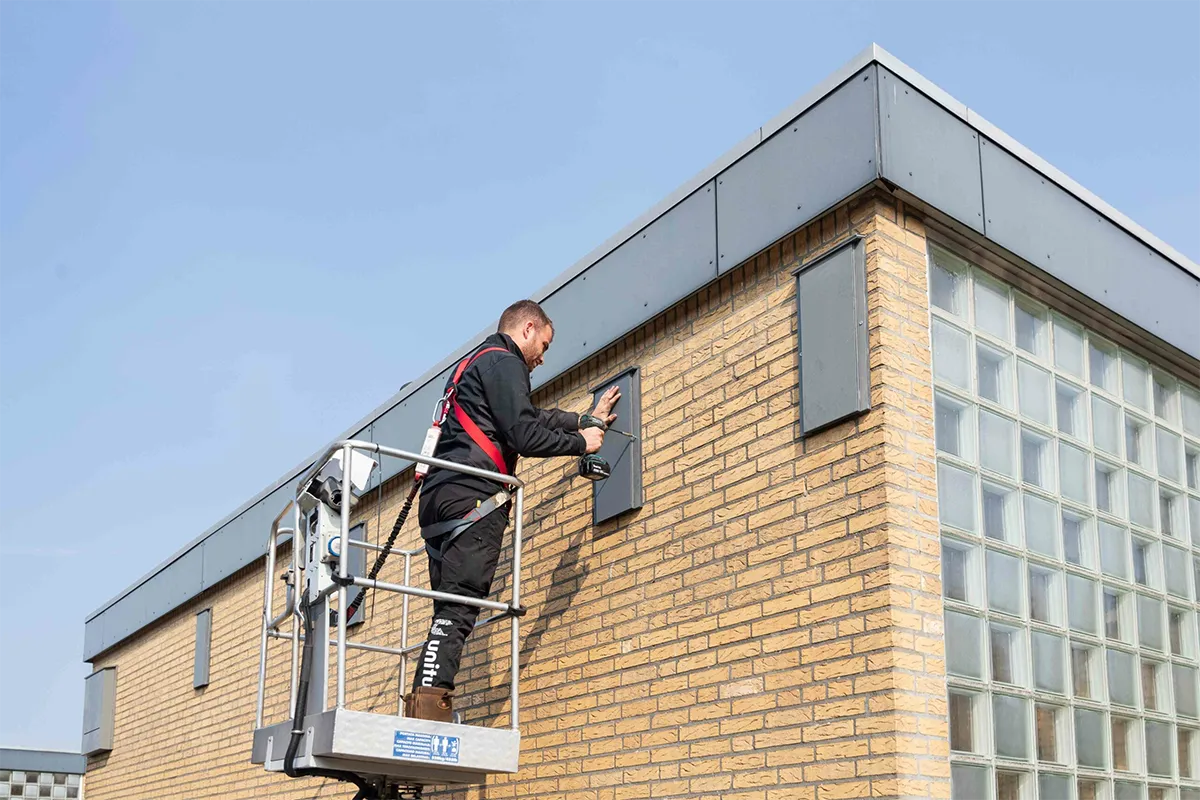
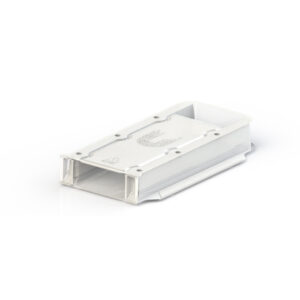
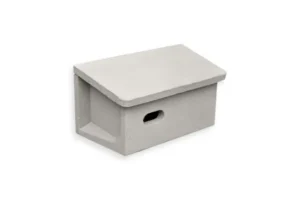
Bats also benefit from the adapted chimney structures through the integration of VMPM1 bat roost features. This single-layer roost provision functions as a summer roost and forms part of our modular range of integrated woodcrete bat roost systems. Together, these features transform the chimney into a multifunctional habitat structure that provides long-term ecological value for a range of building-dwelling species.
The project at Azaleastraat in Heerenveen is an excellent example of nature-inclusive building, where the needs of local wildlife are considered alongside those of future residents. As part of the development, compensatory nesting and roosting features were incorporated for building-dwelling species such as swifts (Apus apus), house sparrows (Passer domesticus) and bats, helping to strengthen biodiversity within an urban environment.
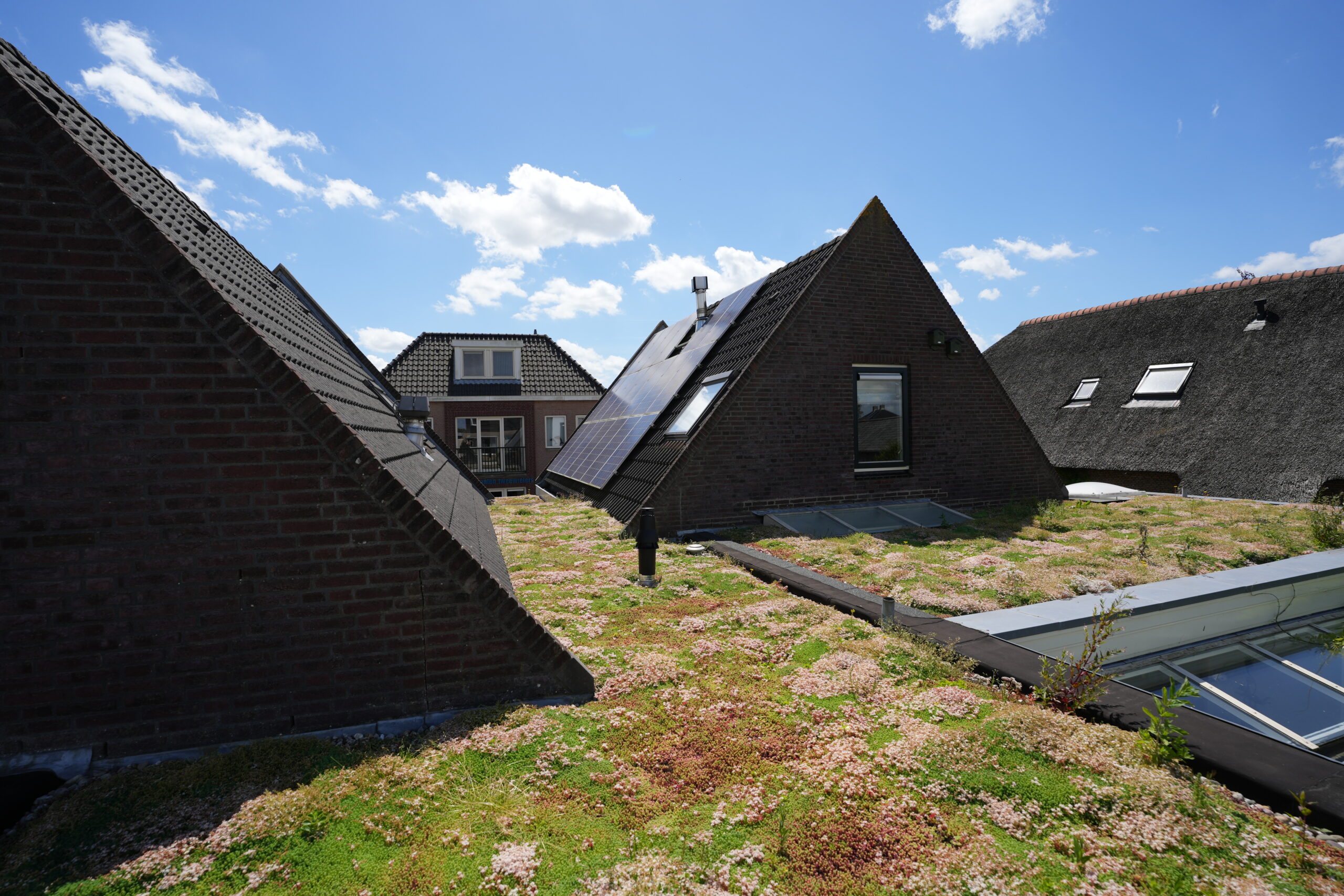
Nature-inclusive building focuses on creating developments that actively support wildlife by integrating habitat opportunities into the built environment. This can include measures such as nest boxes, bat roost features, green roofs and green facades. The project also demonstrates the importance of using durable materials with a long service life. In this case, the wildlife features were manufactured from woodcrete, a robust material that provides stable internal conditions for nesting and roosting species while requiring minimal maintenance over time.
By combining sustainable construction techniques with integrated wildlife features, the development contributes to both environmental performance and long-term biodiversity enhancement.

 >
> >
> >
> >
> >
> >
> >
> >
> >
>