 >
> >
> >
> >
> >
> >
> >
> >
> >
>
We are happy to assist you with issues surrounding nature inclusivity.


 EN
▾
EN
▾
EN
▾
EN
▾
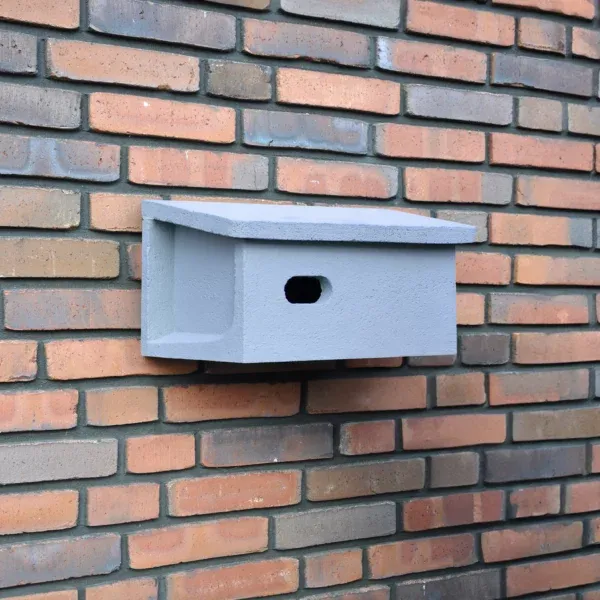
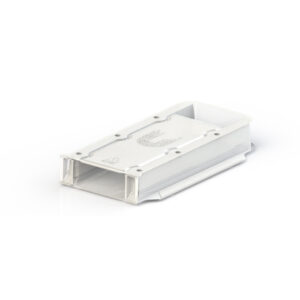
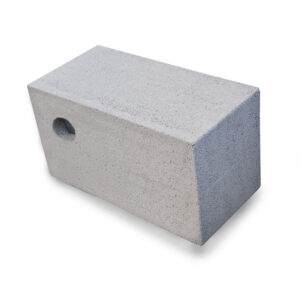
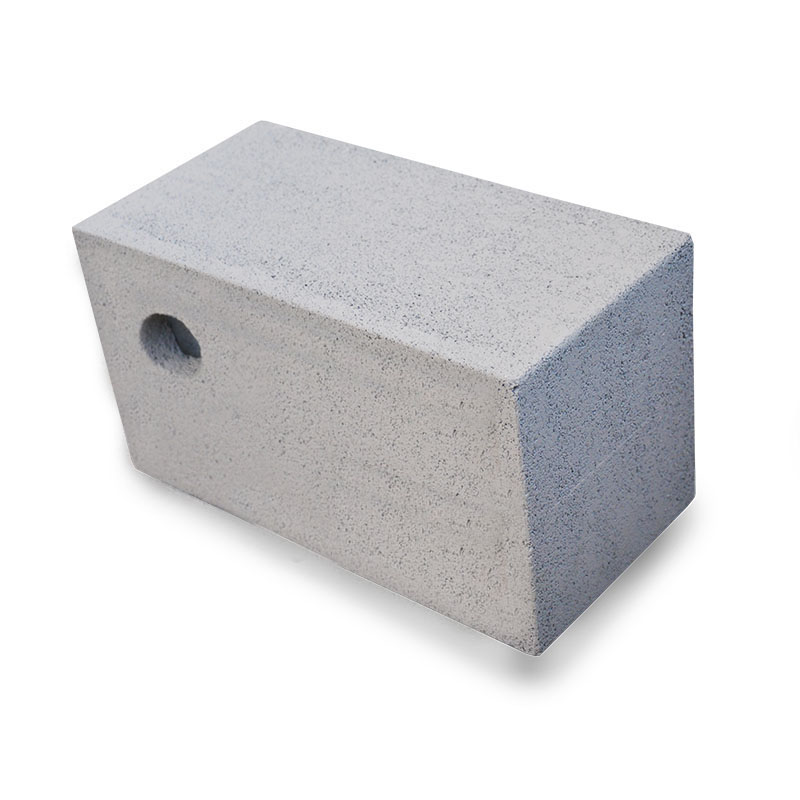
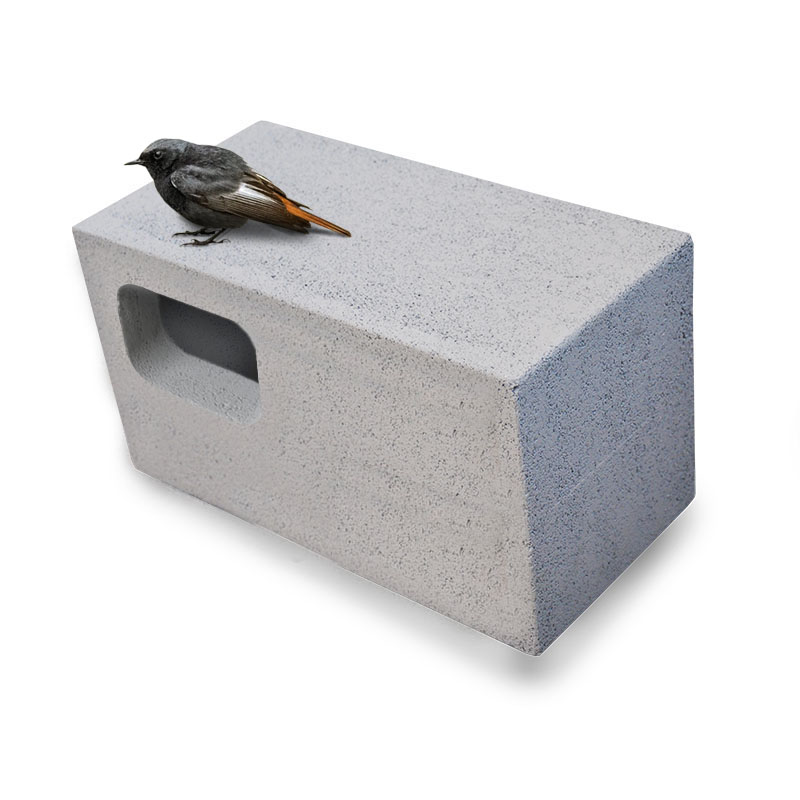
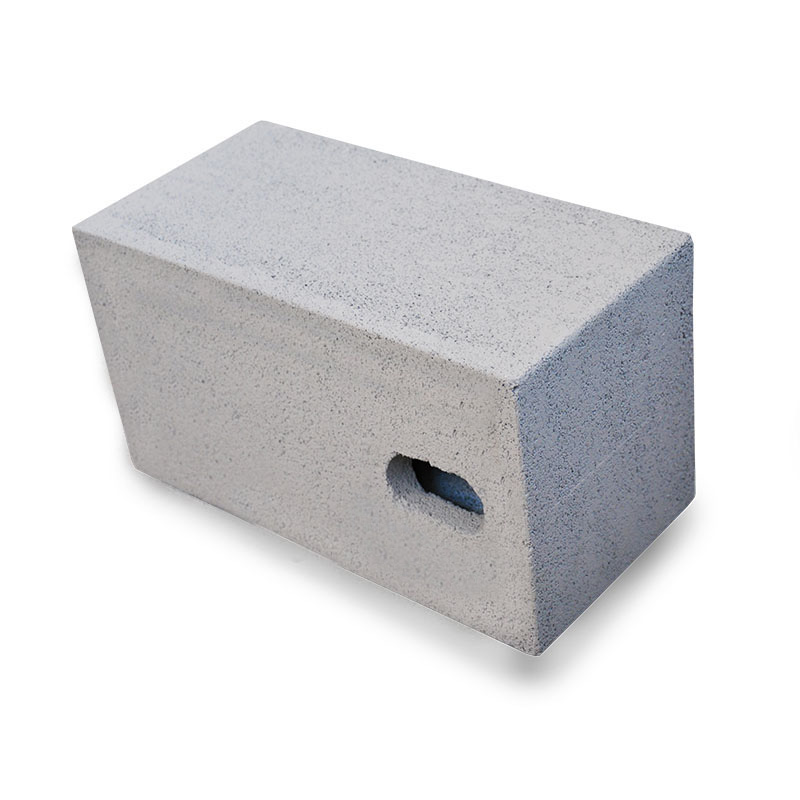
This basic integrated swift brick provides a suitable nesting site for swifts and can be seamlessly incorporated into masonry.
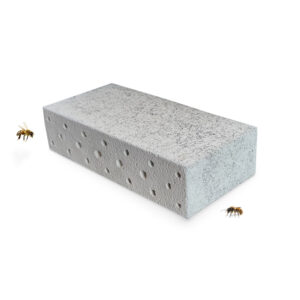
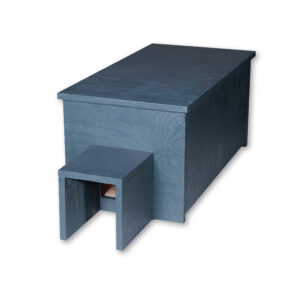
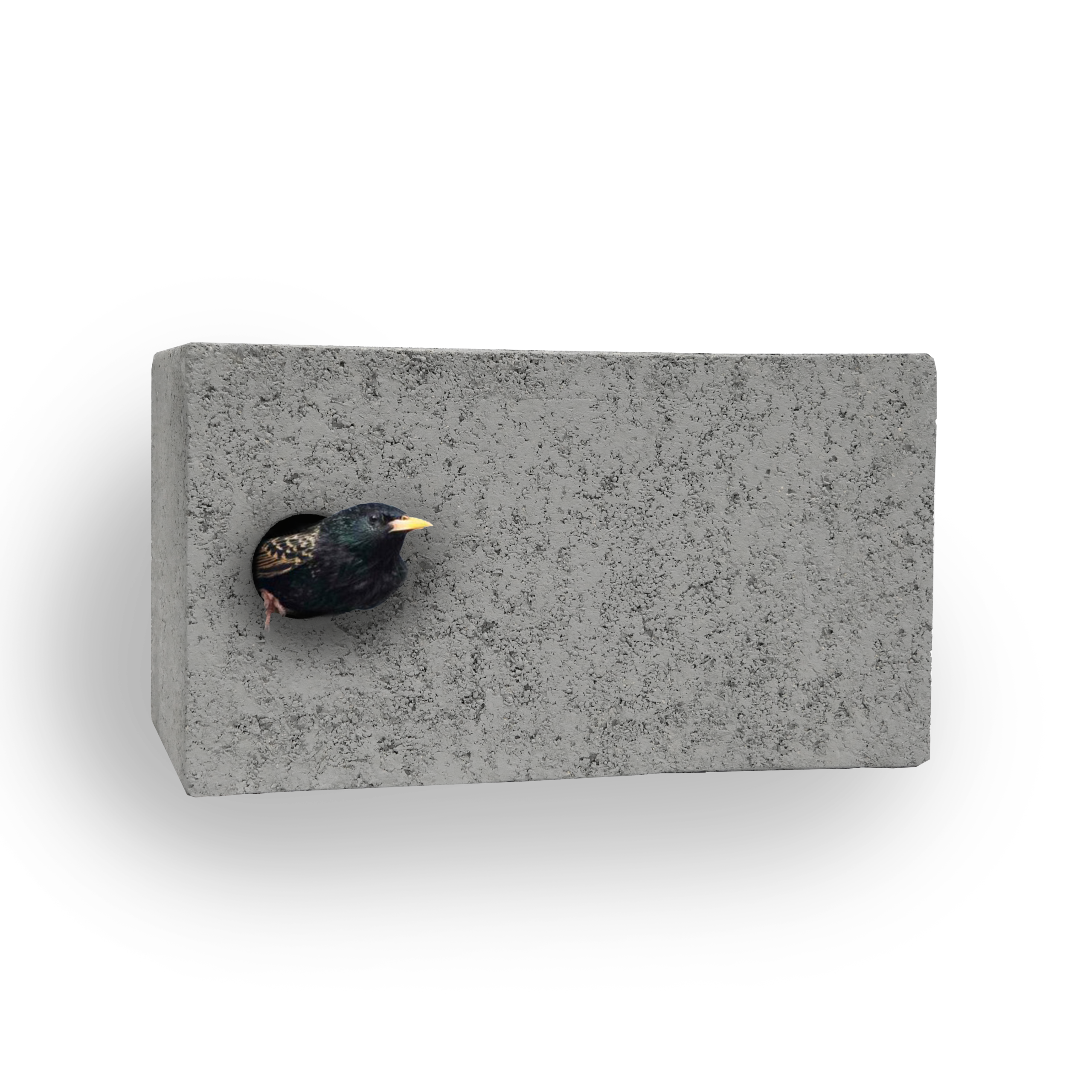
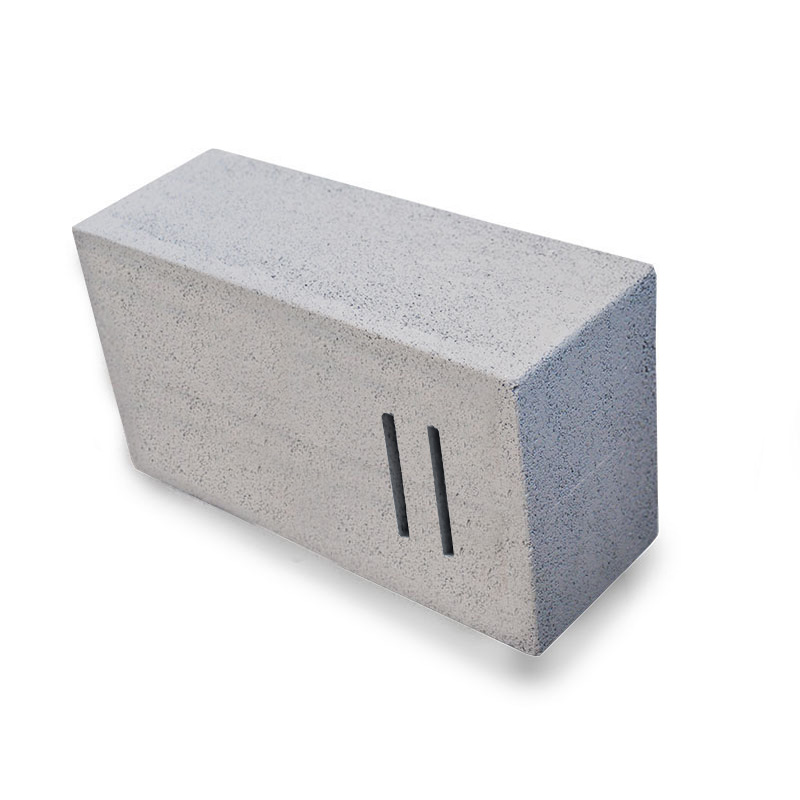
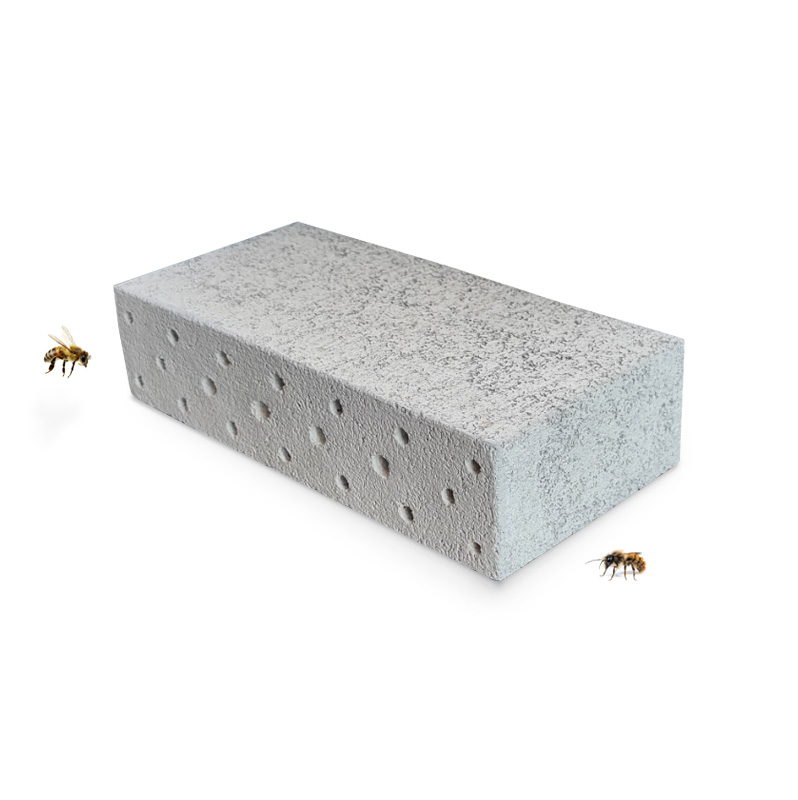
Within this product line, similar boxes are available for other target species, such as the HMP2 (house sparrow), SPP1 (starling), VLP1 (butterfly), ISP1 (insects), and HOP1 (semi-cavity breeders), allowing a cohesive application for multiple species within one line.



Suitable for
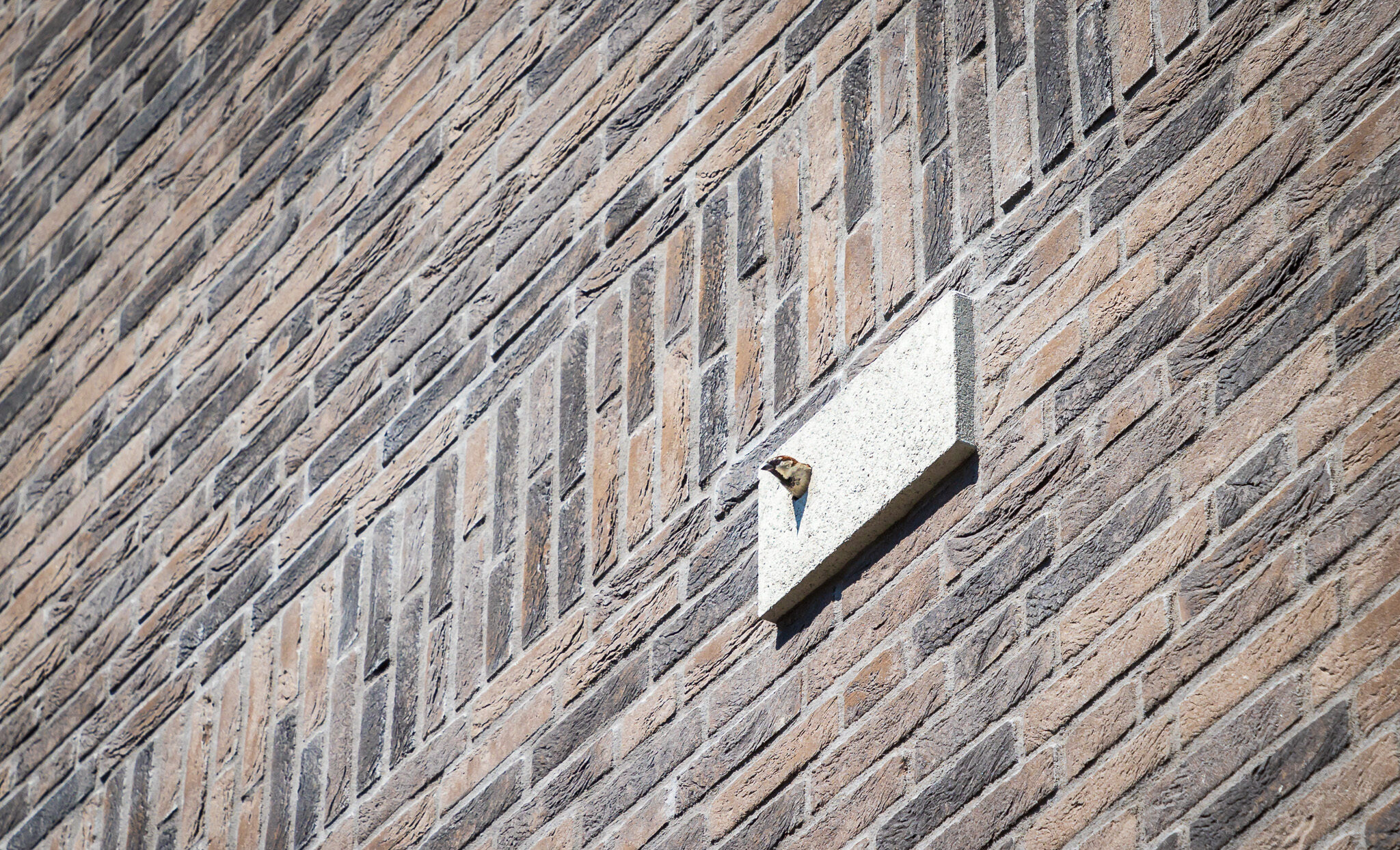
This swift box has been specifically designed for the mitigation of swift nesting sites. The boxes can be installed either in clusters or individually. This swift box is also popular with house sparrows as a nesting site. Swift boxes are also frequently used as a permanent replacement for house sparrow nesting sites.
Design
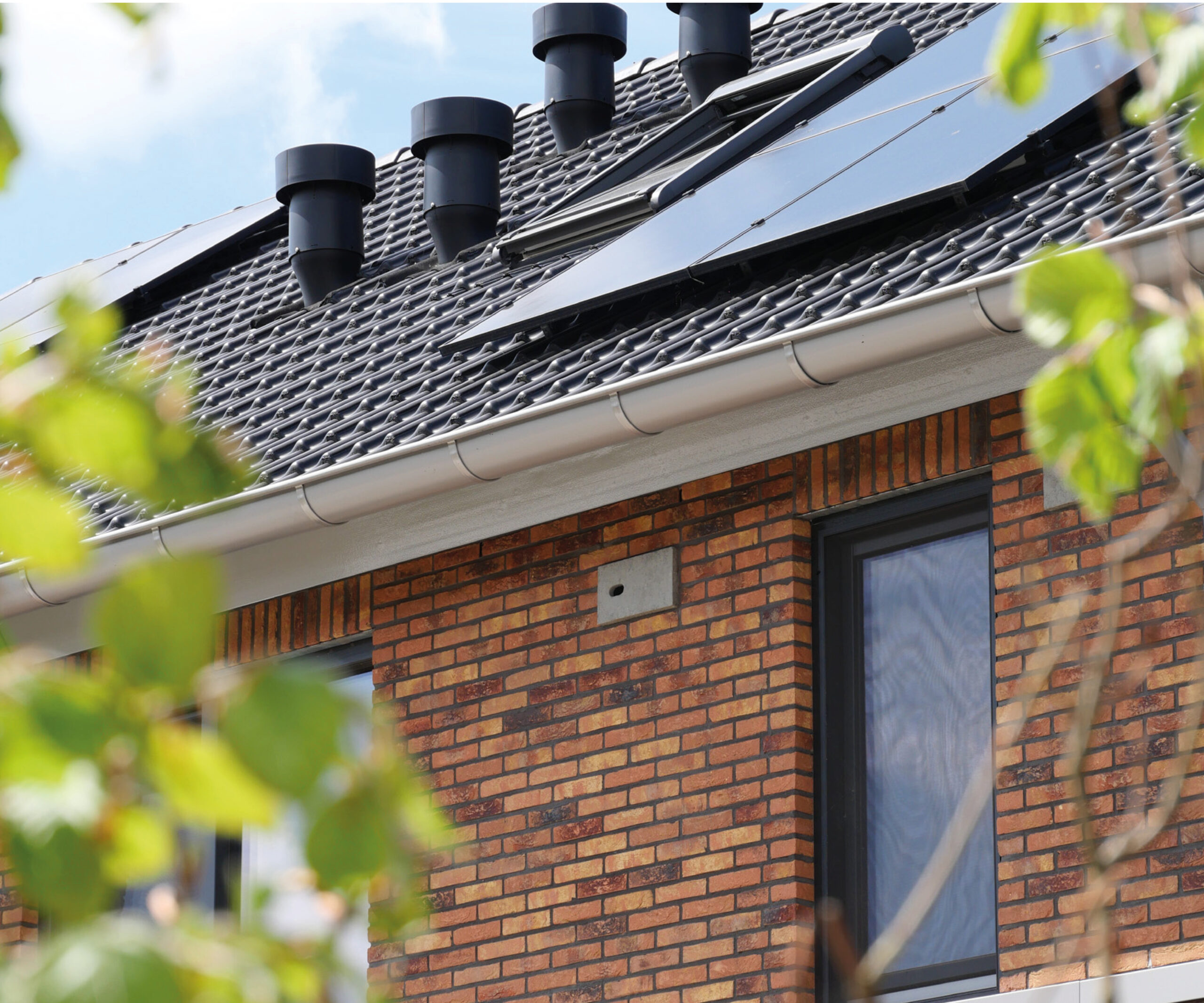
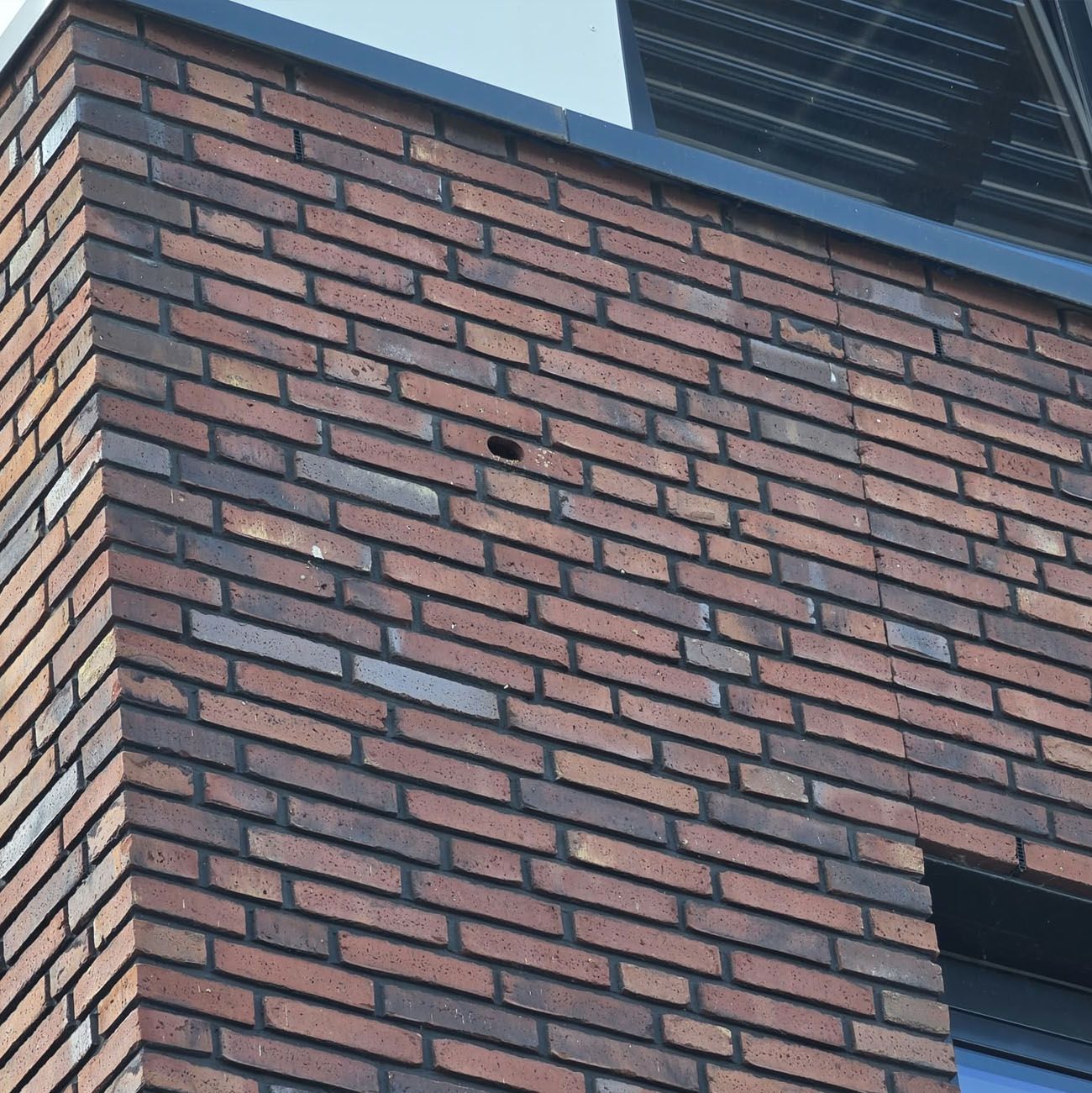
The box is made entirely from woodcrete. Specific attention was paid to the depth of the box during the design process. Thanks to its limited depth, the box can also be integrated effectively into the façades of houses with little wall depth. Because of its discreet design, the box can be installed in almost any façade type.
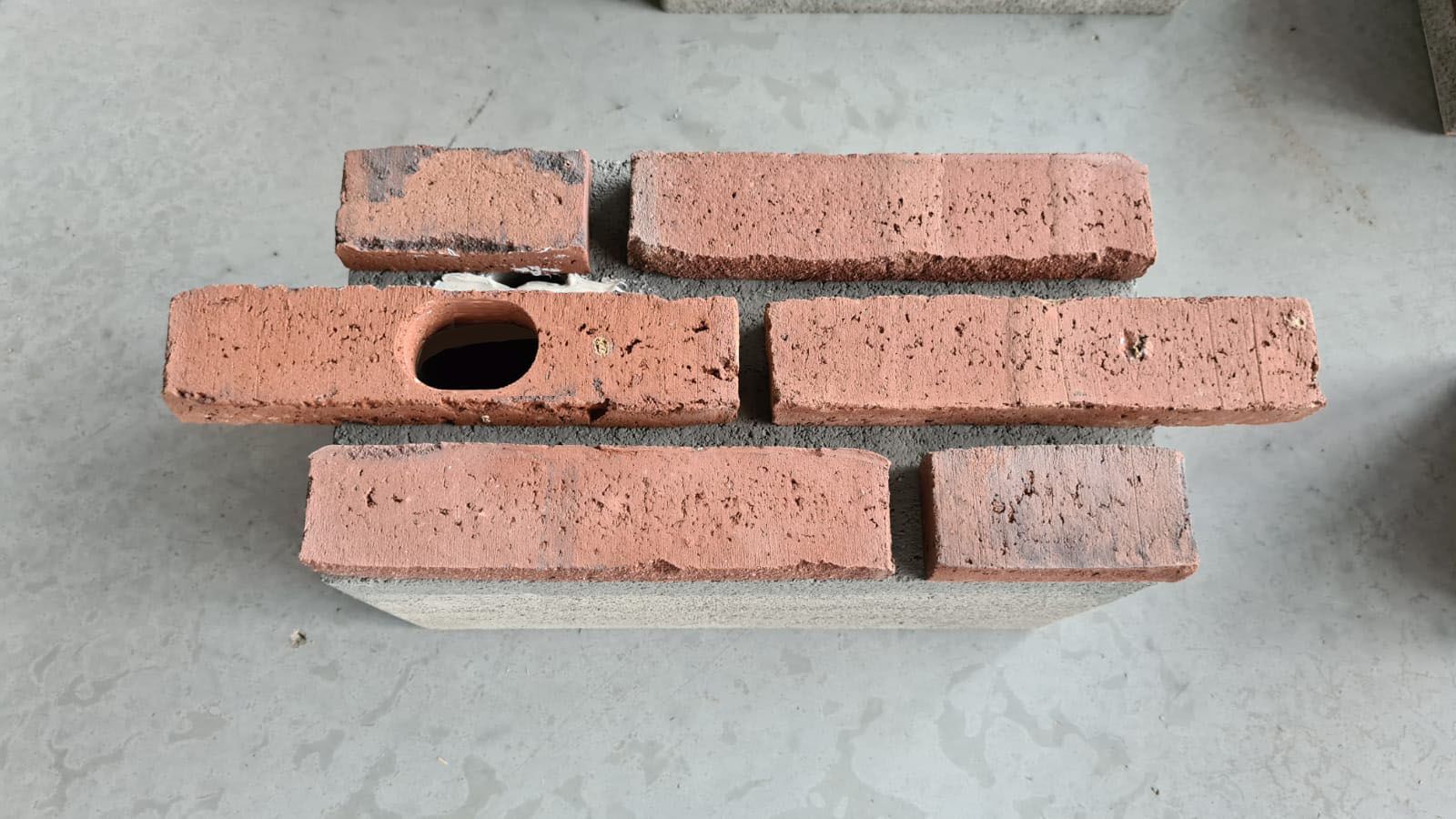
If the box is installed slightly recessed, it can be finished with brick slips or render, allowing it to be integrated completely invisibly into the façade.
Position
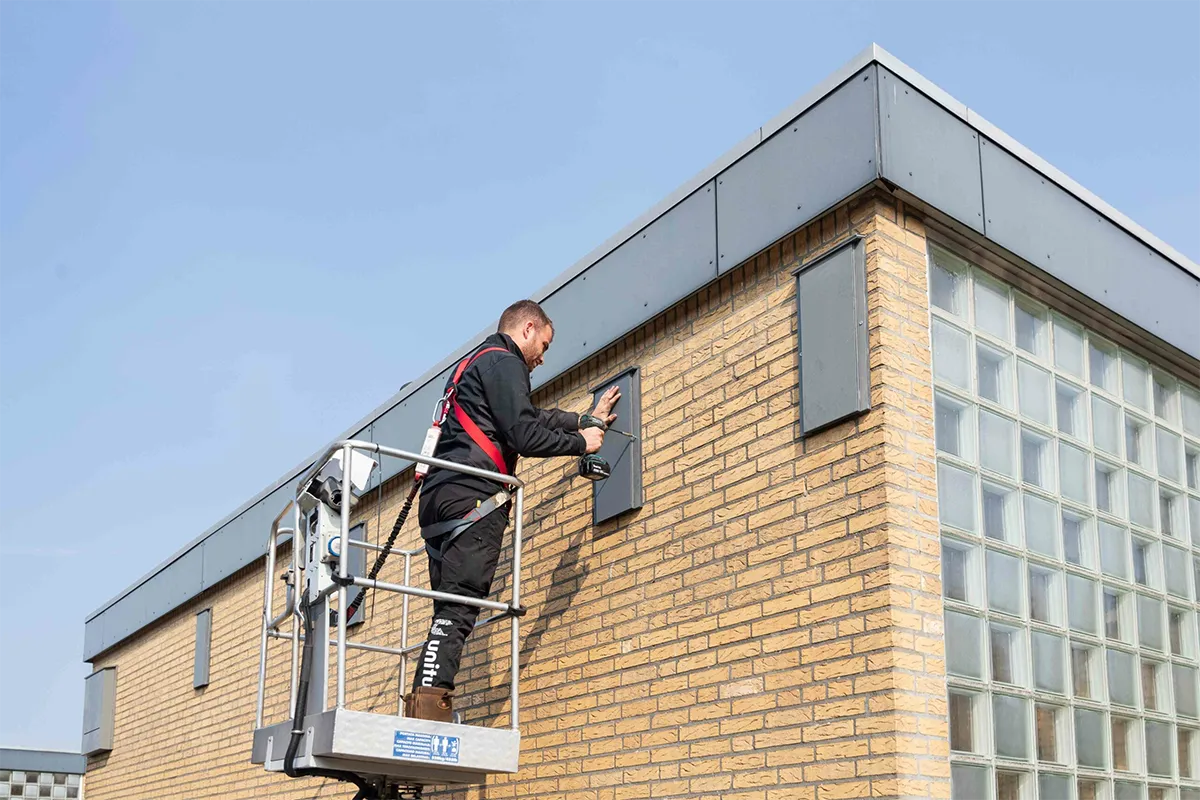
Install the box at a minimum height of 4–5 m on buildings. The boxes should not be installed on sunny façades, broadly between NNW = 337.5° and NNE = 22.5°; maximum NE = 45°. Boxes can be installed in these orientations, but make sure there is no direct sunlight on the box, for example by positioning it under a gutter or projecting roof edge.
Swift boxes should preferably be installed as high as possible. Preferably at least 5m high, where the swifts have a completely free approach route. Avoid trees, canopies or flagpoles that are in the way. Place swift boxes preferably on cold facades (north/east), or in the shade of a wide gutter or overhang. For a more detailed explanation, see Unitura’s Handbook .
Swifts are easy to lure with a bait system. For example, use decoy LK2 from Unitura. Decoy sounds are best played in the morning or late evening. Stop playing when the swifts have discovered the nest boxes or facilities. Typically, swifts start breeding the year after they discover the facilities. So don’t be alarmed if a nest is not made in the boxes right away.
Swifts are artificial habitats specifically designed to provide swifts with a place to live in places where they do not naturally occur or are not currently present. Arcadis’ mitigation catalog and BIJ12’s knowledge documents show the physical requirements of swifts for their habitat. Examples of swift boxes include the GZT1, GZT2 and the GZP2.
Mitigation projects under the Nature Conservation Act distinguish between permanent and temporary swift boxes. Typically, temporary swift boxes are first provided in the immediate vicinity of a building being demolished or renovated. Swifts can then temporarily move to these boxes until permanent swifts become available in the new or renovated building. Typically, swift facilities can only qualify as “permanent” if they are highly durable (have the same lifespan as a building) and if they are part of the building’s architecture (the facilities should not be easily removed).
Temporary swift boxes are swift boxes intended as temporary places of refuge for swifts. Mitigation projects under the Nature Conservation Act distinguish between permanent and temporary swift boxes. Typically, temporary swift boxes are first provided in the immediate vicinity of a building being demolished or renovated. Swifts can then temporarily move to these boxes until permanent facilities become available.

We are happy to assist you with issues surrounding nature inclusivity.