 EN
▾
EN
▾
EN
▾
EN
▾
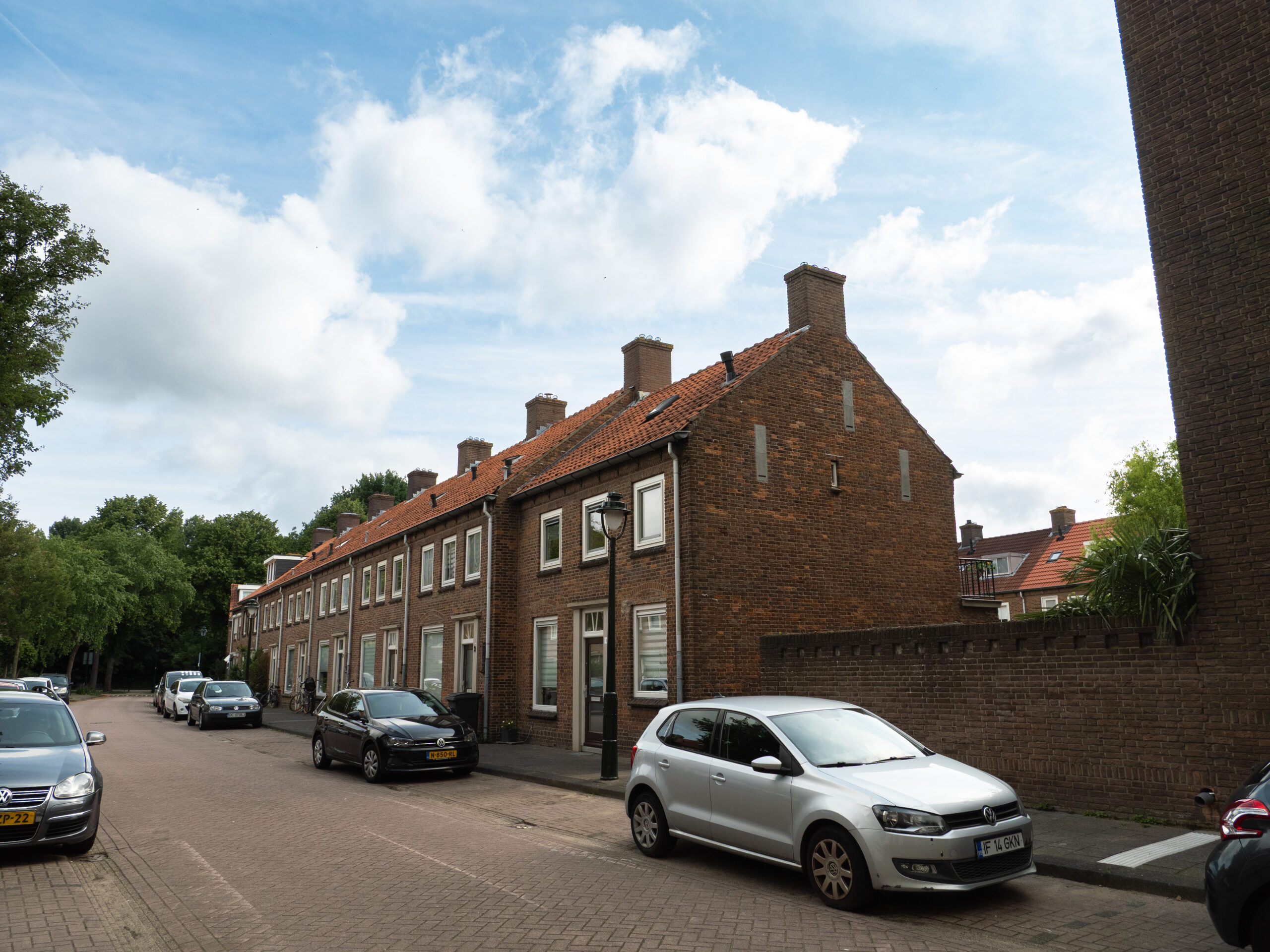
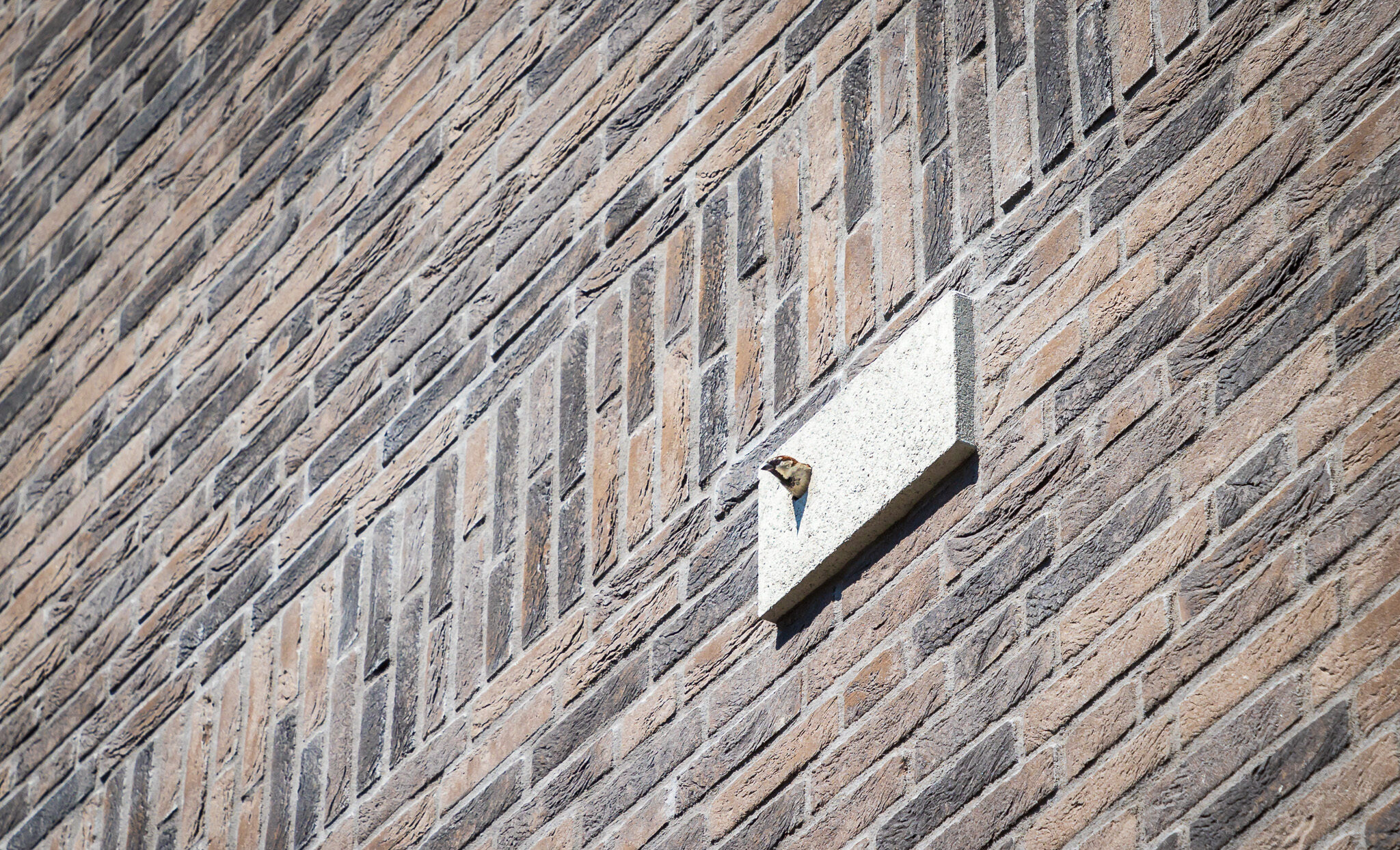
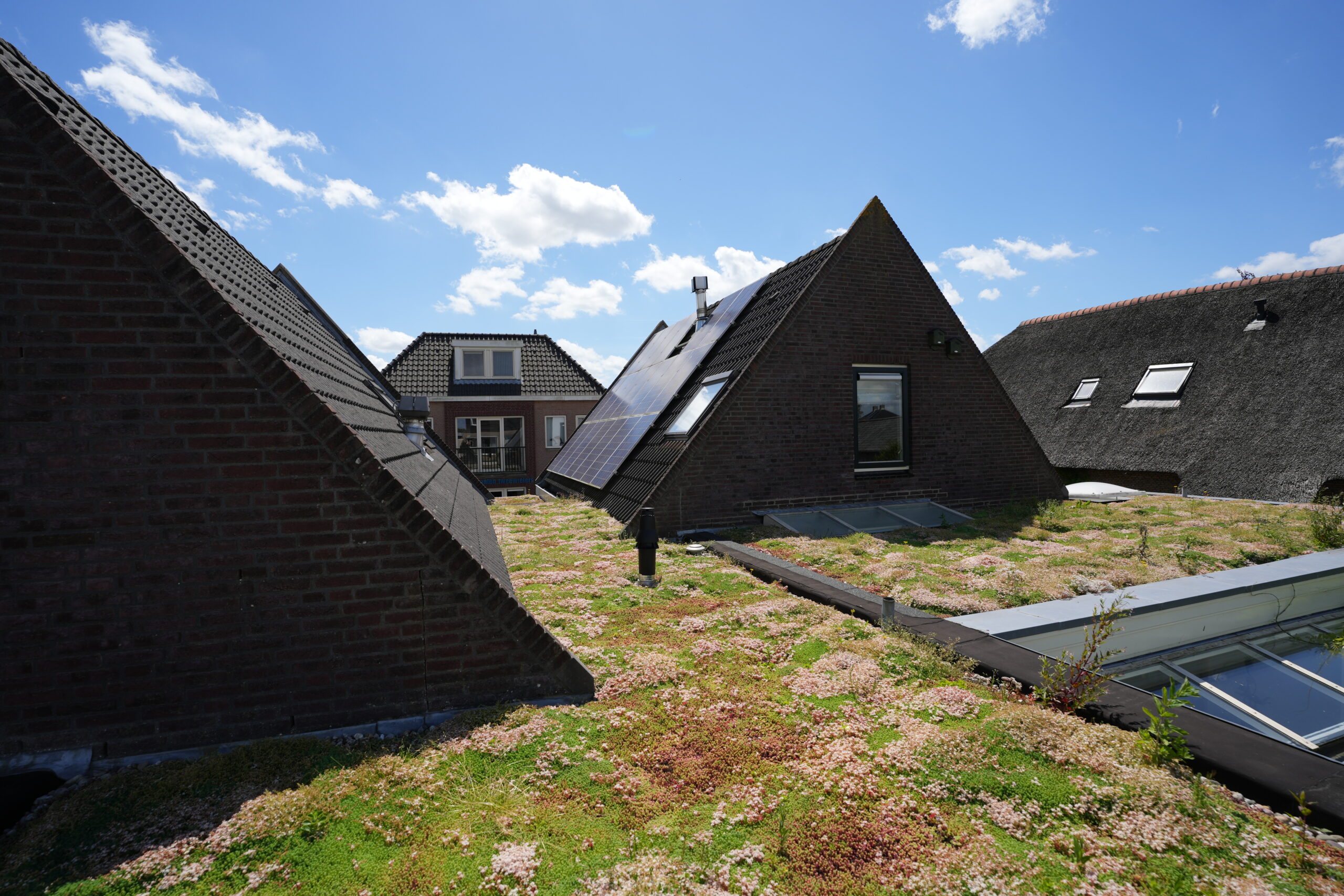
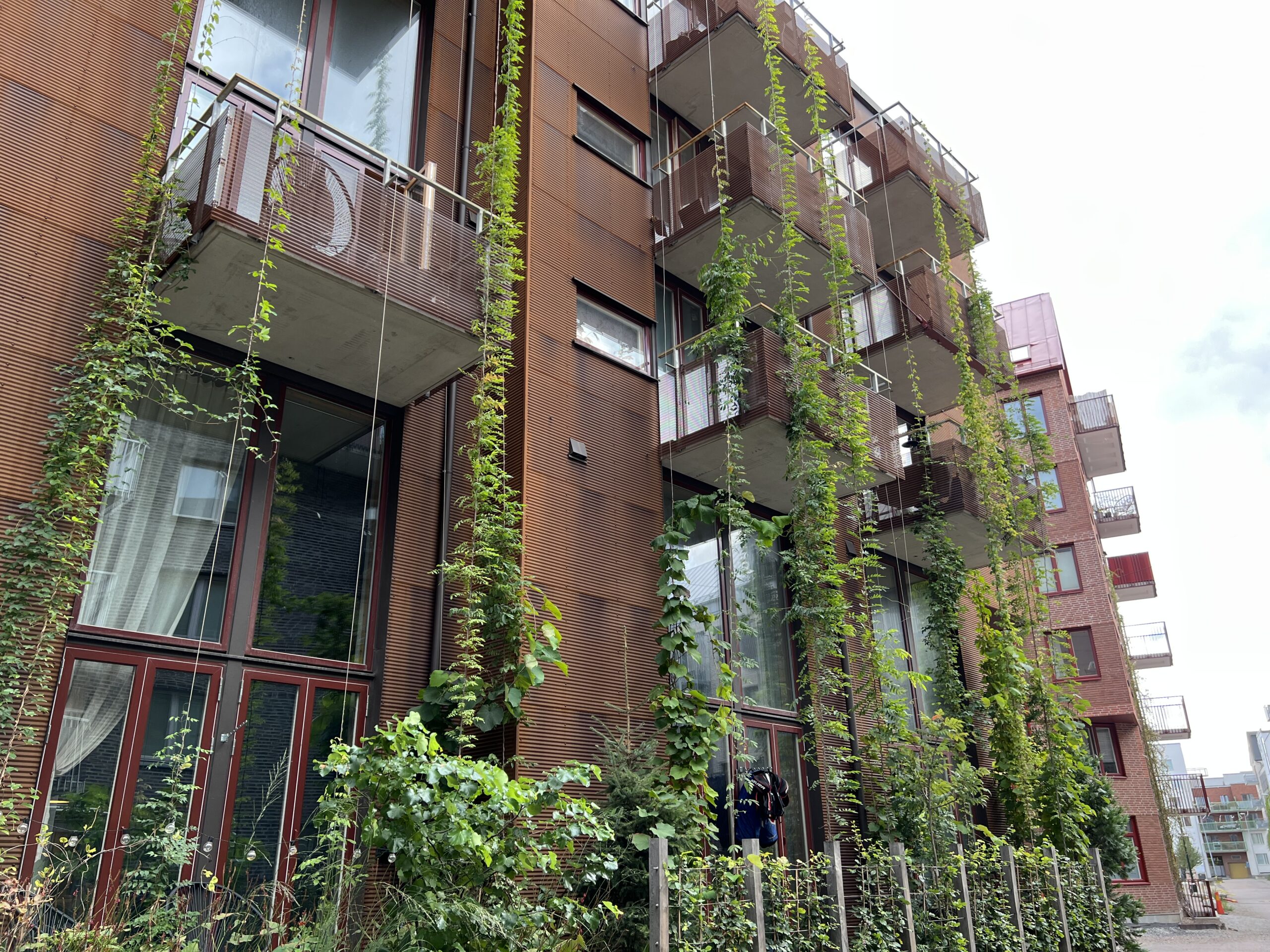
In 2025, Pennings was commissioned by the housing corporation Zayaz to start the large-scale preservation of 112 porch houses on the Aartshertogenlaan and Dr. Hermansstraat in Den Bosch. The houses, built in the first half of the twentieth century, no longer met current requirements in terms of energy consumption, comfort and ventilation. Within the renovation plan, integration of nature-inclusive measures was used from the initiation phase. In this project, Unitura supplied various fauna provisions for building-dwelling species such as swifts, bats and house sparrows.
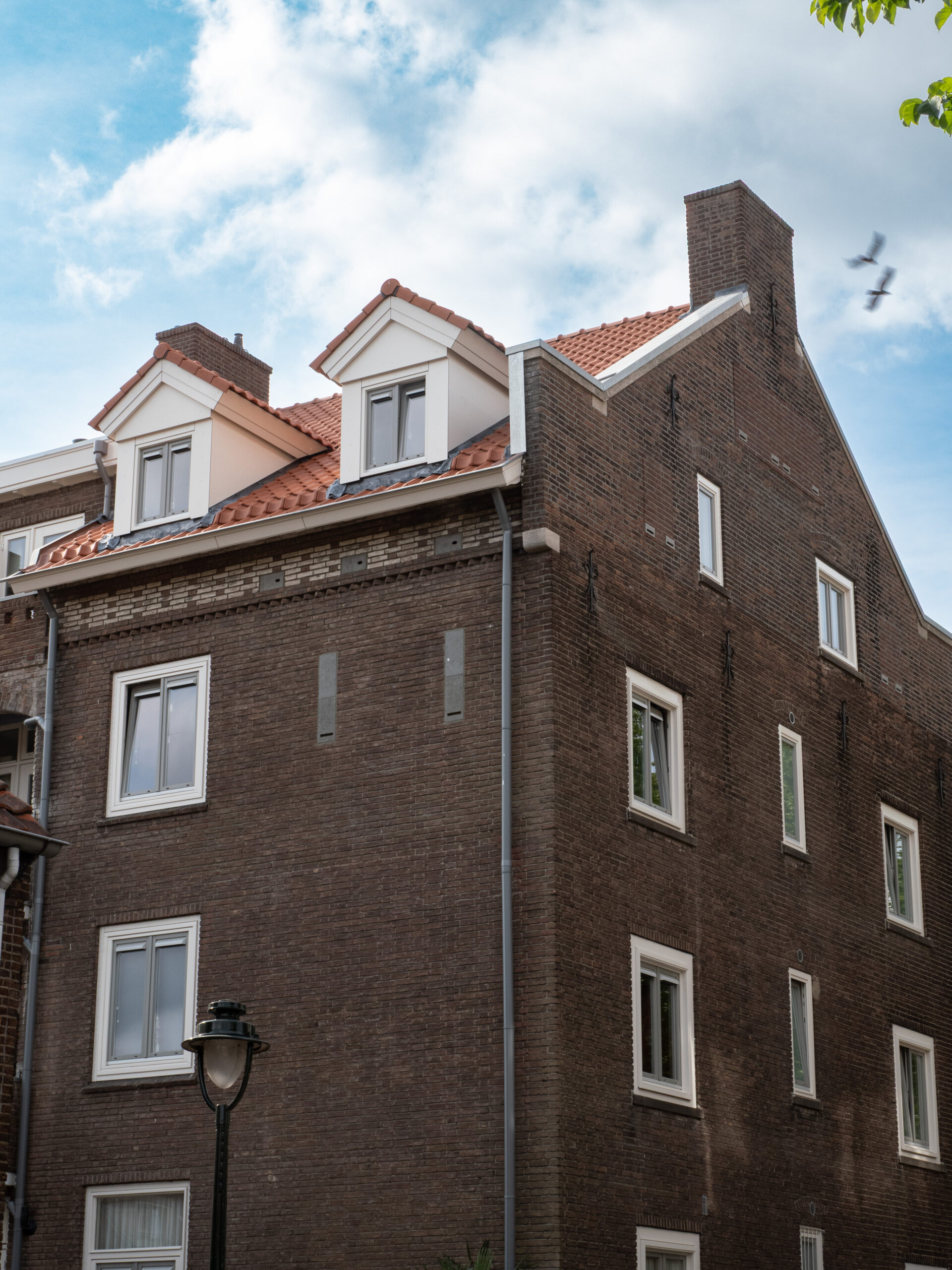
The entire roof structure of the residential blocks was replaced as part of the refurbishment works. As a result, many existing nesting and roosting opportunities for protected species were inevitably lost, particularly those located beneath roof tiles and within the eaves. Species such as the common pipistrelle (Pipistrellus pipistrellus) and the swift (Apus apus) are highly dependent on cavities within buildings, many of which are typically removed during modern refurbishment projects.
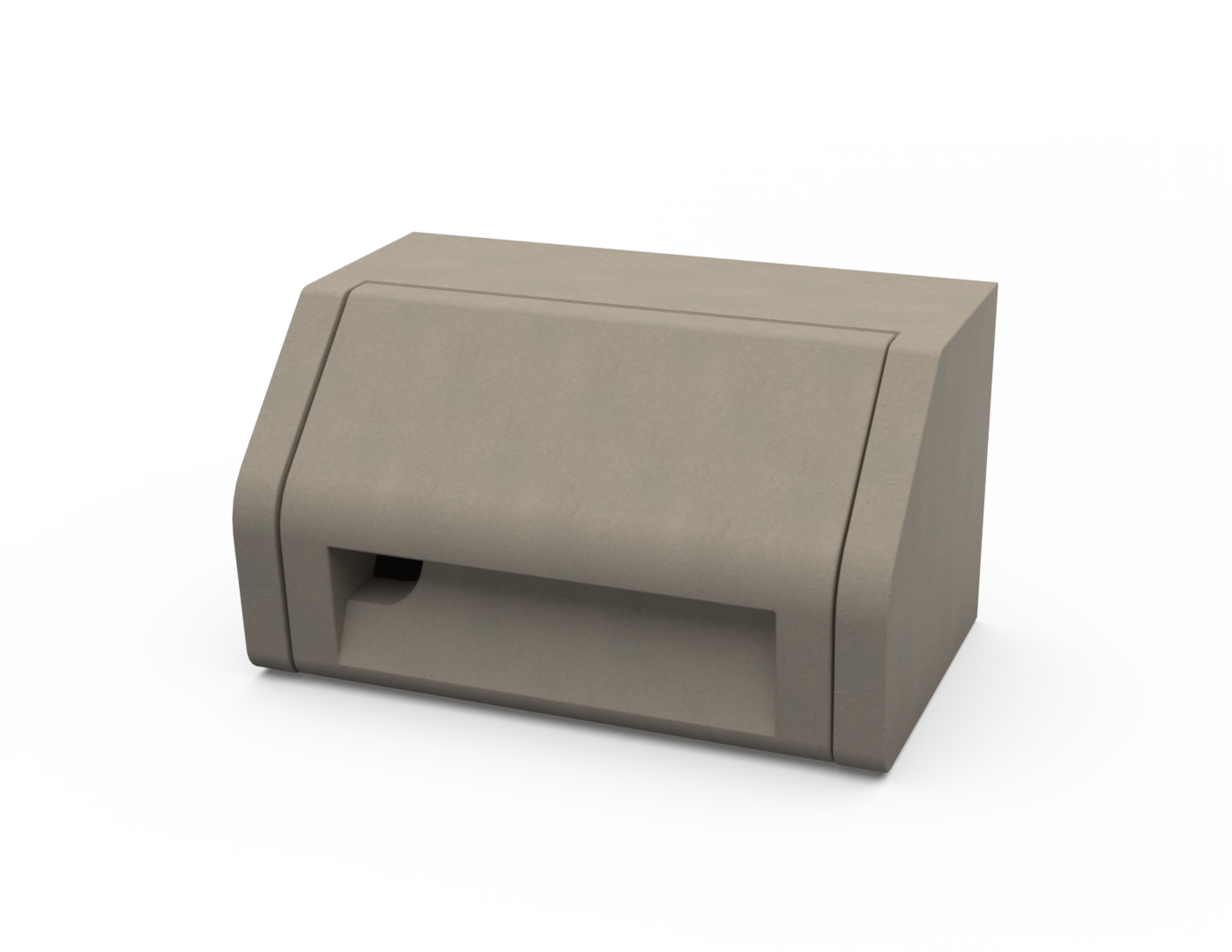
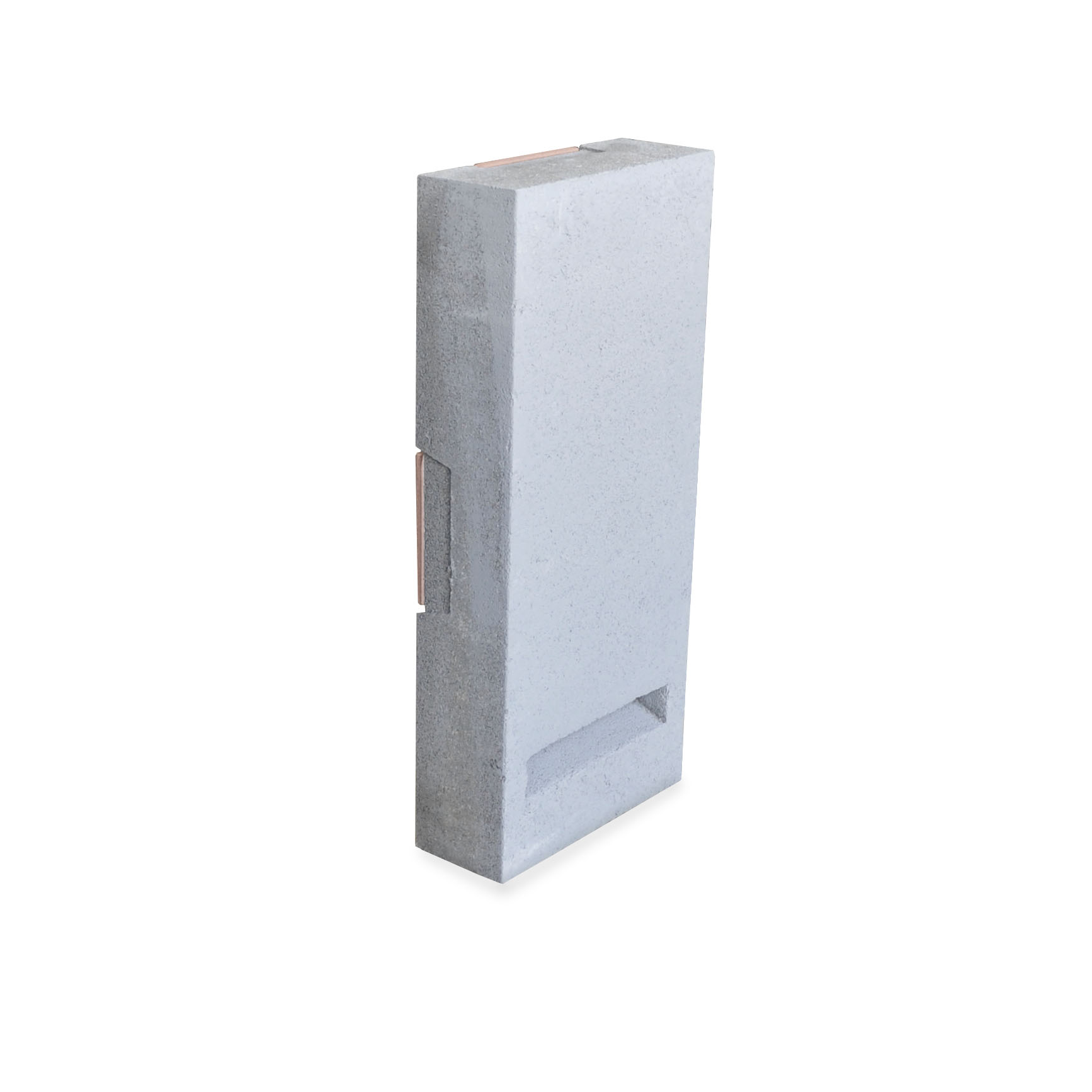
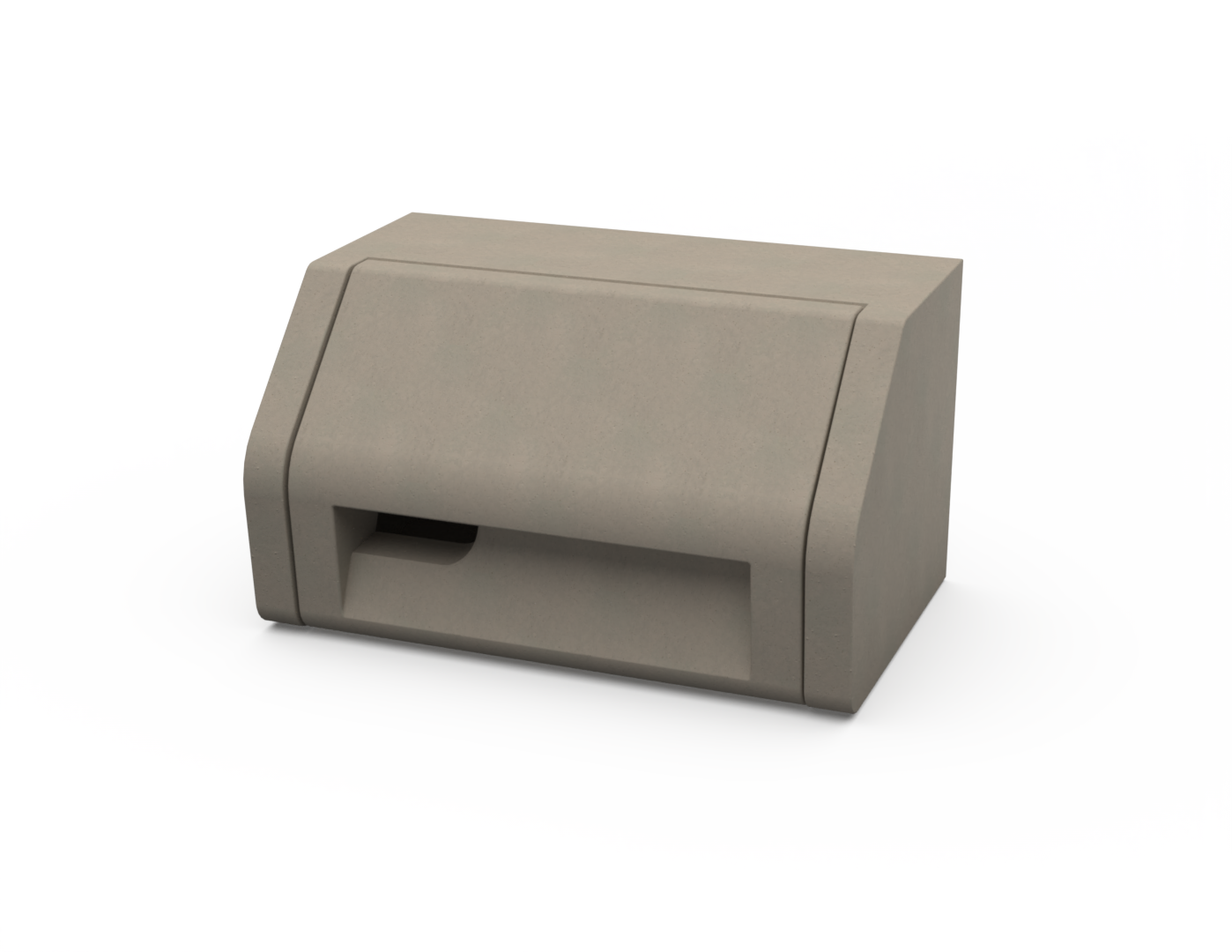
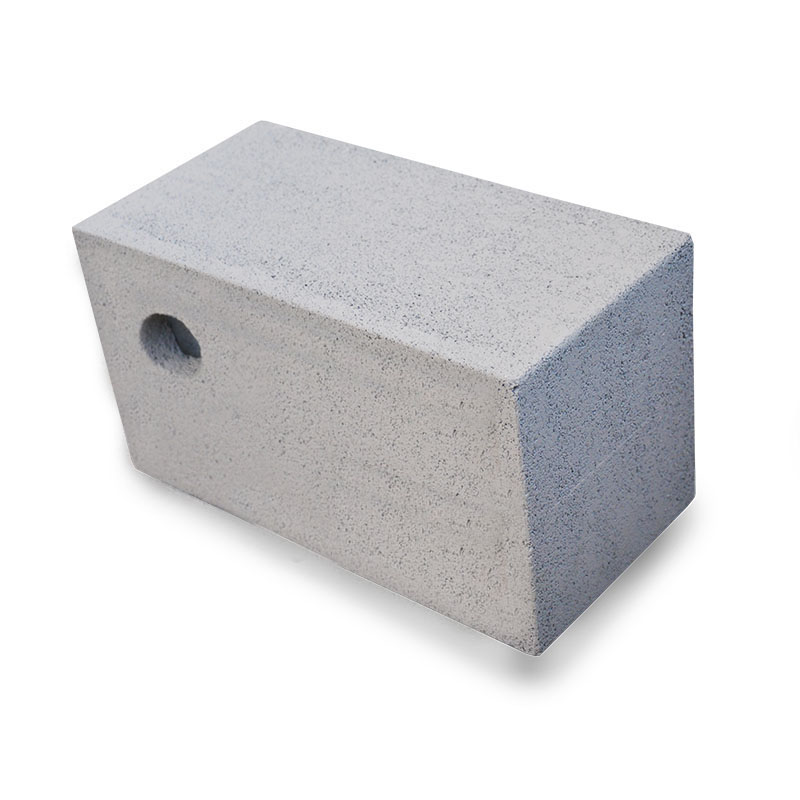
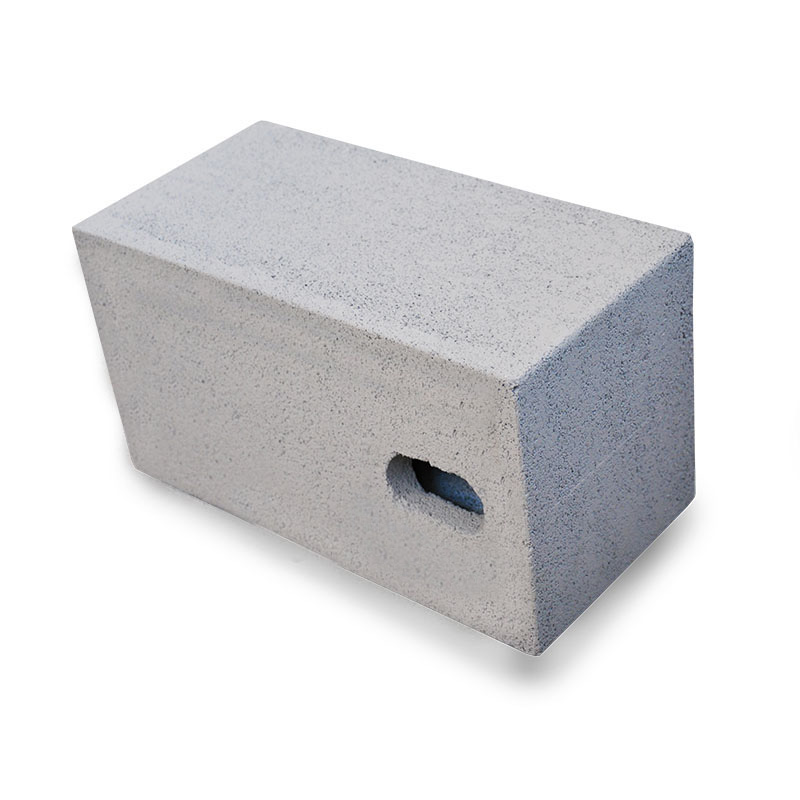
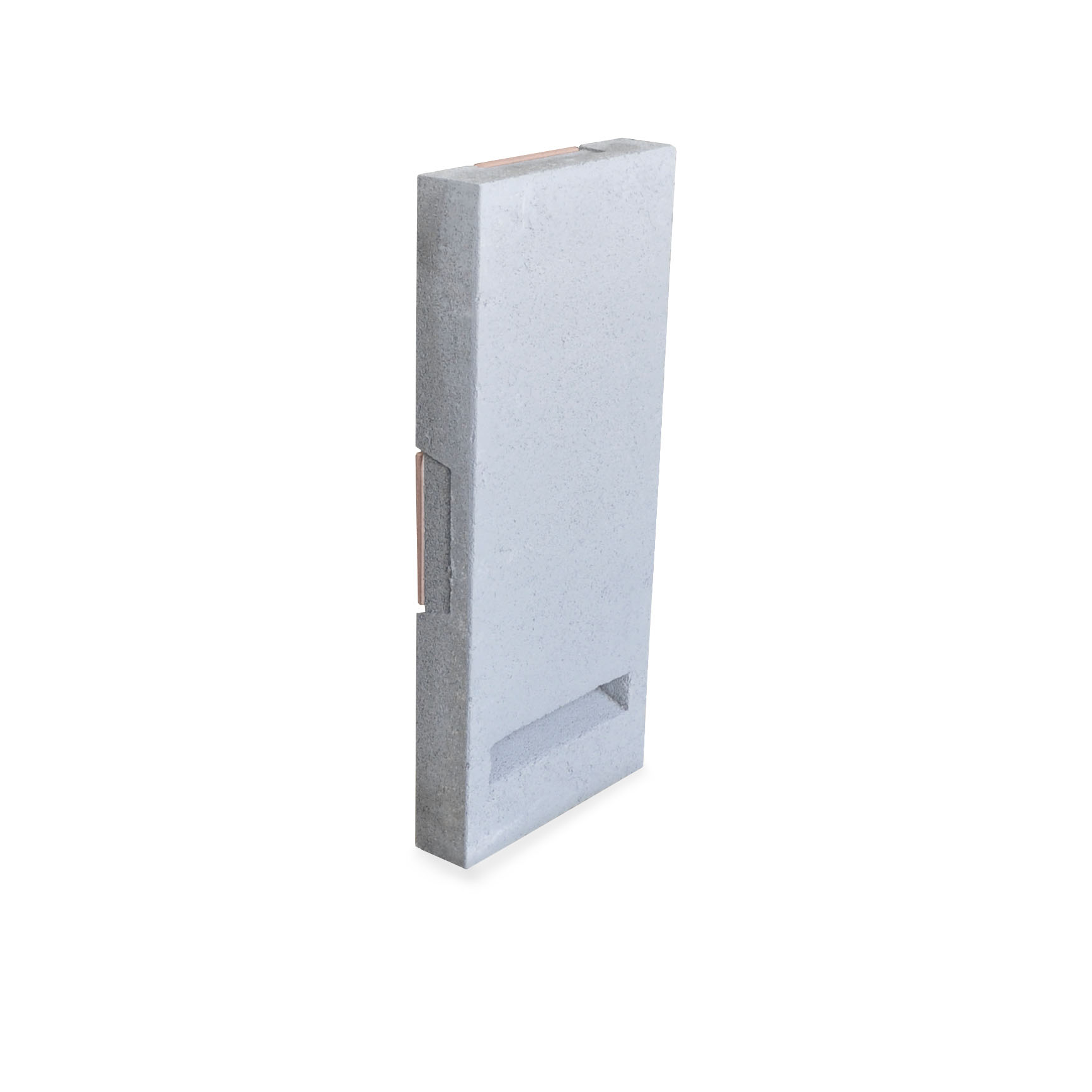
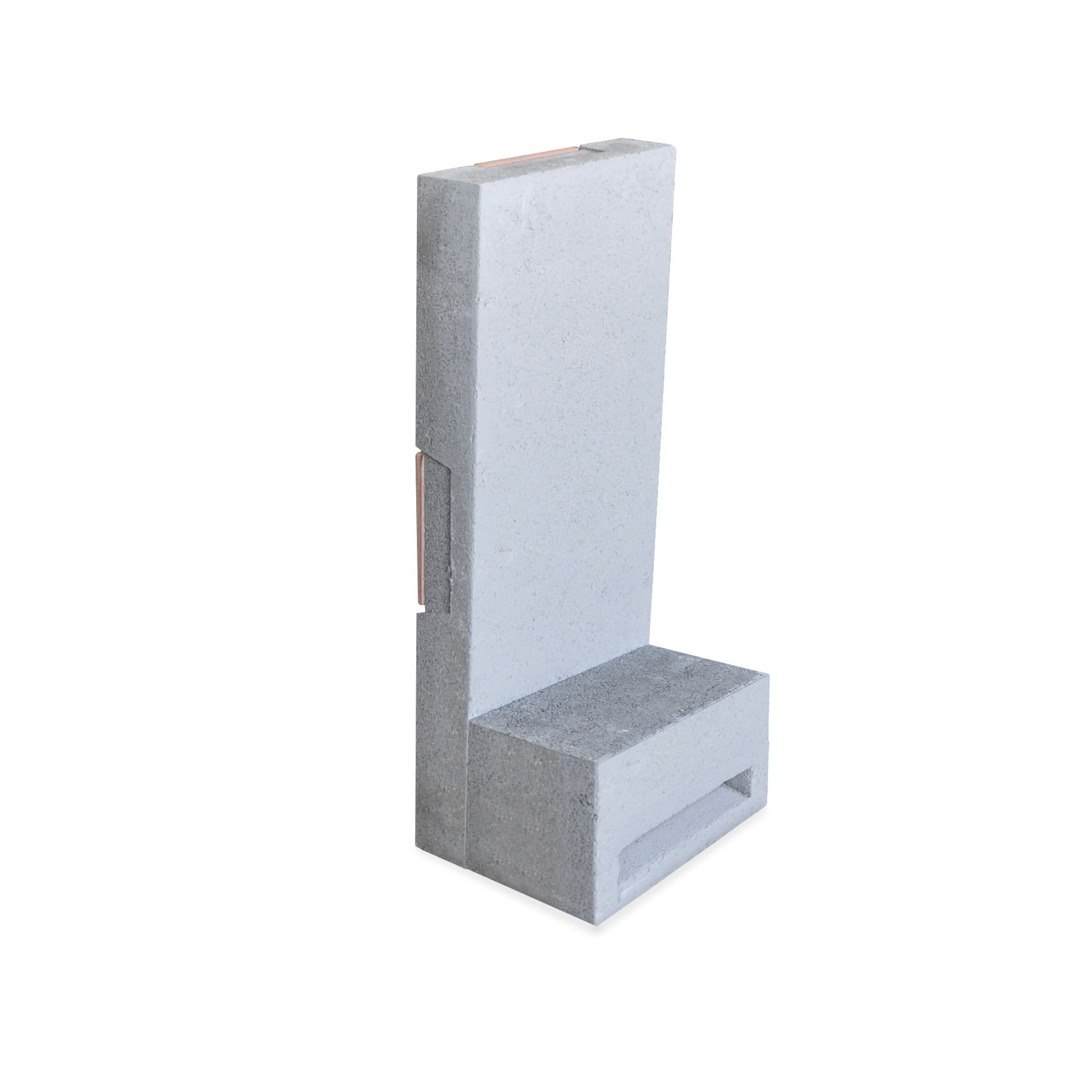
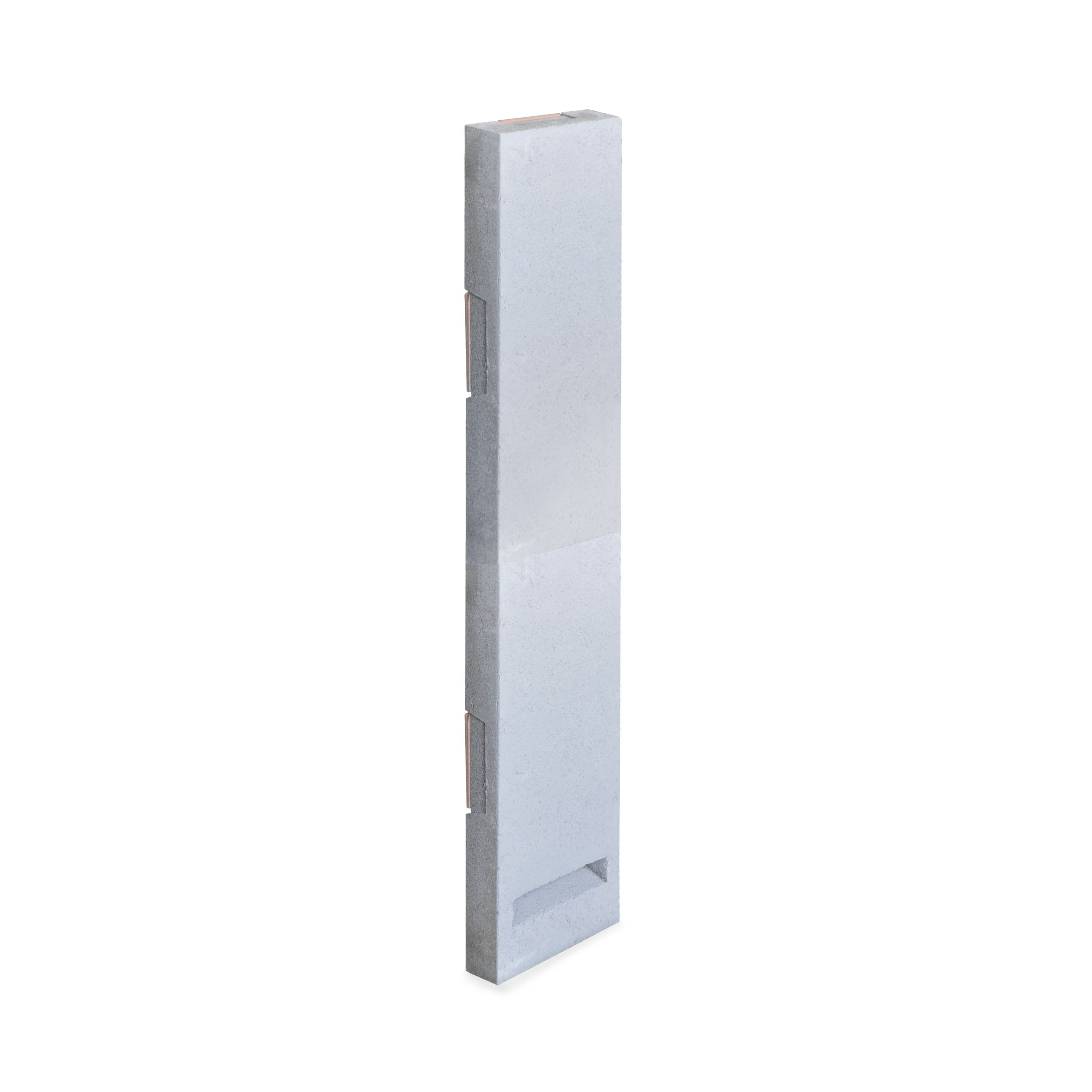
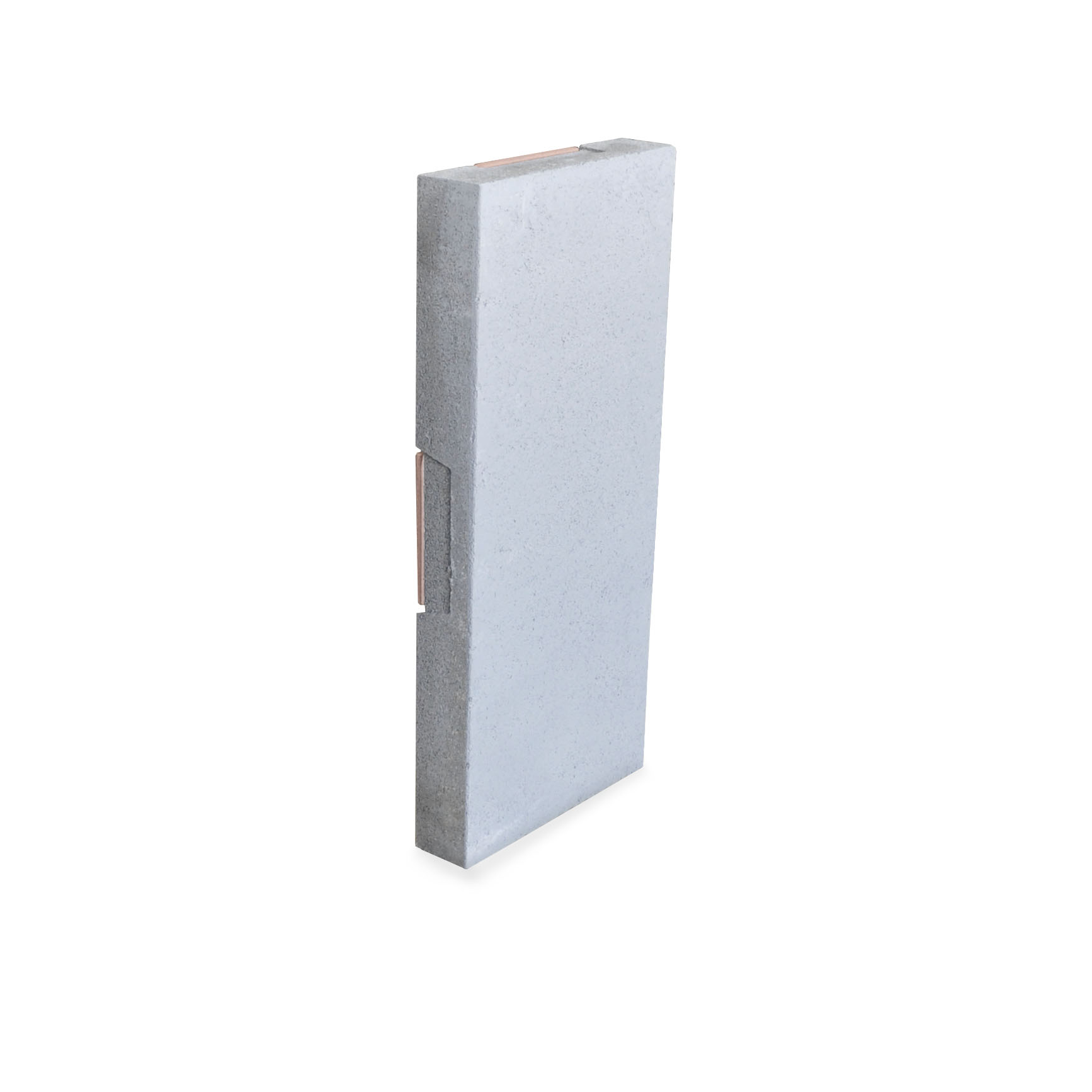
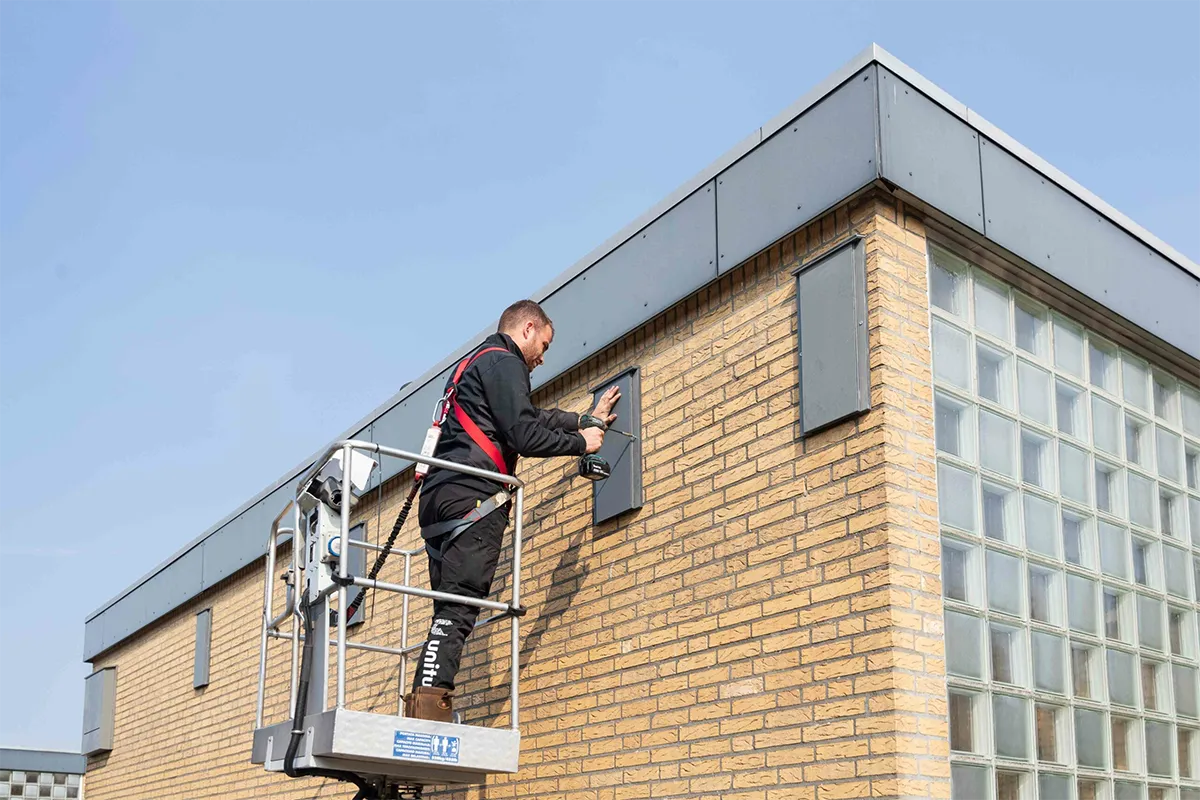
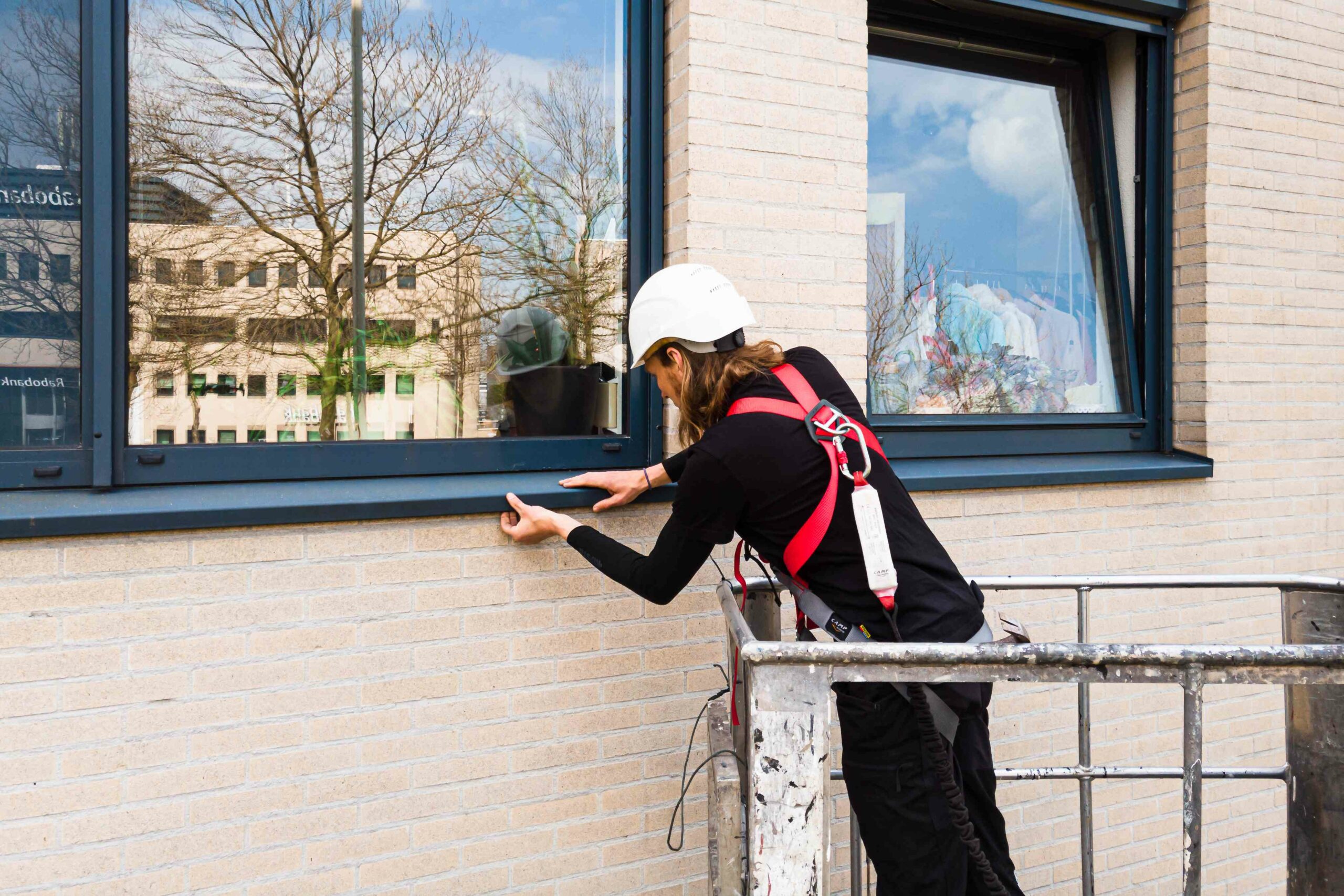
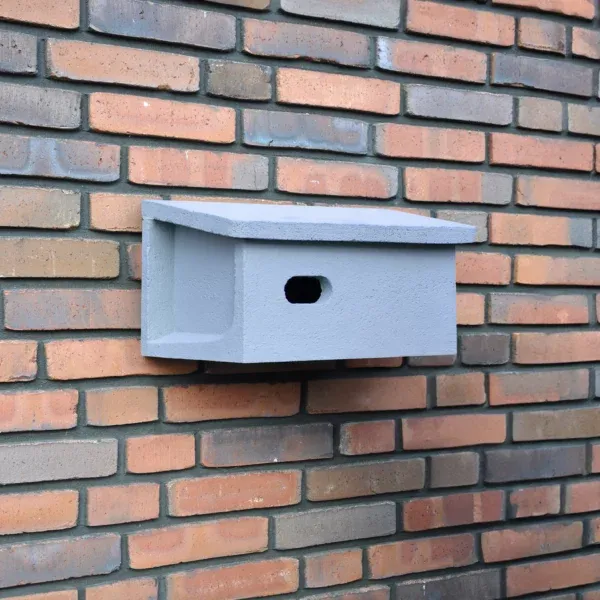
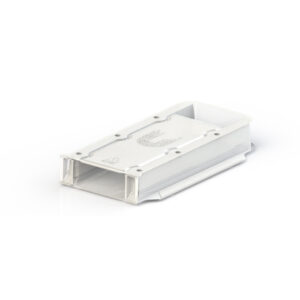
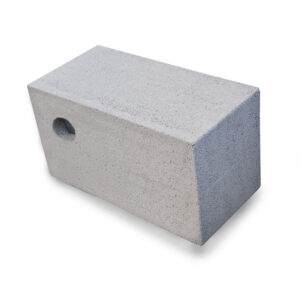
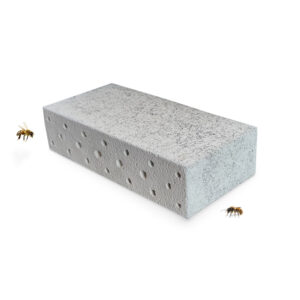
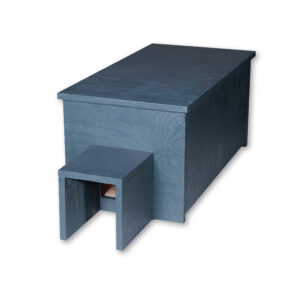
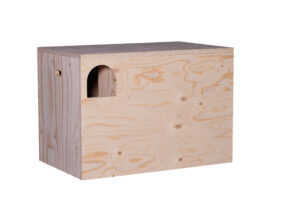
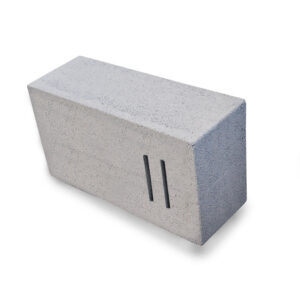
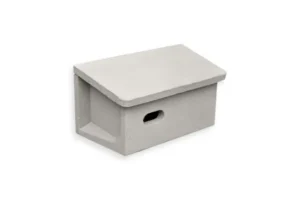
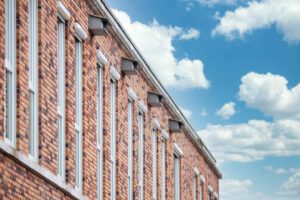
To ensure compliance with environmental legislation while maintaining long-term biodiversity value, a series of permanent wildlife features was incorporated into the refurbishment design. The replacement of the roof structure removed many of the opportunities previously available to building-dwelling species. To compensate for this loss, a range of wildlife features was integrated into the facades, including the GZP2 for swifts (Apus apus) and the VMPM series for bats. These features were installed at locations where existing flight paths were already known or had been identified through ecological surveys, helping to maintain the functional habitat network used by the target species.
The project followed a tightly controlled phased delivery programme, with the majority of the refurbishment works carried out while residents remained in their homes. This placed specific demands on the practical implementation of nature-inclusive measures. For this reason, the selected wildlife features were chosen for their compatibility with standard construction processes, low maintenance requirements and visually discreet appearance.

 >
> >
> >
> >
> >
> >
> >
> >
> >
>