 EN
▾
EN
▾
EN
▾
EN
▾
Unitura was commissioned to transform an apartment building in Hattem into a fully nature-inclusive development. The project aligns closely with the ambitions of the Green Deal Hattem initiative, through which businesses and public authorities work together towards a more sustainable region. For this particular building, we implemented a combination of green facades, green roofs and a range of integrated wildlife features. Our partner Eden Hoveniers was responsible for the professional installation of the green infrastructure.
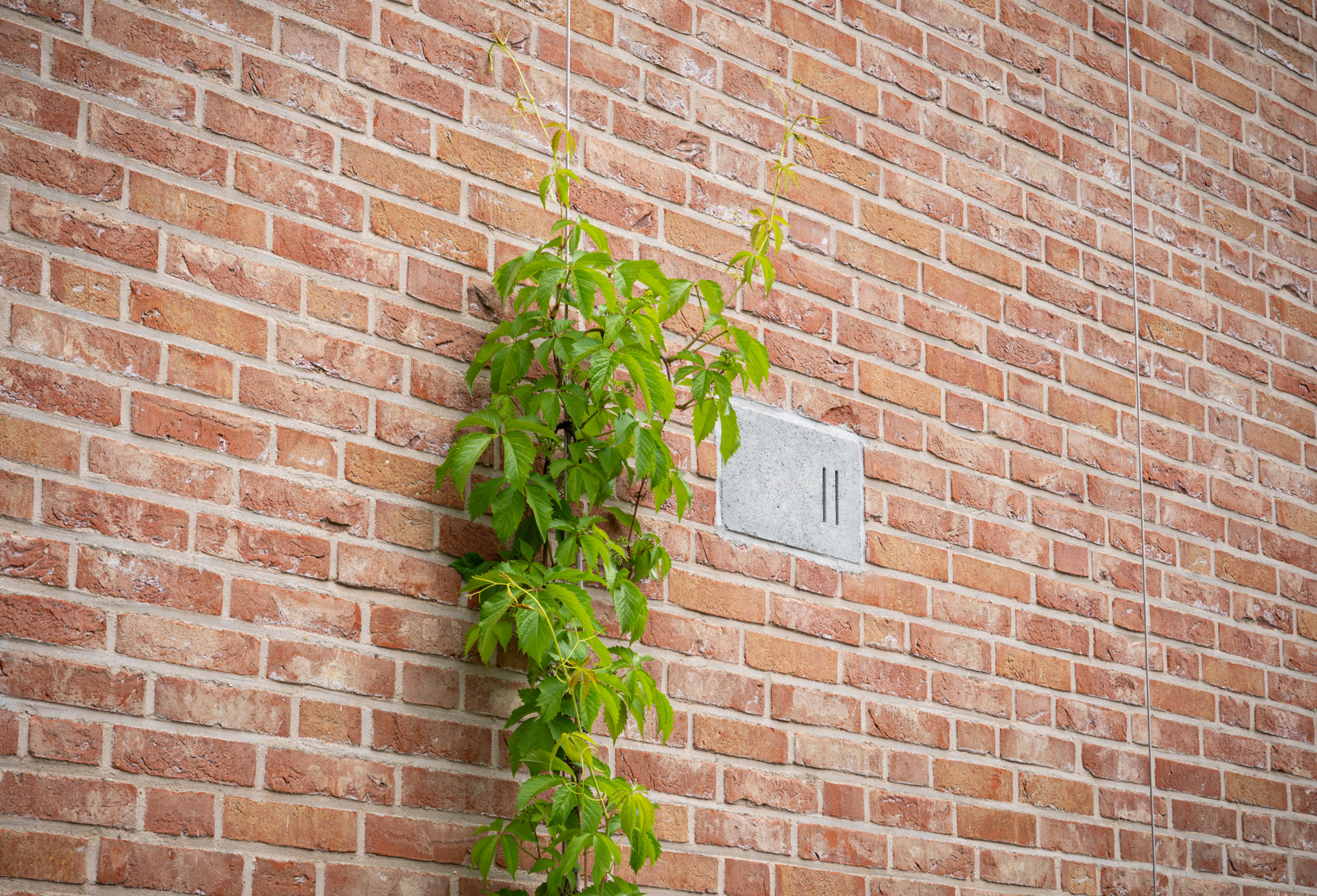
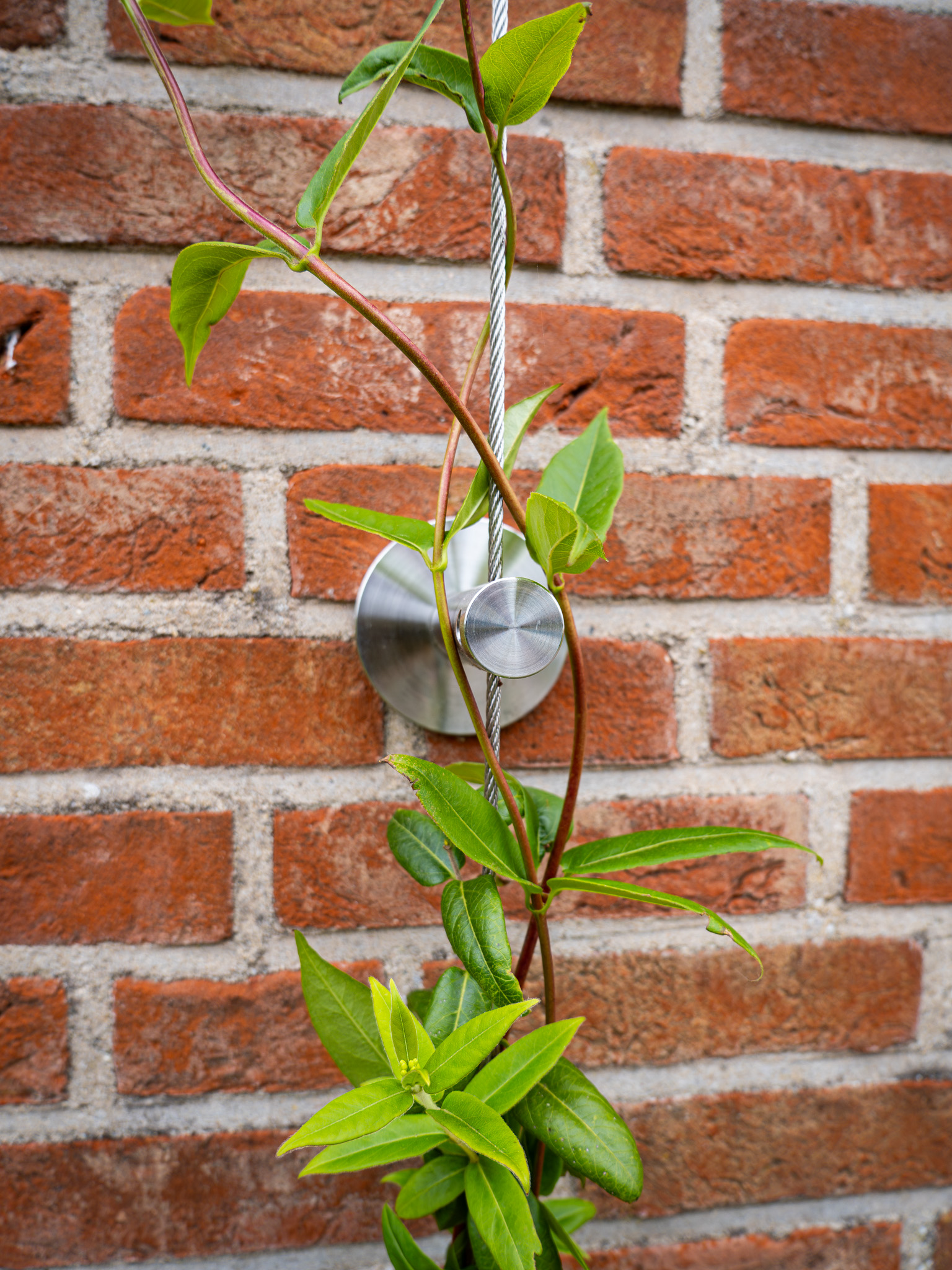
The apartment building comprises two storeys and is situated in a green setting close to a watercourse. To enhance local biodiversity, we installed the Climbers climbing-wire system on the gable-end facades. In addition, our innovative EcoRoofCassettes were incorporated into the roof design. Together, these measures transform a conventional building into a functional ecosystem. In this project, nature-inclusive retrofit means creating a permanent place for both flora and fauna within the building envelope, ensuring that biodiversity becomes an integral part of the development rather than an afterthought.
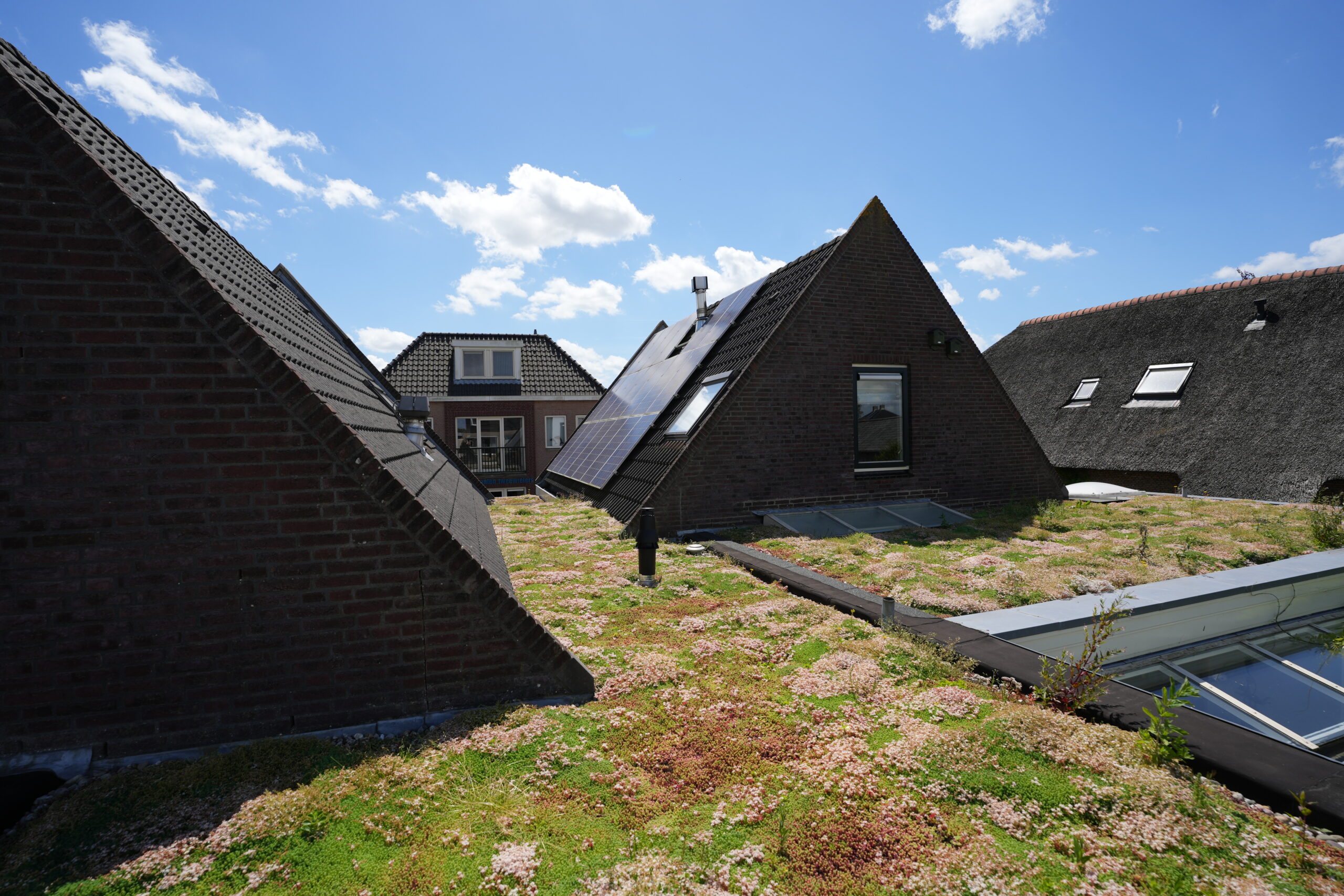
On the roof, we installed 40 m² of biodiverse green roof vegetation using our EcoRoofCassettes. This system provides an excellent foundation for native planting and the development of species-rich vegetation. In addition, we incorporated a specially selected substrate and dedicated nesting features for roof-nesting birds. Due to their elevated and relatively undisturbed location, roofs often provide safe and valuable nesting opportunities for breeding bird species.
As a result, our EcoHabitatRoof concept creates valuable habitat opportunities for species such as the Eurasian oystercatcher (Haematopus ostralegus) and the white wagtail (Motacilla alba). In addition to providing nesting opportunities, the roof offers abundant foraging habitat, supporting birds throughout the breeding season and contributing to a more functional urban ecosystem.
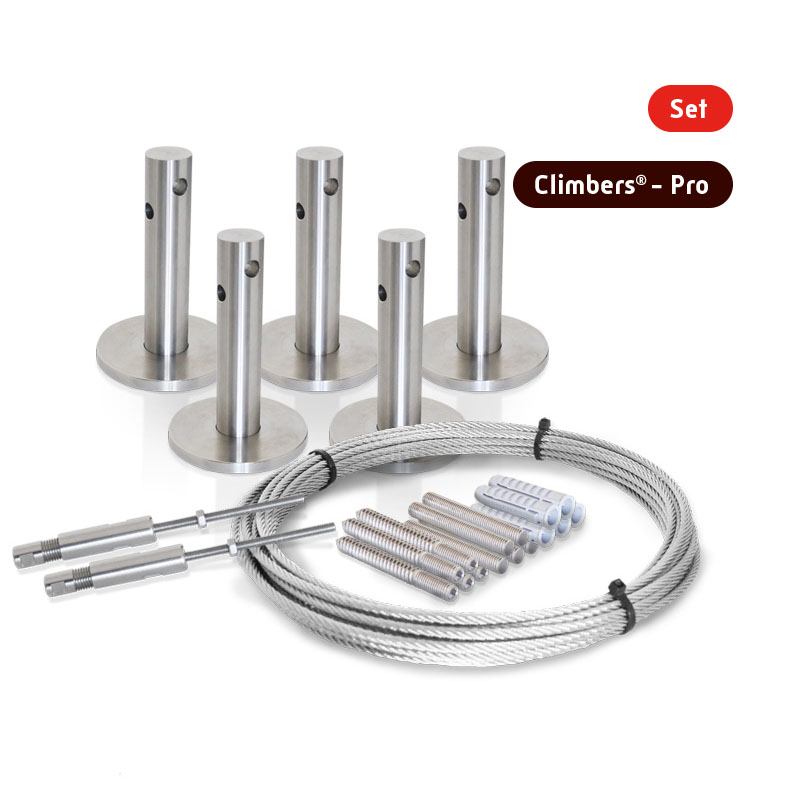
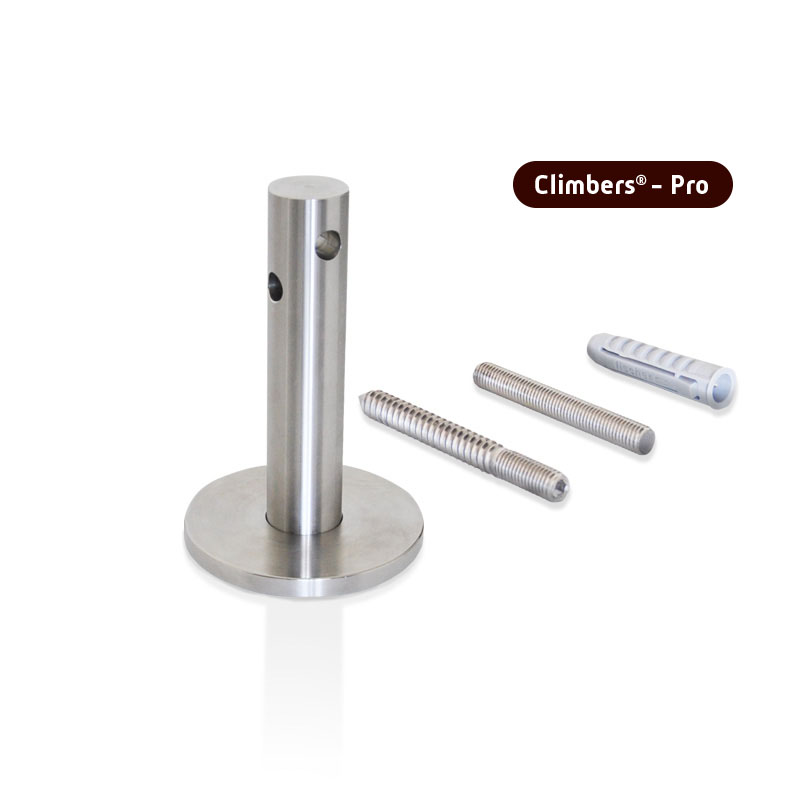
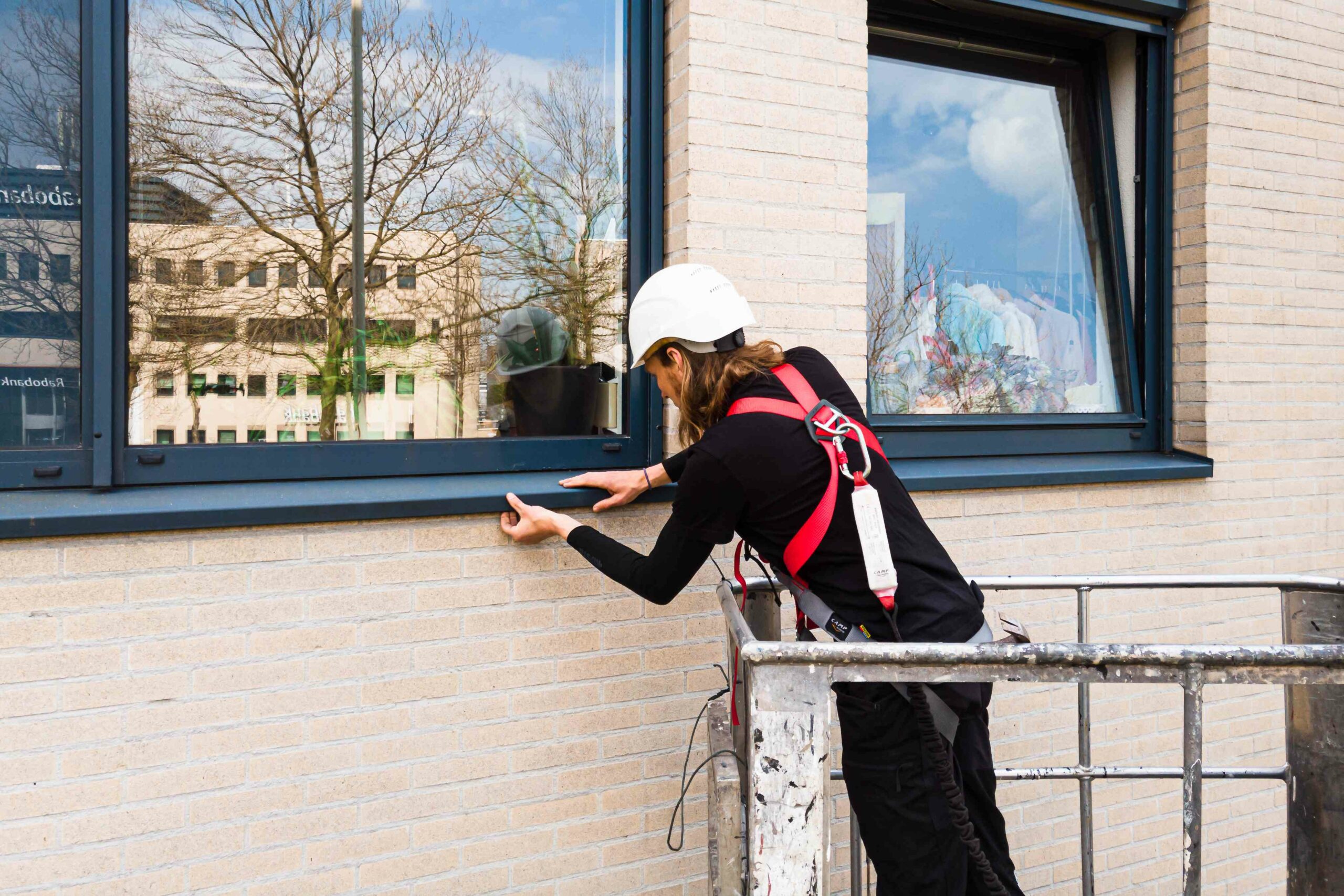
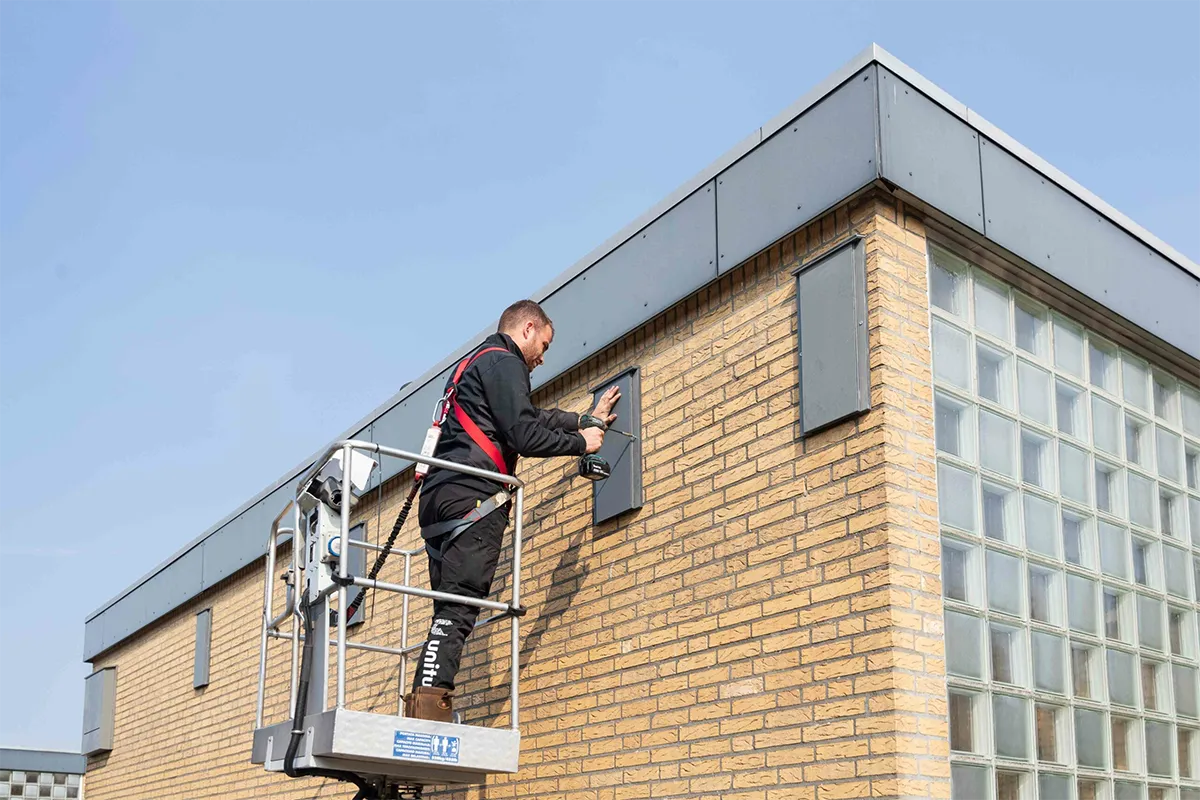
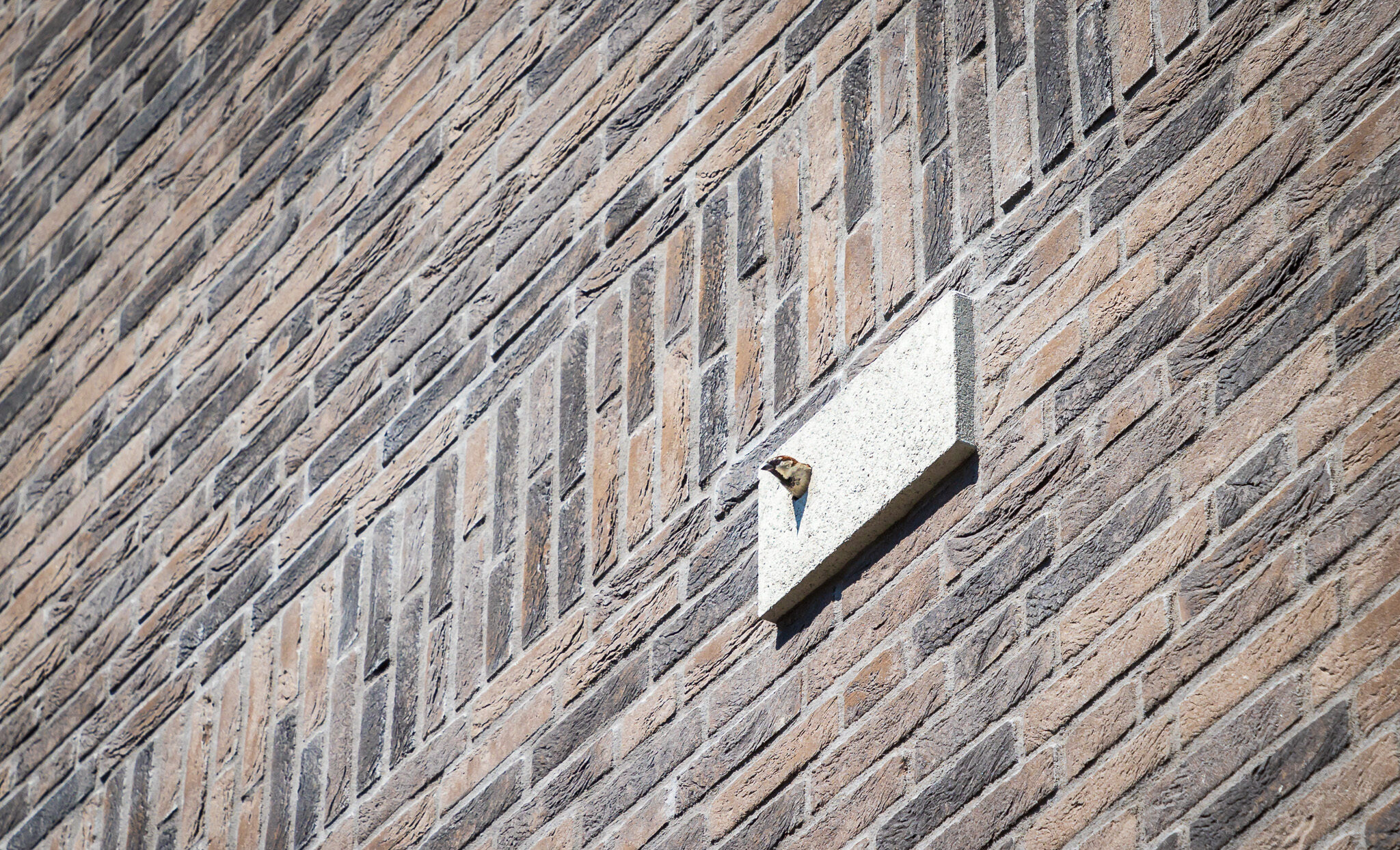
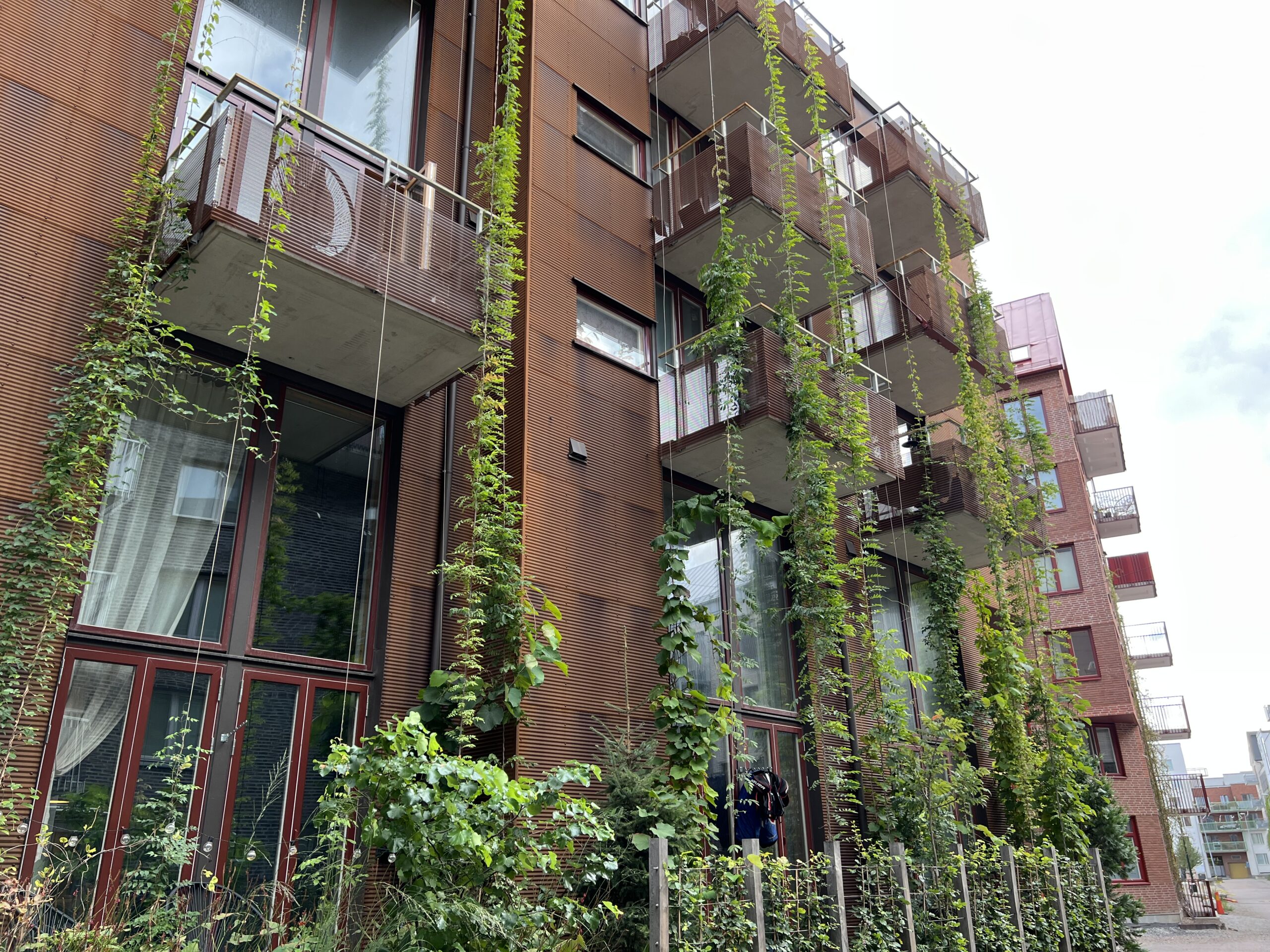
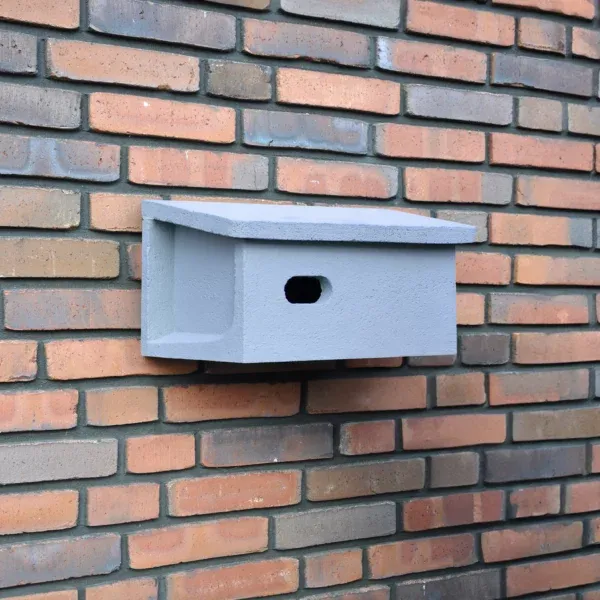
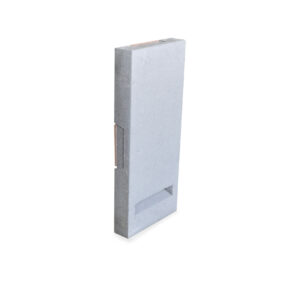
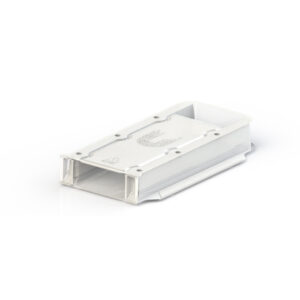
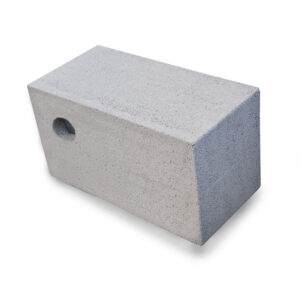
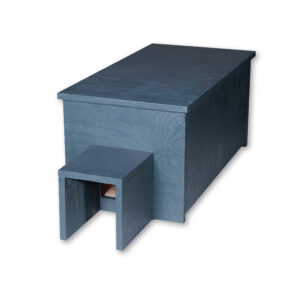
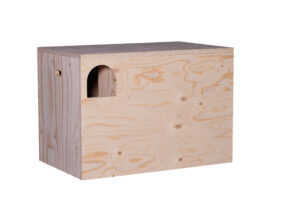
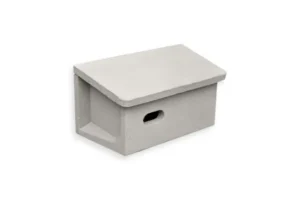
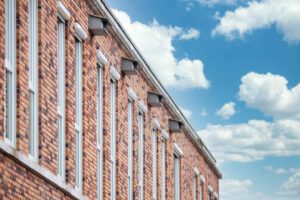
The facades at Hof van Blom also received an ecological upgrade. We installed twelve Climbers Pro climbing-wire systems, each nine metres high. These systems support the growth of climbing plants that help absorb sound and cool the facade. In addition, we integrated nine integrated nest boxes for swifts (Apus apus), house sparrows (Passer domesticus) and bats.
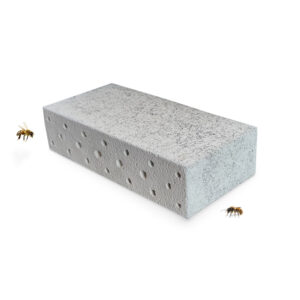
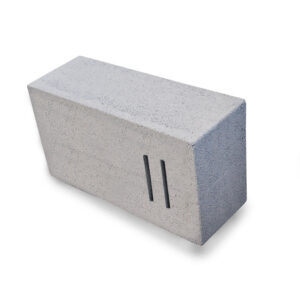
We also incorporated bee and butterfly bricks into the facade. These features provide essential nesting opportunities for solitary bees and other beneficial insects. By combining multiple habitat features within a relatively small area, a rich and diverse habitat is created. The project demonstrates that nature-inclusive retrofit in Hattem goes beyond improving energy performance alone; it is about restoring ecological balance and creating lasting opportunities for biodiversity within the built environment.
The benefits of this project are directly noticeable for residents. Firstly, the green facades and green roofs help reduce noise levels by absorbing and diffusing environmental sound, contributing to a quieter and more pleasant living environment. Secondly, the green infrastructure provides natural cooling during periods of hot weather, helping to improve comfort around the building. Finally, the project contributes to carbon sequestration and can enhance the long-term value of the property. Together, these benefits demonstrate how nature-inclusive retrofit can improve both biodiversity and quality of life.

 >
> >
> >
> >
> >
> >
> >
> >
> >
>