

 >
> >
> >
> >
> >
> >
> >
> >
> >
>
What is nature-inclusive building?
Nature inclusive building is a relatively recent approach to urban planning and architecture that focuses on creating buildings and infrastructure that work in harmony with the natural environment. It has emerged in response to growing concerns about the impact of the built environment on biodiversity and ecosystem health.
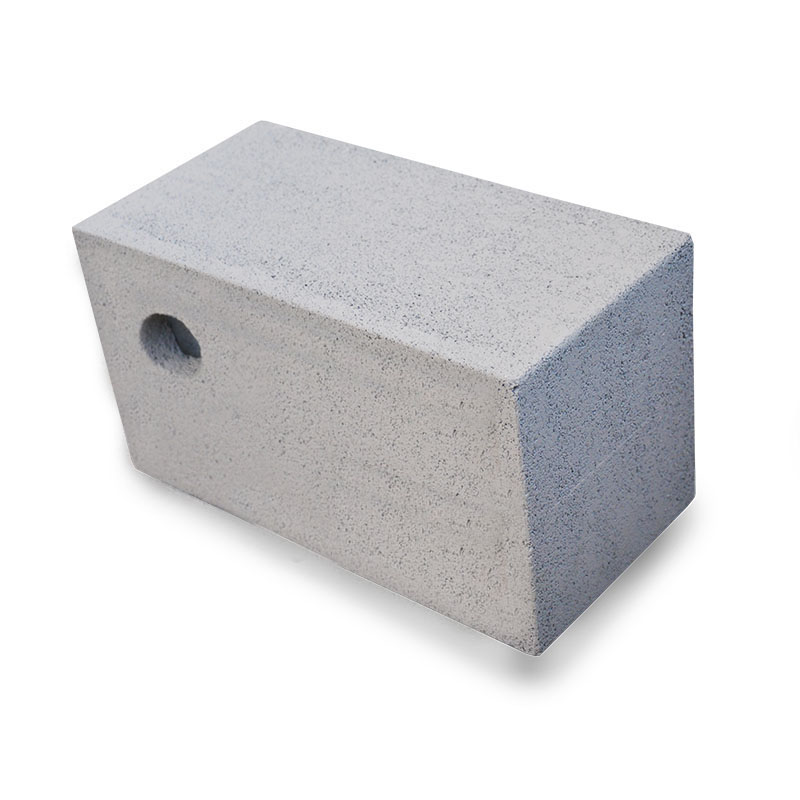
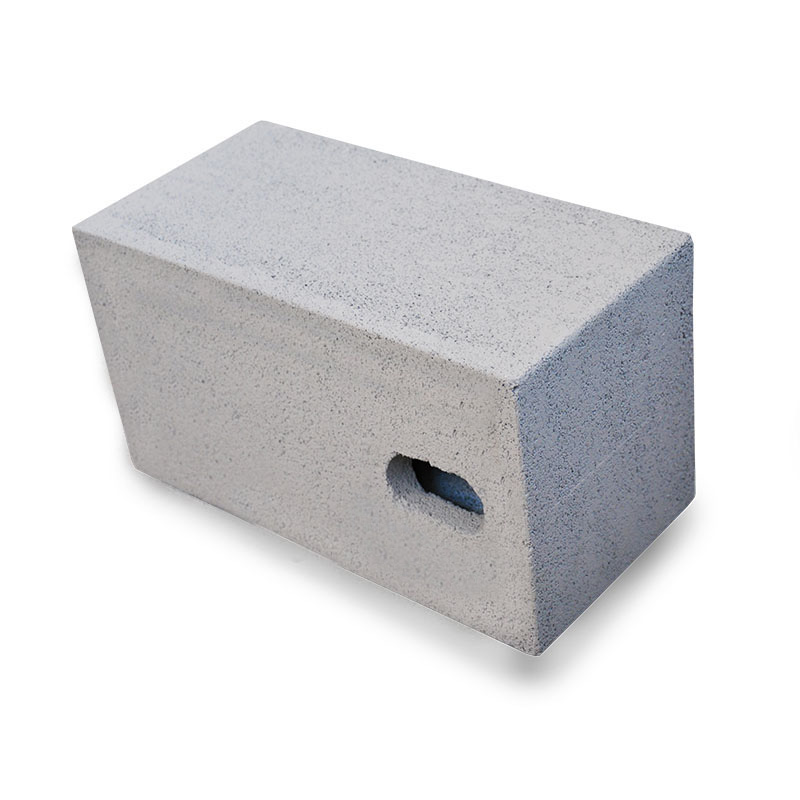
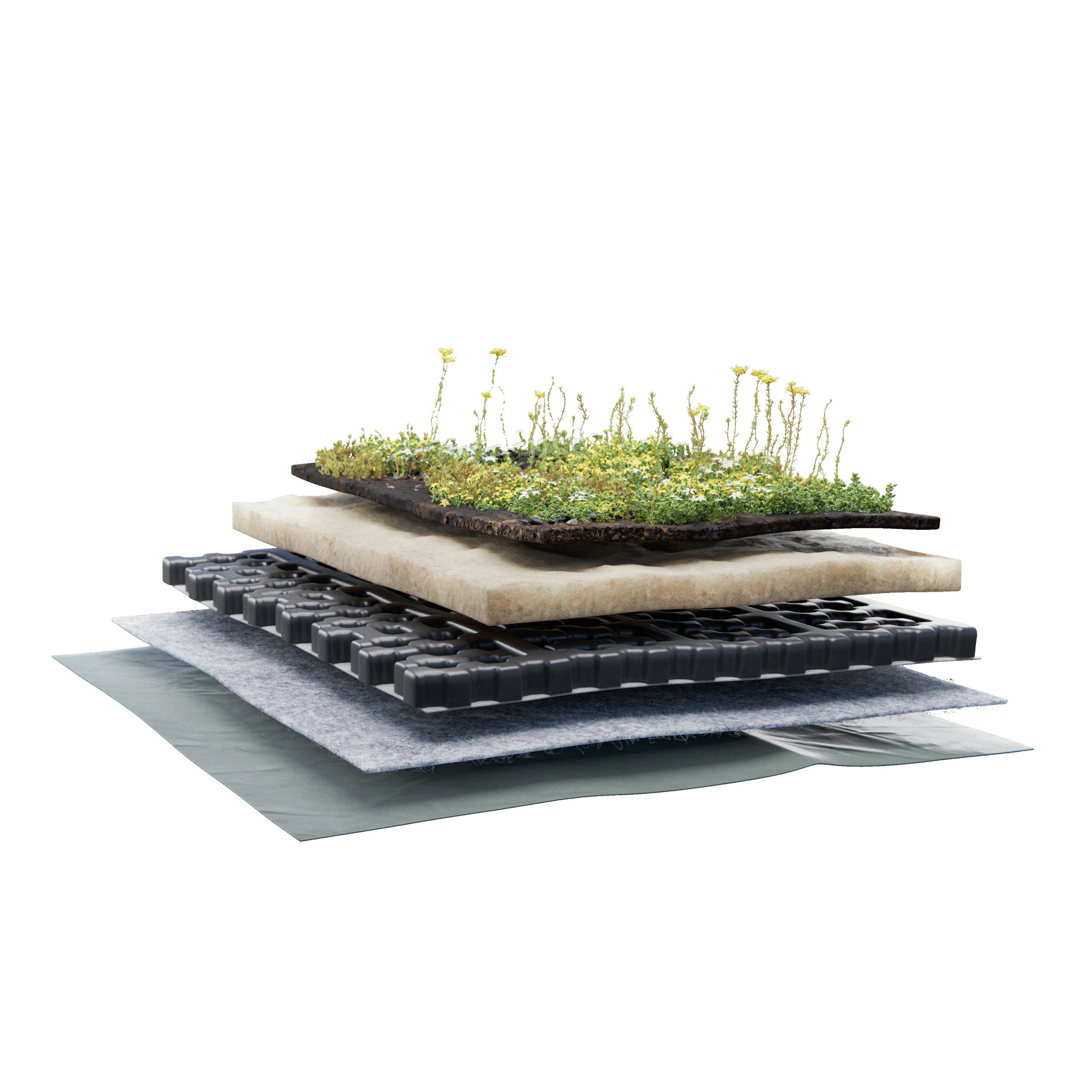
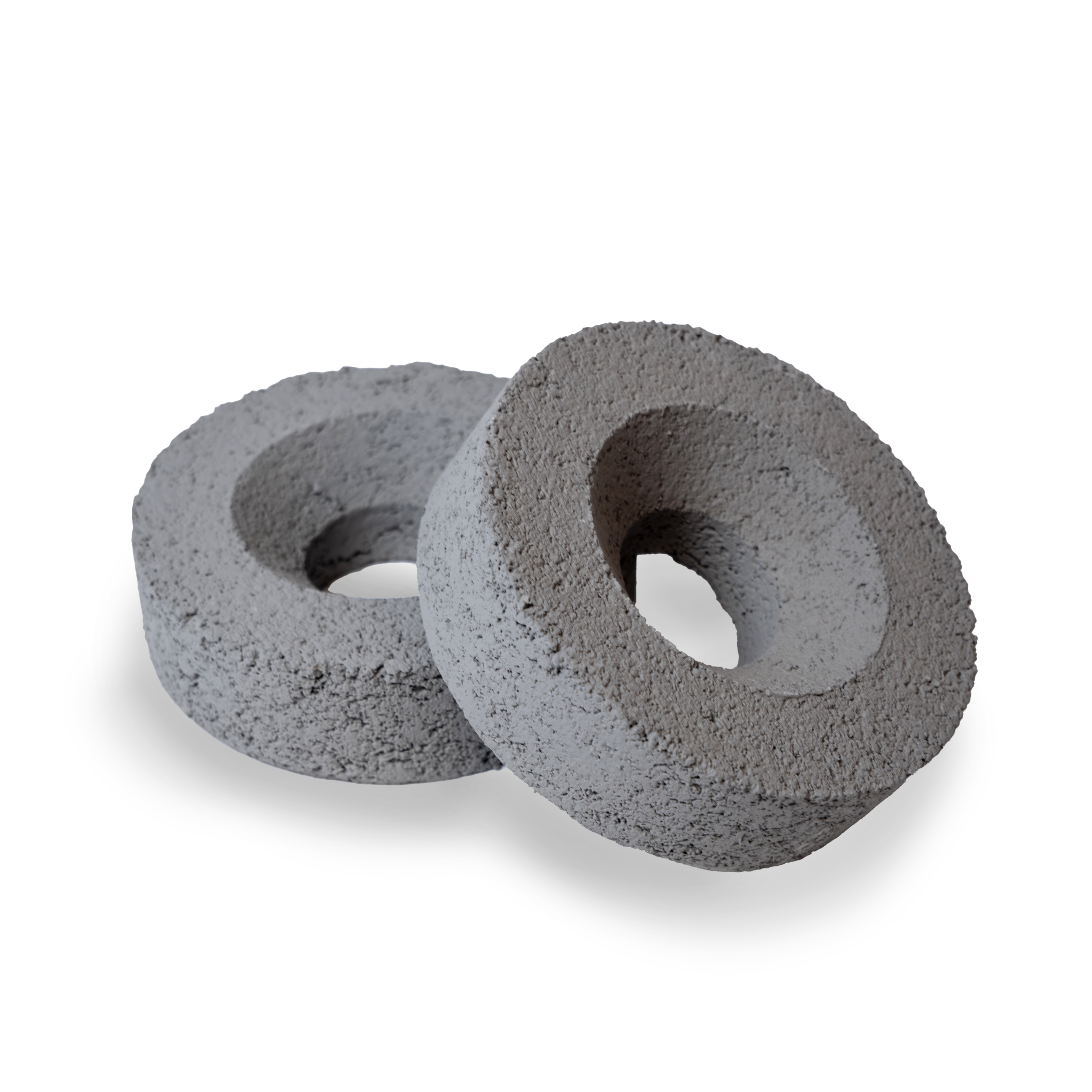
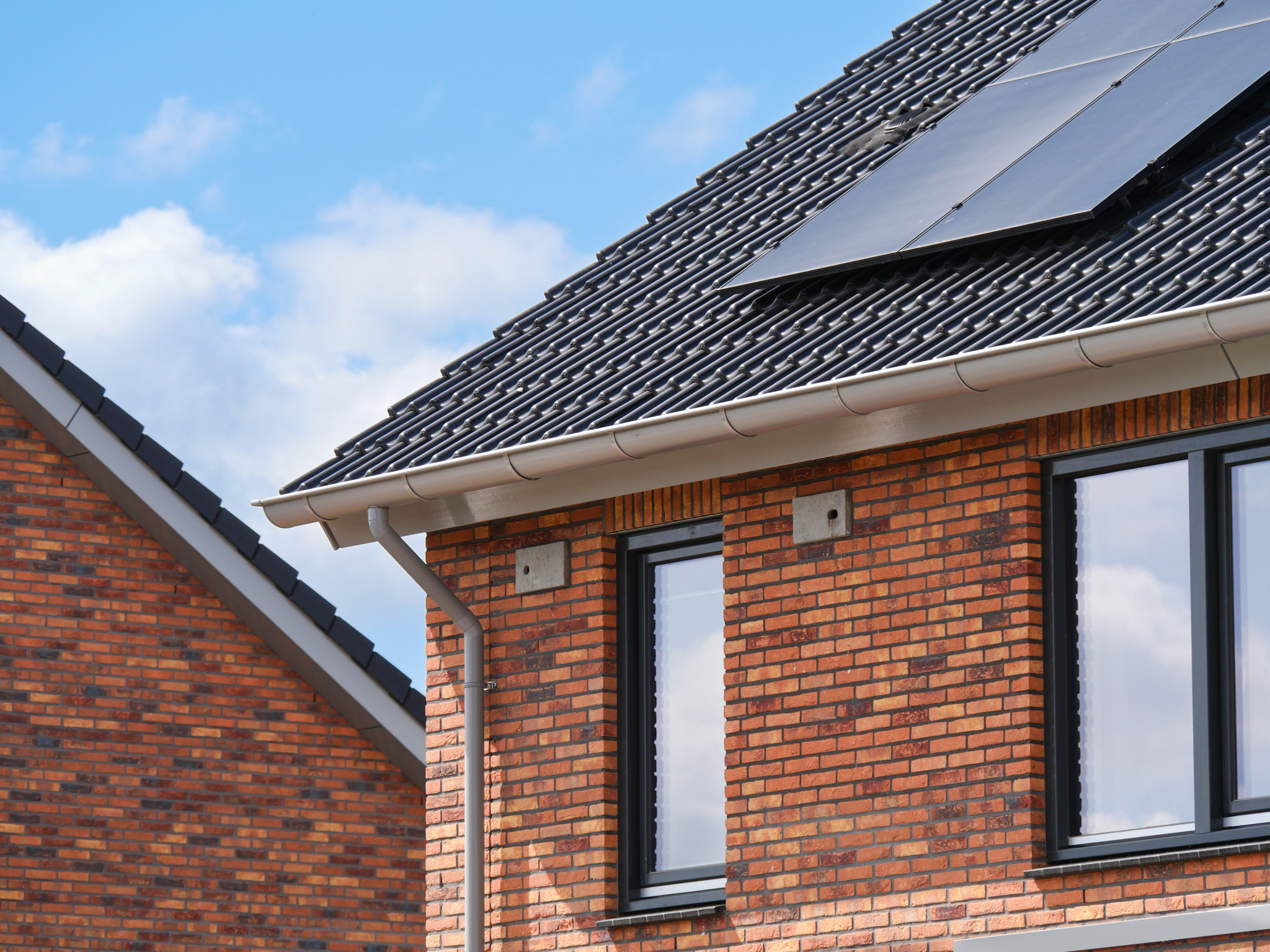
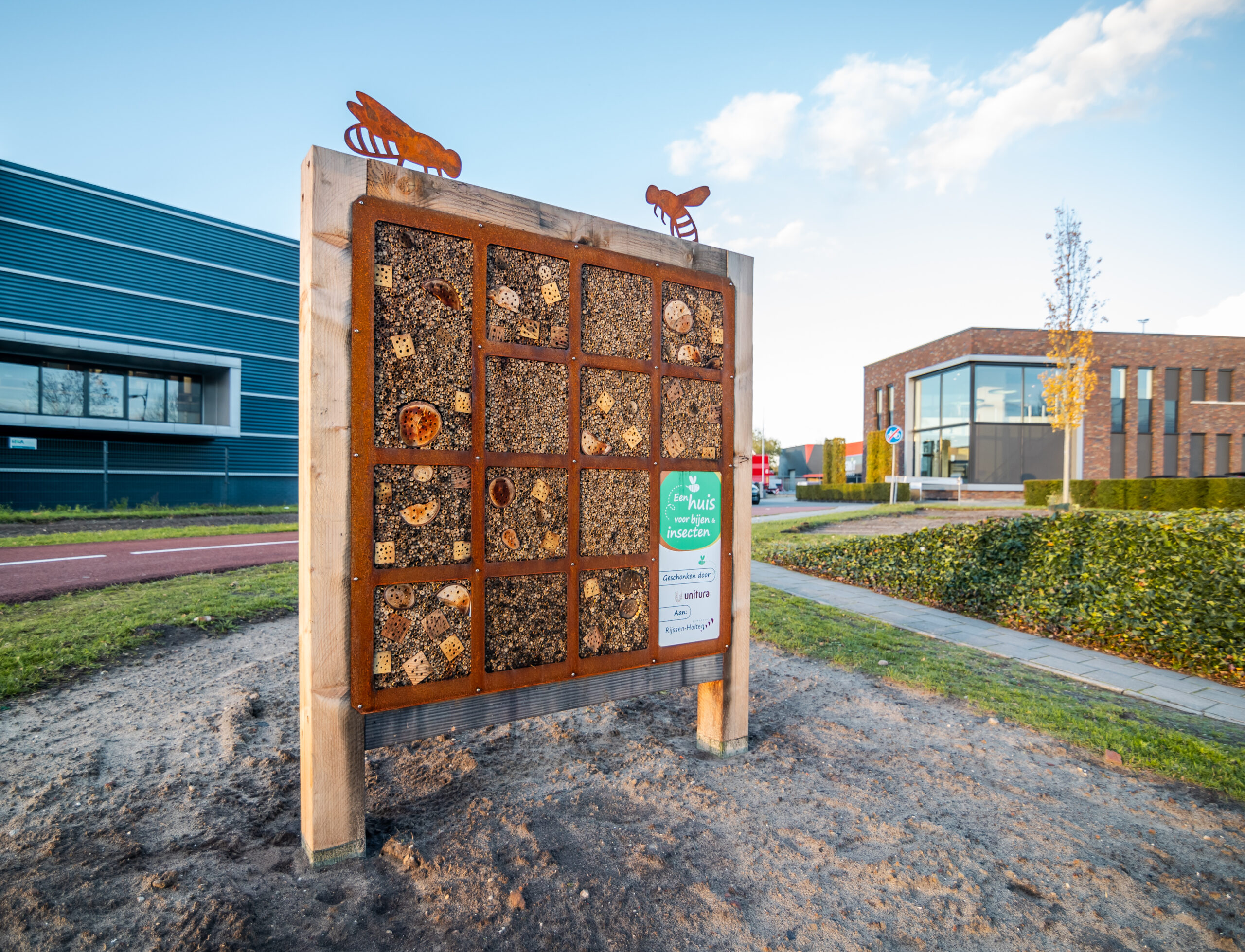
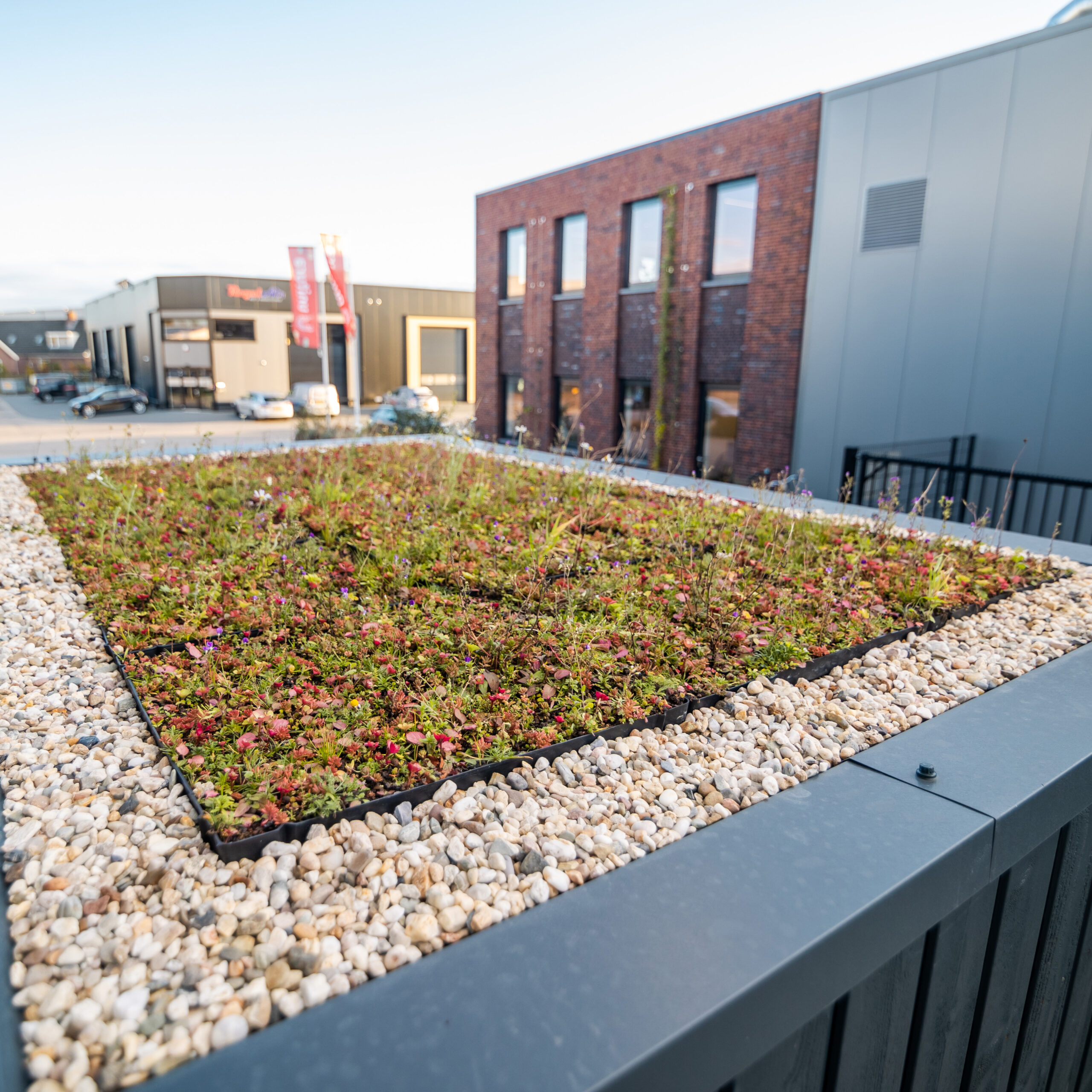
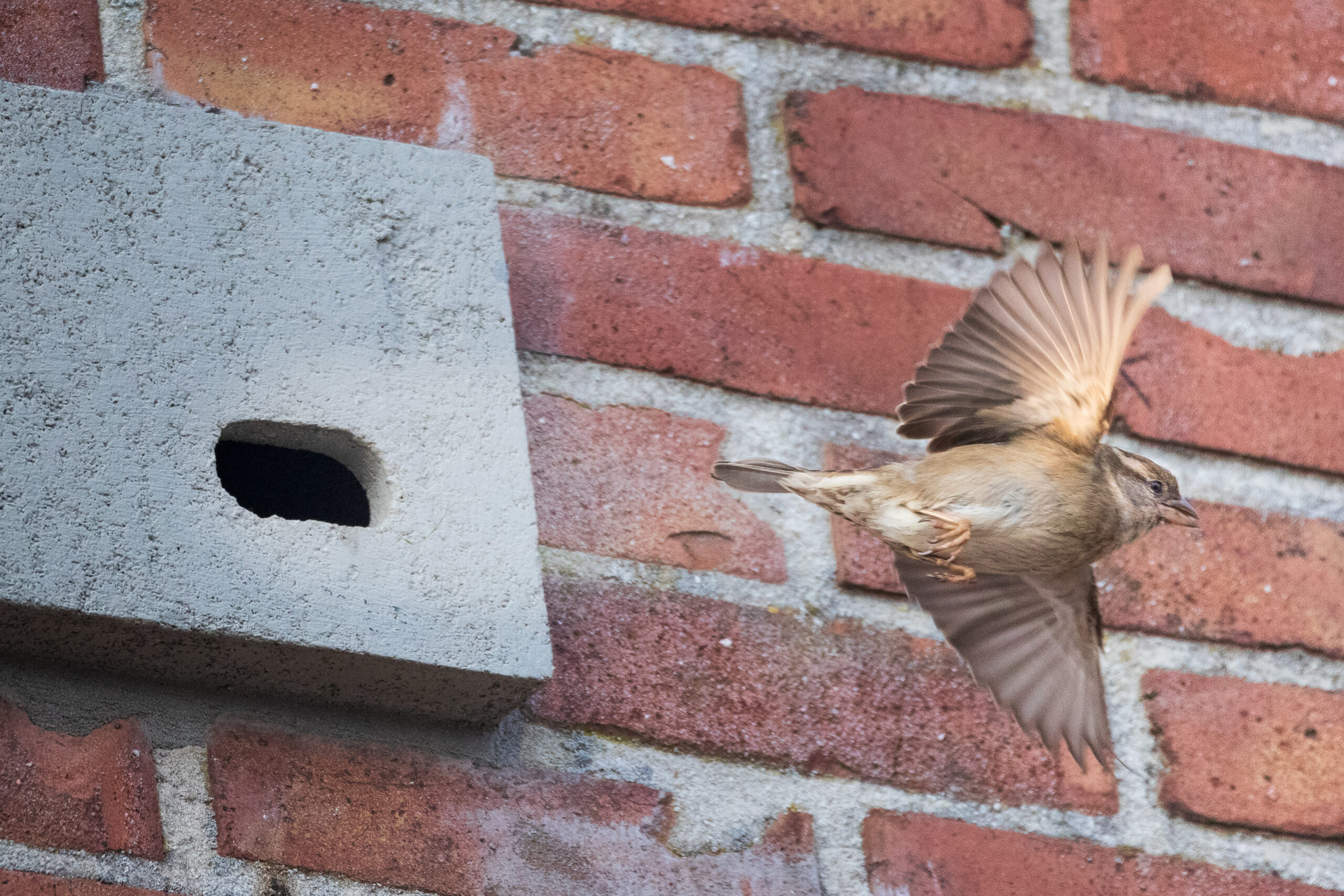
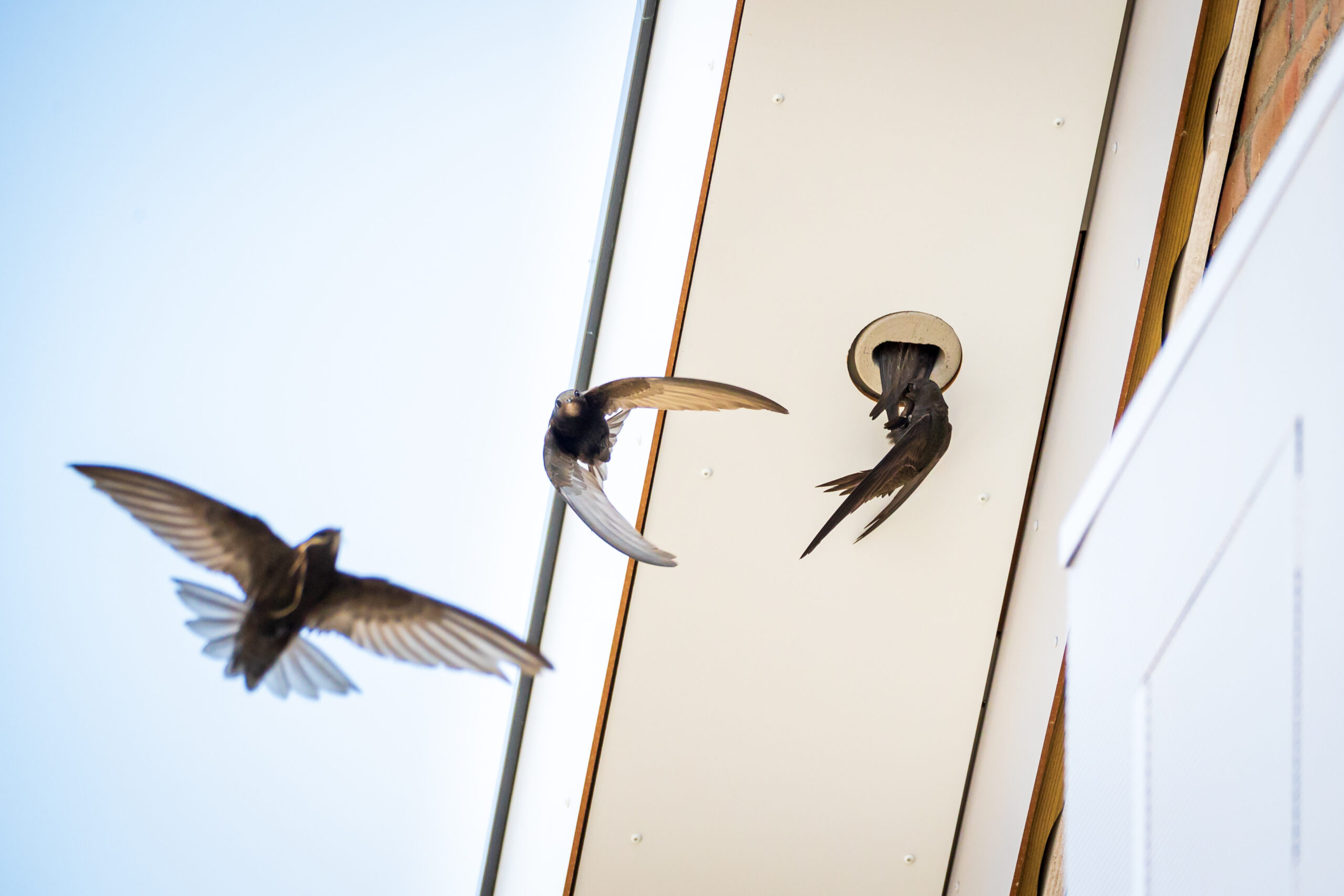
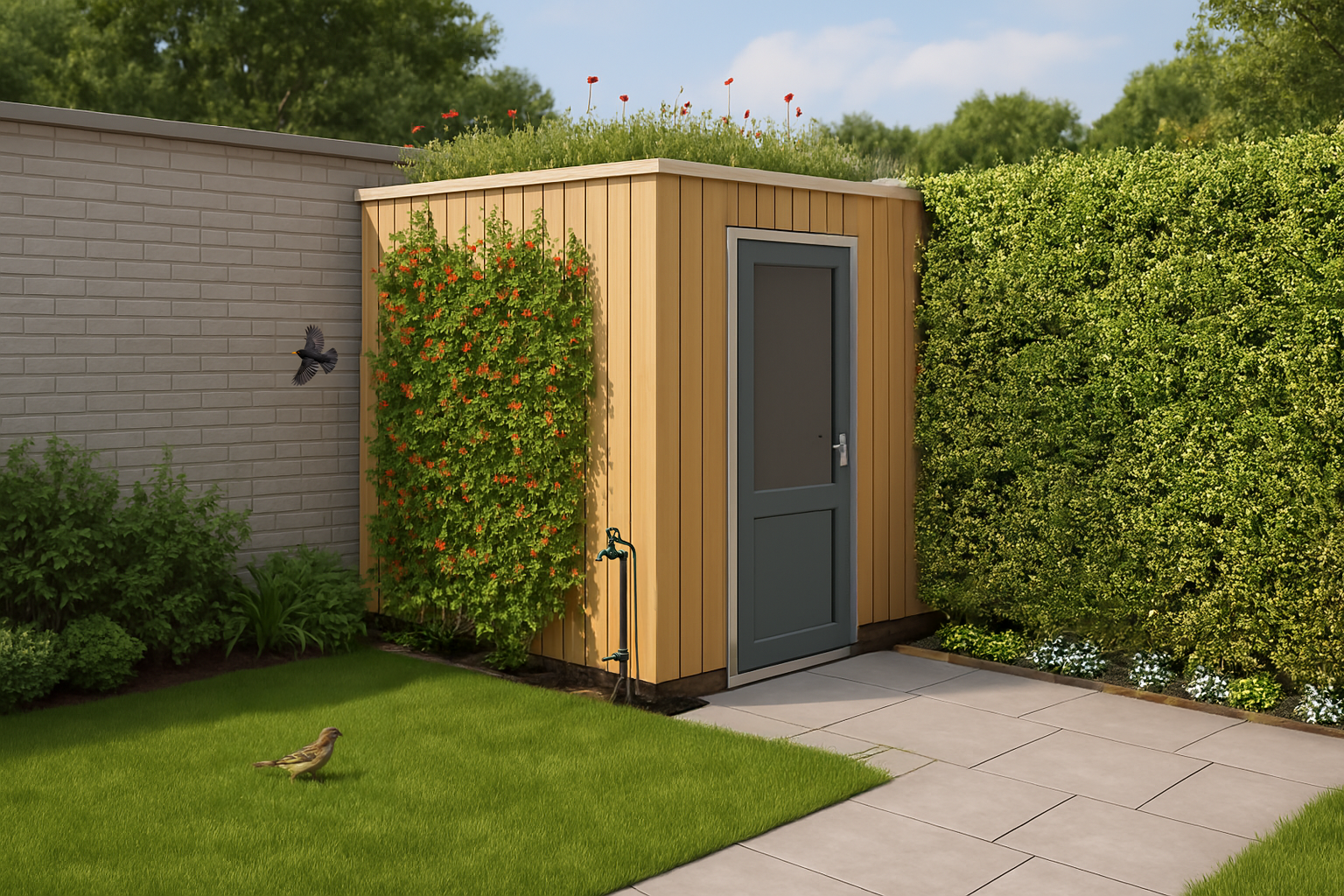
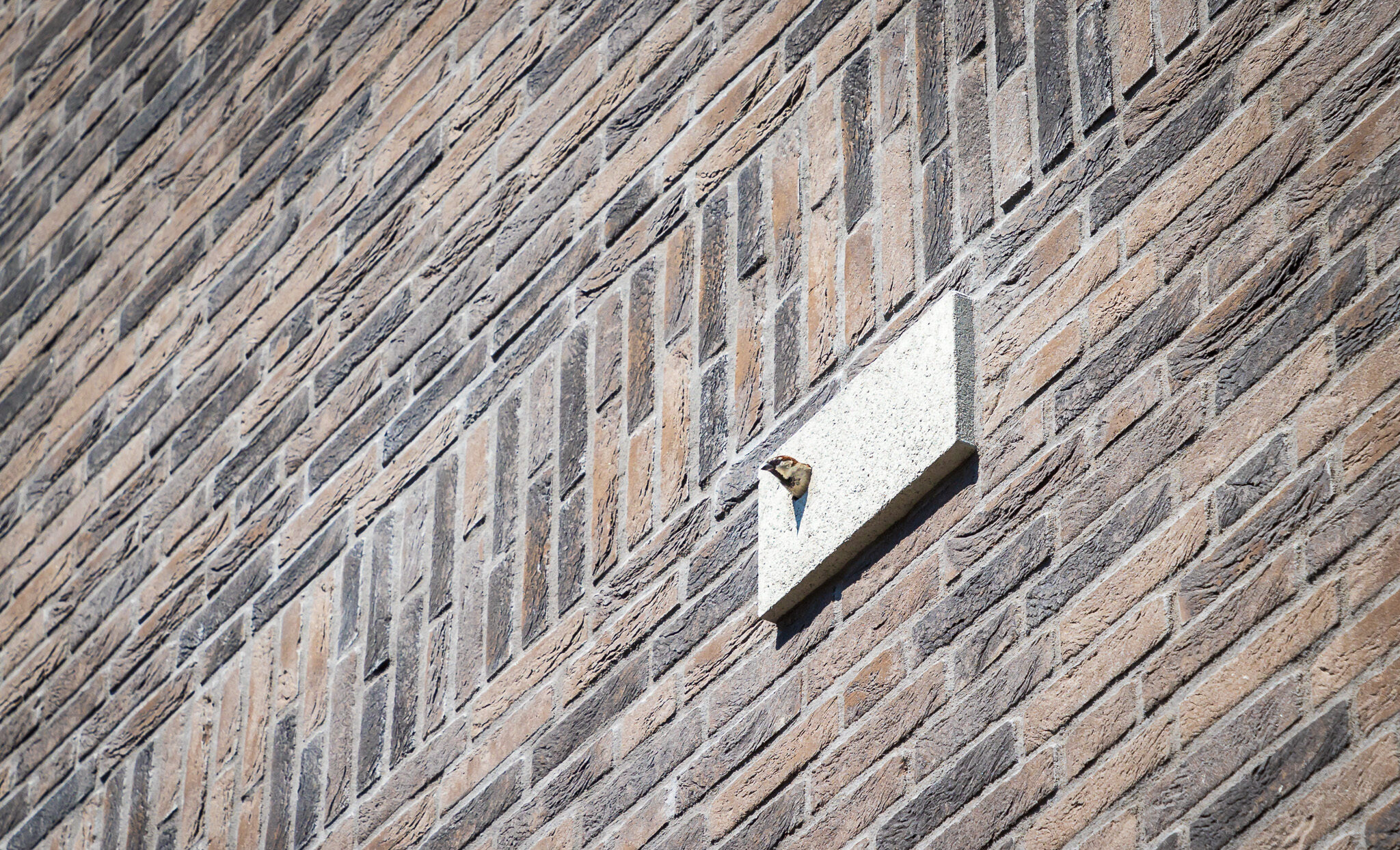
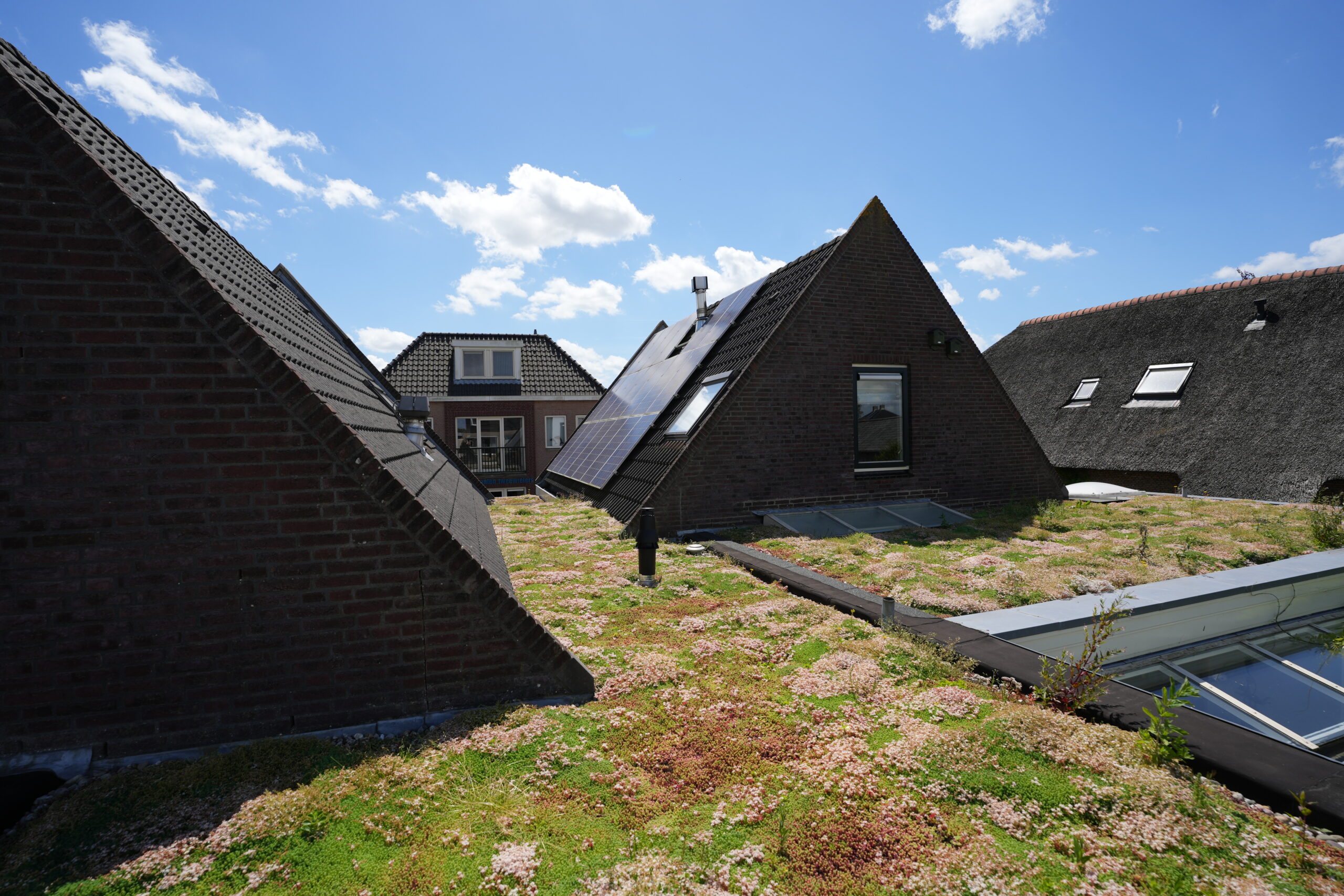
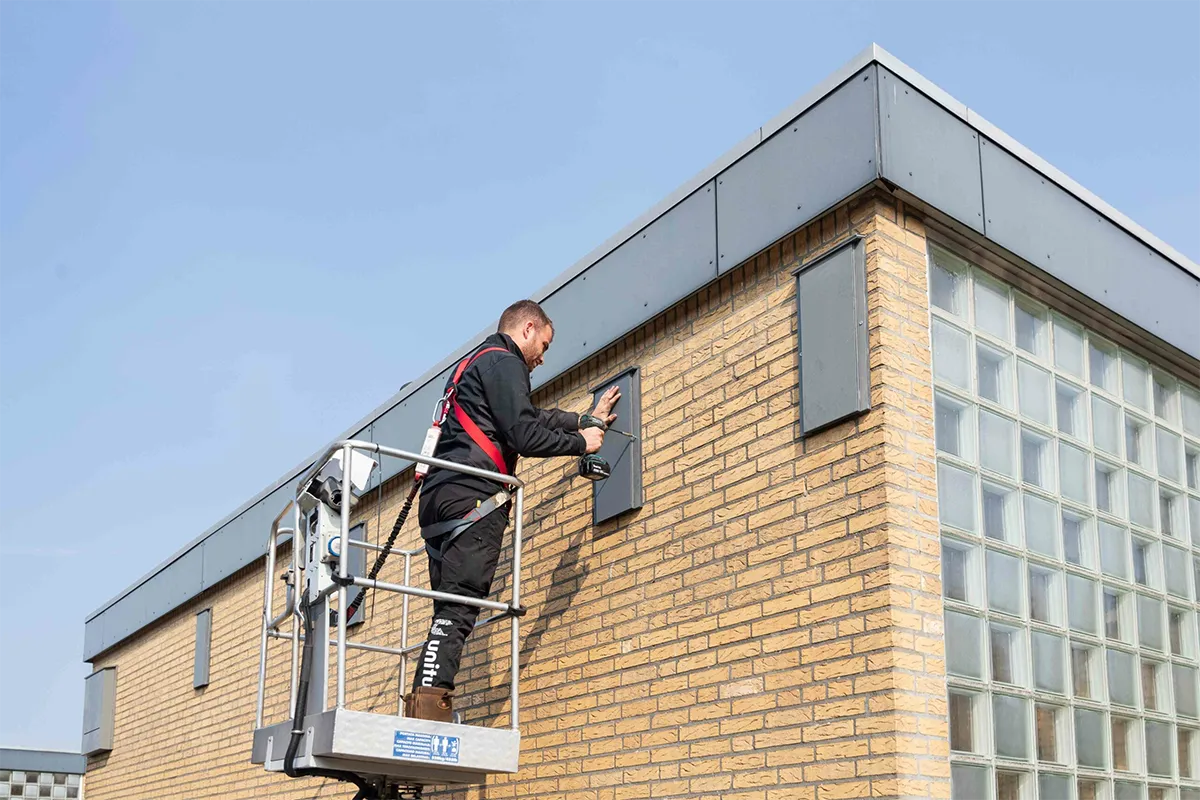
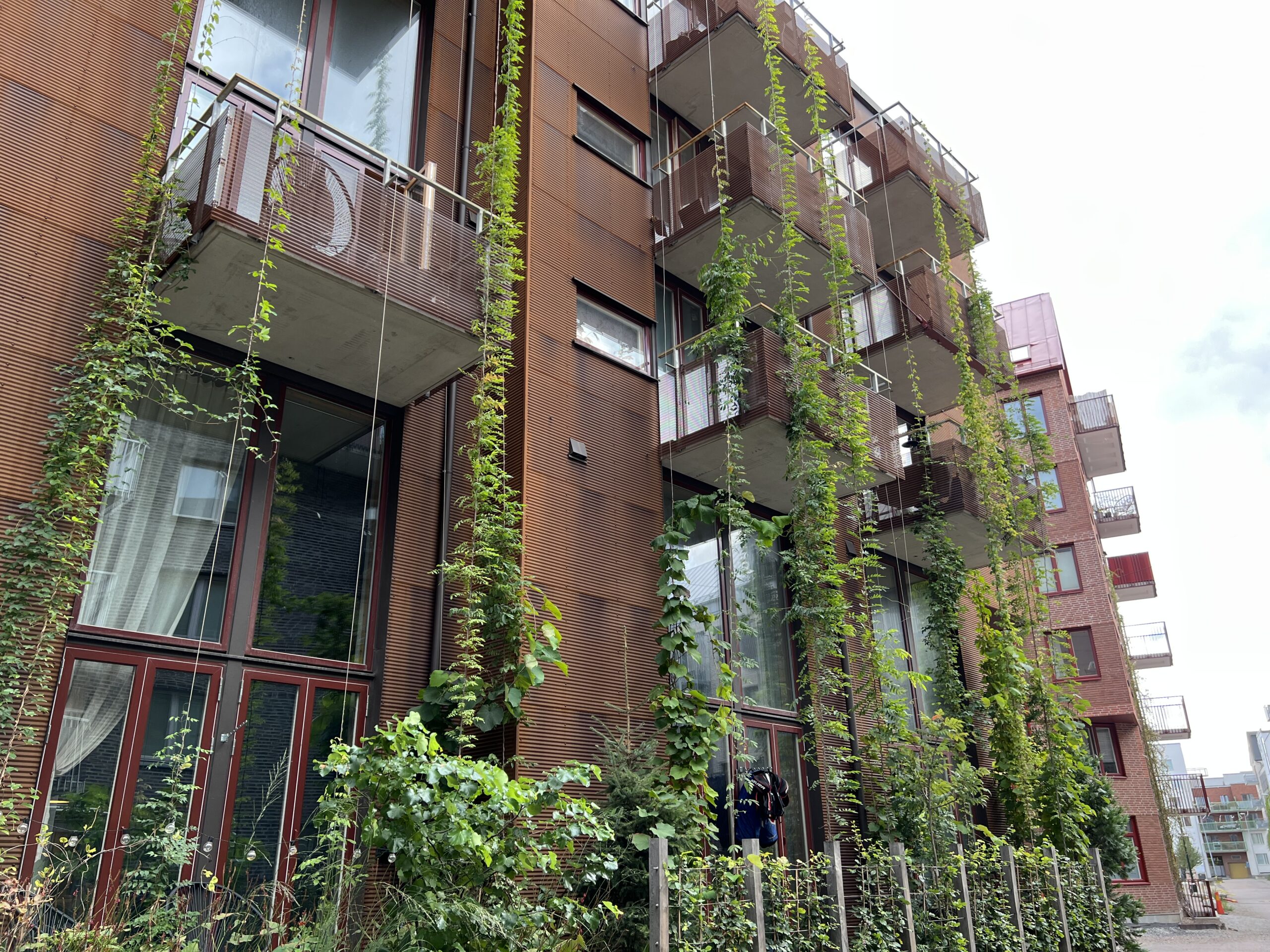
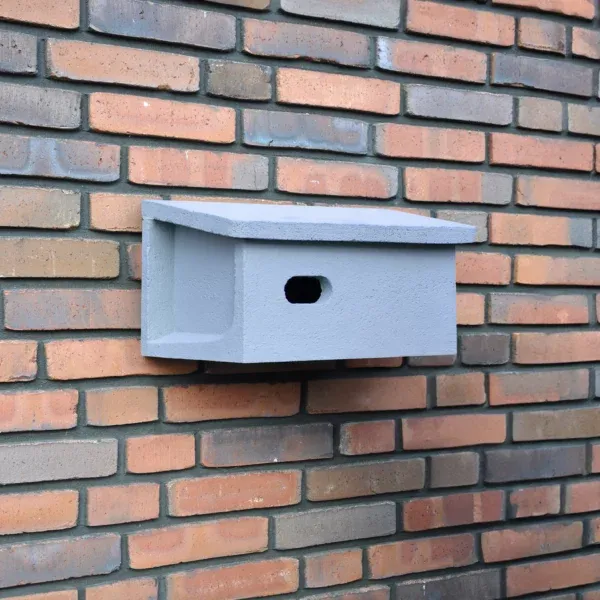
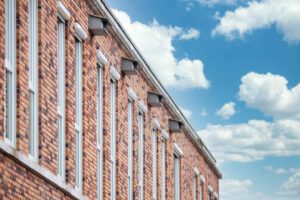
This approach incorporates a wide range of design and construction techniques aimed at supporting local flora and fauna. Measures can range from integrating green roofs and green facades to designing buildings with dedicated features for birds, bats, insects and other species. By embedding biodiversity into the design process from the outset, nature inclusive building helps create healthier, more resilient urban environments for both people and wildlife.
Why is nature-inclusive building important?
Firstly, it represents an important step towards reducing the impact of human activity on the natural environment. By designing buildings that support local flora and fauna, we can help enhance and protect biodiversity within our urban environments. Nature inclusive building can also contribute to tackling climate change. Green roofs and green facades, for example, can help reduce urban temperatures and improve air quality. In turn, this can help reduce energy demand, lower greenhouse gas emissions and mitigate some of the impacts associated with climate change. By combining biodiversity enhancement with sustainable design, nature inclusive building delivers benefits for both wildlife and people.