Search our website

  • Zoeken...

Free catalog

Request our free catalog below

"*" indicates required fields

Nesting boxes

Unitura is your partner when it comes to products and services for nature-inclusive building. We have a wide range of products. Learn more. →

The perfect nesting box for every species

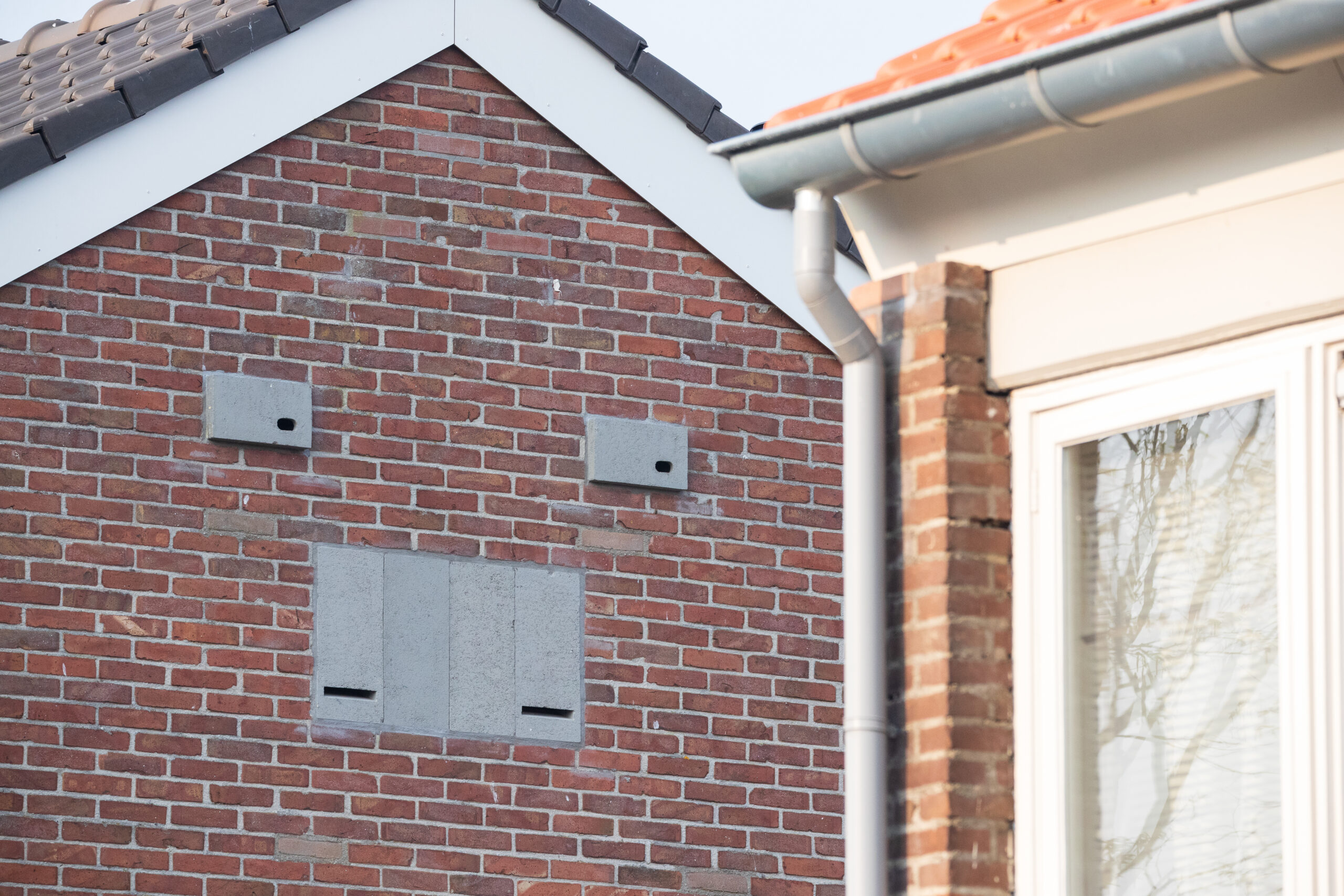
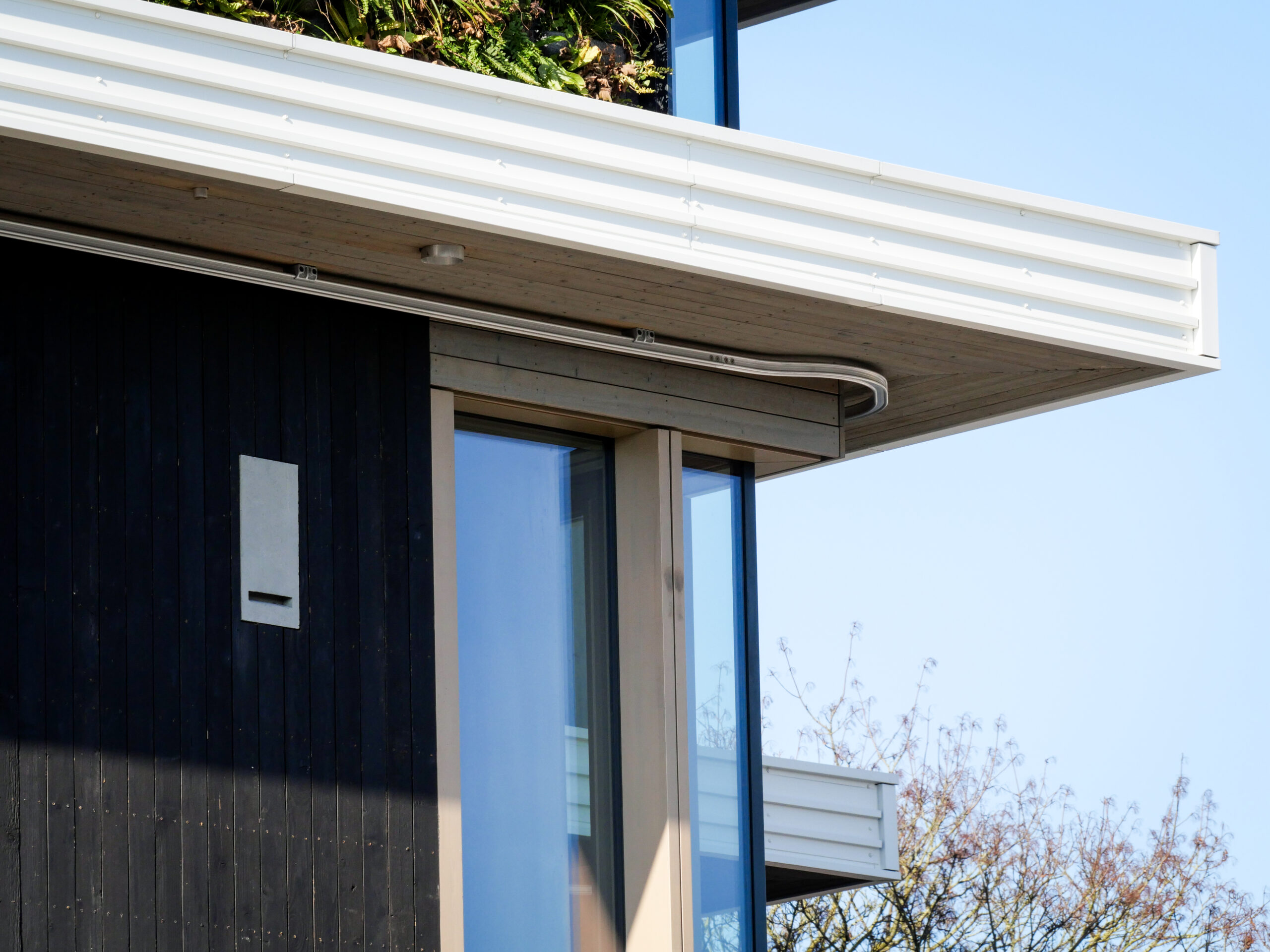
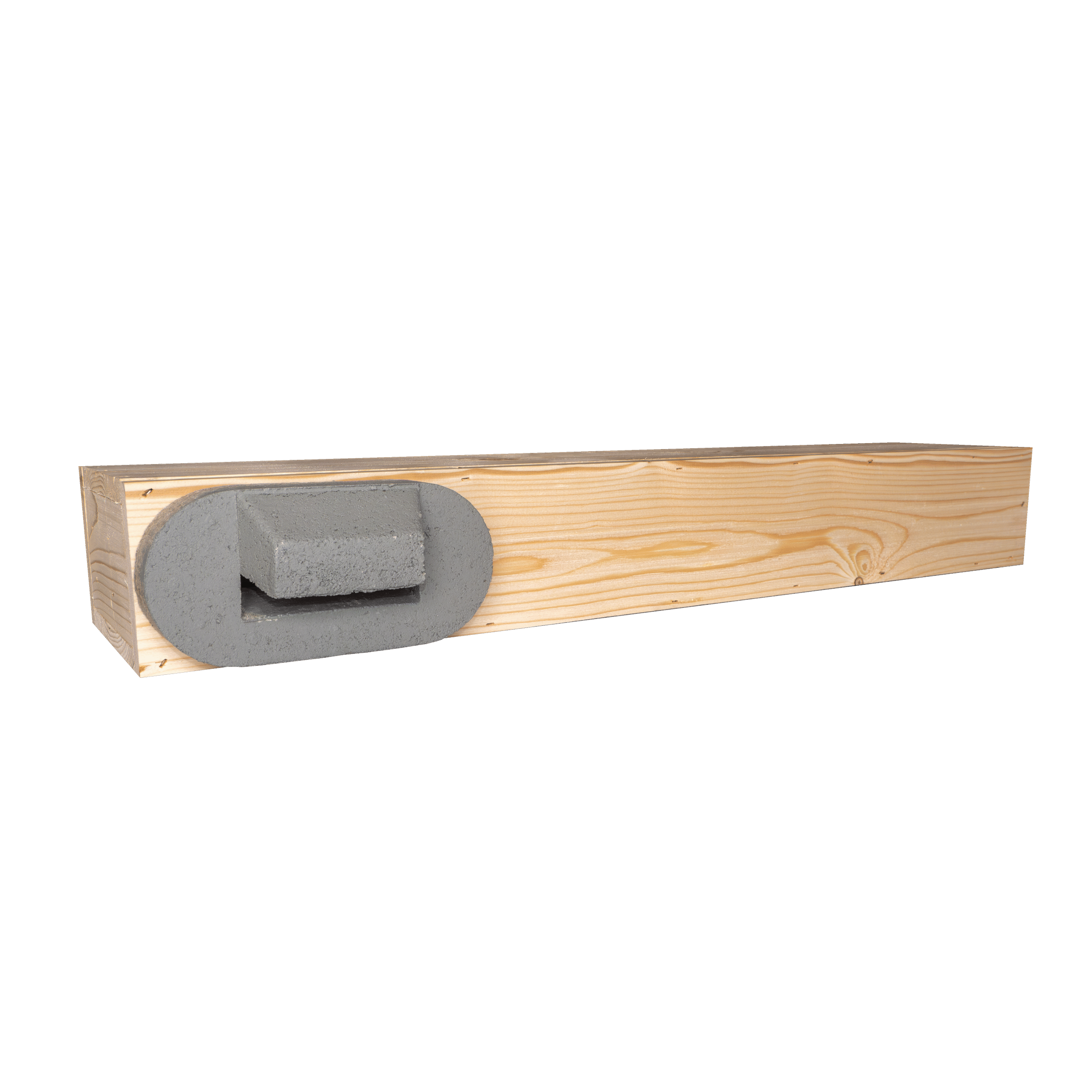
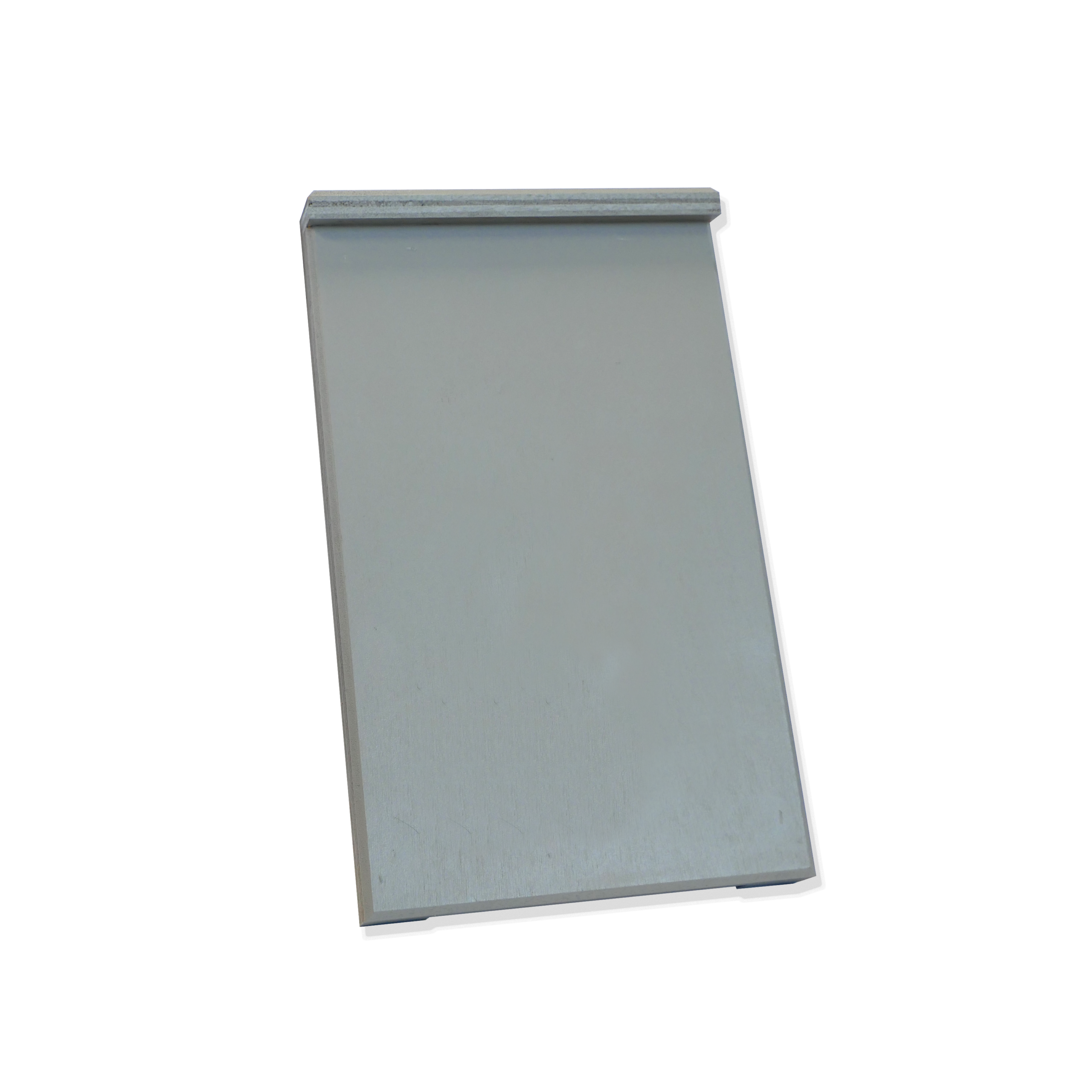
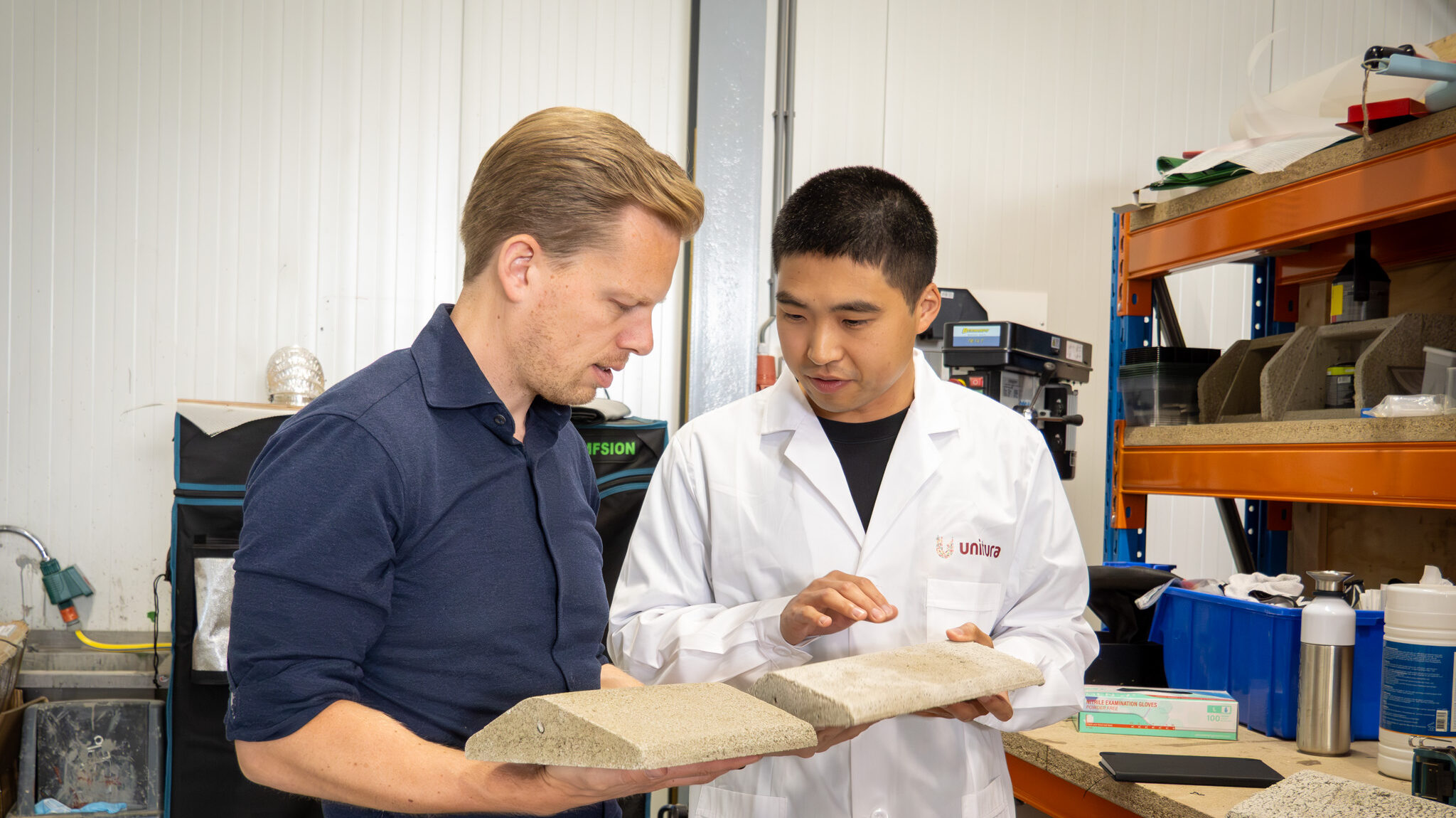
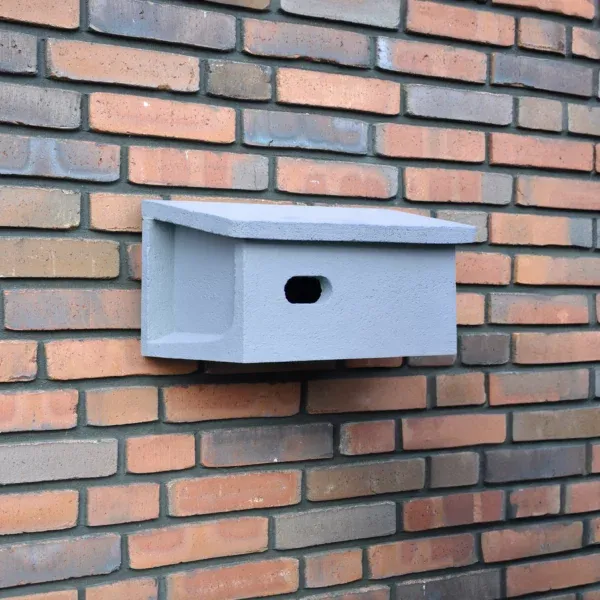
Nesting boxes come in all shapes and sizes. At Unitura you will find a wide range of nesting facilities, made in our own social workshop. We use sustainable materials such as wood concrete or FSC wood and have the right box for every situation. Our nesting boxes help ecological consultancies fully complete their mitigation task.

Why a nest box?

In urban areas, nature is increasingly declining due to increasing new construction and renovations. As a result, birds have less place to nest. Hanging nesting boxes offers an effective solution to bridge this gap and help birds find a safe nesting place. With a nest box you give birds an attractive and safe place to reproduce. In this way you contribute to biodiversity, nature-inclusive building and a lively outdoor space. We distinguish between temporary and permanent nesting boxes.

Which nesting box is suitable for my question?

Each species has its own requirements for a nest box. Especially the entrance opening is important to determine which type of bird will nest in it. The dimensions of all our nesting boxes are based on the latest insights in the field, as recorded in the documents of BIJ12 and other sources that represent the latest insights in the field.

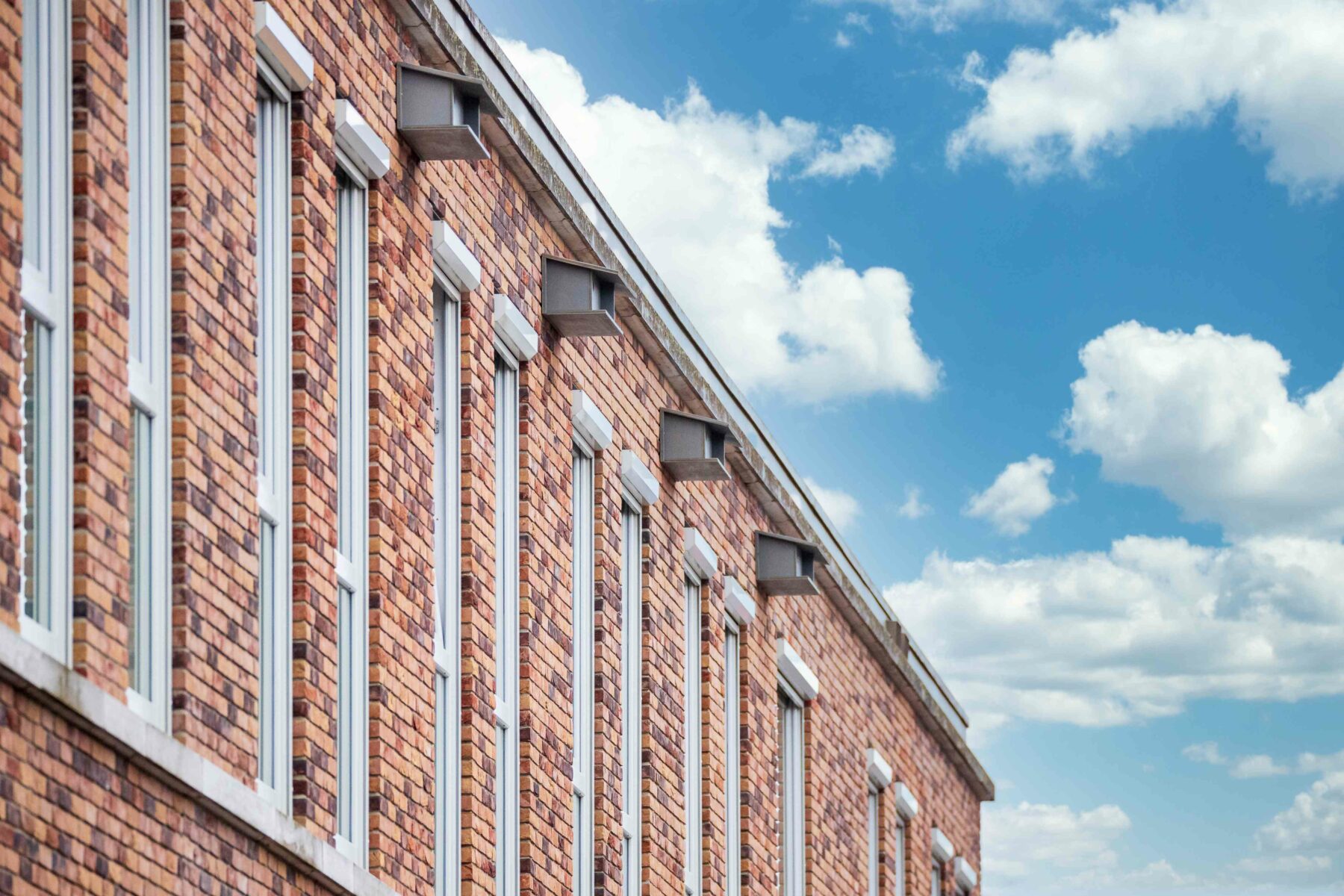
Swifts
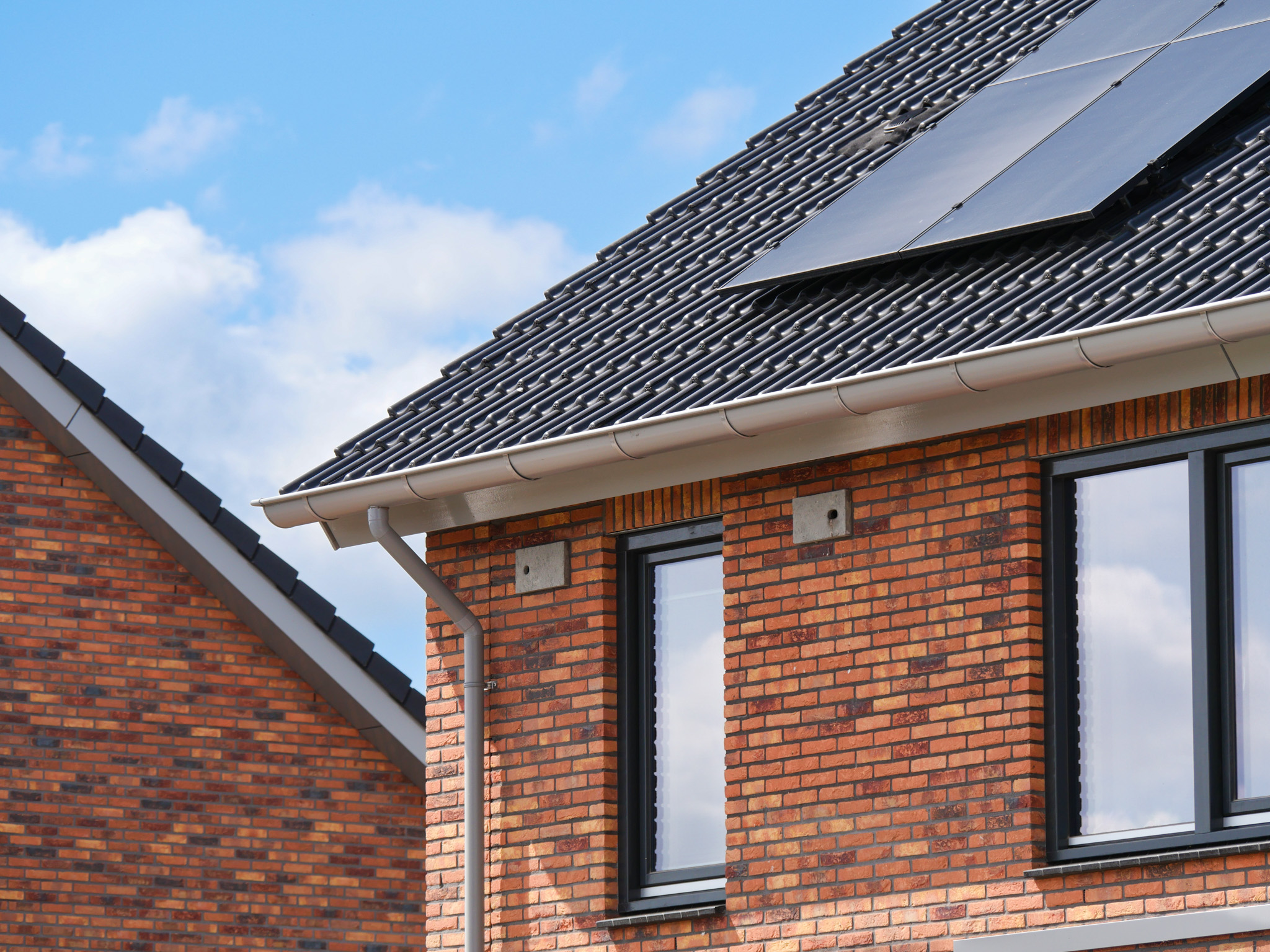
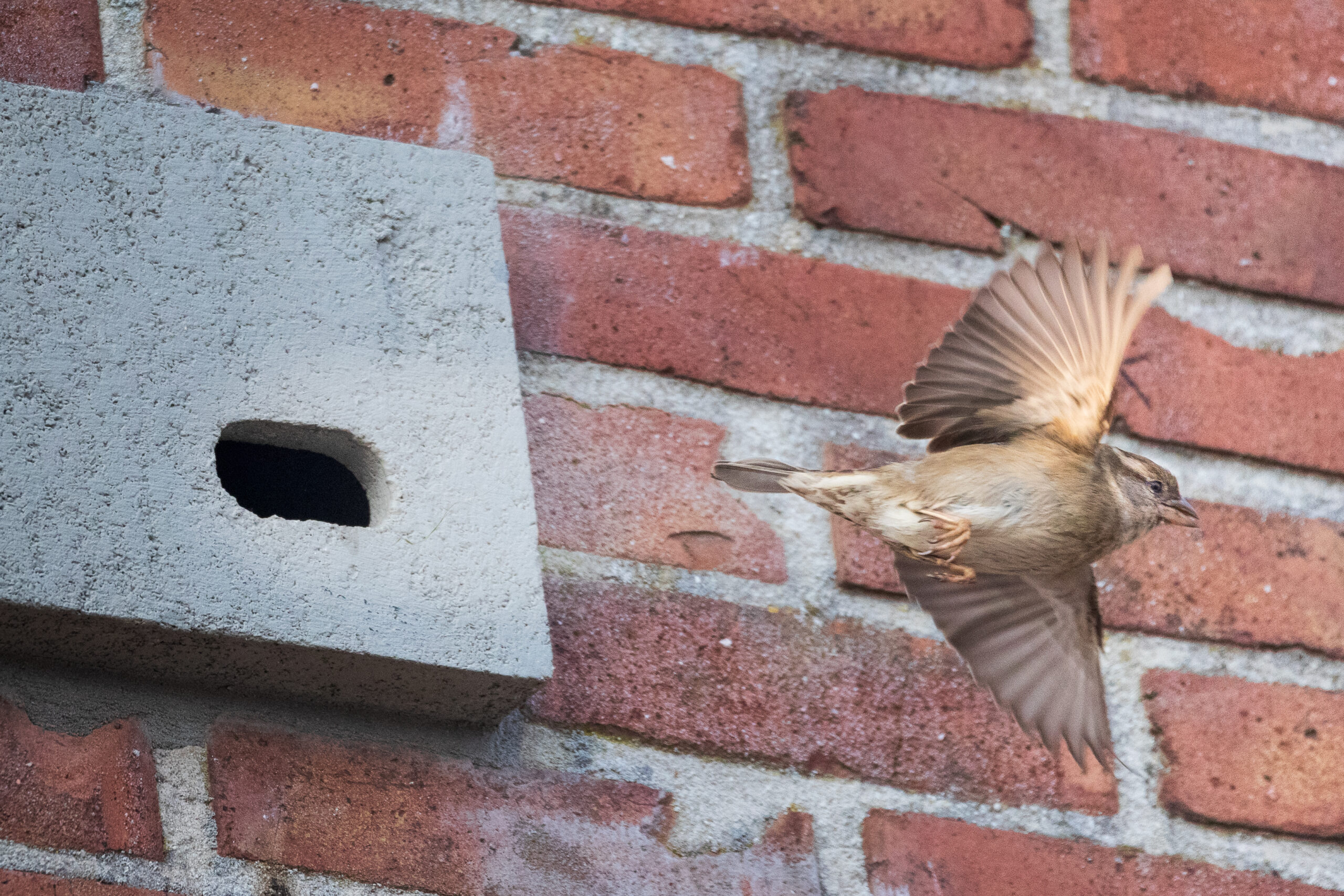
Huismuskast HMP2 Unitura
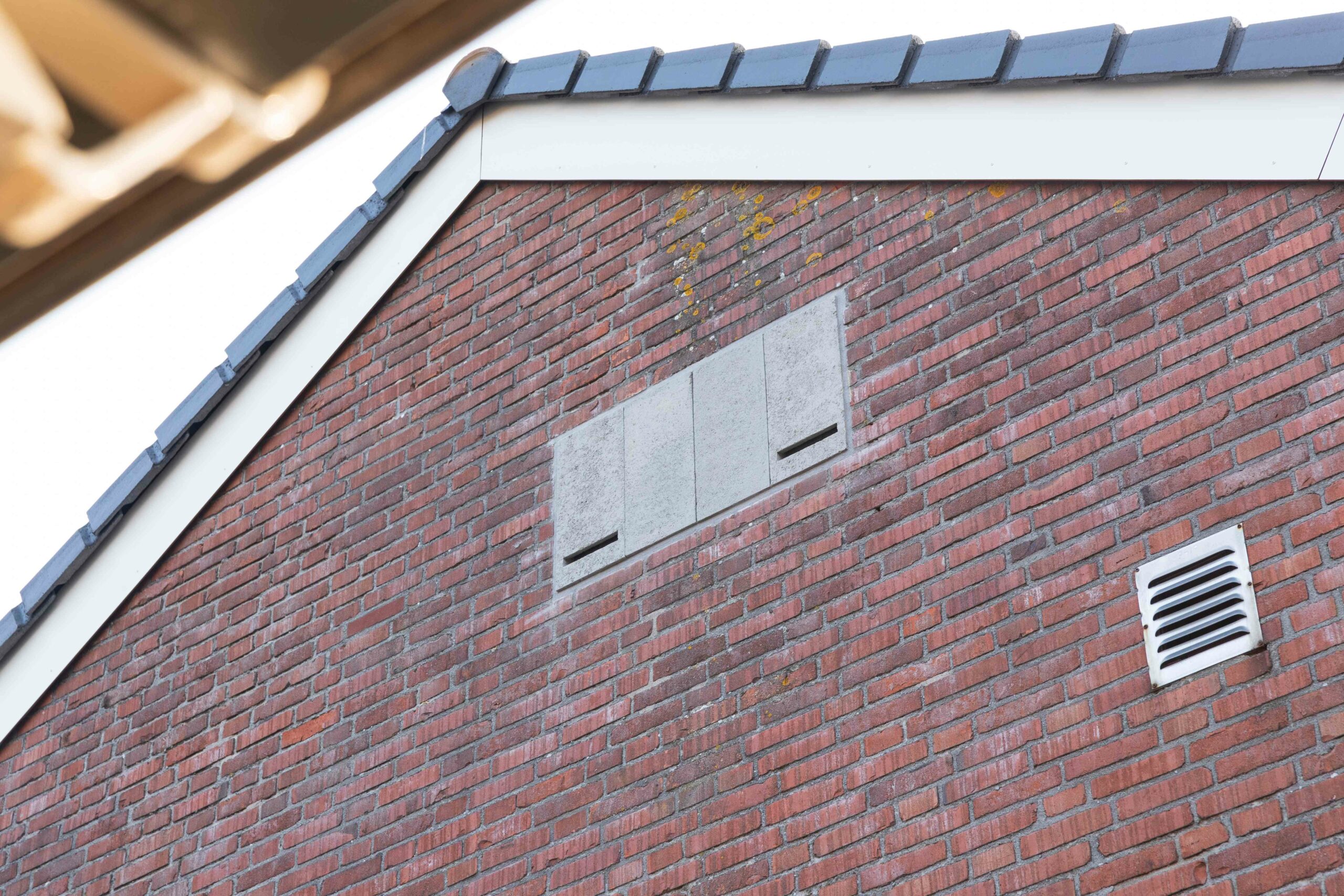
Grote permanente Vleermuiskast van Unitura
Een maand lang product lanceringen

NKNB knowledge base

Urban biodiversity is under pressure. To reverse this trend, it is becoming increasingly important to adopt nature-inclusive construction as a standard. This includes the realization of nesting boxes in both existing and new homes and the creation of greenery in the environment. For this transition, both ecological and practical knowledge is crucial. This is where the National Knowledge Bank on Nature-Inclusive Building(NKNB) plays an important role.

The information within the knowledge base is based on the mitigation catalogue developed by Arcadis, supplemented by our own practical experience and expertise. The aim of NKNB is to share up to date information on mitigation measures for building dwelling species. In collaboration with Arcadis, we have developed a knowledge base containing design guidelines for ecological measures. This resource makes it easier to deliver nature inclusive building projects, ensuring that mitigation measures meet both ecological requirements and relevant legal obligations.

On the knowledge base you can find several fact sheets for ecological measures. Here you can read, among other things, a description of the measure, its functionality and for each measure there is more information about the physical guidelines.
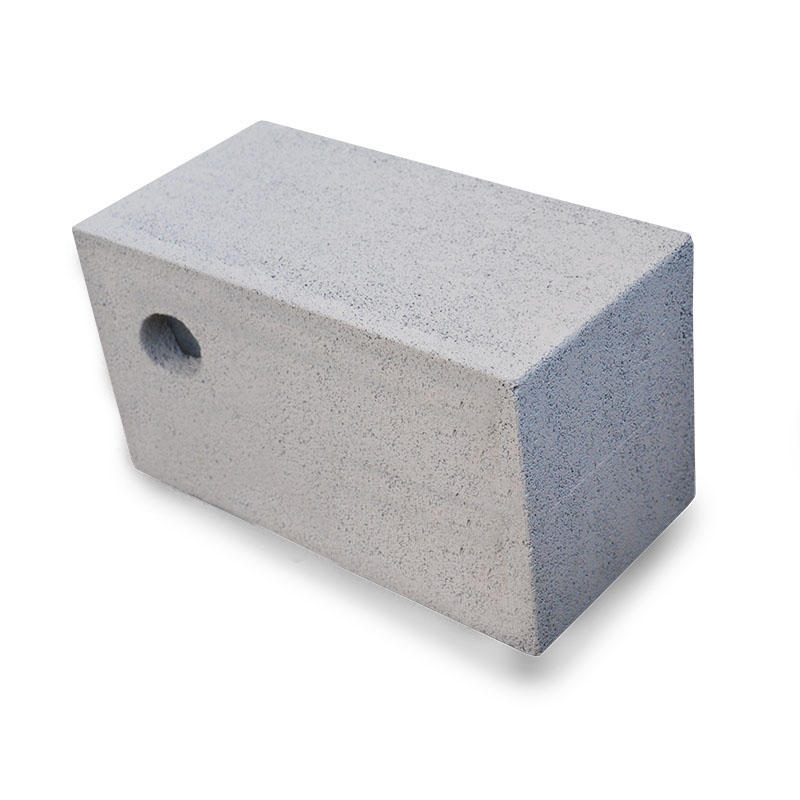
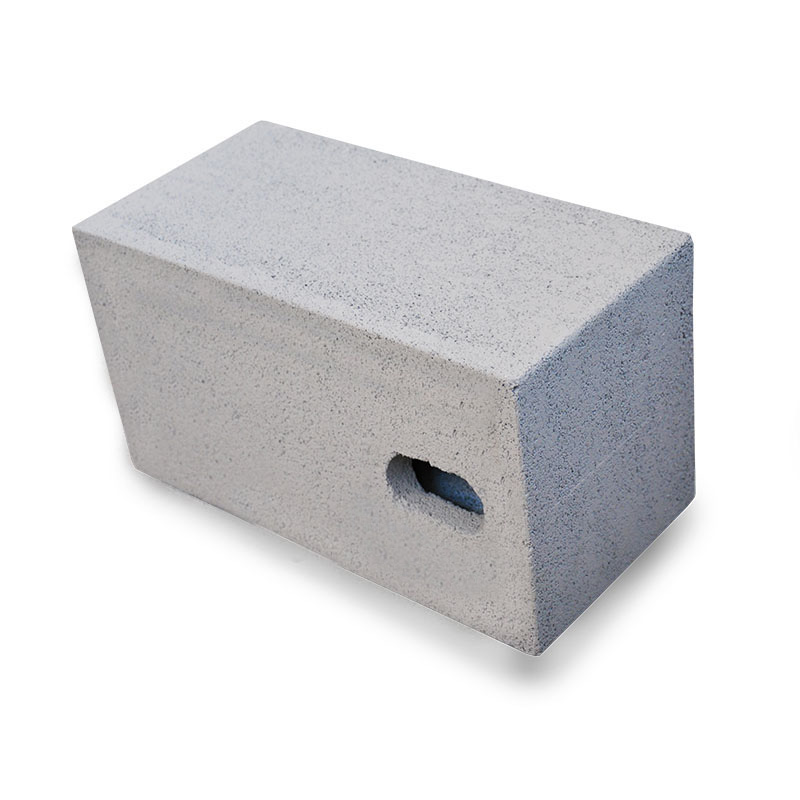
A suitable nest box for every bird

Nestkasten zijn kunstmatige verblijfplaatsen, speciaal ontwikkeld om vogels een verblijfplaats te bieden op plekken waar deze van nature niet voorkomen. In de mitigatiecatalogus van Arcadis en in de kennisdocumenten van BIJ12 zijn de fysieke eisen aan de verschillende nestkasten weergegeven.

What are the advantages of wood concrete?

  • Milieuvriendelijk: Houtbeton gebruikt duurzaam geproduceerd hout, wat bossen beschermt en de ecologische impact vermindert. Traditioneel beton vereist veel energie en heeft een hoge CO2-voetafdruk.
  • Gewicht: Houtbeton is lichter dan traditioneel beton, wat transport vergemakkelijkt en de belasting op constructies vermindert.
  • Isolatie: Houtbeton heeft natuurlijke isolerende eigenschappen en ademt, wat zorgt voor een stabieler binnenklimaat en betere broedresultaten.
  • Duurzaamheid: Houtbeton is een duurzame bron, terwijl de grondstoffenwinning voor traditioneel beton een aanzienlijke milieu-impact heeft.

Why is the number of natural nesting sites decreasing?

De meeste dieren hebben moeite om een geschikte leefplek te vinden. Natuurlijke nestplaatsen zijn zeldzaam geworden. Vogels in stedelijke gebieden nestelen graag in gaten of spleten in gevels van huizen, maar deze worden steeds vaker gedicht tijdens restauratiewerkzaamheden, waardoor er minder nestplaatsen beschikbaar zijn. Daarnaast worden bij het vervangen van oude dakpannen de gaten geblokkeerd die in nieuwere daken ontbreken.

Ook is het aantal oude bomen, die ideale nestholtes bieden, afgenomen. Deze nestmogelijkheden worden steeds schaarser, en vaak zijn wij mensen hier de oorzaak van. Onze vogels zijn daardoor afhankelijk van kunstmatige nesthulpmiddelen die wij voor hen kunnen verzorgen.

In what position should I hang a swift box?

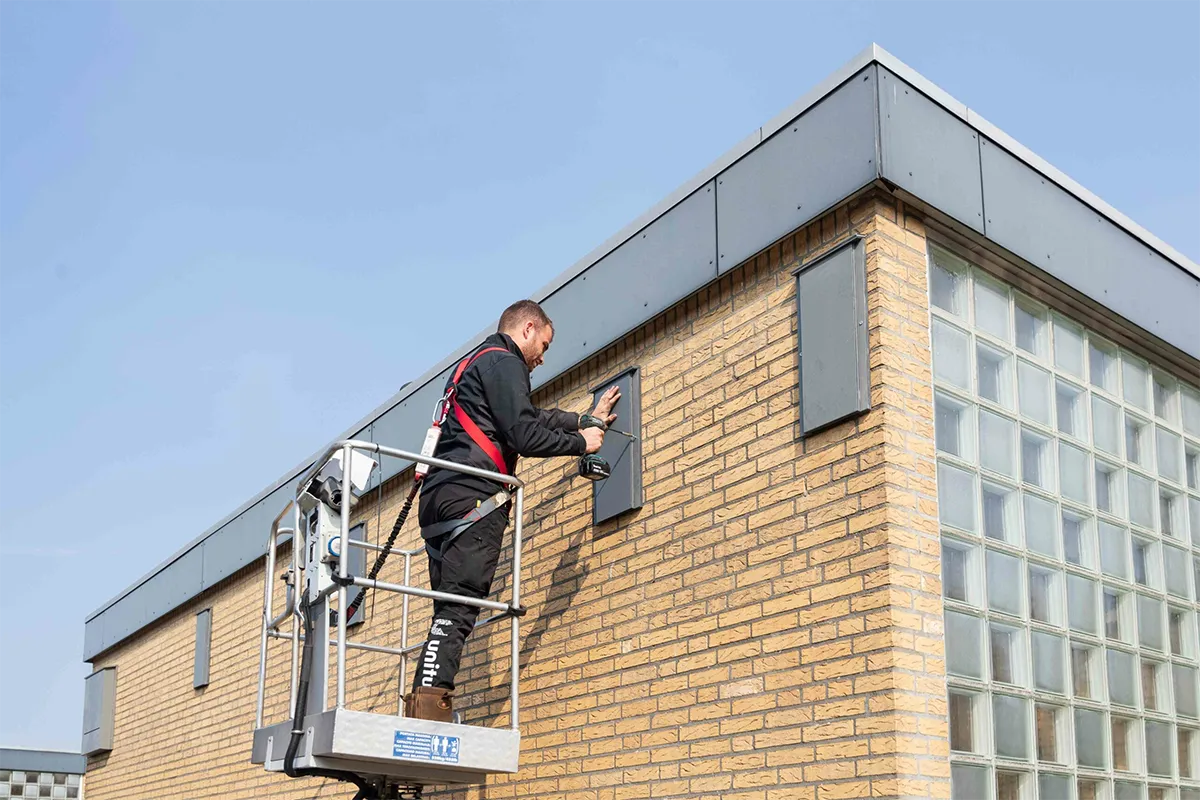
Gierzwaluwkasten moeten bij voorkeur zo hoog mogelijk worden aangebracht. Bij voorkeur minimaal op 5m hoogte, waarbij de gierzwaluwen een volledig vrije aanvliegroute hebben. Voorkom dus bomen, afdakjes of vlaggenmasten die in de weg staan. Plaats gierzwaluwkasten het liefste op koude gevels (noord/oost), of in de schaduw van een brede dakgoot of overstek. Zie voor een uitgebreidere toelichting het Handboek van Unitura.

In what position should house sparrow boxes be placed?

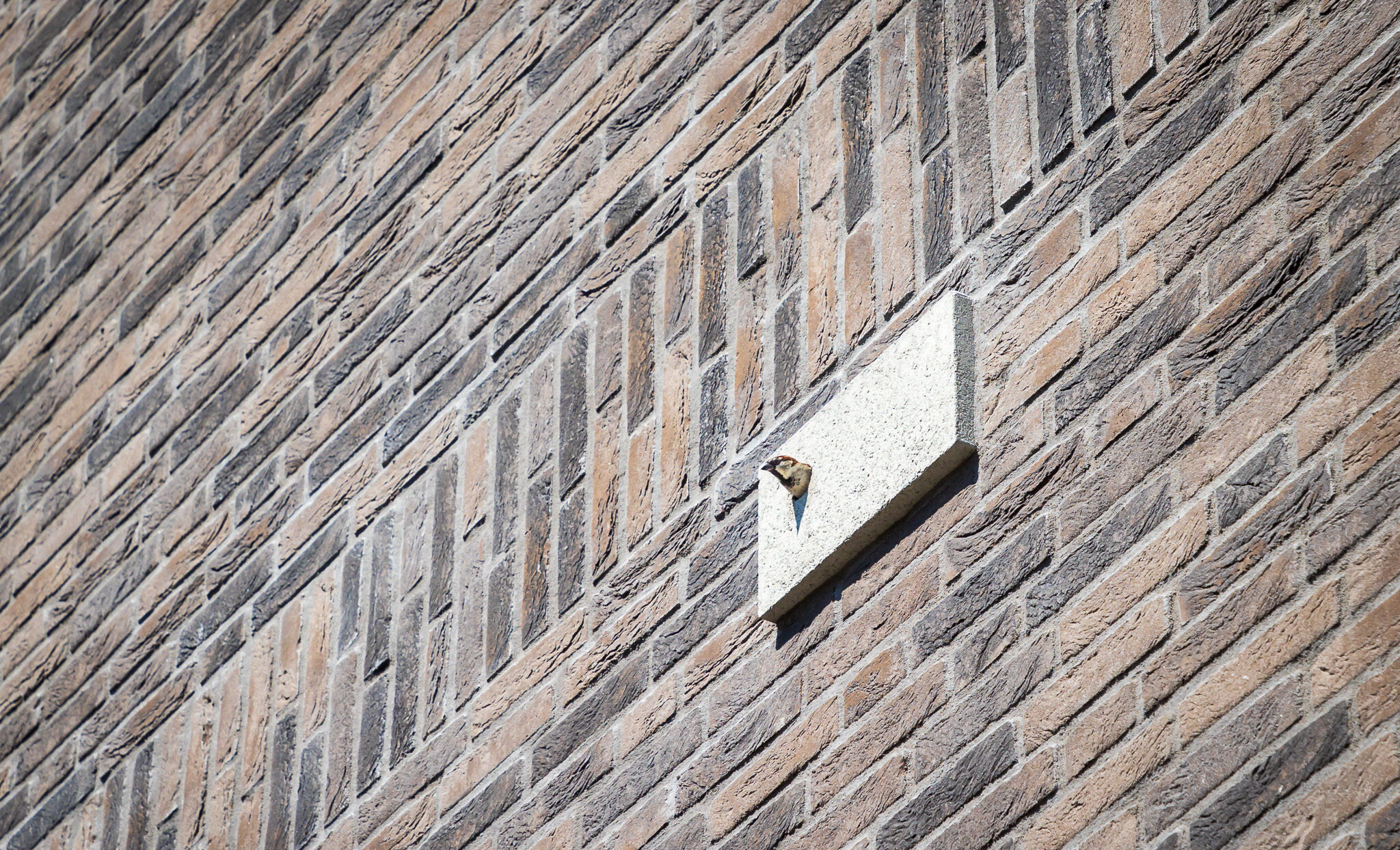
Huismuskasten kunnen het beste tussen de 3m en 12m hoog worden geplaatst. Waarbij posities terhoogte van de dakrand (ongeveer 6m) de meeste voorkeur hebben. Plaats huismuskasten het liefste op koude gevels (noord/oost). Zorg dat er voldoende ruimte is onder de nestkast. Huismuskasten werken het beste als er groen in de buurt is van de kast (binnen 10m). Zie voor een uitgebreidere toelichting het Handboek van Unitura.

Interested in Nesting boxes? Contact us directly

"*" indicates required fields