 EN
▾
EN
▾
EN
▾
EN
▾
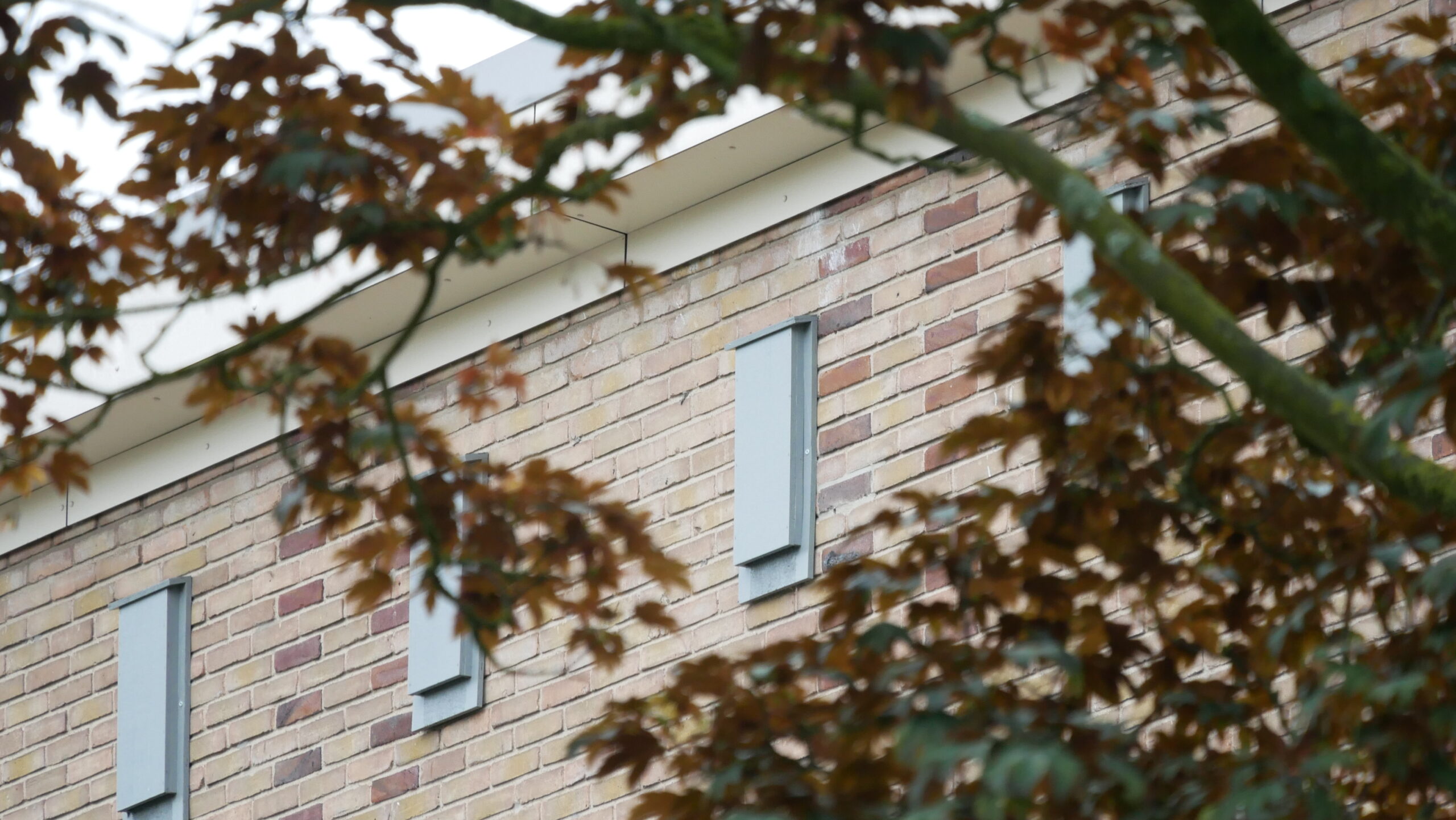
Following the successful award of a public tender, Unitura has been commissioned to support the Municipality of Bunschoten with the implementation of a Pre-Species Management Plan (Pre-SMP). The municipality is currently preparing a Pre-SMP licence application, which will enable homeowners to carry out roof and cavity wall insulation works, as well as install solar panels, under a coordinated ecological framework. The aim is to actively involve private property owners in the protection of threatened species, as ecological compensation measures are currently insufficient in many situations. By providing suitable maternity roost features and other wildlife provisions, the project helps ensure that biodiversity is safeguarded while supporting the municipality’s sustainability objectives.
The Municipality of Bunschoten took a highly proactive approach during the preparation phase of the project. As a result, Unitura was able to respond quickly and efficiently, allowing the implementation process to progress smoothly and ensuring that ecological measures could be delivered without unnecessary delays.
During the tender stage, we proposed a range of wildlife features that combined high ecological value with broad applicability across different locations. This allowed us to offer suitable and reliable solutions from the very start of the project. Following the contract award, we organised a project kick-off meeting to review the scope of works, discuss potential installation locations and establish a clear delivery programme.
The planning phase was a crucial part of our process. Working closely with the Municipality of Bunschoten, we exchanged ideas and reviewed the proposed locations. Once the locations have been finalised, the municipality will inform building users about the planned installation dates.
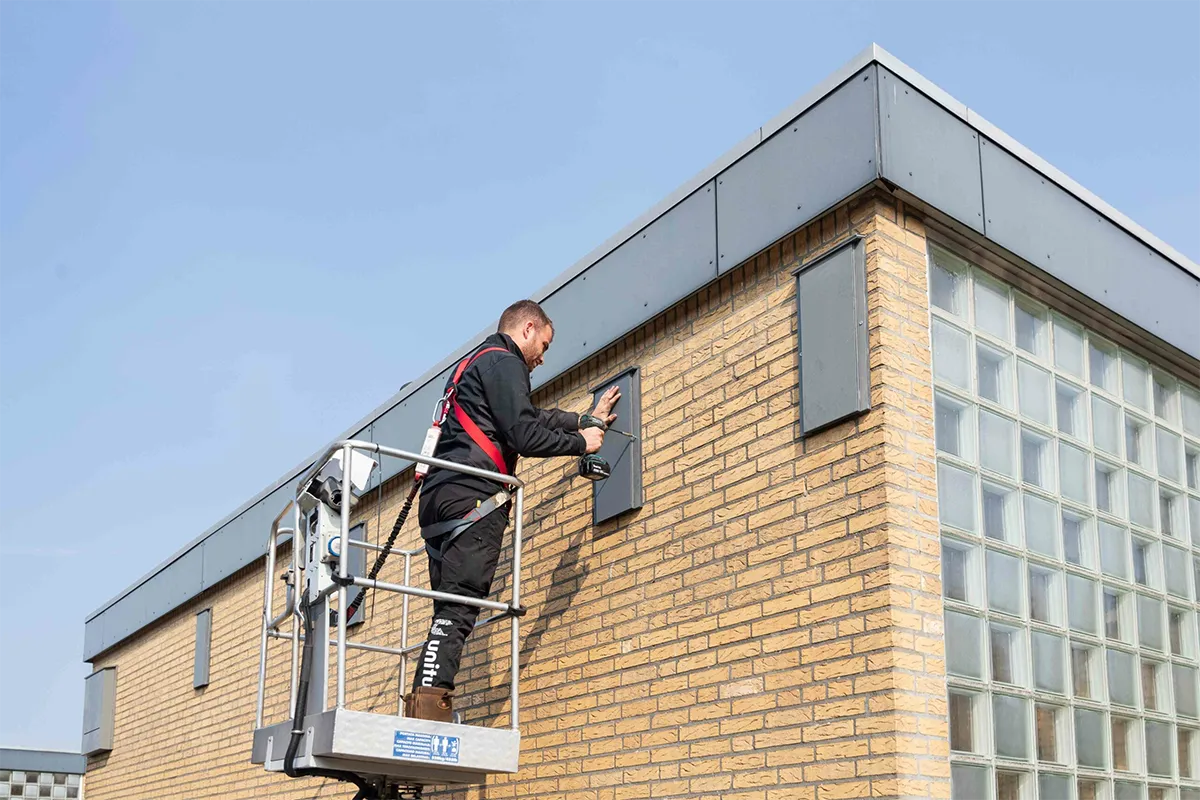
The installation phase is currently scheduled for September. As part of the project, a total of eight maternity roost features for the common pipistrelle (Pipistrellus pipistrellus), four locations with open perp joints for the serotine (Eptesicus serotinus), and four bespoke external roost features for the brown long-eared bat (Plecotus auritus) and whiskered bat (Myotis mystacinus) will be delivered.
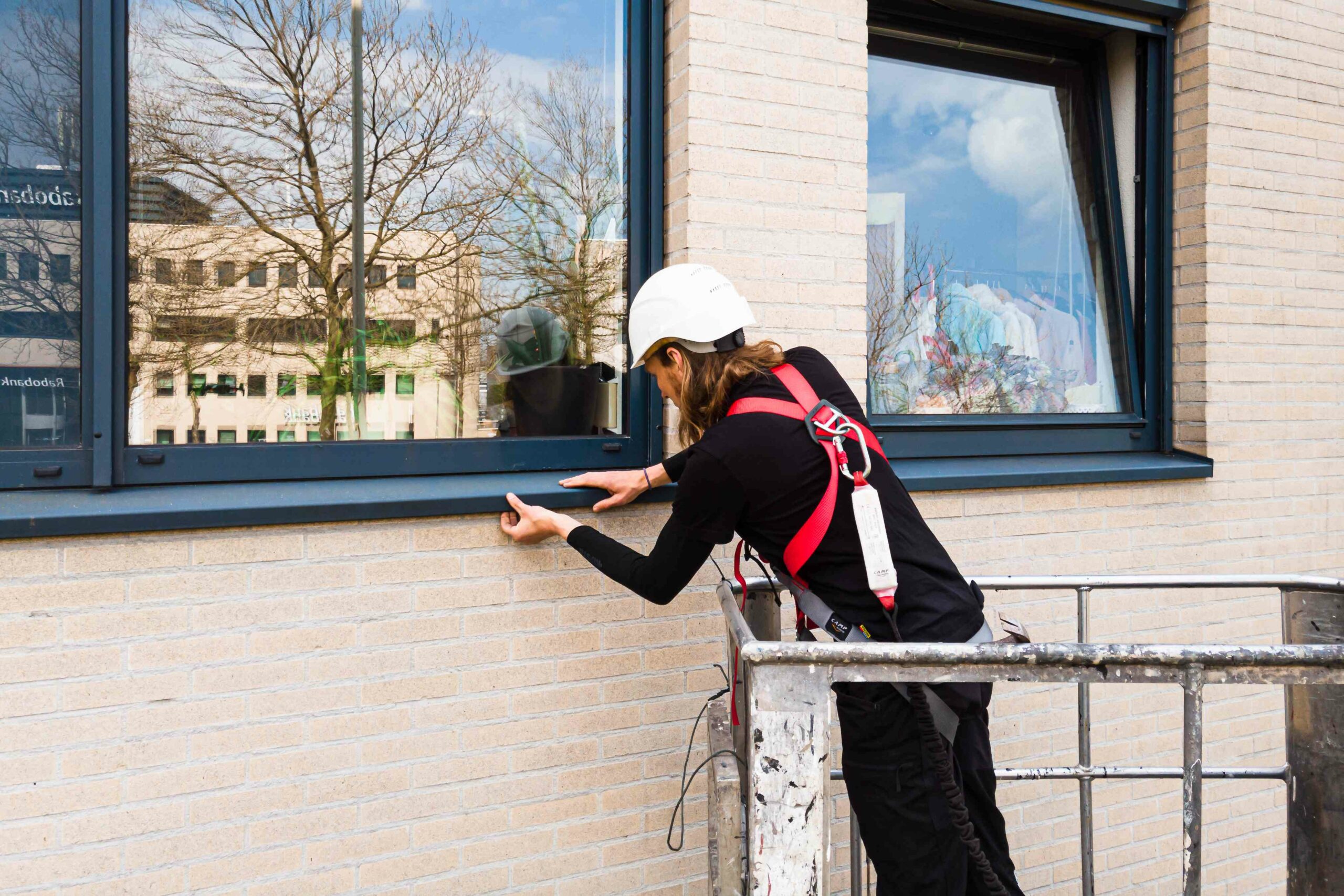
Each feature will be recorded within our field operations app, including photographs and detailed location information. Following the preparation of each project phase, the Municipality of Bunschoten will be given access to the application to review and approve the proposed locations. In total, 16 bat roost features will be installed across Bunschoten and Eemdijk.
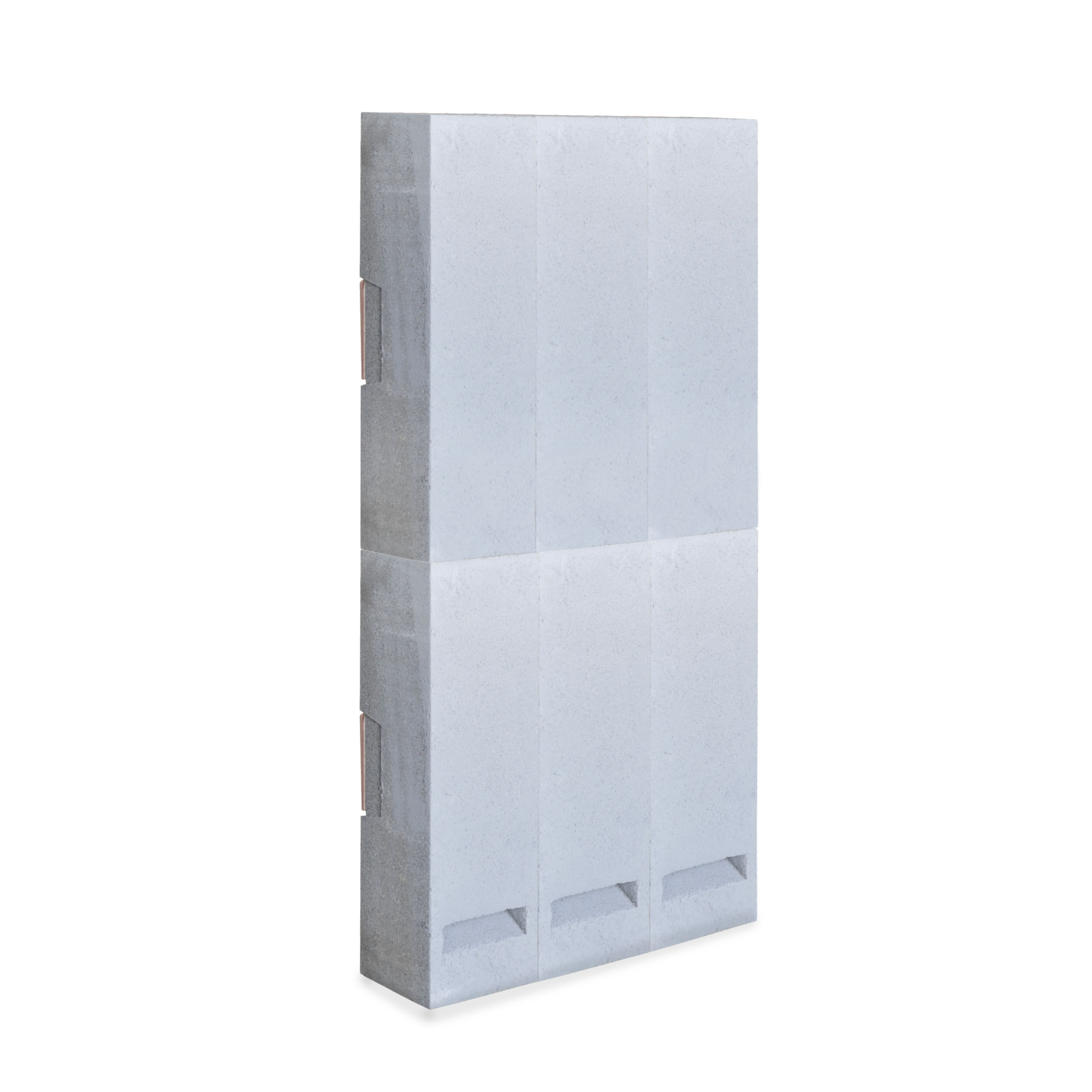
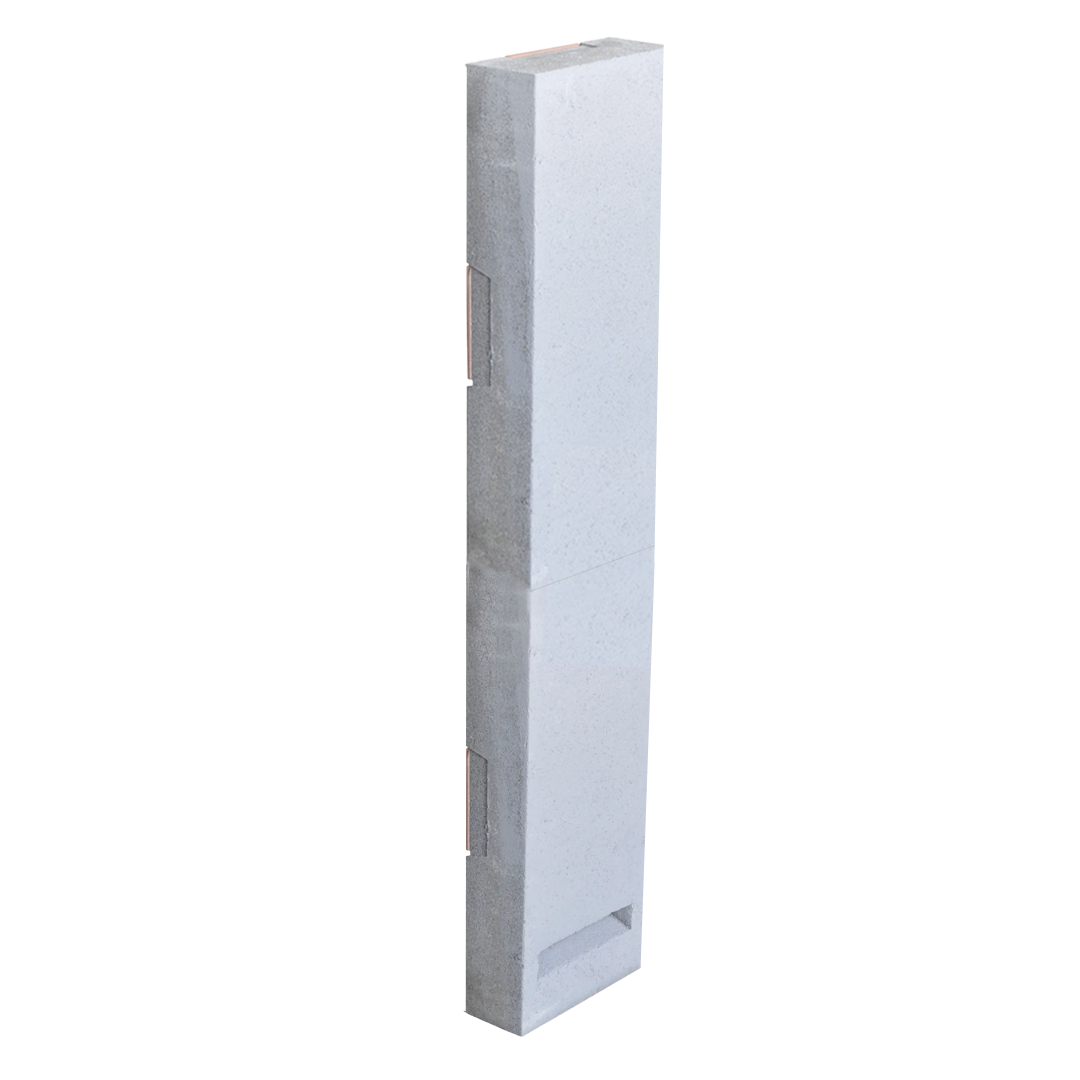
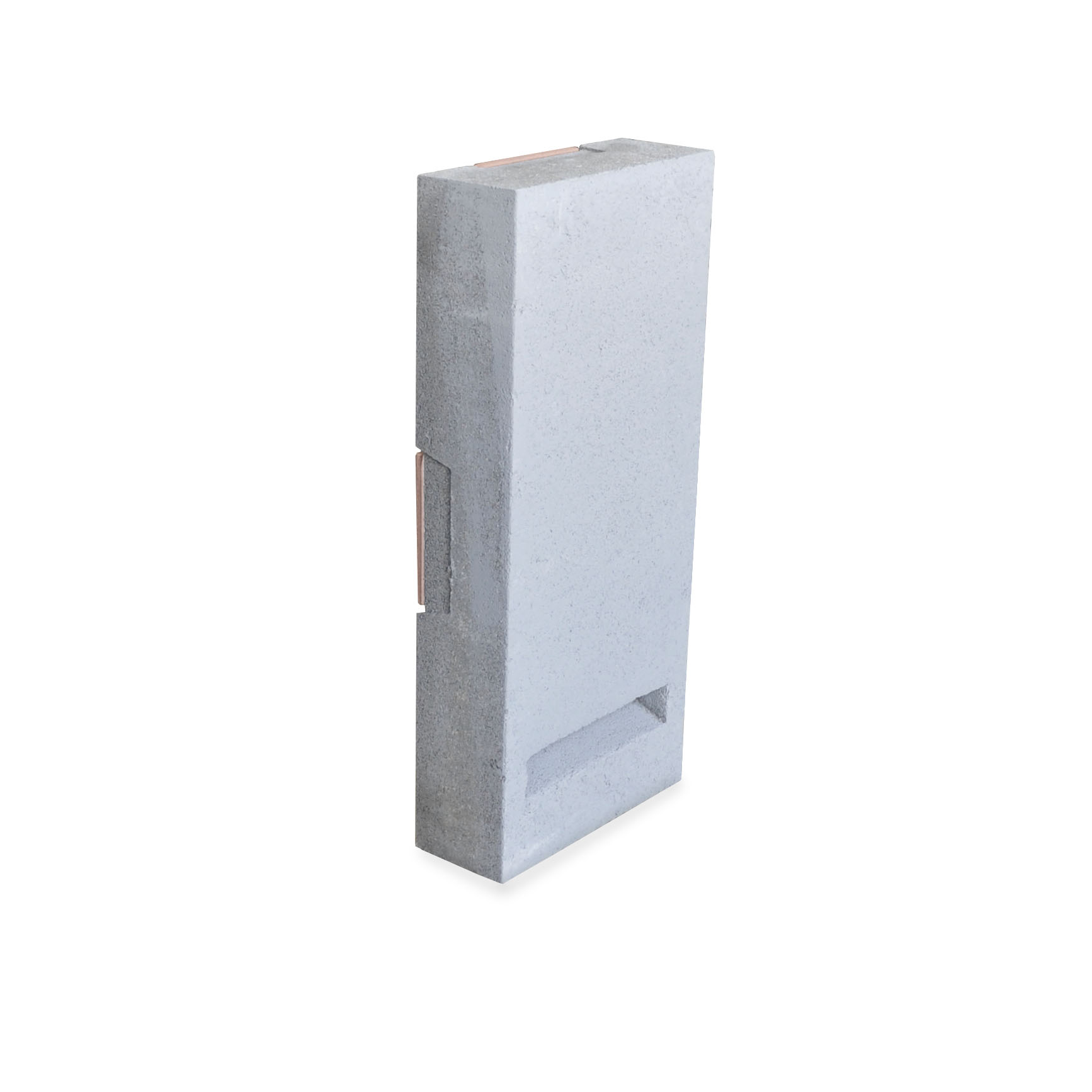
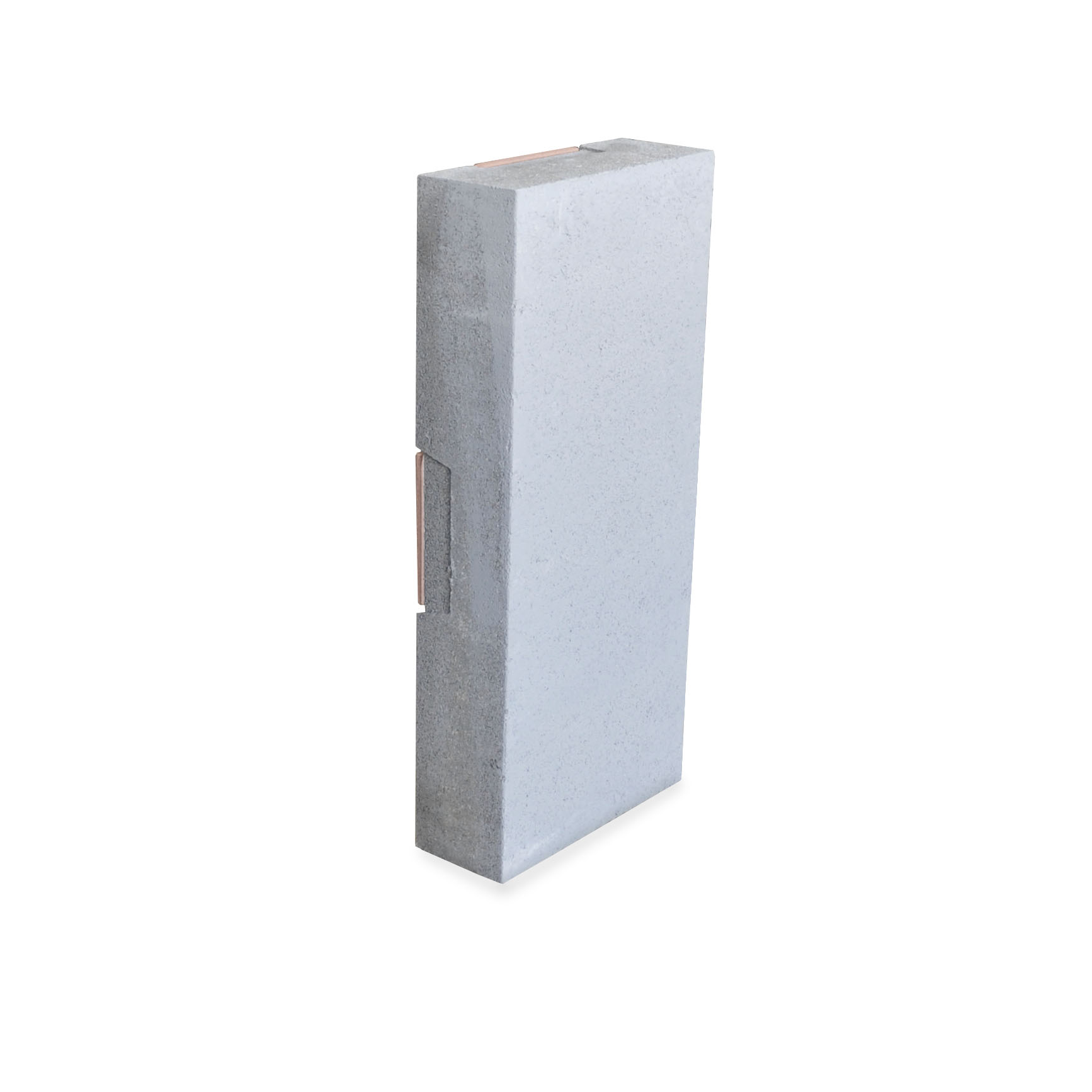
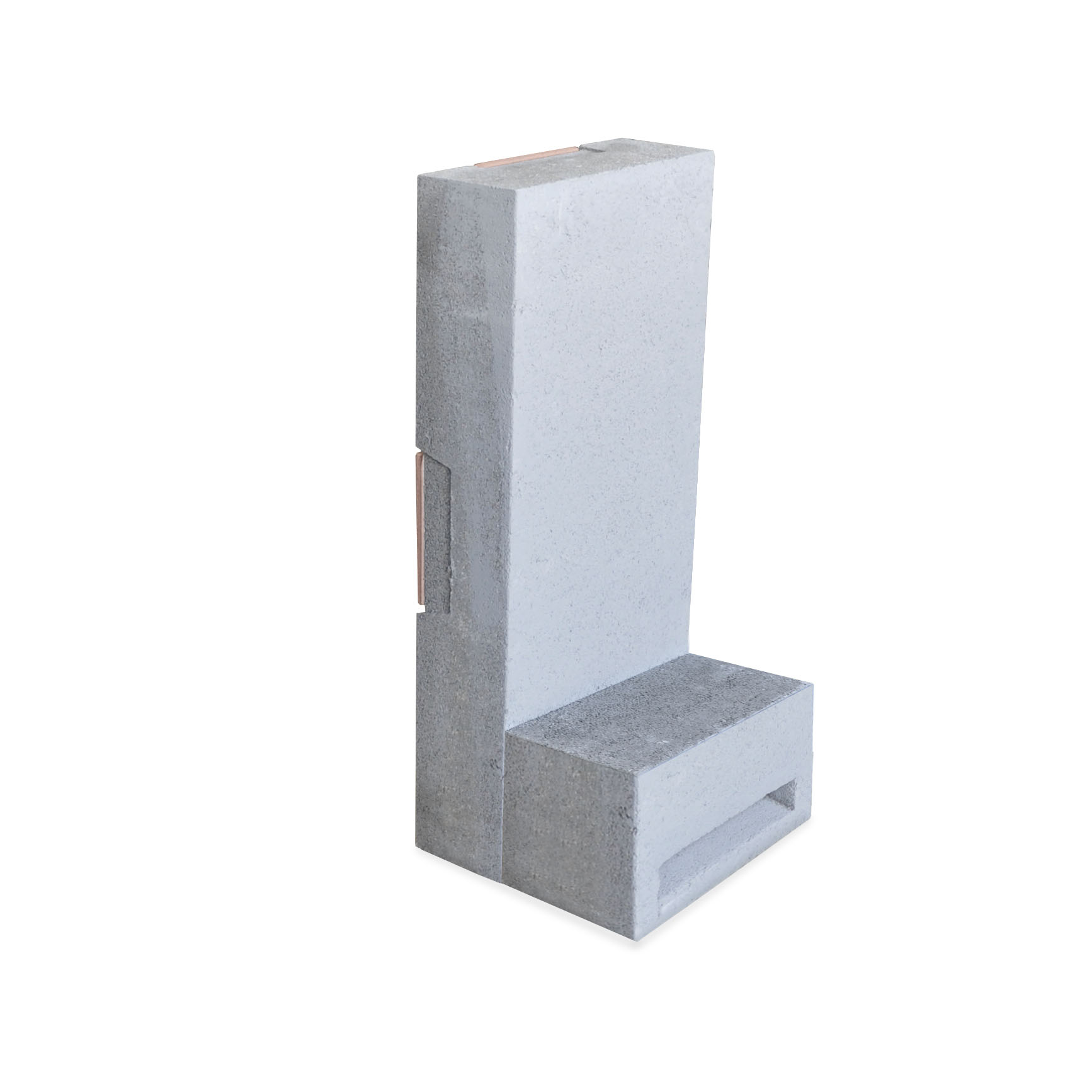
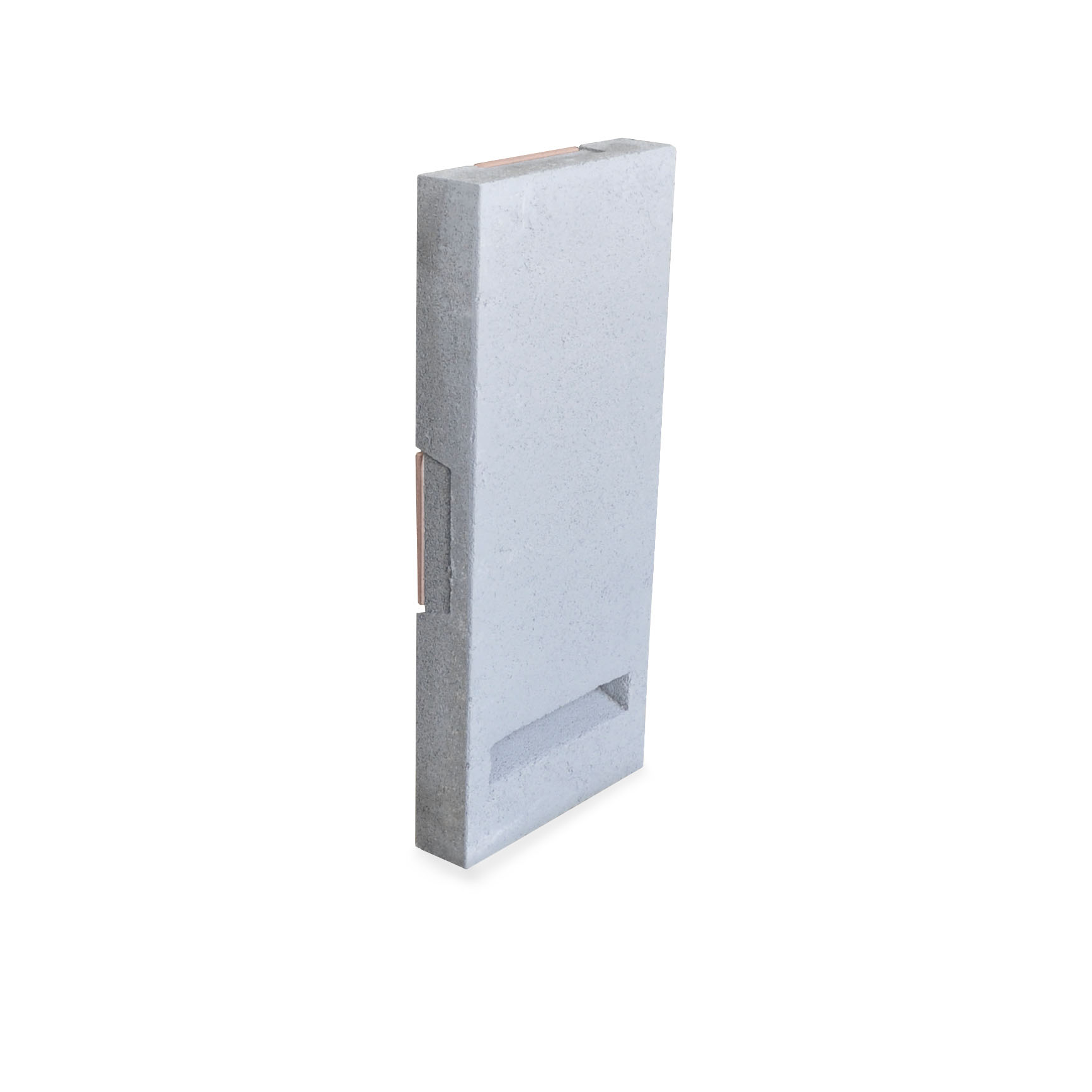
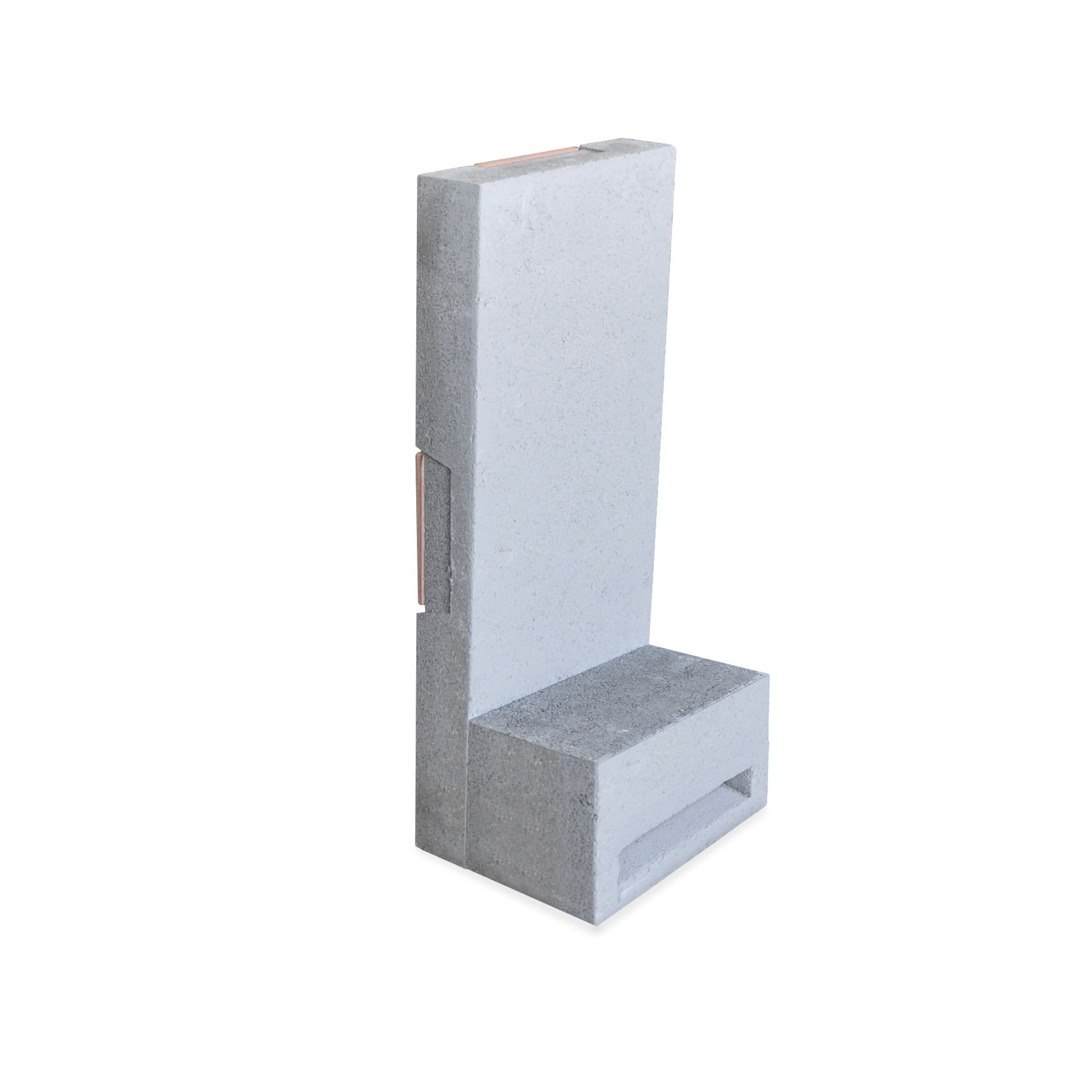
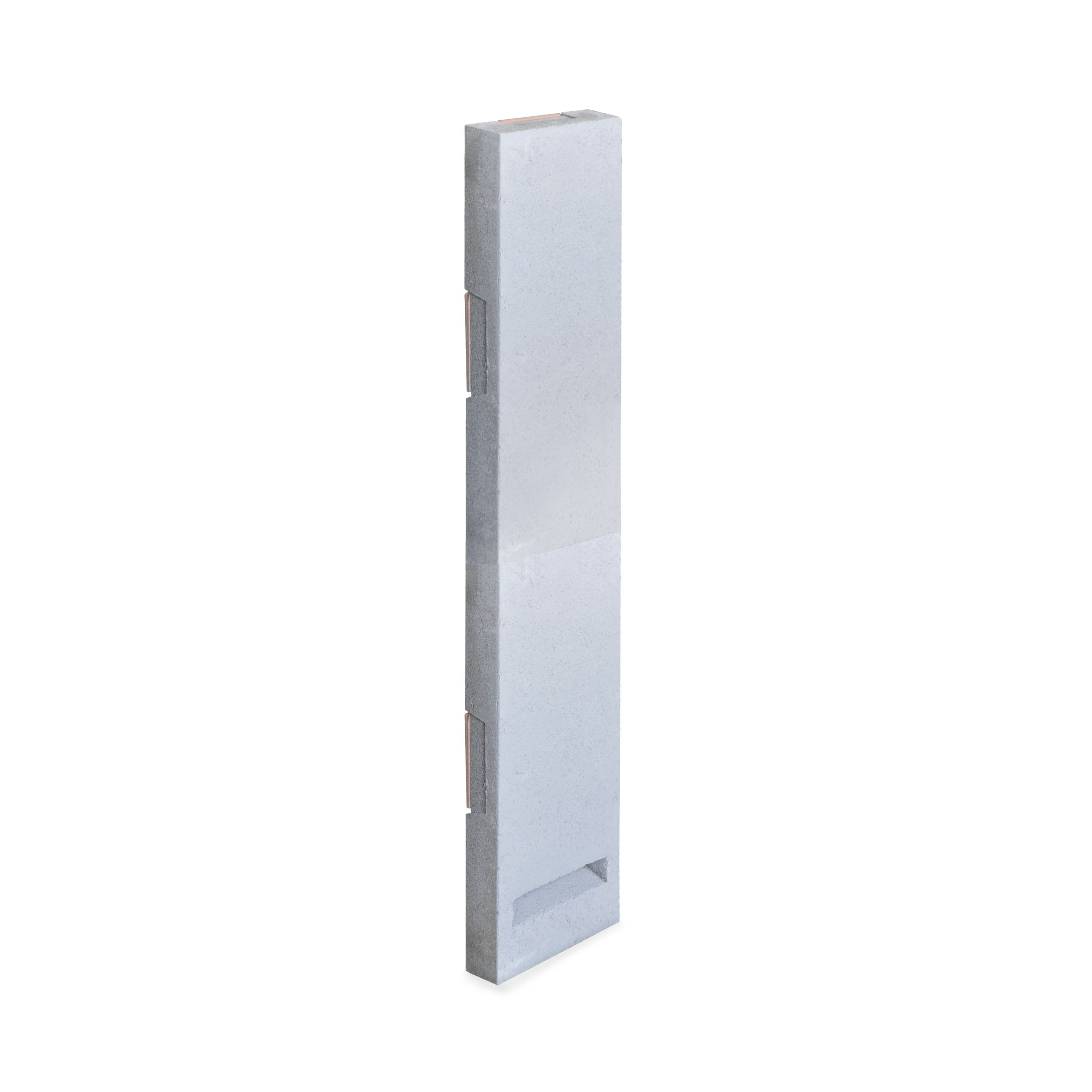
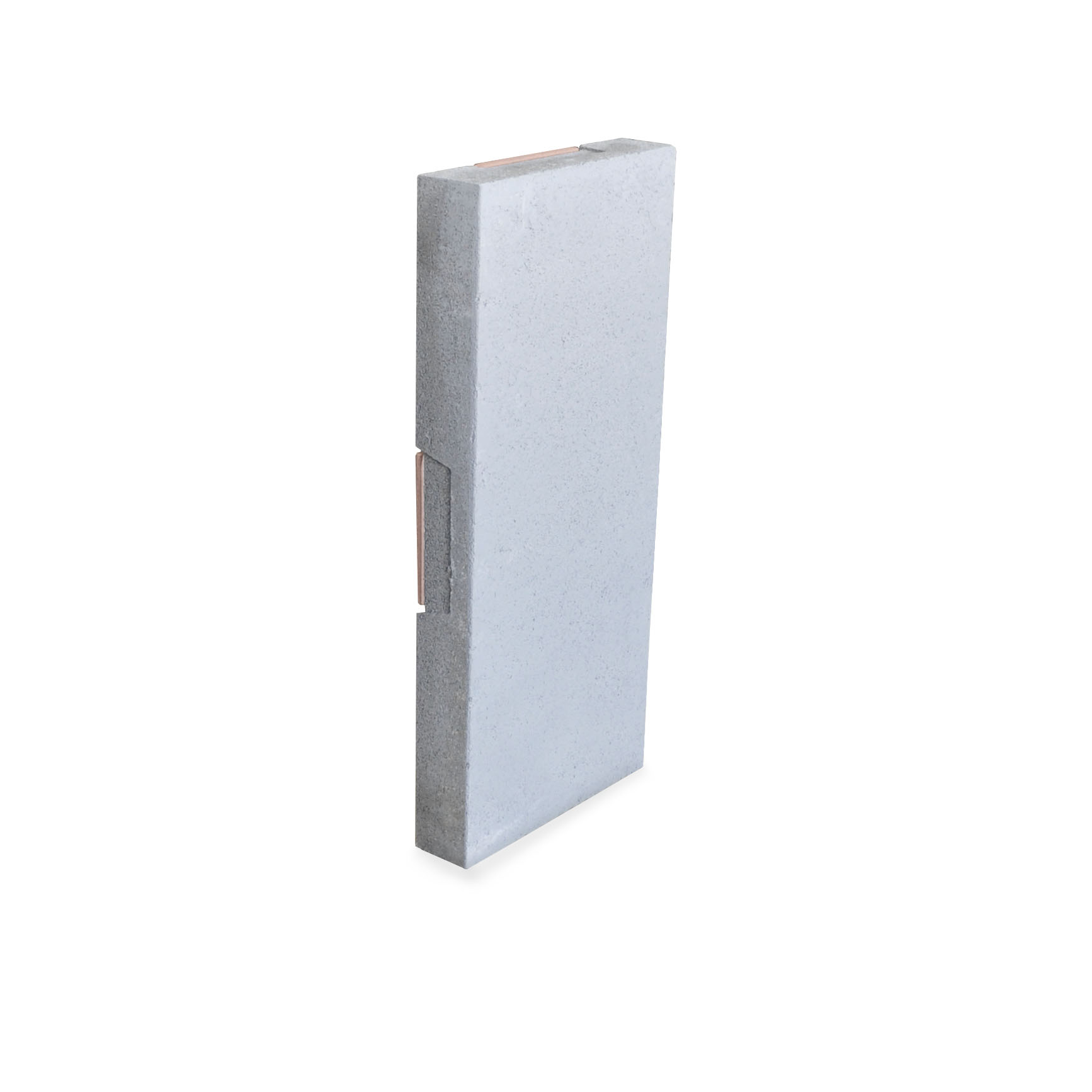
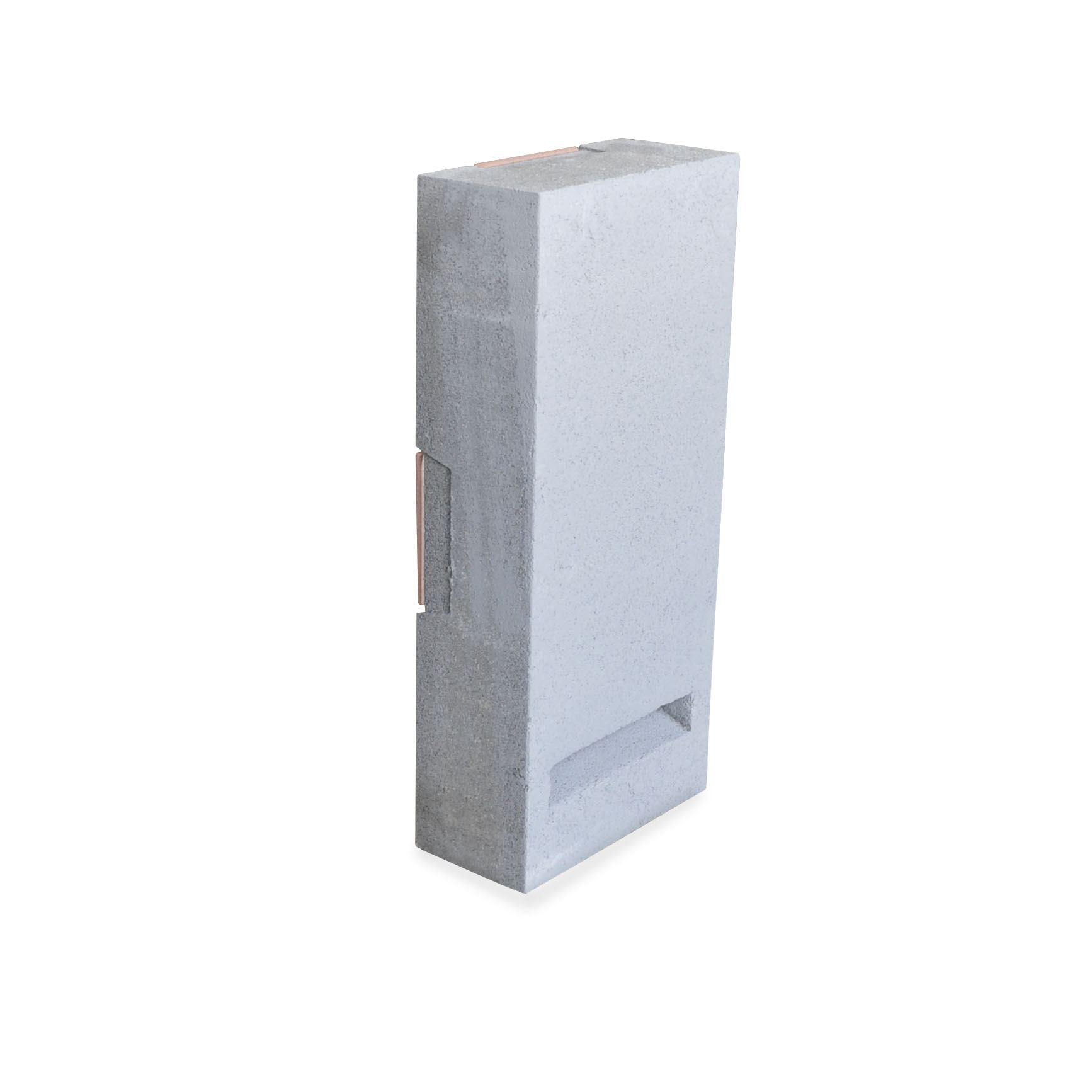
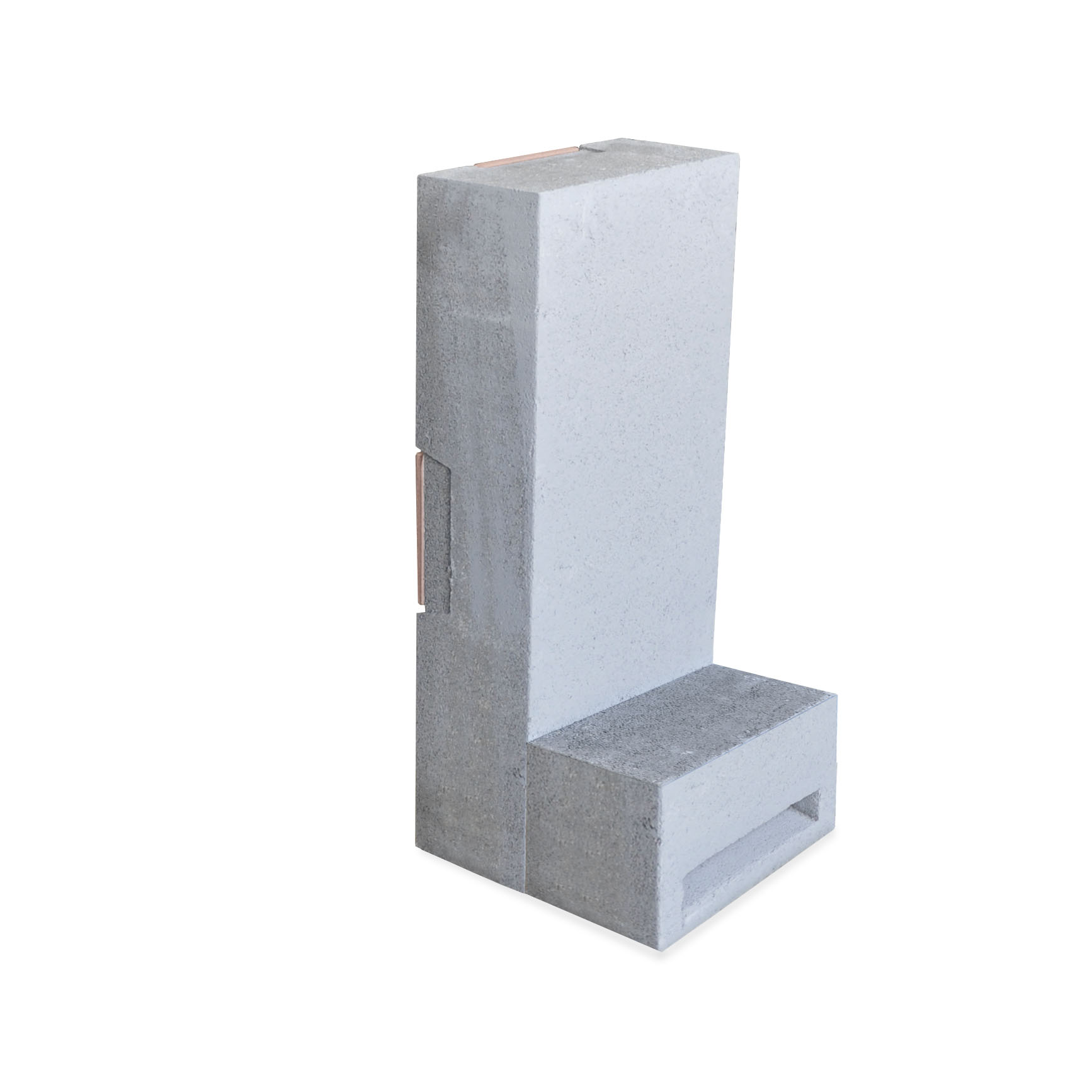
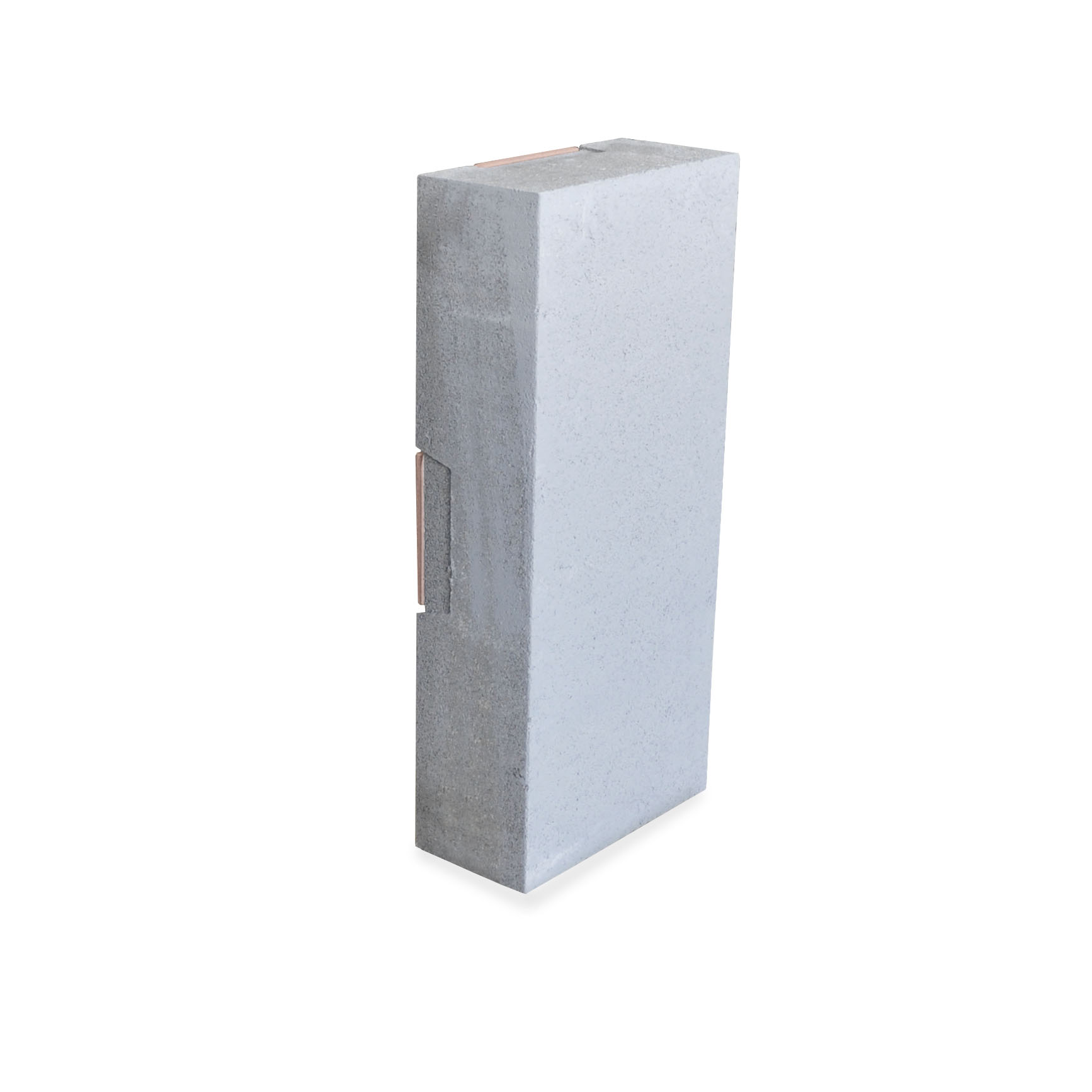
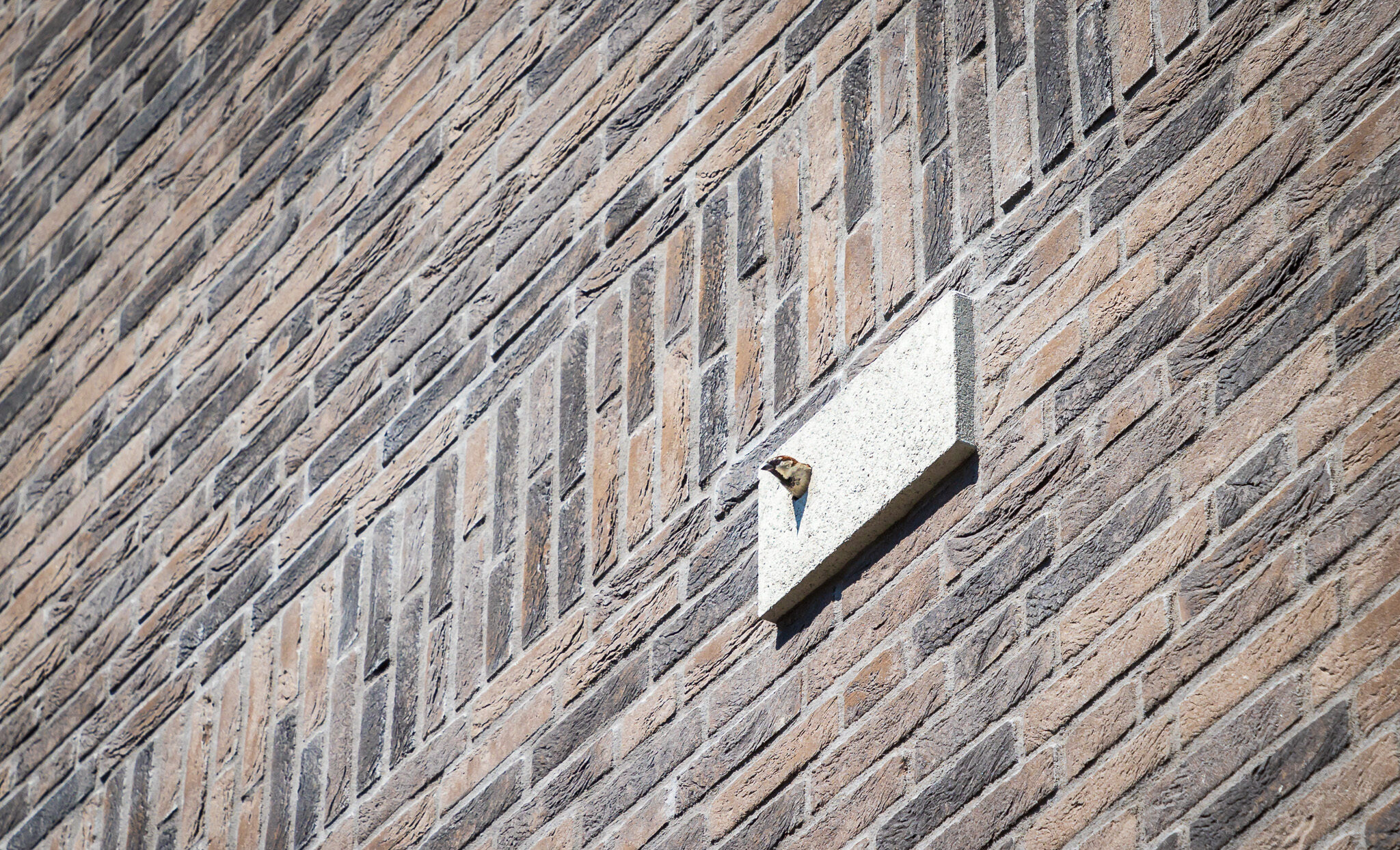
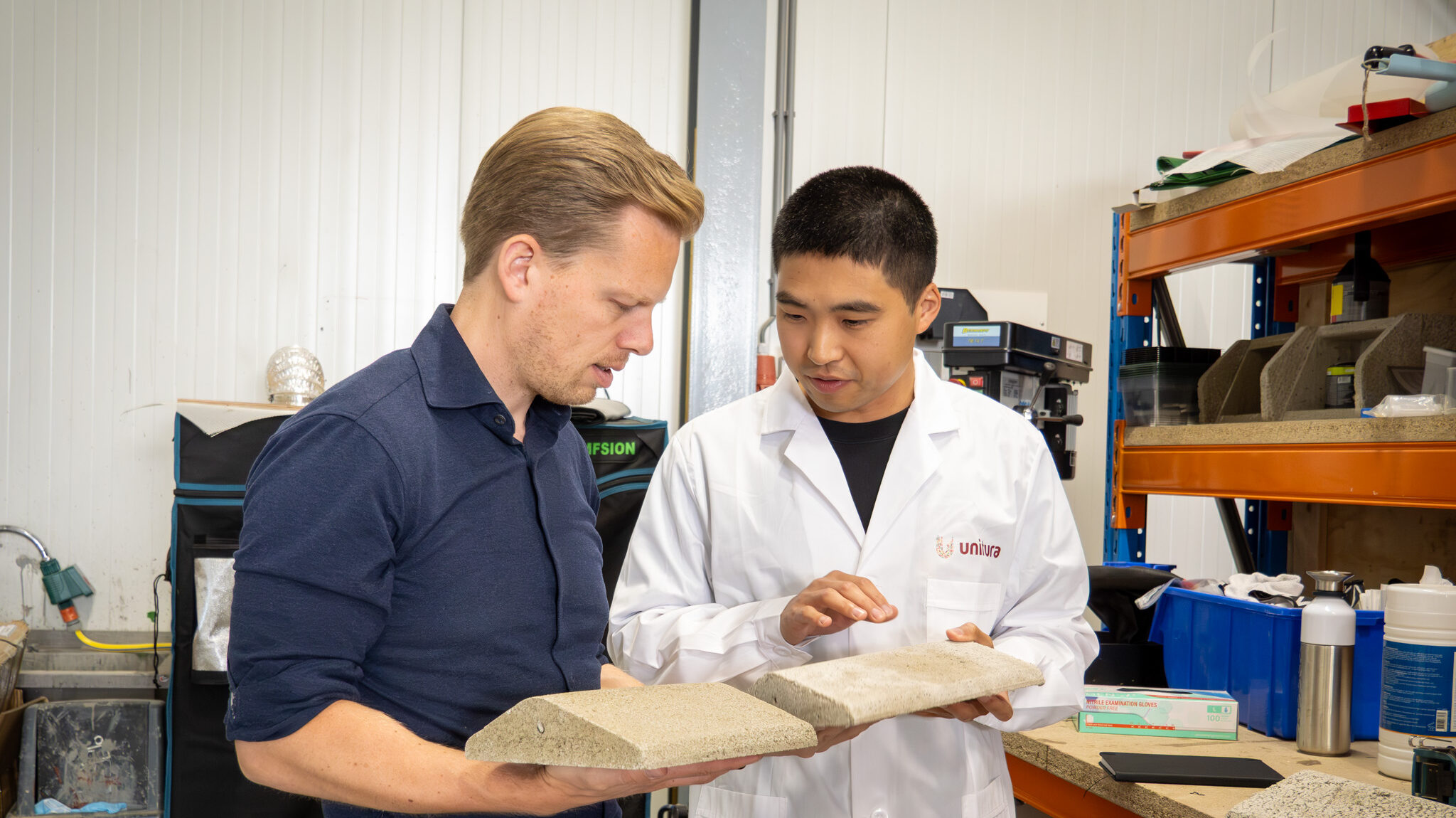
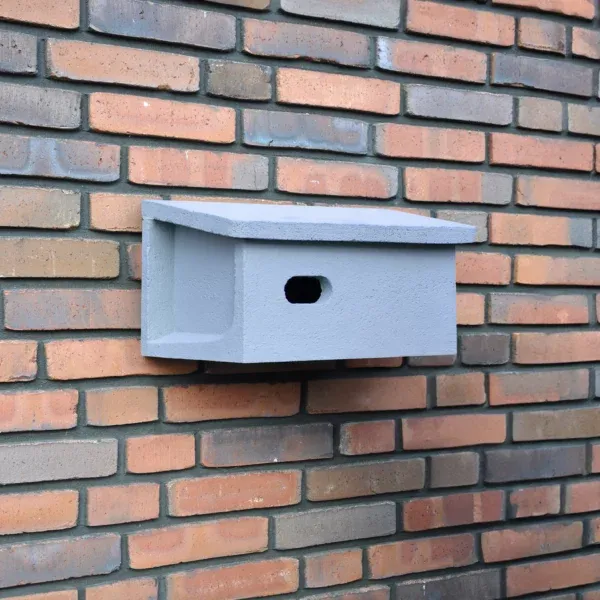
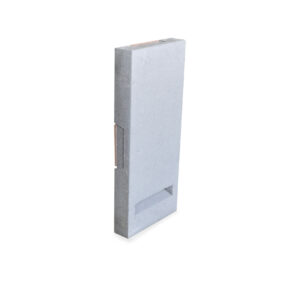
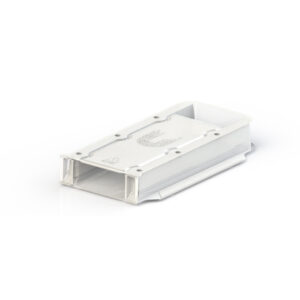
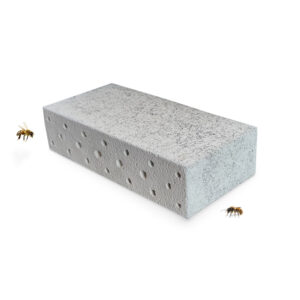
Within the Municipality of Bunschoten project, we are using a range of wildlife features to provide suitable maternity roost opportunities for different bat species. For the common pipistrelle (Pipistrellus pipistrellus), we are applying the VMPMK1 integrated maternity roost feature. Thanks to its modular design, this feature can be installed in a variety of configurations. In addition, it can be connected to adjacent cavity spaces, making it suitable not only for the common pipistrelle but also for the brown long-eared bat (Plecotus auritus) and the whiskered bat (Myotis mystacinus).
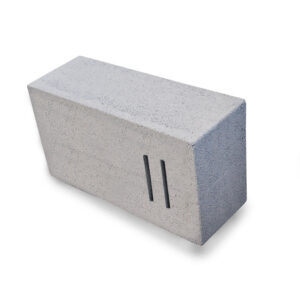
For the serotine (Eptesicus serotinus), we make use of cavity wall roost opportunities created through open perp joints or horizontal access joints. These access points provide direct entry to suitable roosting spaces within the cavity wall, closely reflecting the species’ natural preference for roosting within buildings.
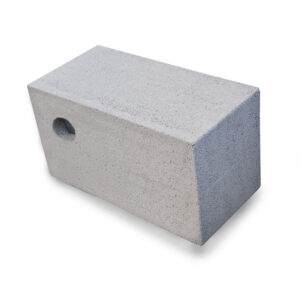
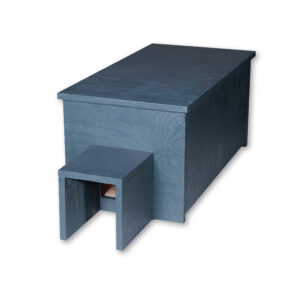
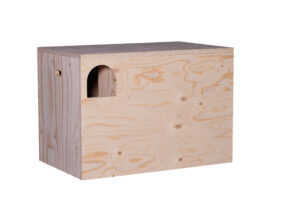
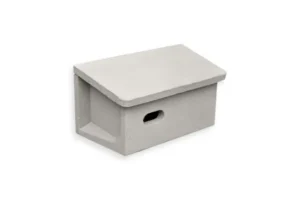
For the brown long-eared bat (Plecotus auritus) and the whiskered bat (Myotis mystacinus), we typically provide a bespoke prefabricated facade cladding feature that has been specifically optimised for these species and complies with the standards commonly applied within Pre-SMP programmes in the Utrecht region. We use a facade cladding design with a straight upper profile, allowing it to be installed beneath horizontal eaves and overhangs. In addition, the feature is finished with durable Rockpanel cladding, ensuring a long service life and minimal maintenance requirements.
The Dutch Ministries of the Interior and Kingdom Relations (BZK) and Agriculture, Nature and Food Quality (LNV), together with the Association of Provincial Authorities (IPO) and the Association of Netherlands Municipalities (VNG), have introduced a temporary national approach for wildlife-friendly insulation works. This allows private homeowners, under certain conditions, to continue insulating their properties. A key element of this approach is the requirement for municipalities to facilitate alternative bat roost opportunities to compensate for the loss of existing roosts during insulation and retrofit works.
The temporary Nature-Friendly Insulation (NFI) approach will remain in force for a maximum period of three years. Over the medium to long term, municipalities are developing a framework based on a (Pre-)Species Management Plan (SMP). Using this framework, municipalities can apply for an area-based licence from the provincial authority. Once granted, this licence can be used not only by private homeowners, but also by other property owners undertaking retrofit, refurbishment and development projects. This approach helps streamline sustainability measures while ensuring that protected species and their roosting opportunities are appropriately safeguarded.
A Species Management Plan (SMP) is a comprehensive strategy developed to protect specific species and enhance their habitat, building upon the foundations established during the Pre-SMP phase. An SMP provides a coordinated, area-based approach to species protection, enabling sustainability, refurbishment and development projects to proceed while safeguarding protected wildlife and maintaining their favourable conservation status.
To support the implementation of Species Management Plans, Unitura has developed its own SMP Manager. This advanced monitoring and management platform has been designed specifically for projects involving protected species. The system supports the planning, monitoring and documentation of ecological measures and compensation requirements throughout the lifecycle of an SMP.
A Species Management Plan typically includes measures for species protection, population monitoring, habitat enhancement, stakeholder engagement and collaboration between municipalities, ecological consultancies, contractors and other project partners. Together, these measures help ensure the long-term conservation and recovery of protected species within the built environment.
All project information is stored within a shared platform that is accessible to all project stakeholders. By centralising documentation and monitoring data, information remains readily available whenever it needs to be reviewed or submitted to the competent authority. This structured approach ensures transparency, improves project efficiency and supports the successful delivery of nature-friendly insulation

 >
> >
> >
> >
> >
> >
> >
> >
> >
>