 >
 >
 >
 >
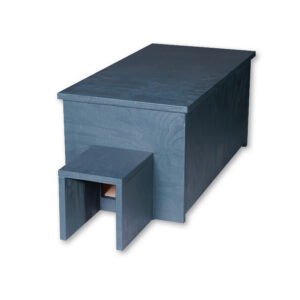 >
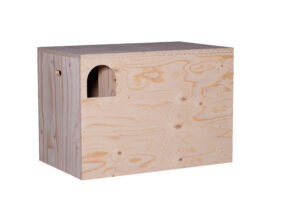 >
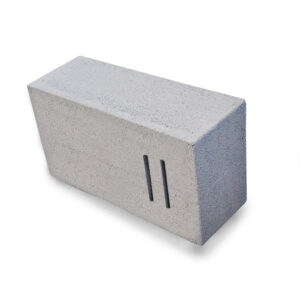 >
 >
 >
We are happy to assist you with issues surrounding nature inclusivity.


 EN
▾
EN
▾
Within this product range, boxes are also available for bats (VMP3) nd house sparrows (HMP3).
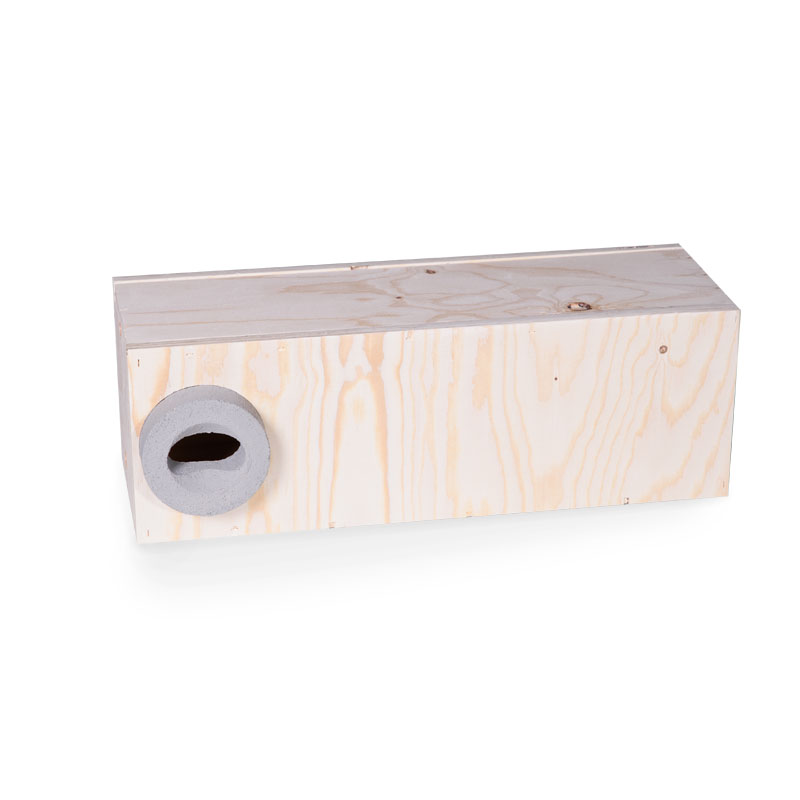


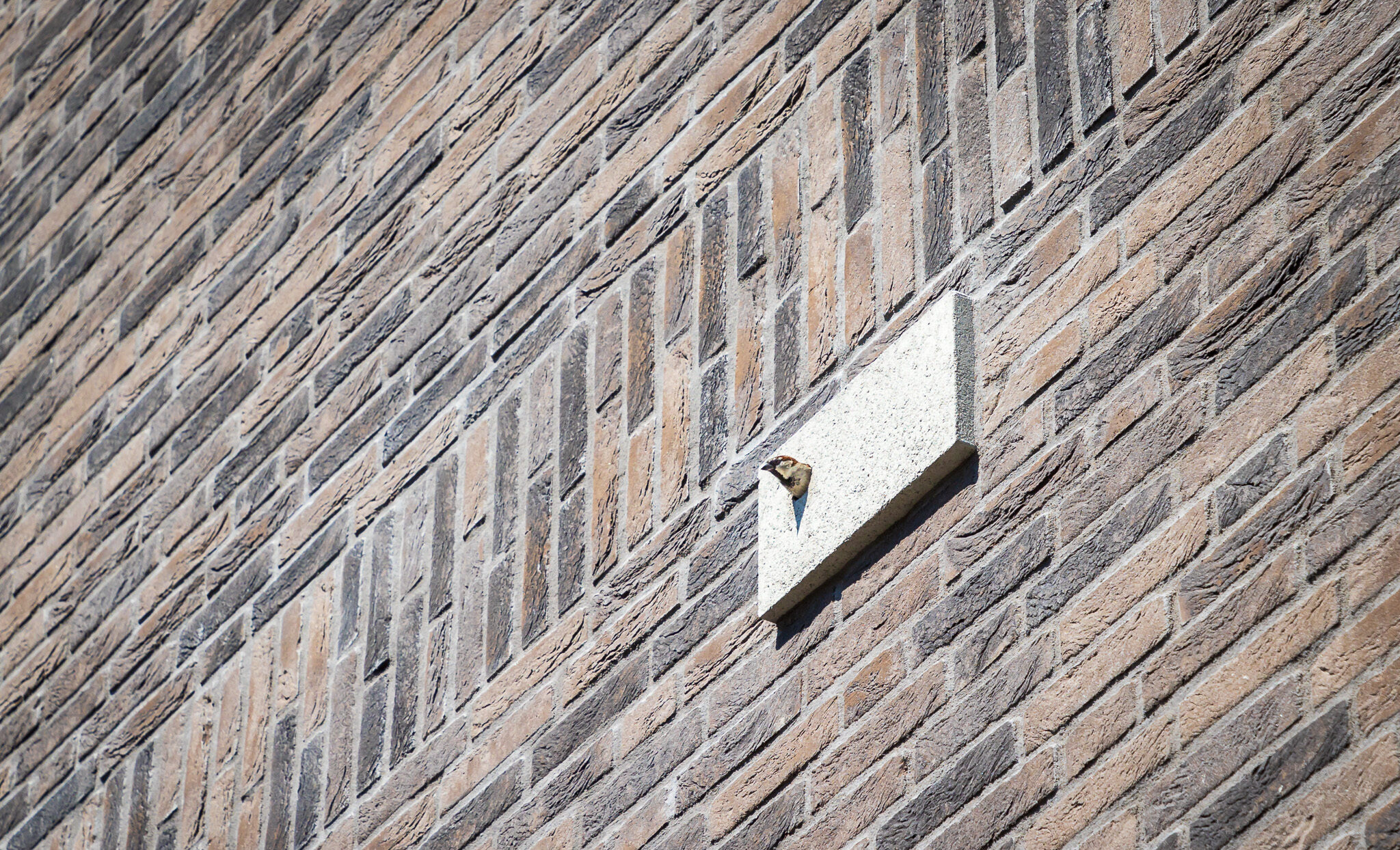
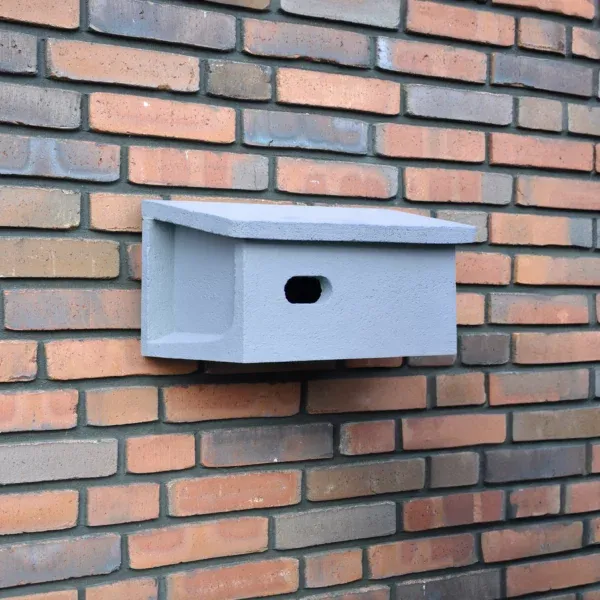
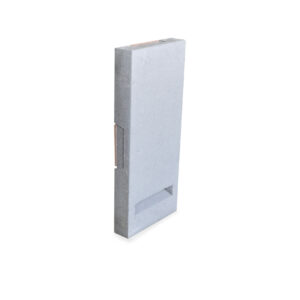
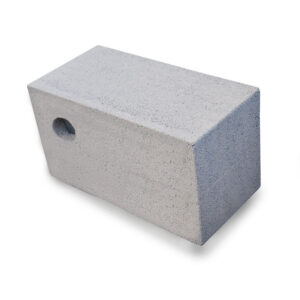
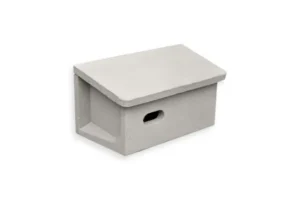
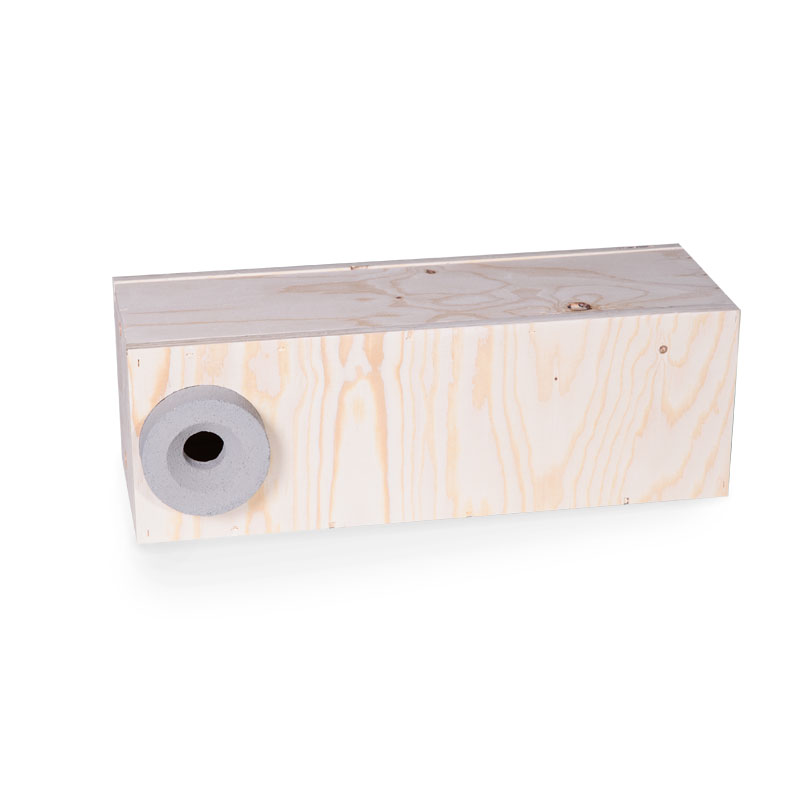
The GZP3 swift nest boxes are made from high-quality plywood, resulting in lightweight boxes that are easy to work with. Each box is fitted with a durable woodcrete entrance brick, providing swifts with optimal grip when entering the nest box. The entrance bricks project slightly, allowing façade cladding to be finished neatly around the entrance brick.
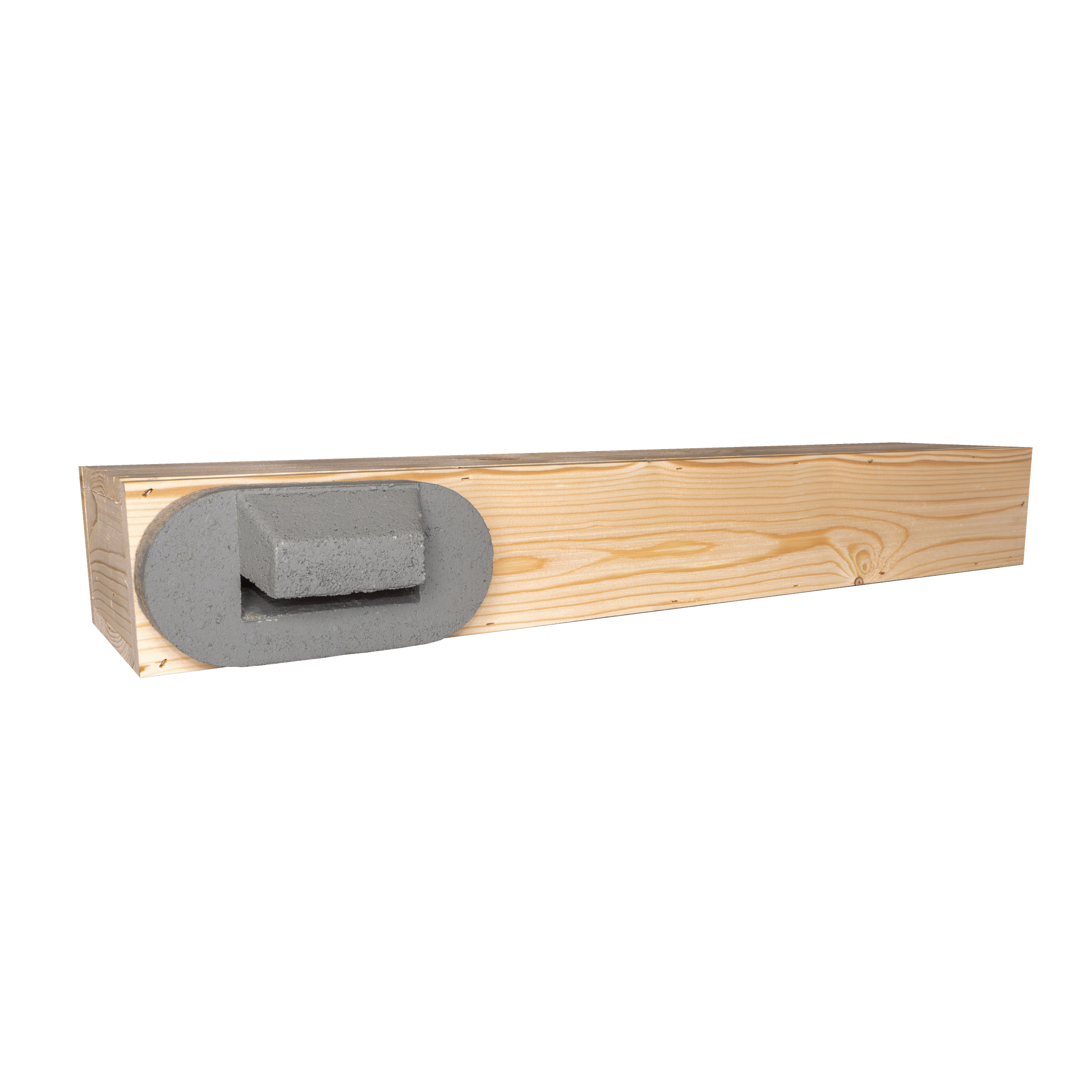
We have recently upgraded our boxes with an angled nesting board and two nest cups. This means they can be installed not only horizontally, but also in left- and right-hand angled eaves with angles ranging from 20 to 50 degrees. For detailed product drawings, please see ‘downloads’.
Installation options
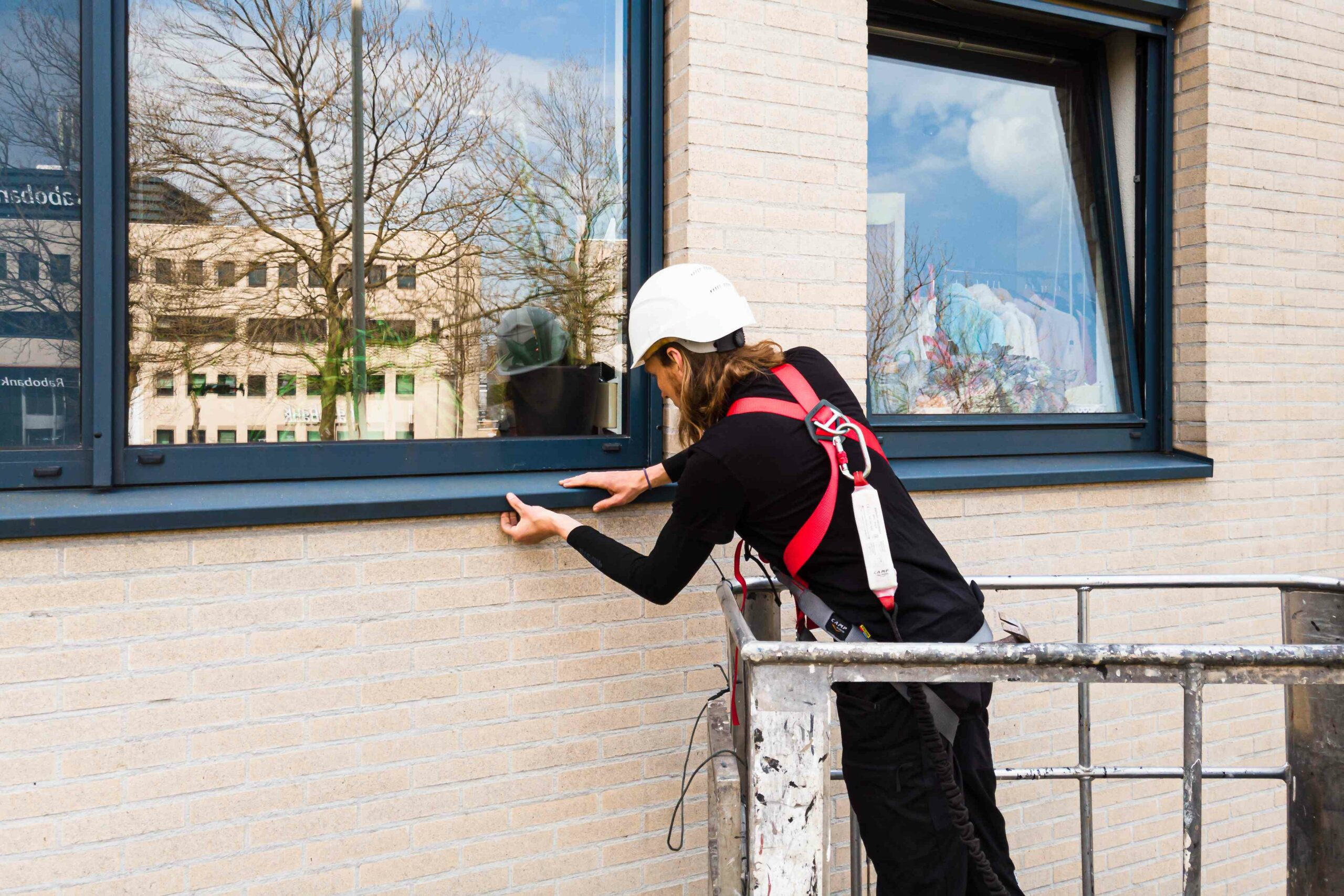
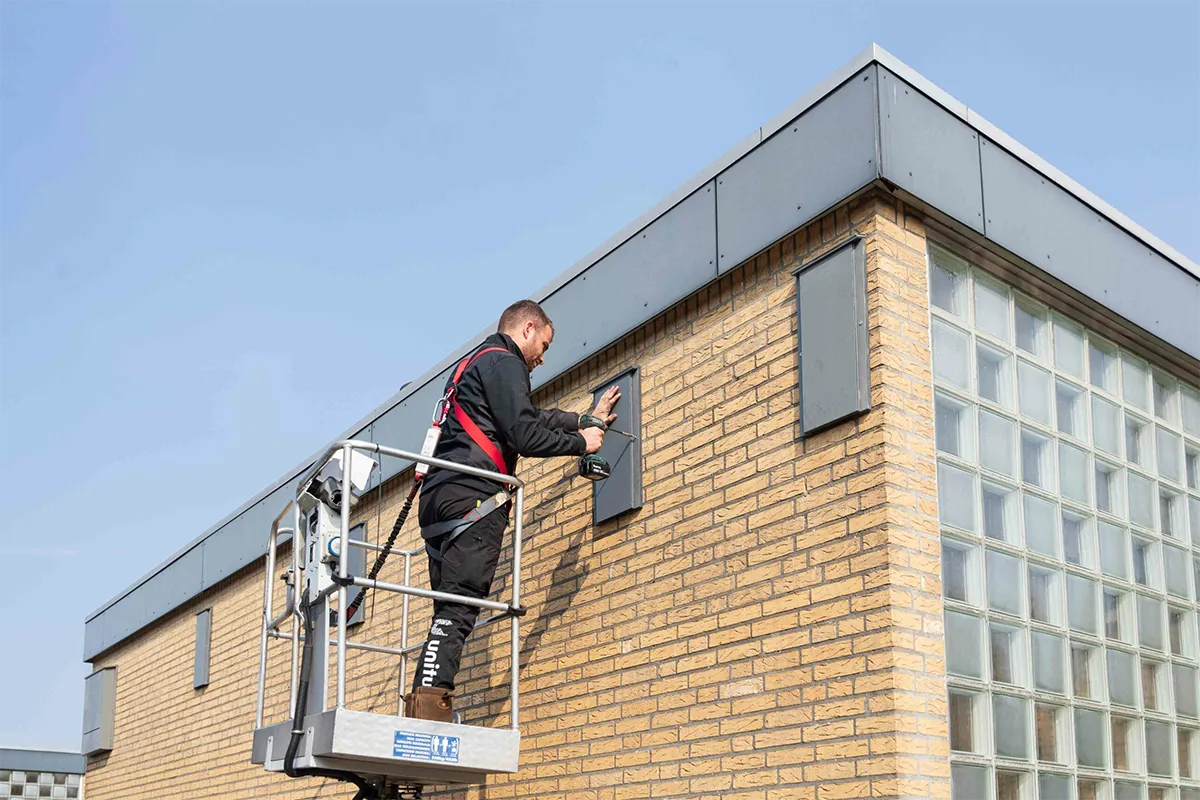
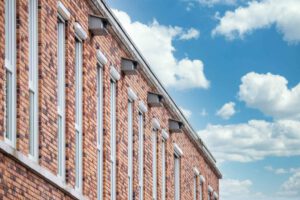
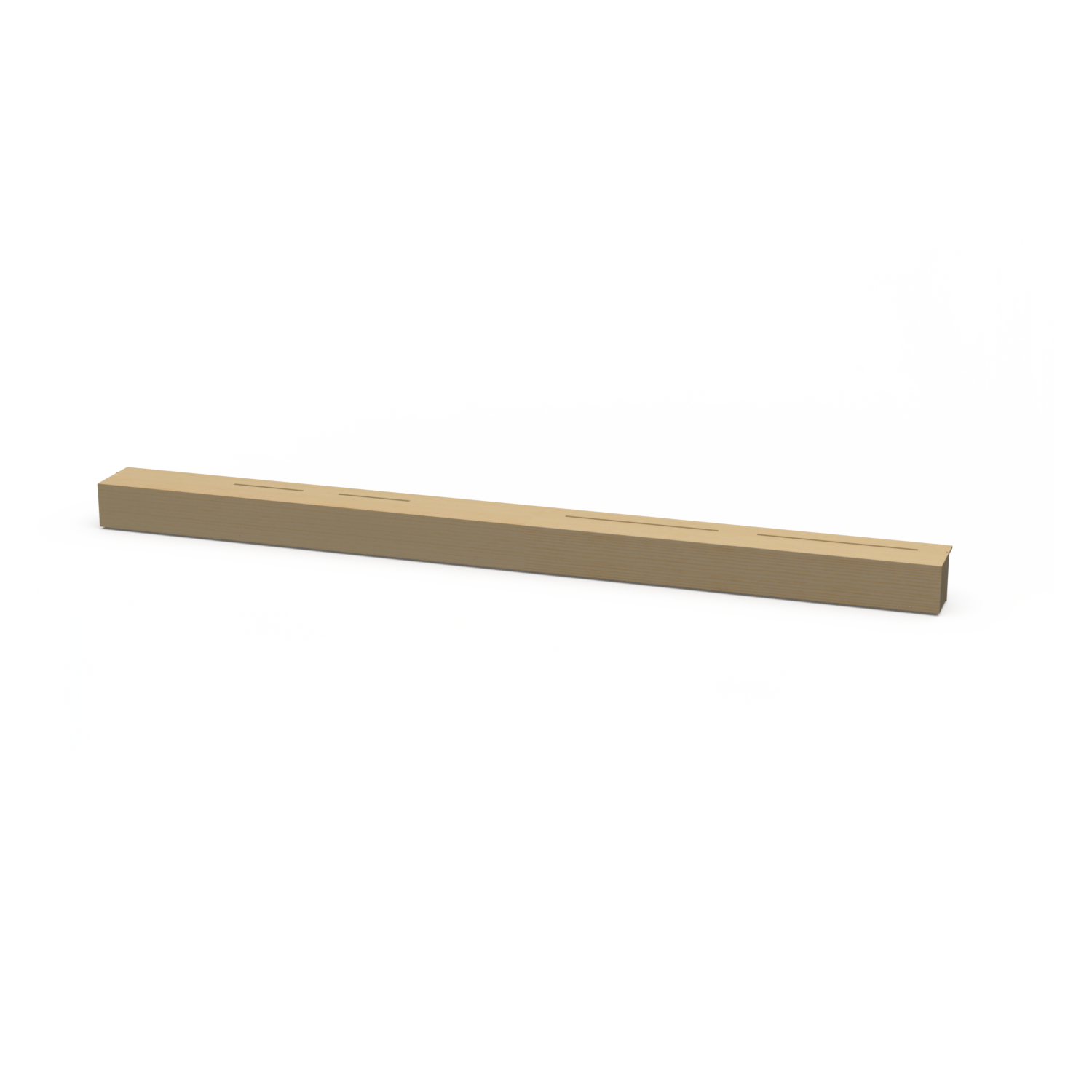
GZP3 swift nest boxes can be installed directly behind façade cladding and are also suitable for installation in prefabricated façade elements with brick slip finishes. The GZP3 box is used, among other applications, in the GZN1 ridge box and G1 eaves cladding. Thanks to the angled nesting board, multiple nest boxes can be integrated into the façade, and they can even be installed in angled eaves, such as on gable ends.
Installing the nest box under the roof edge
If required, our nest boxes can also be installed under the roof edge, with the entrance opening positioned on the underside.
Due to ongoing new-build development, renovation and insulation works, the available space for swift nesting sites is steadily decreasing. Installing a swift nest box therefore provides an excellent solution for offering these birds a suitable breeding site.
Potential use by house sparrows and starlings
In addition to swifts, house sparrows or starlings may also occupy the nest boxes. This can even help attract swifts to discover the nesting site, after which they may eventually take over the nest box.
Swifts are easy to lure with a bait system. For example, use decoy LK2 from Unitura. Decoy sounds are best played in the morning or late evening. Stop playing when the swifts have discovered the nest boxes or facilities. Typically, swifts start breeding the year after they discover the facilities. So don’t be alarmed if a nest is not made in the boxes right away.
Swift boxes should preferably be installed as high as possible. Preferably at least 5m high, where the swifts have a completely free approach route. Avoid trees, canopies or flagpoles that are in the way. Place swift boxes preferably on cold facades (north/east), or in the shade of a wide gutter or overhang. For a more detailed explanation, see Unitura’s Handbook .
Swifts are artificial habitats specifically designed to provide swifts with a place to live in places where they do not naturally occur or are not currently present. Arcadis’ mitigation catalog and BIJ12’s knowledge documents show the physical requirements of swifts for their habitat. Examples of swift boxes include the GZT1, GZT2 and the GZP2.
Mitigation projects under the Nature Conservation Act distinguish between permanent and temporary swift boxes. Typically, temporary swift boxes are first provided in the immediate vicinity of a building being demolished or renovated. Swifts can then temporarily move to these boxes until permanent swifts become available in the new or renovated building. Typically, swift facilities can only qualify as “permanent” if they are highly durable (have the same lifespan as a building) and if they are part of the building’s architecture (the facilities should not be easily removed).
Temporary swift boxes are swift boxes intended as temporary places of refuge for swifts. Mitigation projects under the Nature Conservation Act distinguish between permanent and temporary swift boxes. Typically, temporary swift boxes are first provided in the immediate vicinity of a building being demolished or renovated. Swifts can then temporarily move to these boxes until permanent facilities become available.

We are happy to assist you with issues surrounding nature inclusivity.