We are happy to assist you with issues surrounding nature inclusivity.
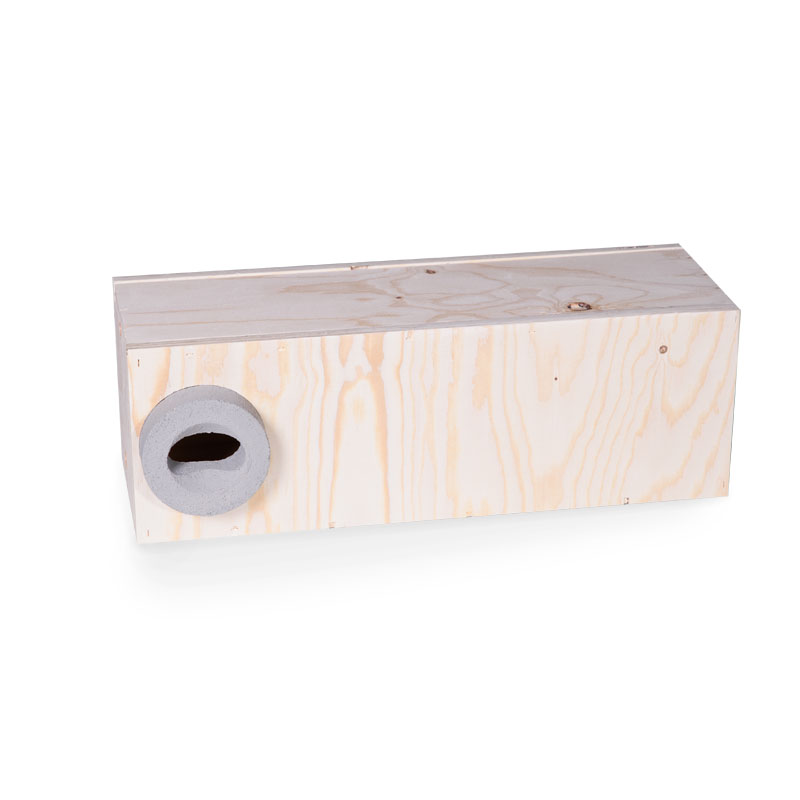
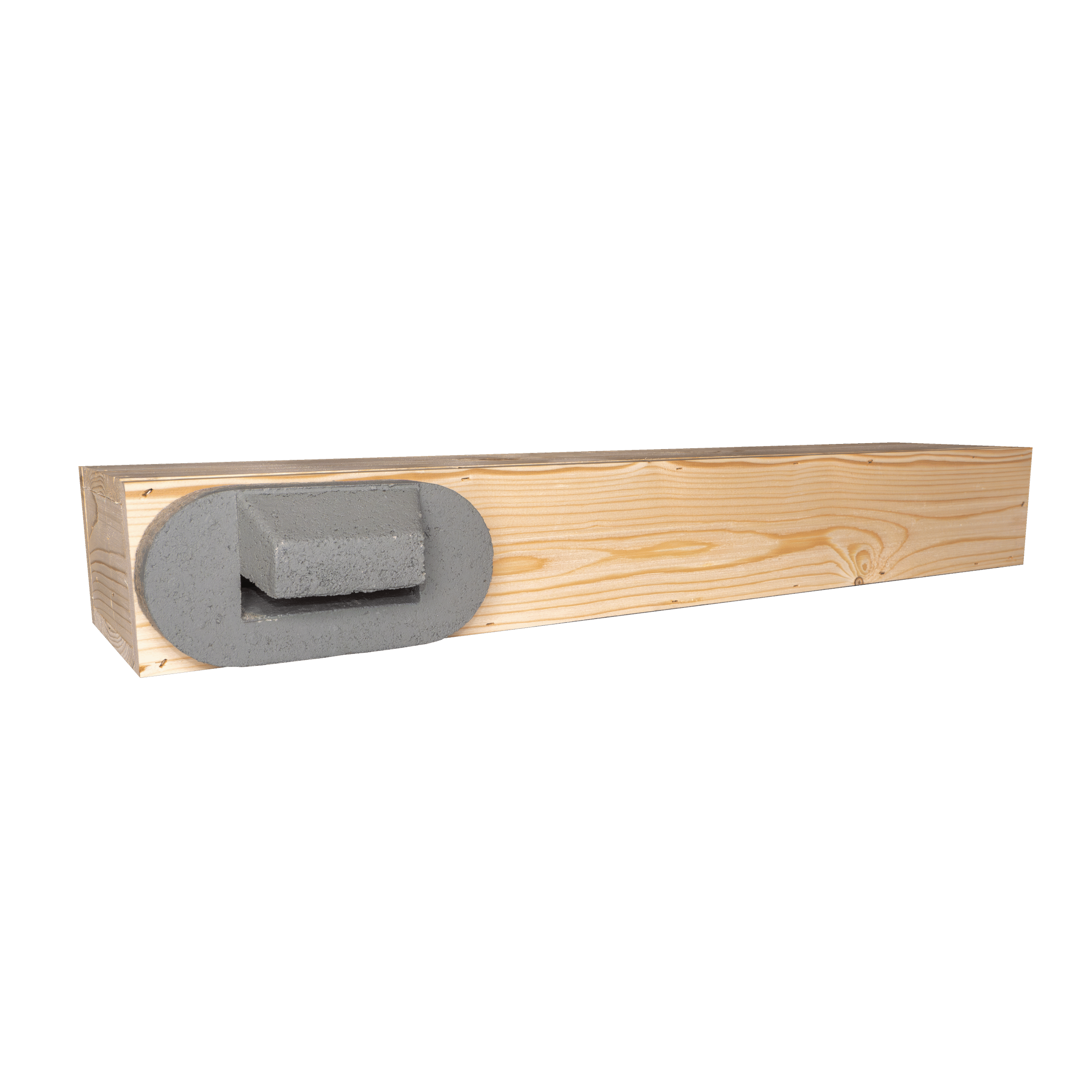
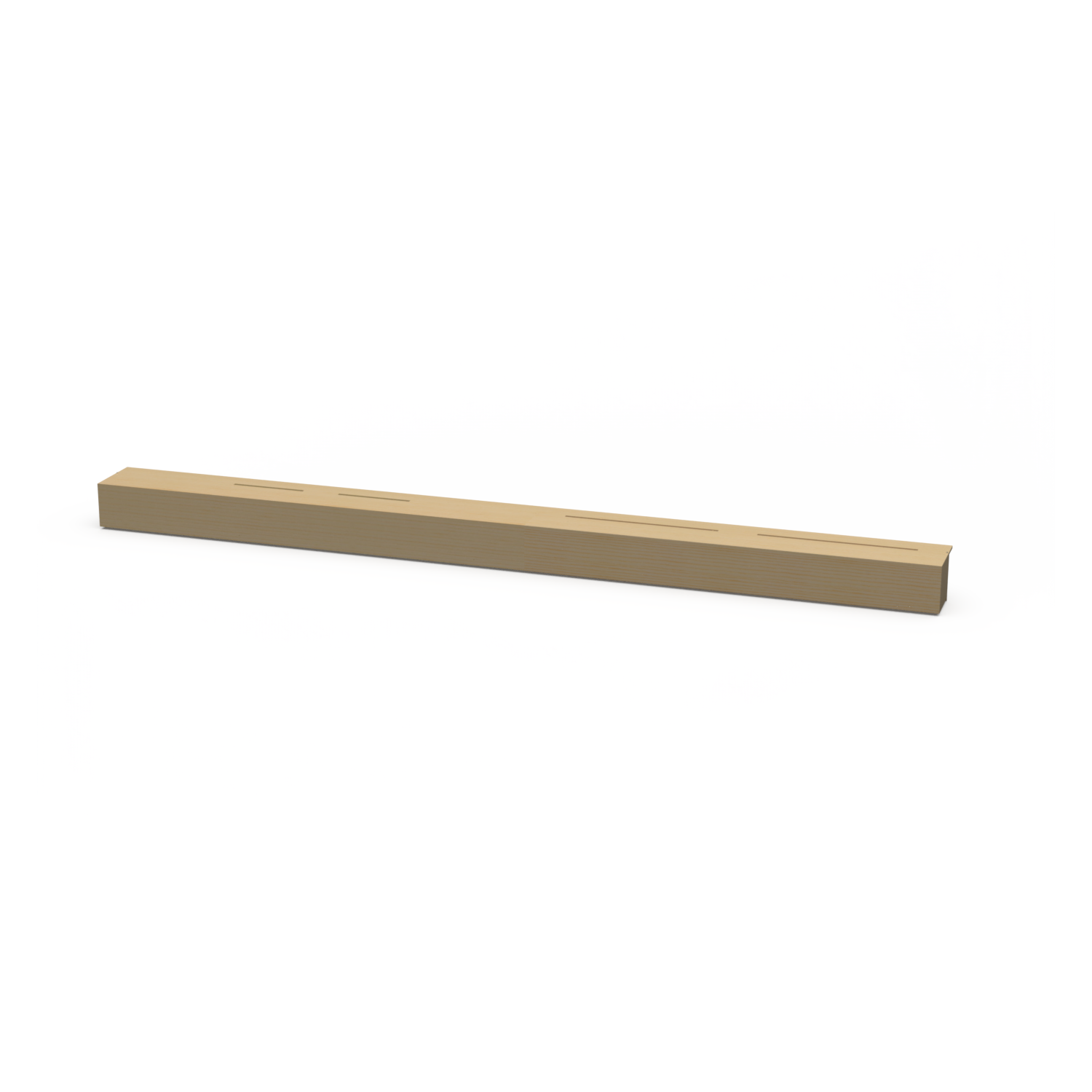
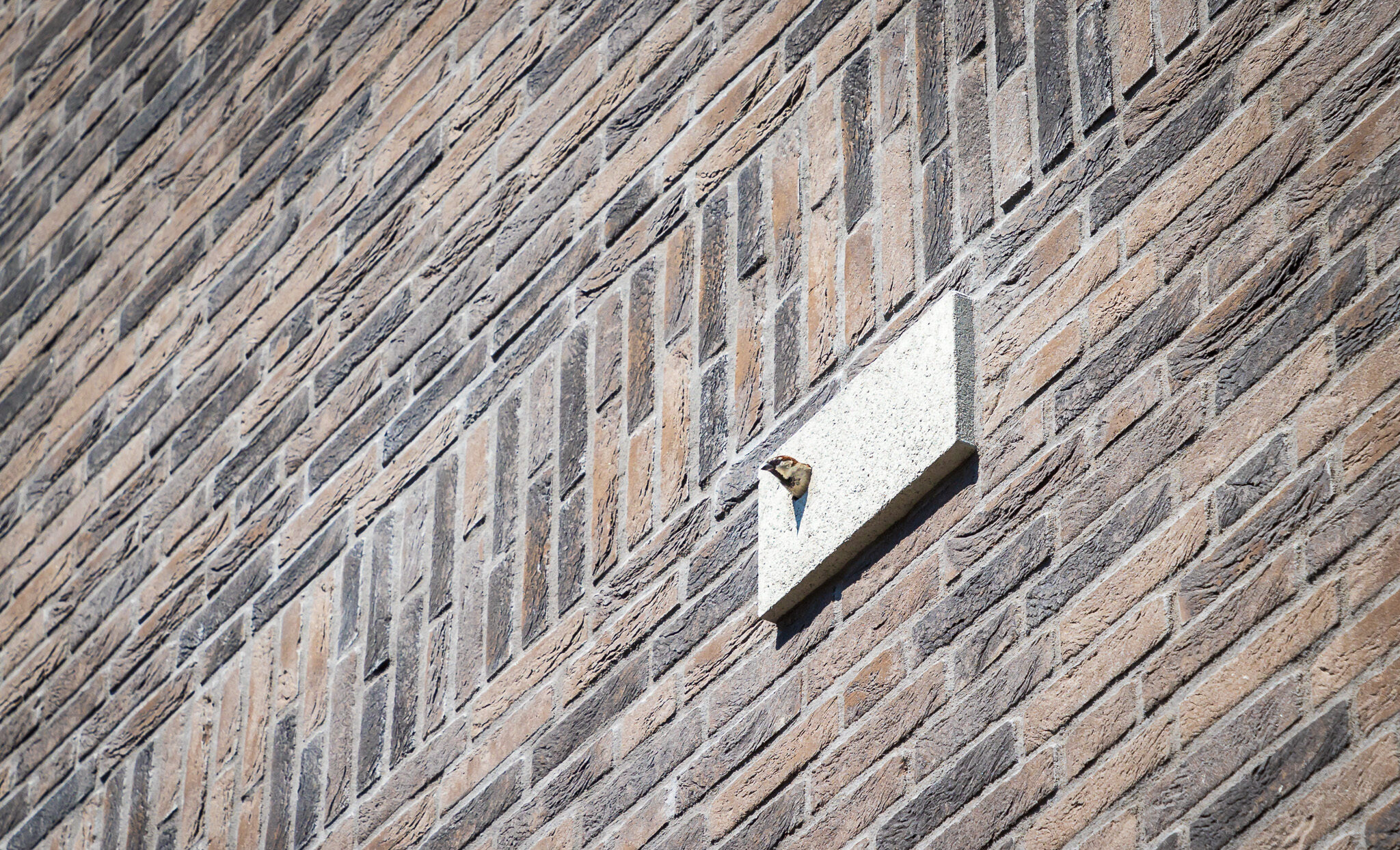
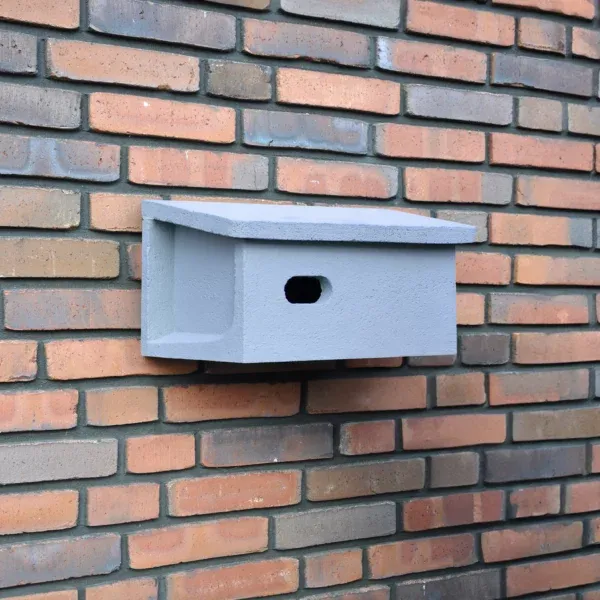
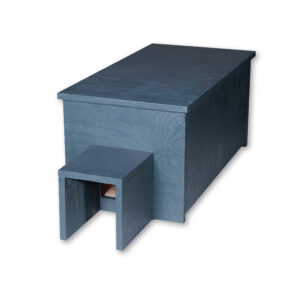
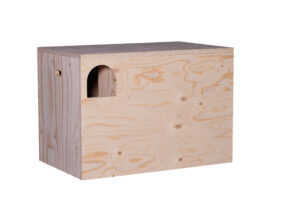
This house sparrow box has been specifically designed for installation behind façade cladding and in prefabricated wall constructions. Boxes for bats (VMP3) and swifts (GZP3) are also available within this product line.
Design
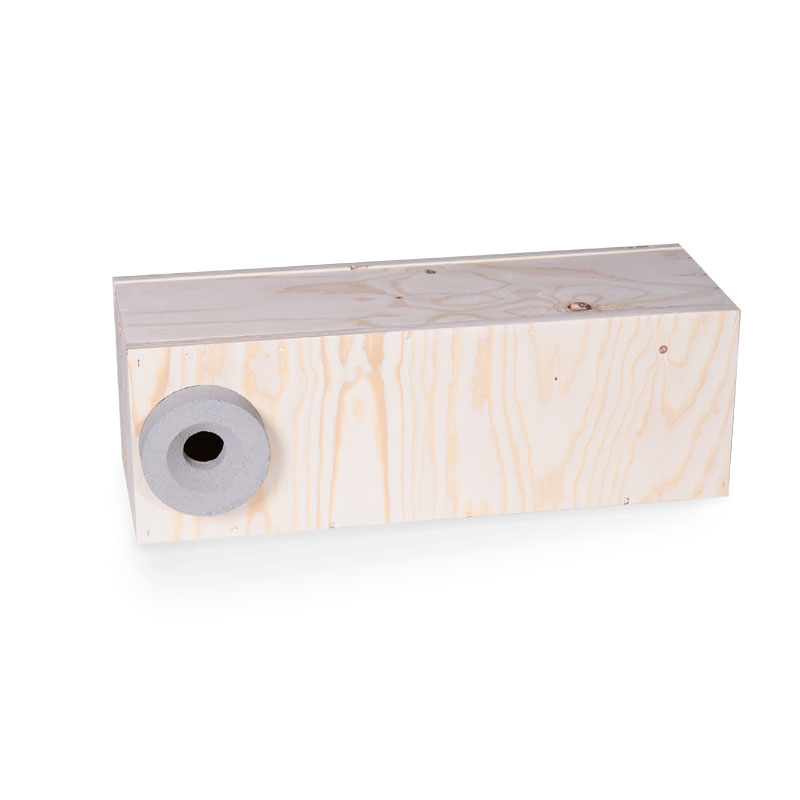
The box is made from plywood. This makes the boxes lightweight and easy to work with. The boxes are fitted with a woodcrete entrance brick. This entrance brick gives house sparrows plenty of grip when entering the box. The entrance bricks project slightly, allowing façade cladding to be finished neatly around the entrance brick.
Installation
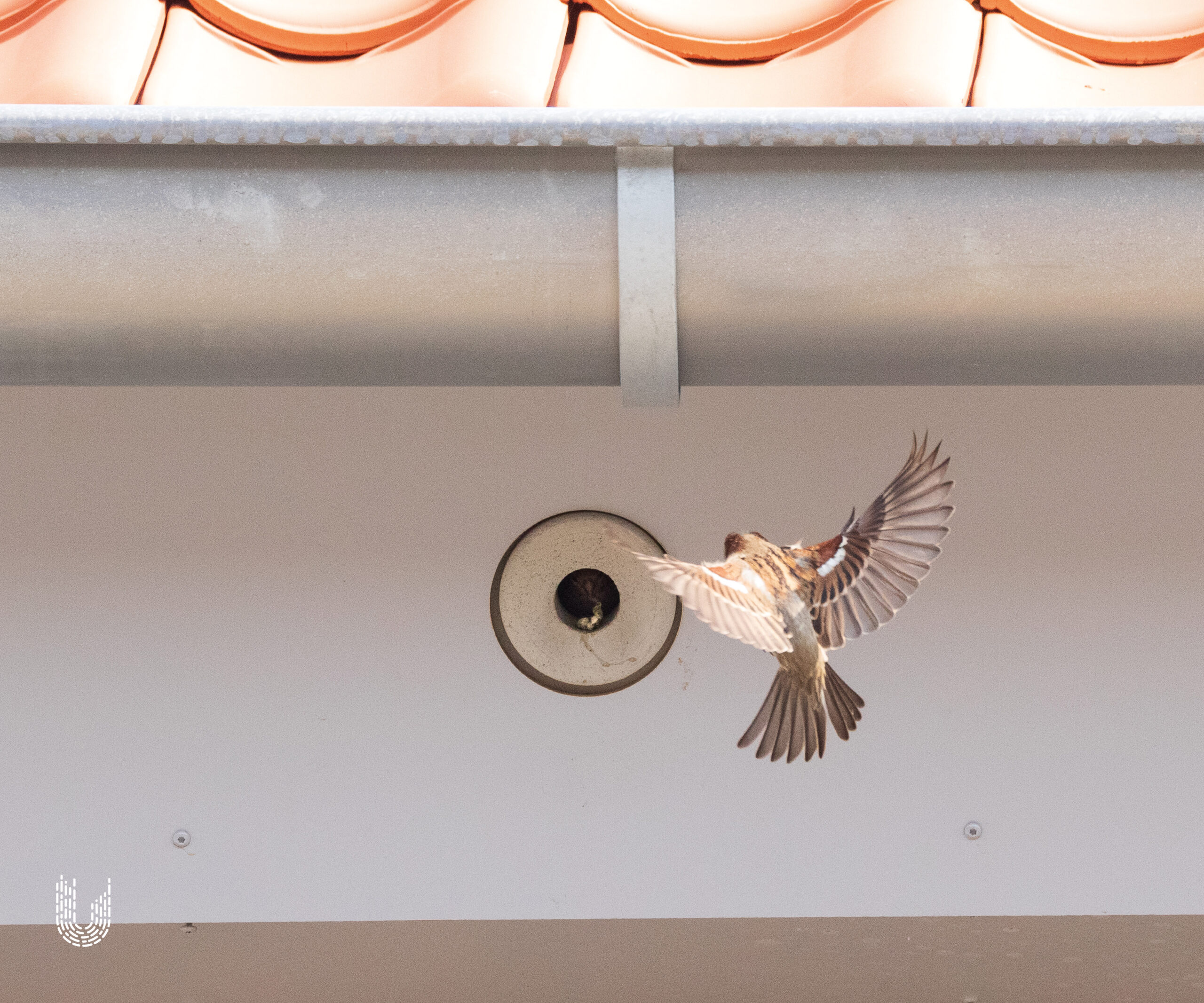
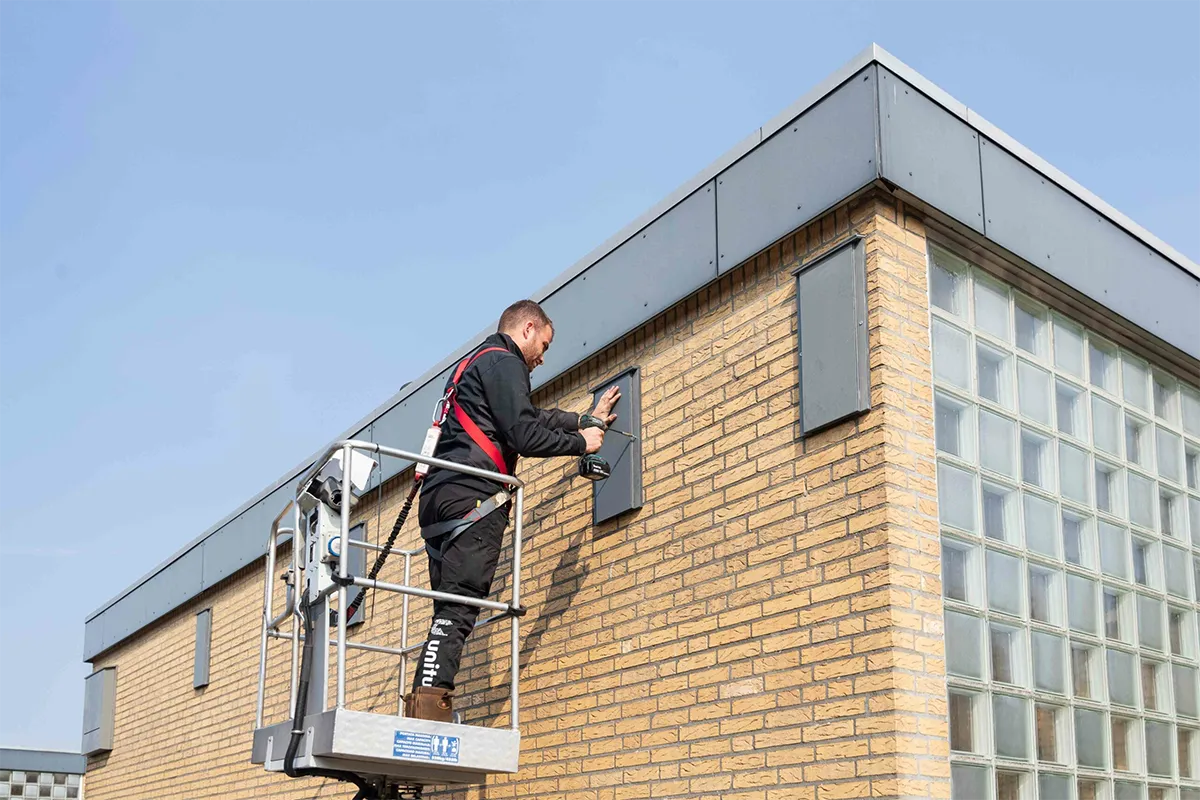
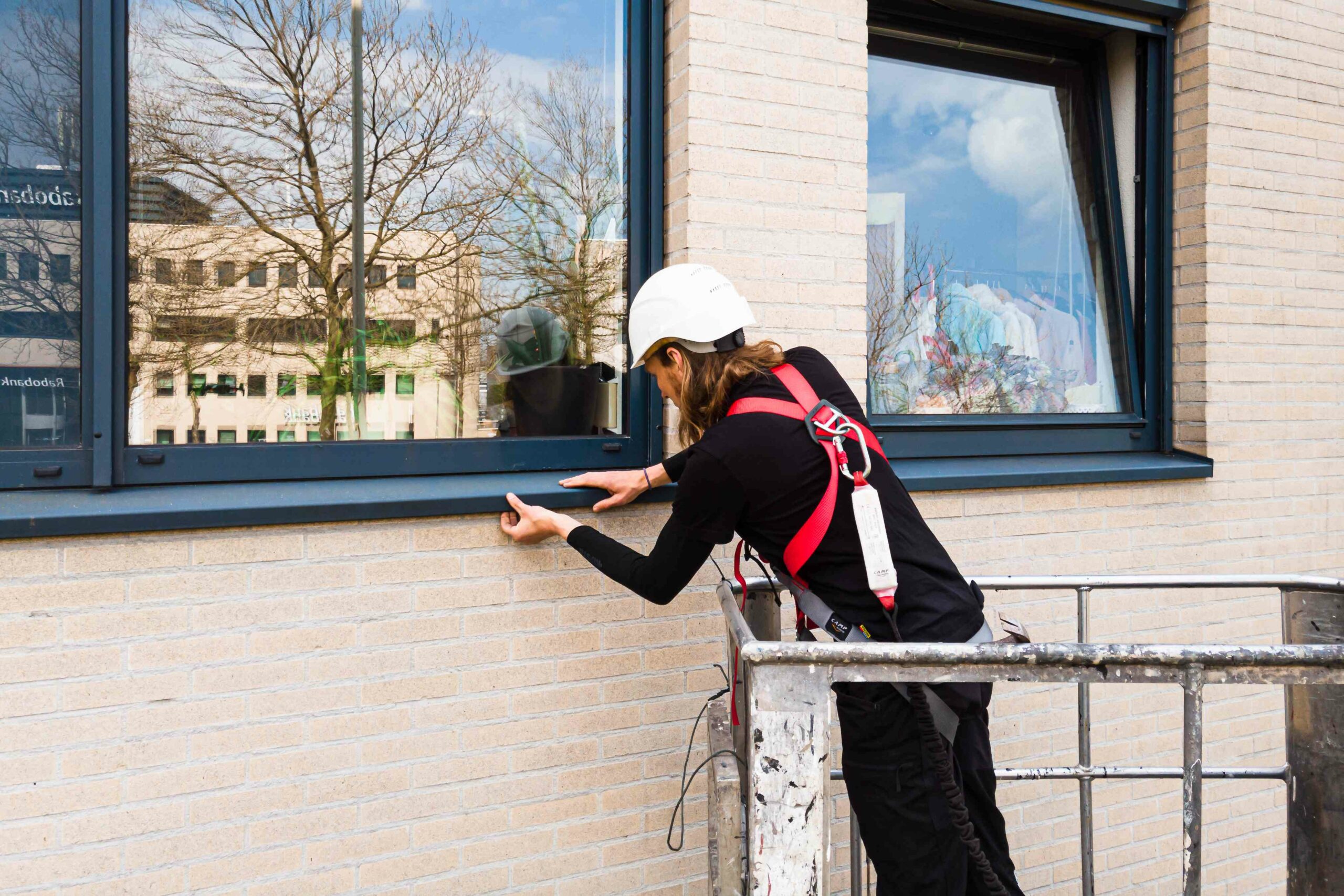
The boxes can be installed directly behind façade cladding. Installation in prefabricated façade elements with brick slip finishes is also possible. Box HMP3 is used, among other applications, in G1 eaves cladding.

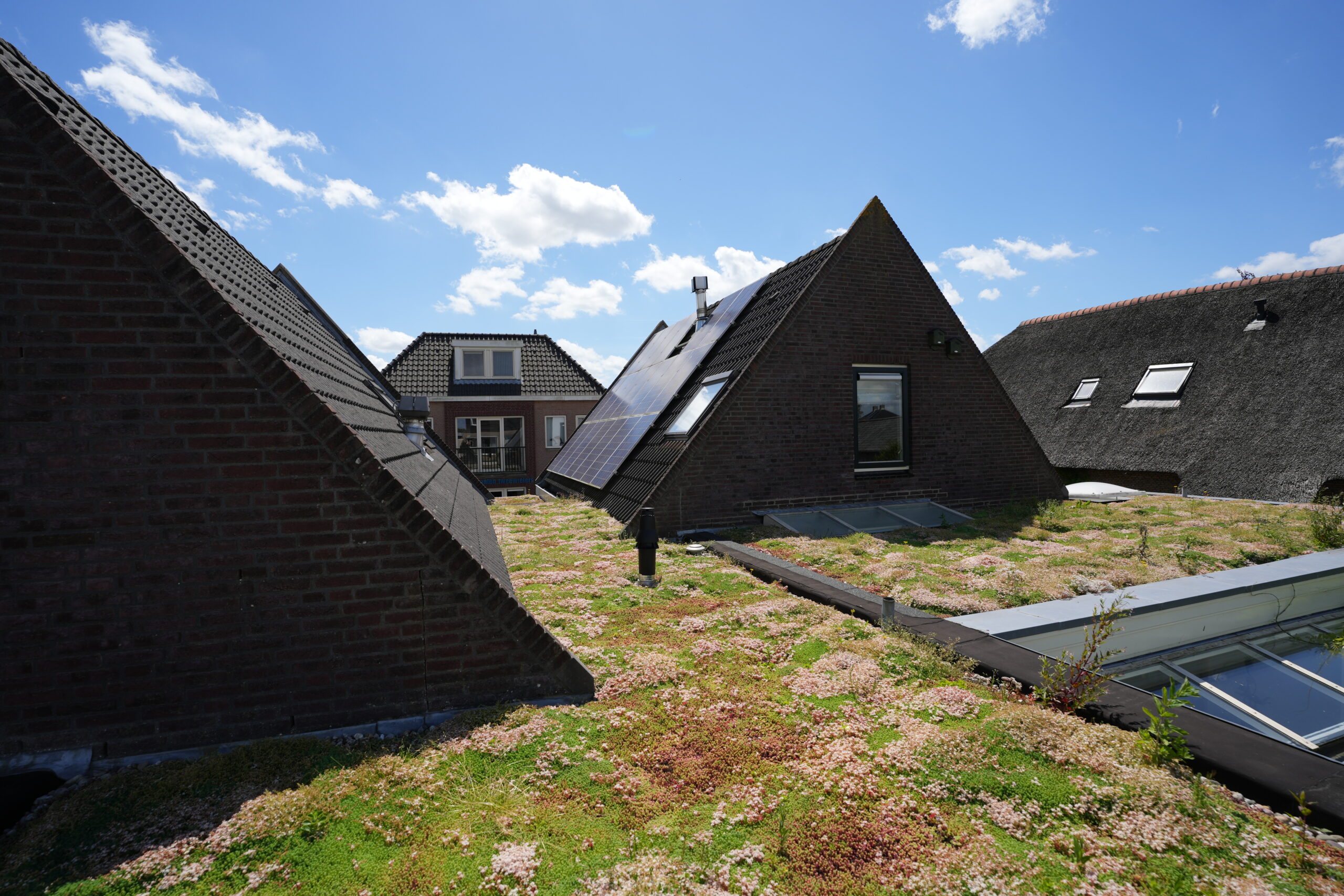
Traditionally, house sparrows like to stay under roof tiles. It regularly happens that house sparrows need to find a place under the roof tiles again after a renovation. In such cases, it is important to apply grip netting (GG2) under the battens and roofing sheets to give house sparrows sufficient grip and to protect the underlying foil or roofing sheet. It is also important to use high battens and battens. Standard battens are not high enough. In addition, the use of convex roof tiles is recommended. When using bird scraps apply them behind the third tile.
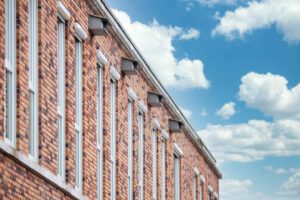
House sparrow boxes are best placed between 3m and 12m high. Whereby positions at the height of the eaves (about 6m) are most preferred. Position house sparrows preferably on cold facades (north/east). Make sure there is enough space under the nest box. House sparrow boxes work best if there is greenery near the box (within 10m). For a more detailed explanation, see Unitura’s Handbook .
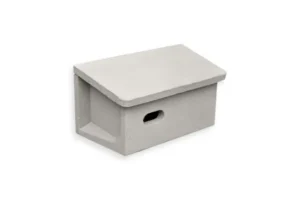
Double house sparrow boxes are specifically designed to compensate for the legal mitigation target of two residences per nest site encountered at one time. Thus, double house sparrow boxes are primarily a practical addition. The HMT2 is a double house sparrow box.
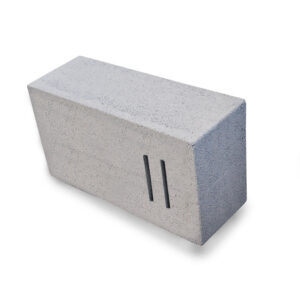
House sparrow boxes are artificial habitats specially designed to provide house sparrows with a place to stay in places where they do not naturally occur. Arcadis’ mitigation catalog and BIJ12’s knowledge documents show the physical requirements that house sparrows have for their habitat. Examples of house sparrow boxes include the HMT1 and the HMP2.
Mitigation projects under the Nature Conservation Act distinguish between permanent and temporary house sparrow boxes. Usually, temporary house sparrow boxes are first offered in the immediate vicinity of a building that is being demolished or renovated. House sparrows can then temporarily move to these hives until permanent house sparrow hives become available in the new or renovated building. Typically, house sparrow boxes can only be considered “permanent” if they are very durable (have the same lifespan as a building) and if they are part of the building’s architecture (the boxes should not be easily removed).
Temporary house sparrow boxes are house sparrow boxes intended as a temporary refuge for house sparrows. Mitigation projects under the Nature Conservation Act distinguish between permanent and temporary house sparrow boxes. Usually, temporary house sparrow boxes are first offered in the immediate vicinity of a building that is being demolished or renovated. House sparrows can then temporarily move to these boxes until the permanent house sparrow boxes become available.
We are happy to assist you with issues surrounding nature inclusivity.