 >
> >
> >
> >
> >
> >
> >
> >
> >
>
We are happy to assist you with issues surrounding nature inclusivity.


 EN
▾
EN
▾
EN
▾
EN
▾
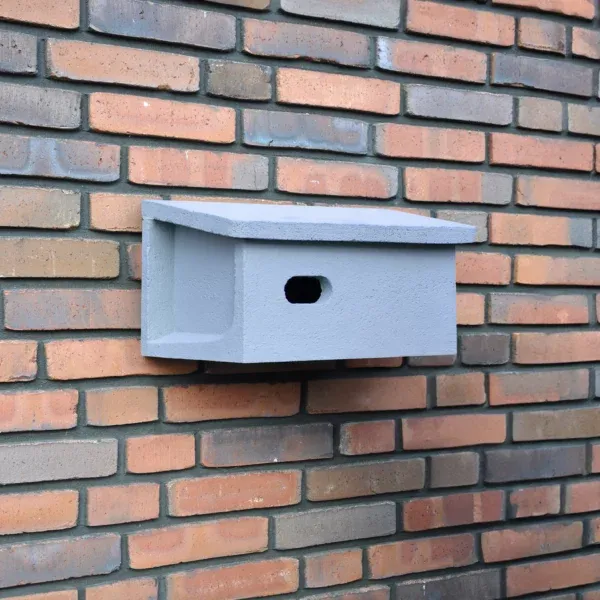
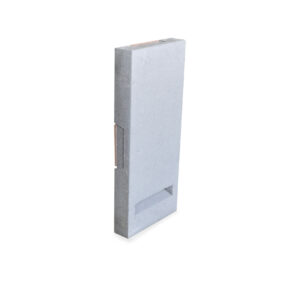
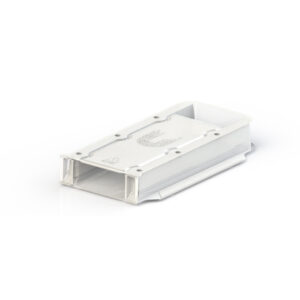
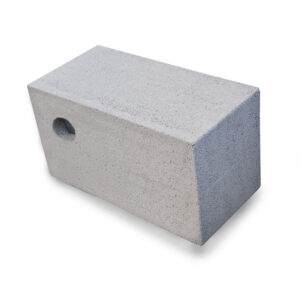
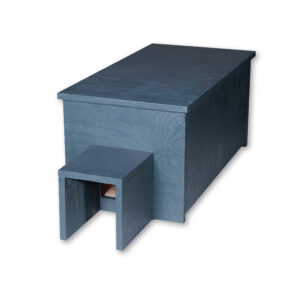
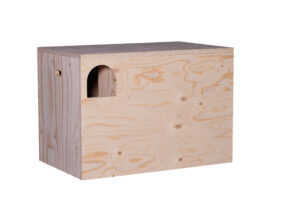
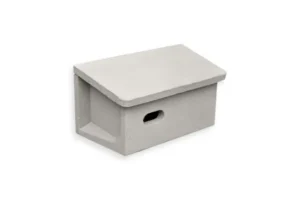
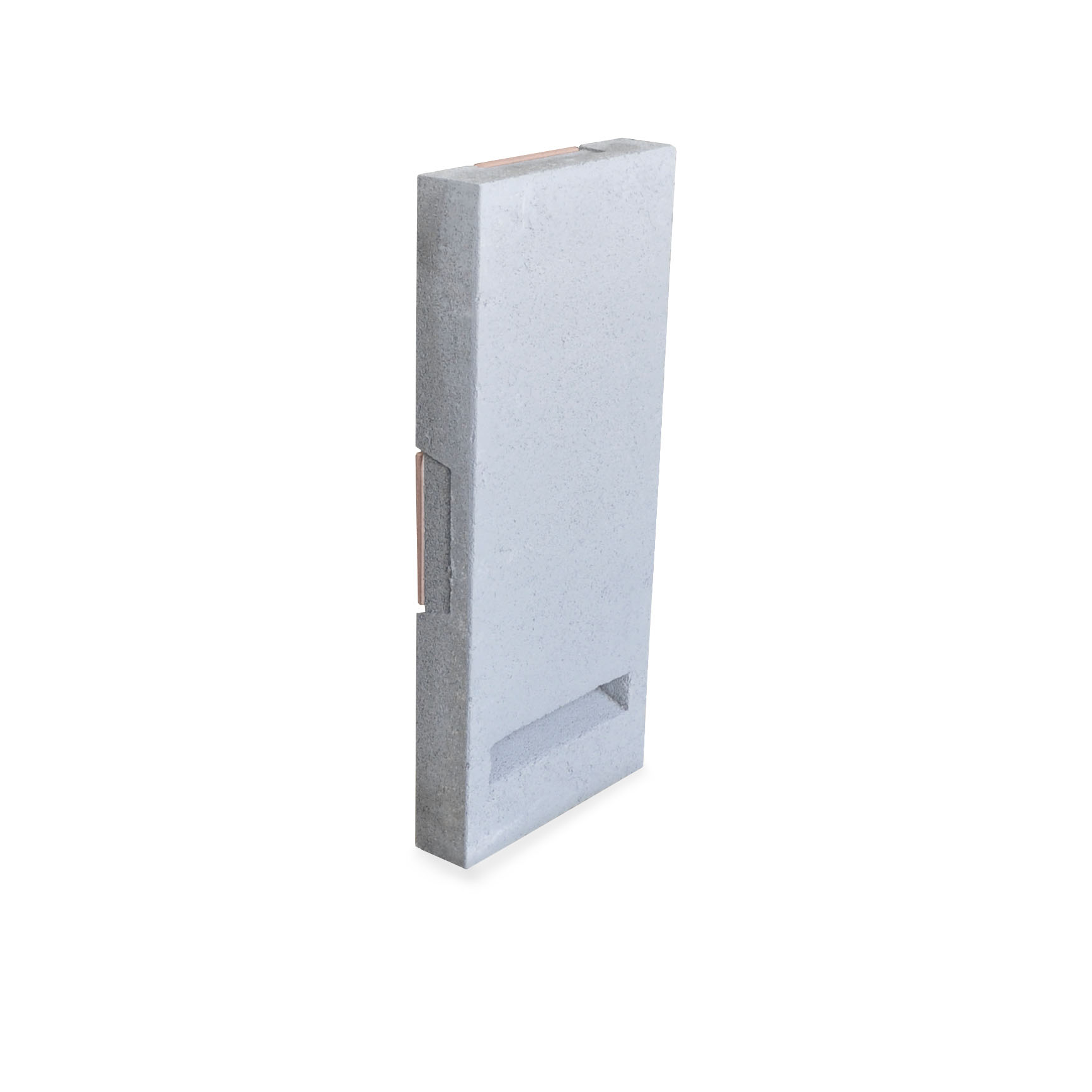
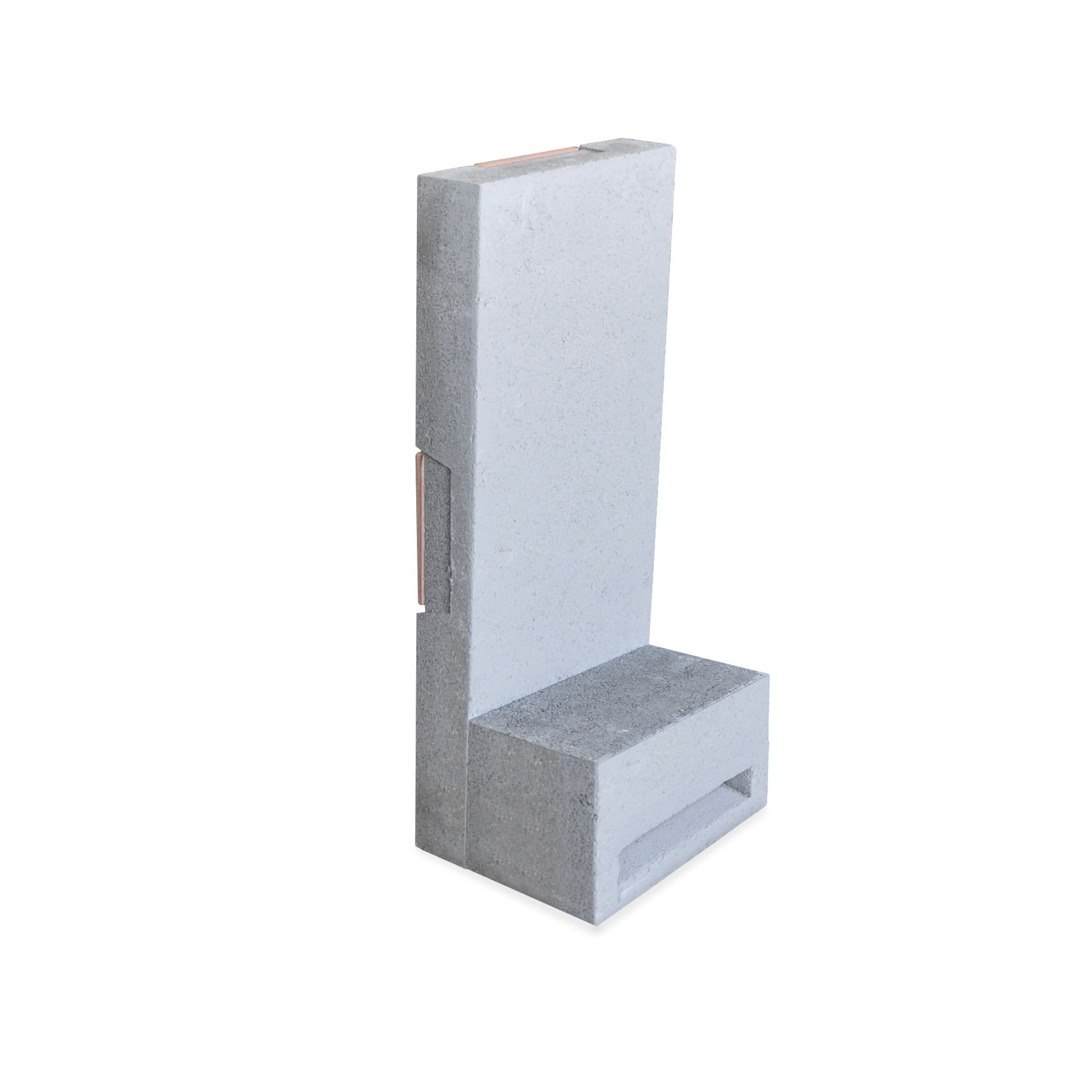
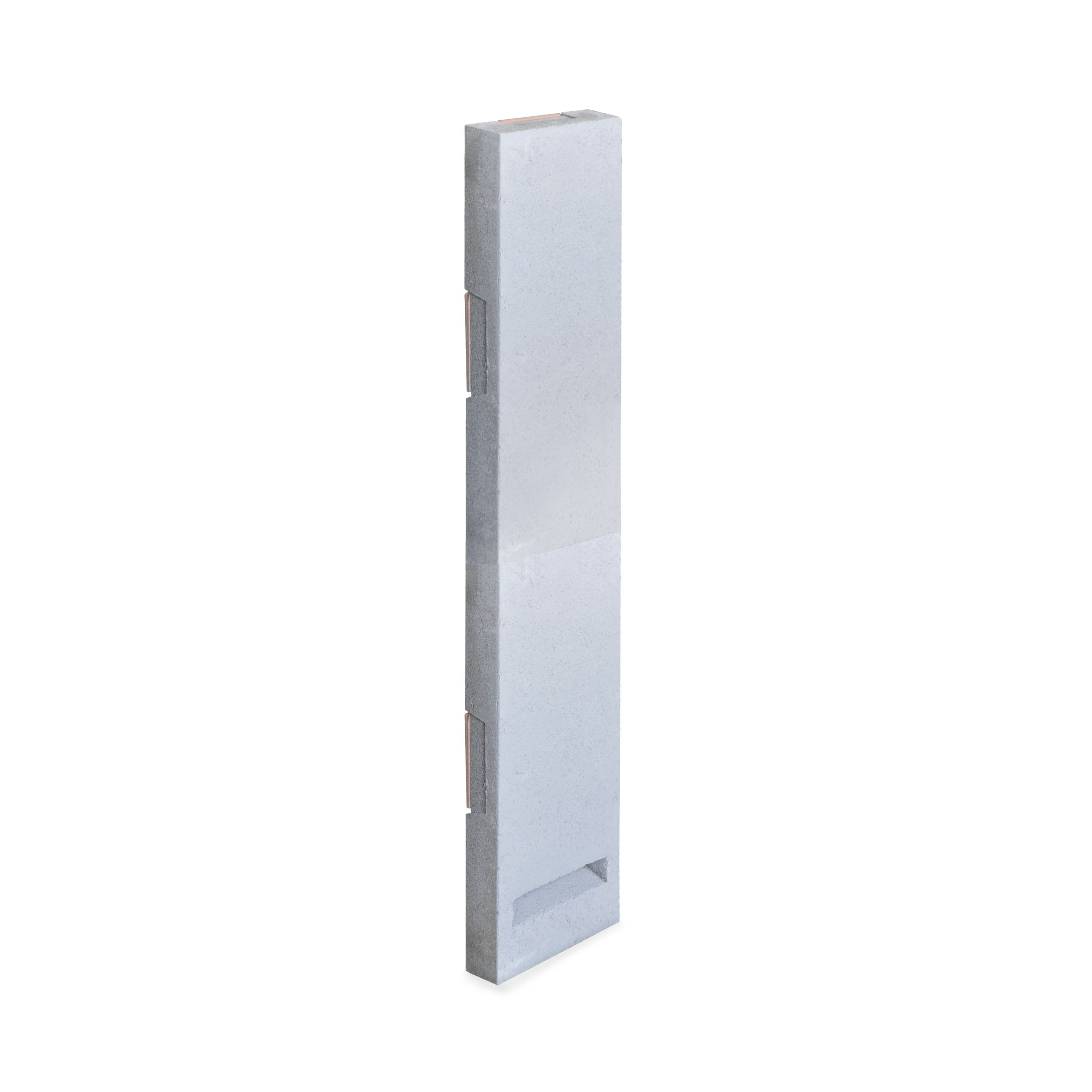
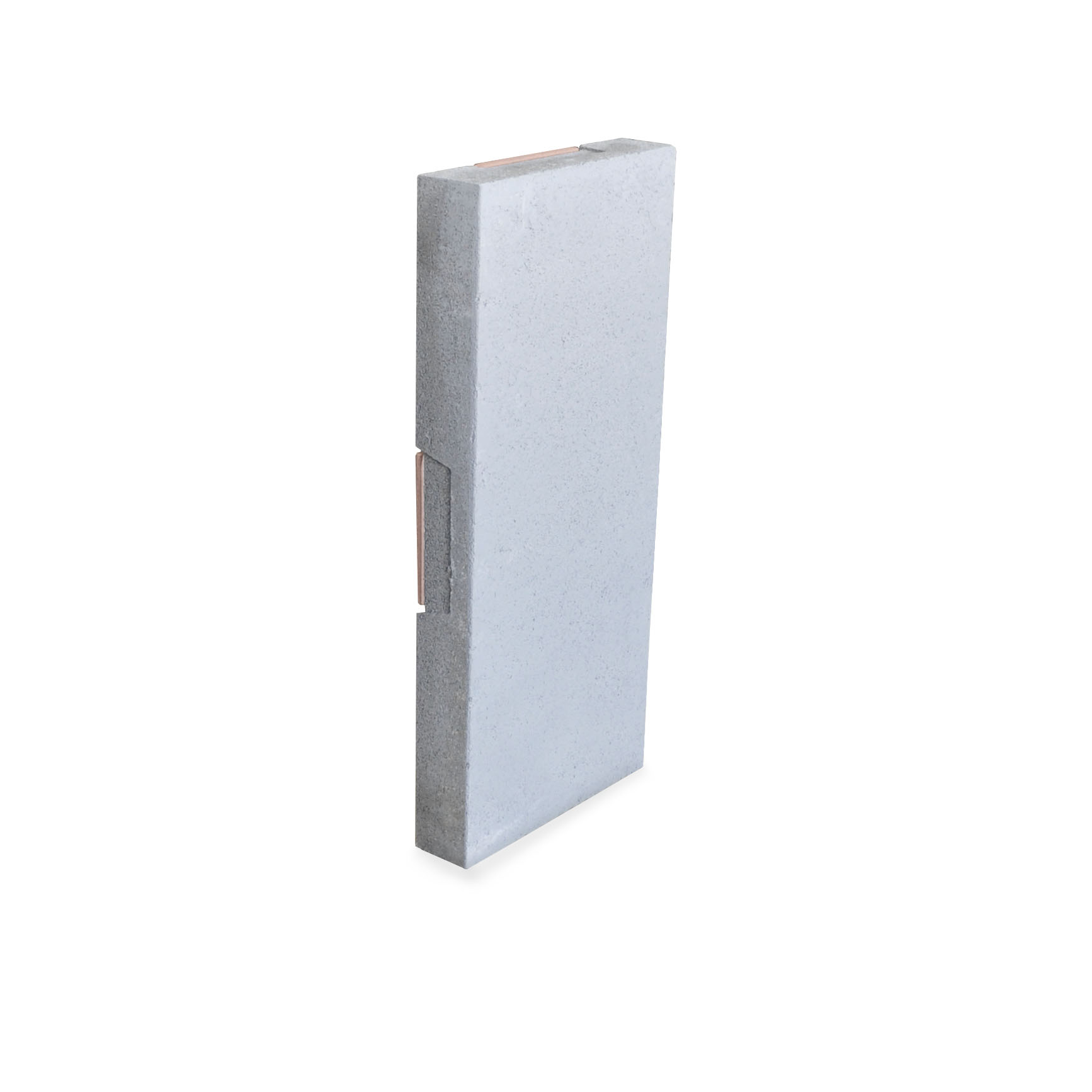
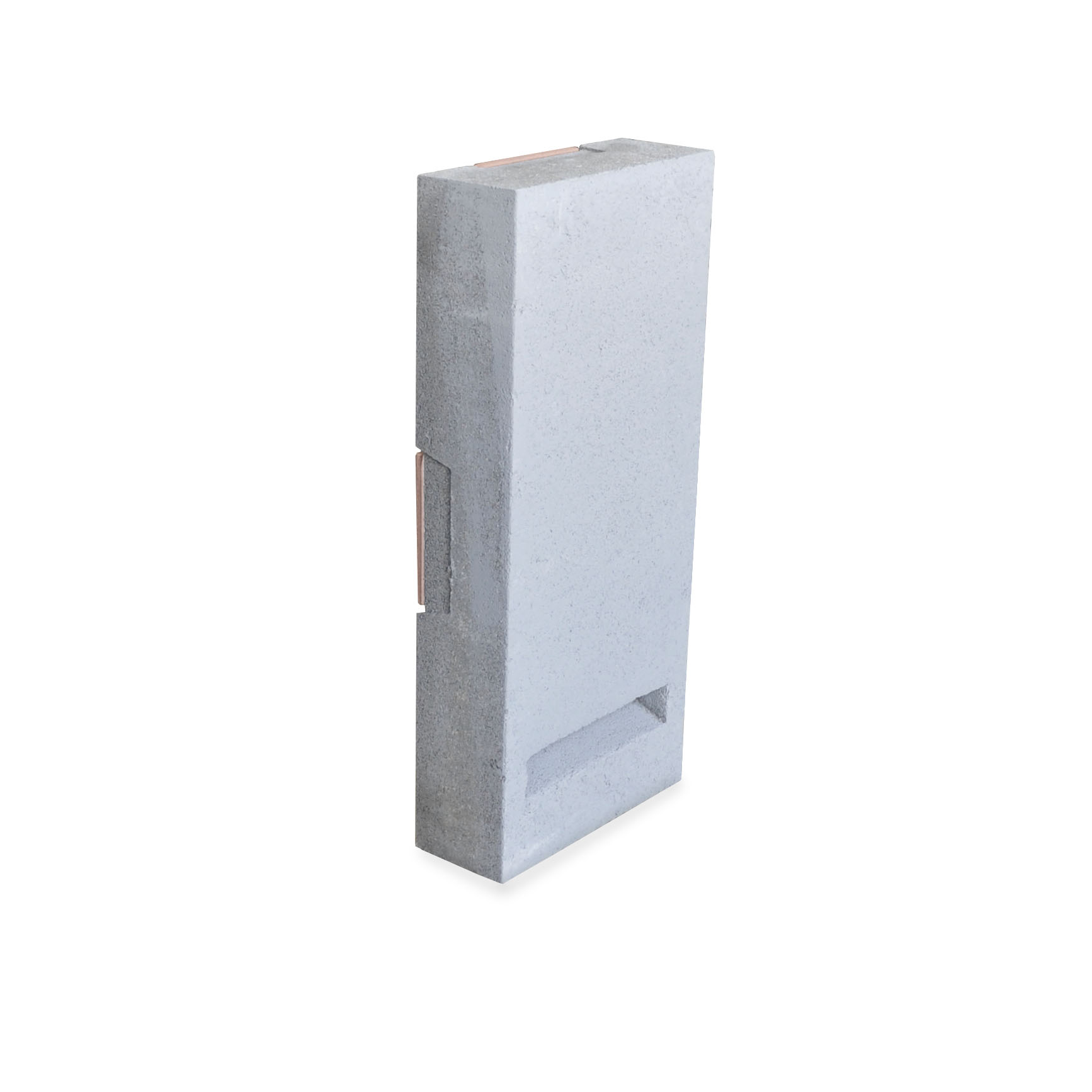
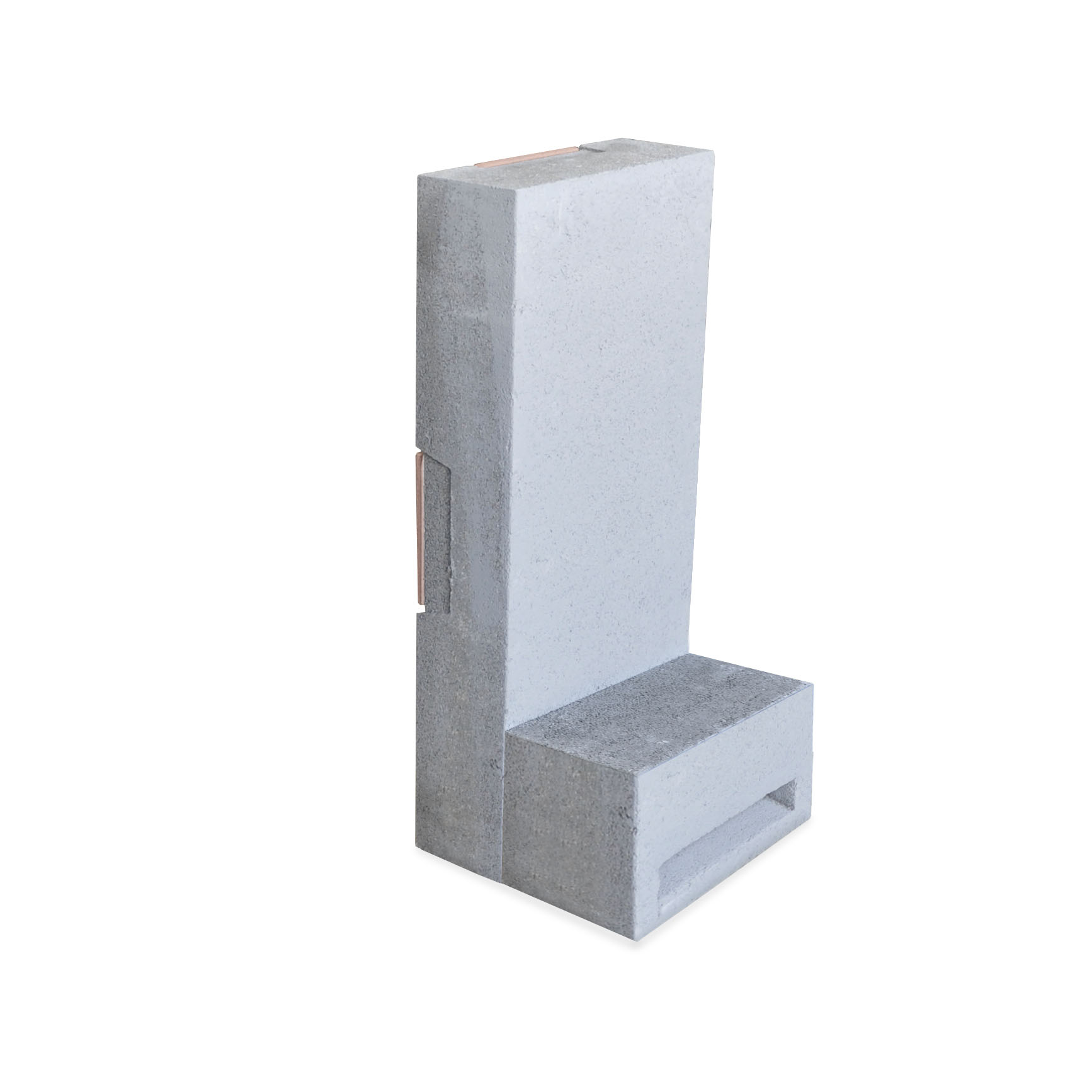
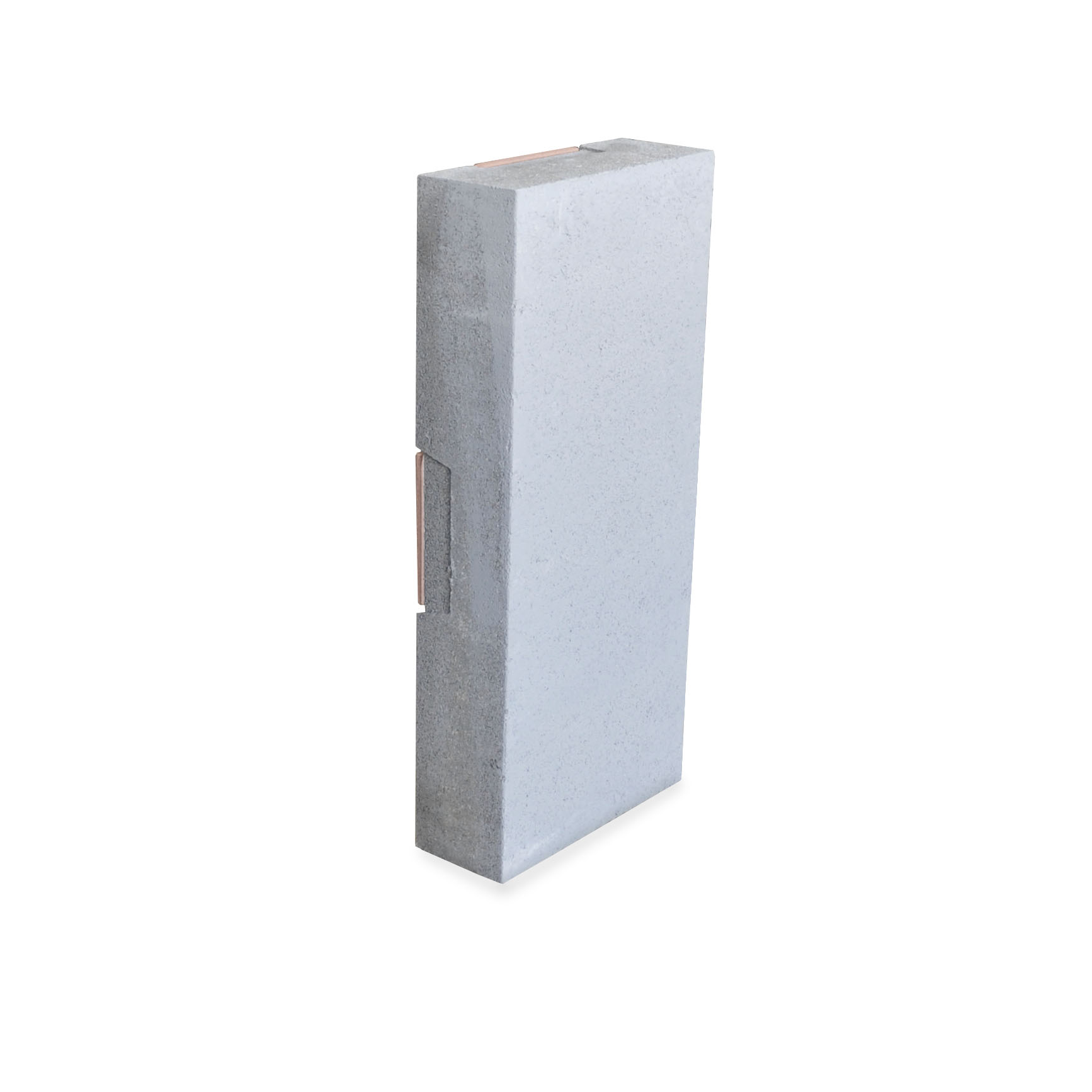
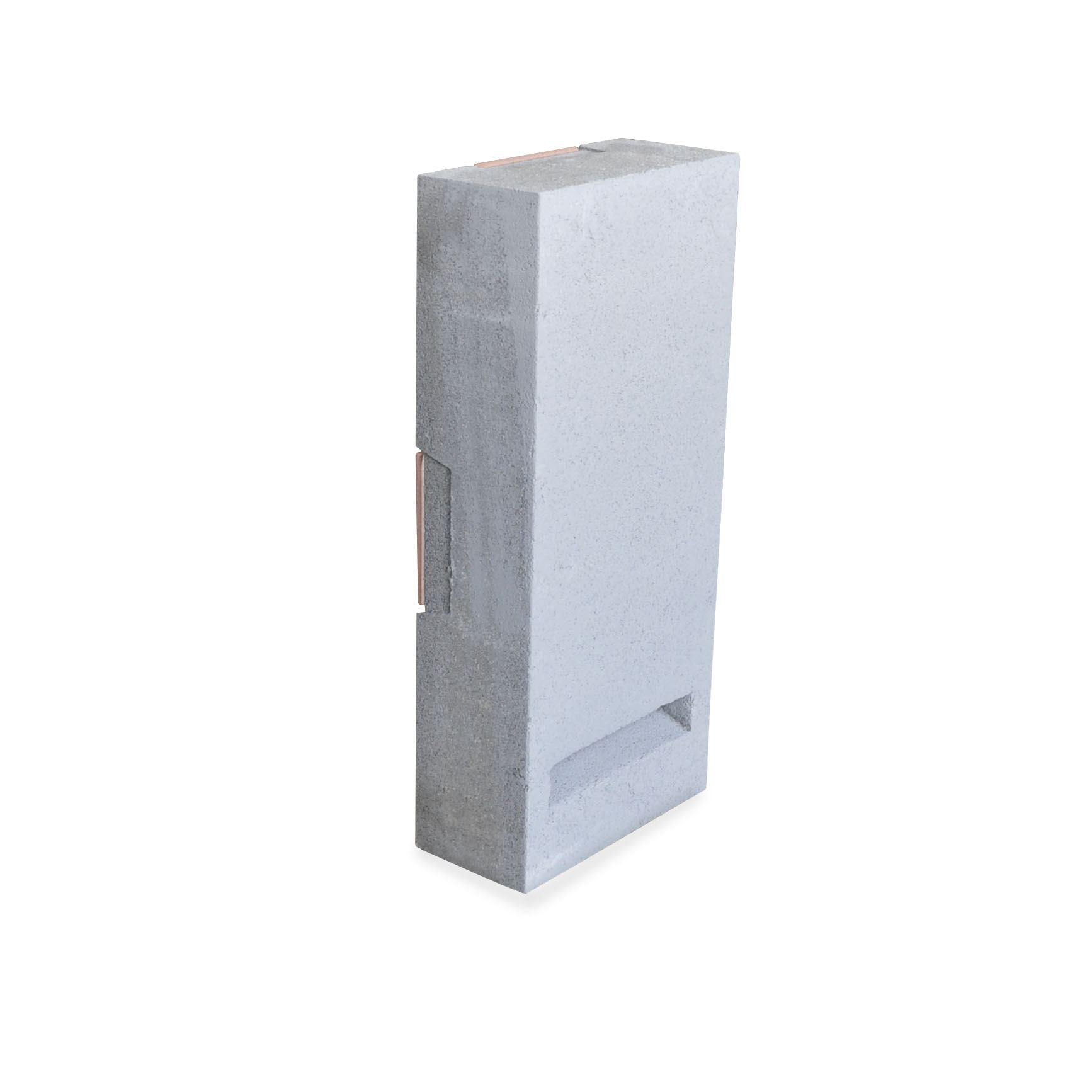
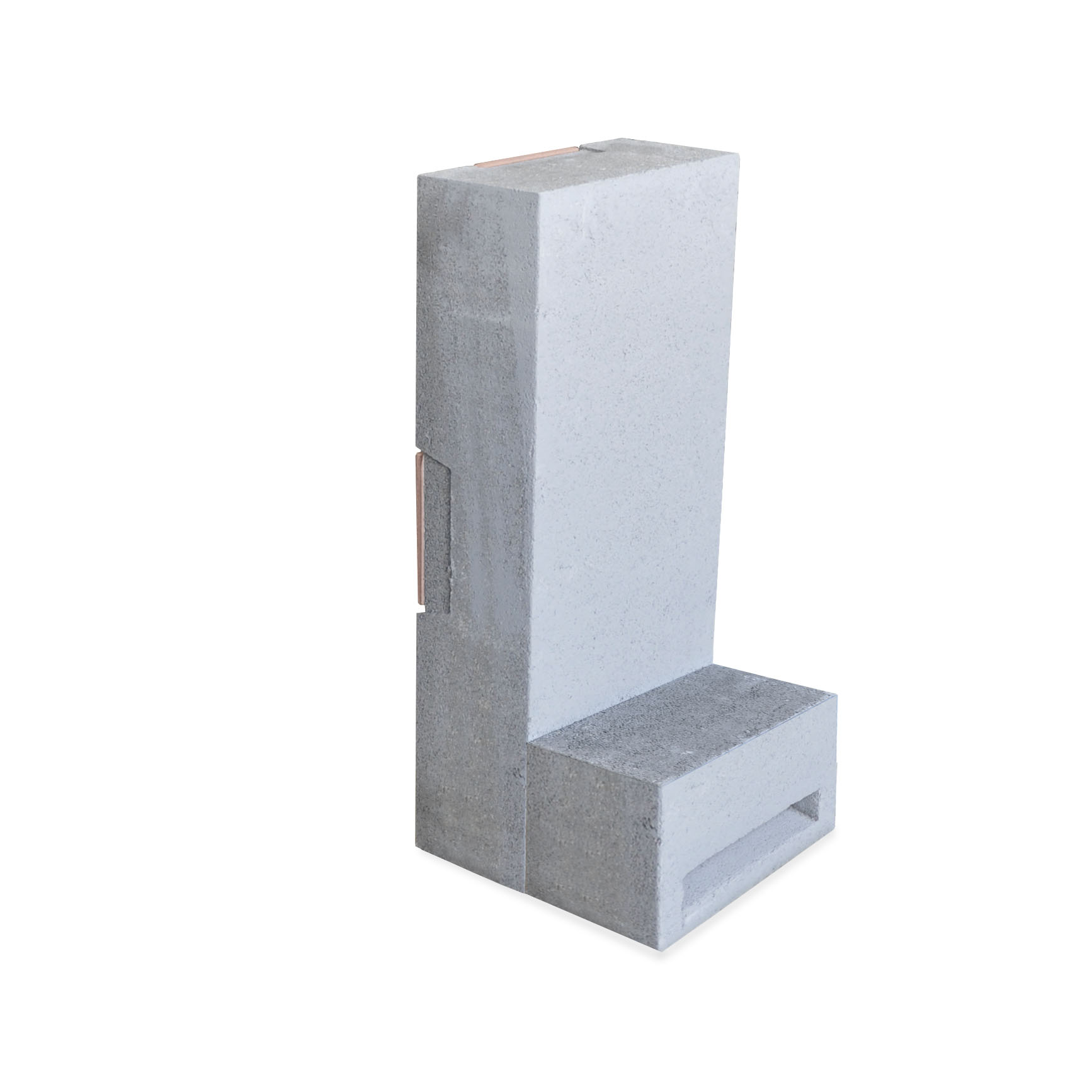
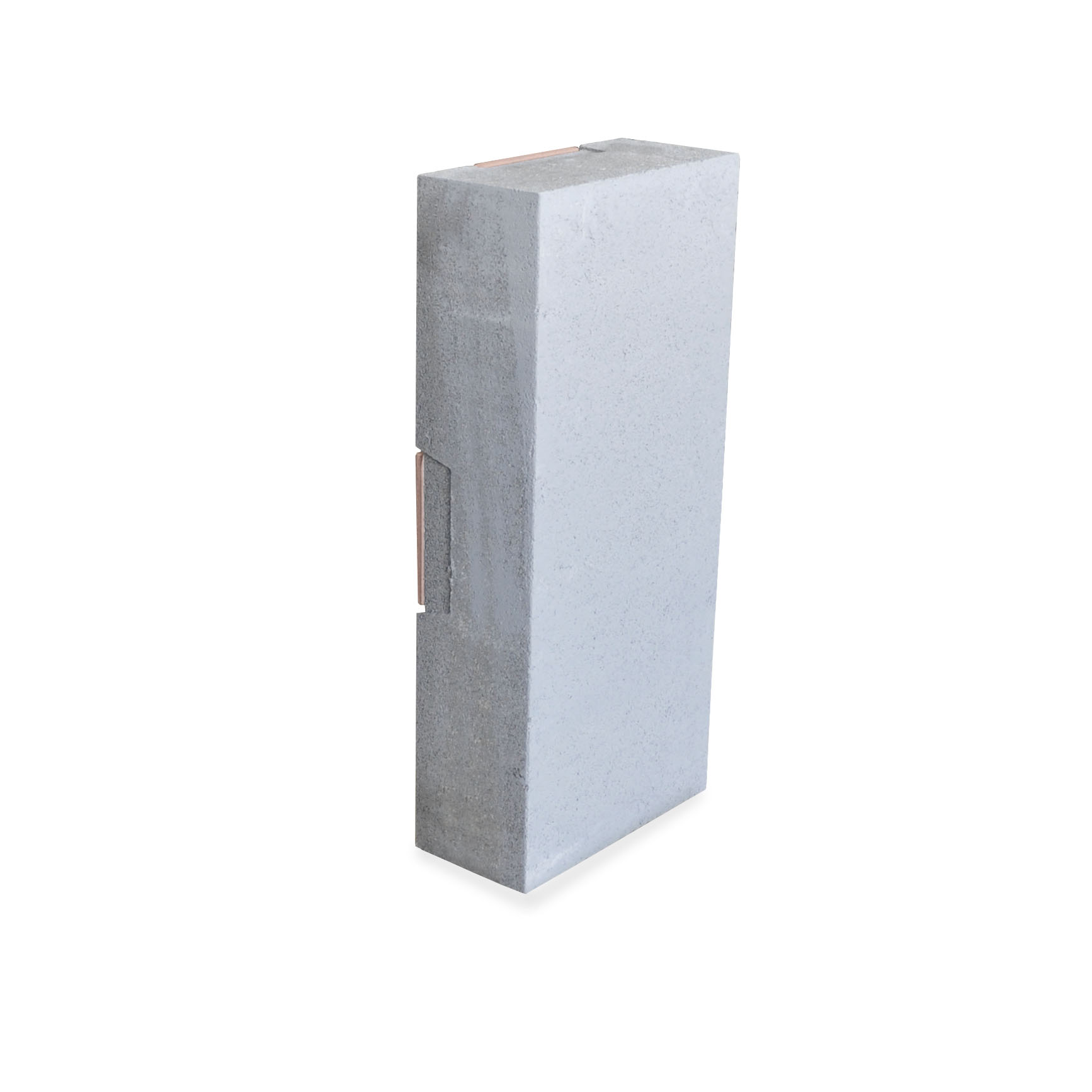
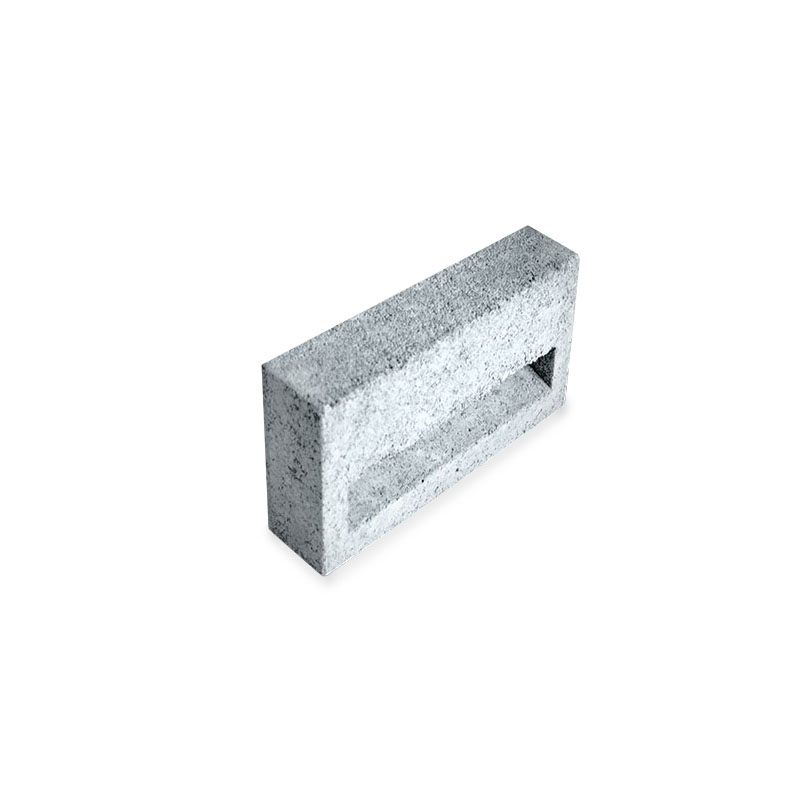
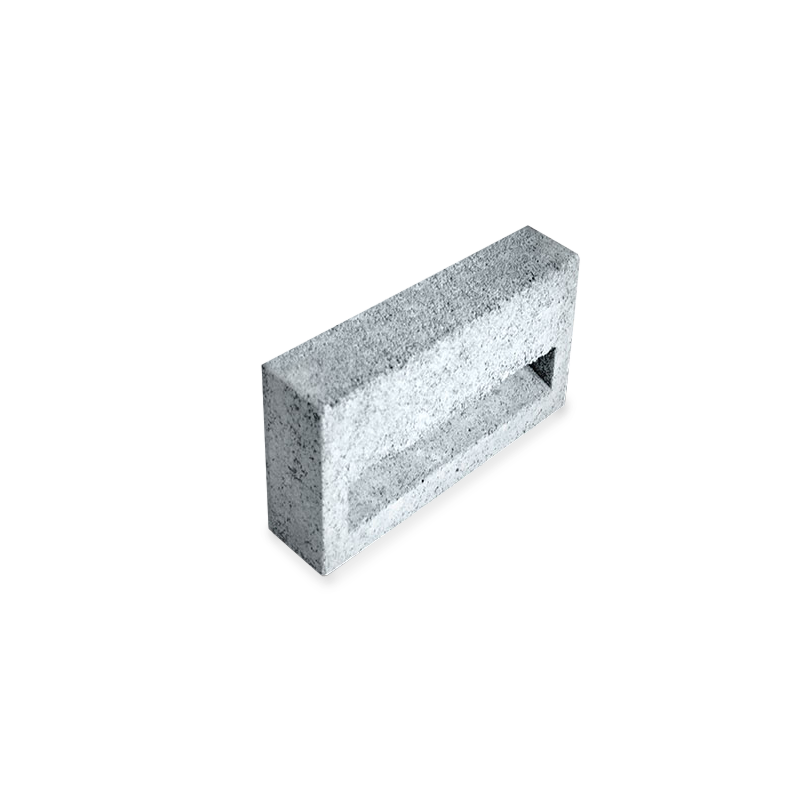
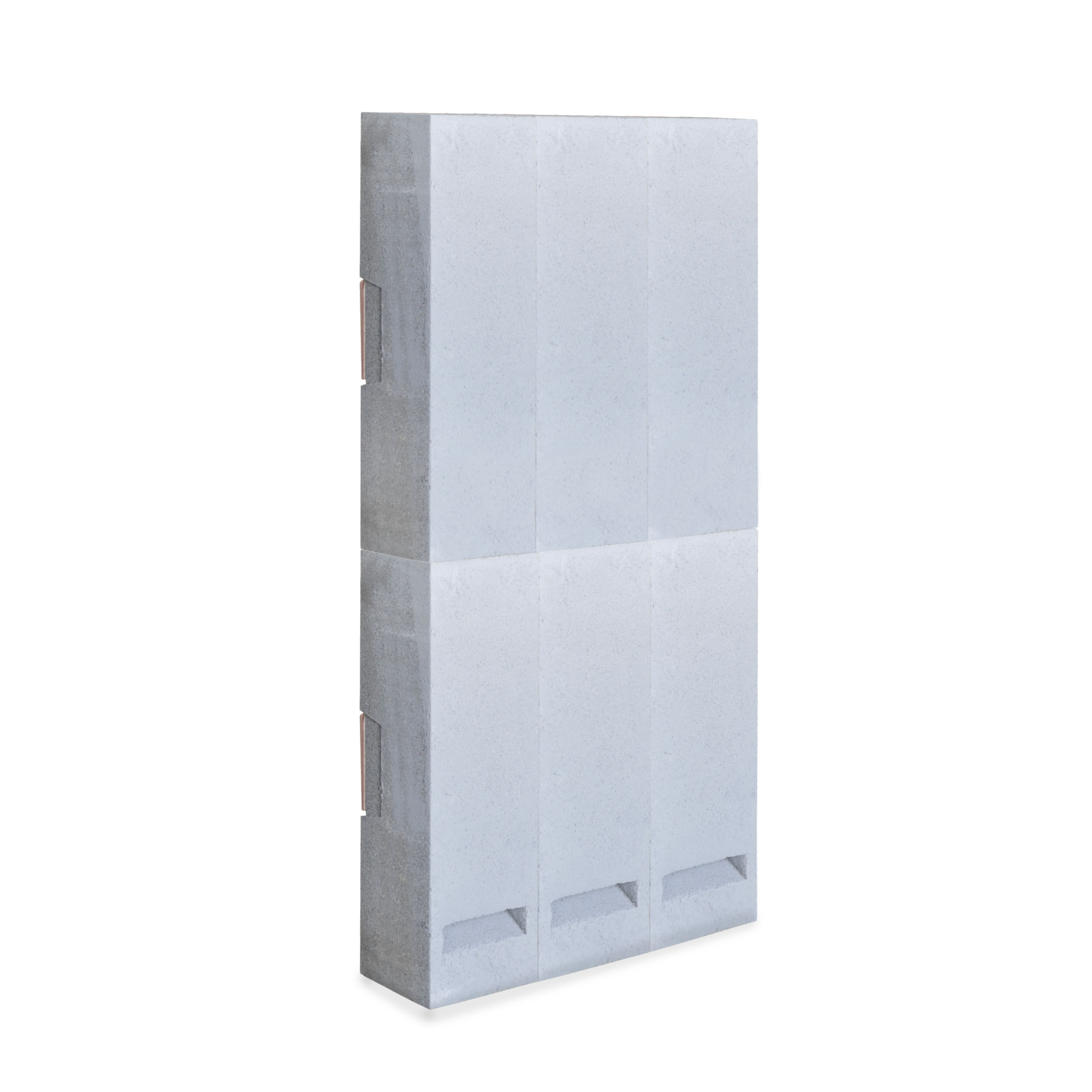
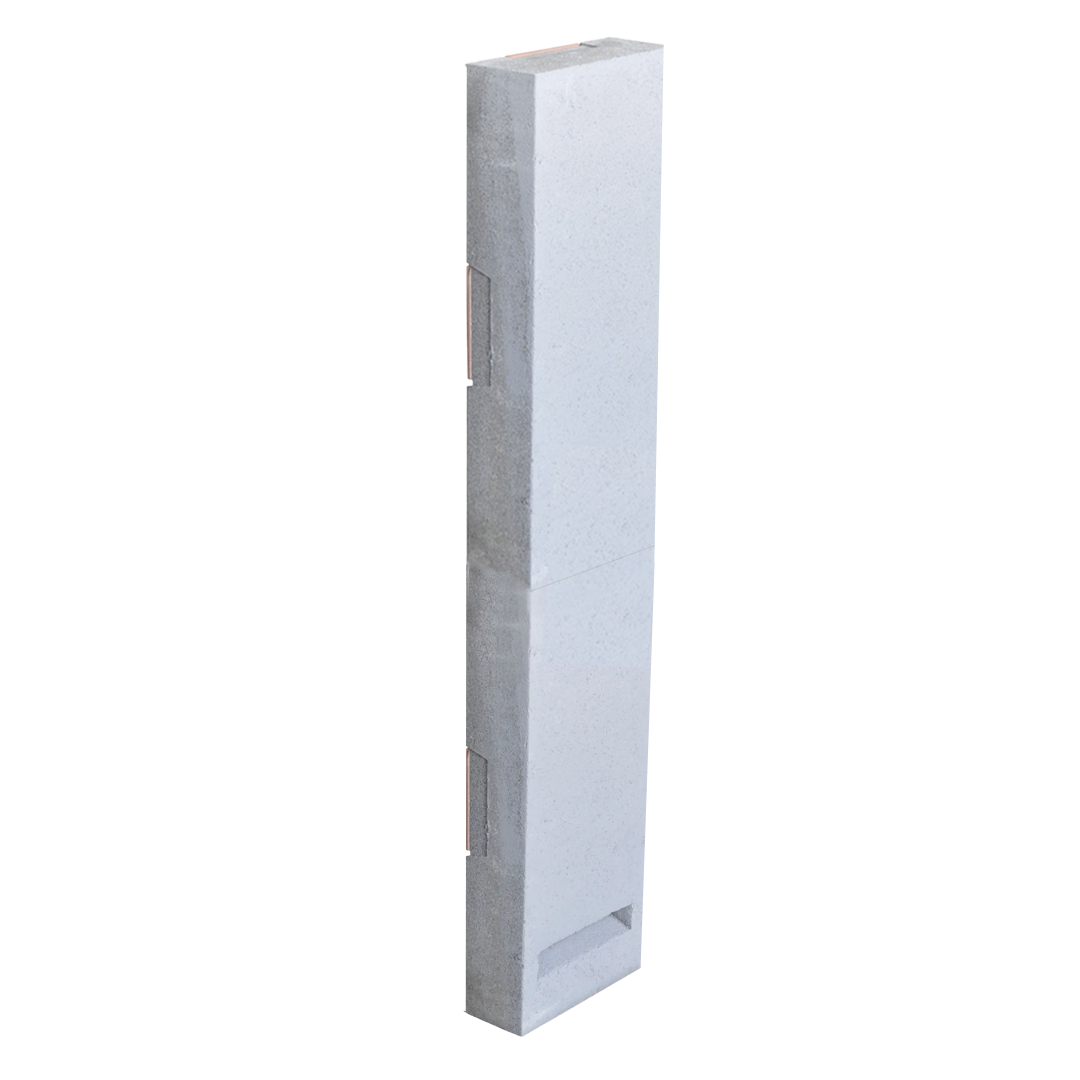
The box is part of a series of modular, built-in bat boxes made of wood-concrete, developed by Unitura. The series of built-in bat boxes consists of six modular units; the boxes can be expanded and interchanged with one another without limitation. This allows you to configure any possible combination of built-in bat boxes, entirely according to your own preferences! All dimensions are tailored to the standards of the Dutch building system.
Upon request, for orders of >50 units, we can supply the box in a color of your choice.


Suitable for bat species that live in buildings
The box is specially designed for bat species that live in buildings. Built-in bat boxes offer the greatest potential as roosting sites for common pipistrelles and rough-haired pipistrelles. In addition, the boxes can also be used by noctules, common long-eared bats, and pond bats.
Built-in bat house
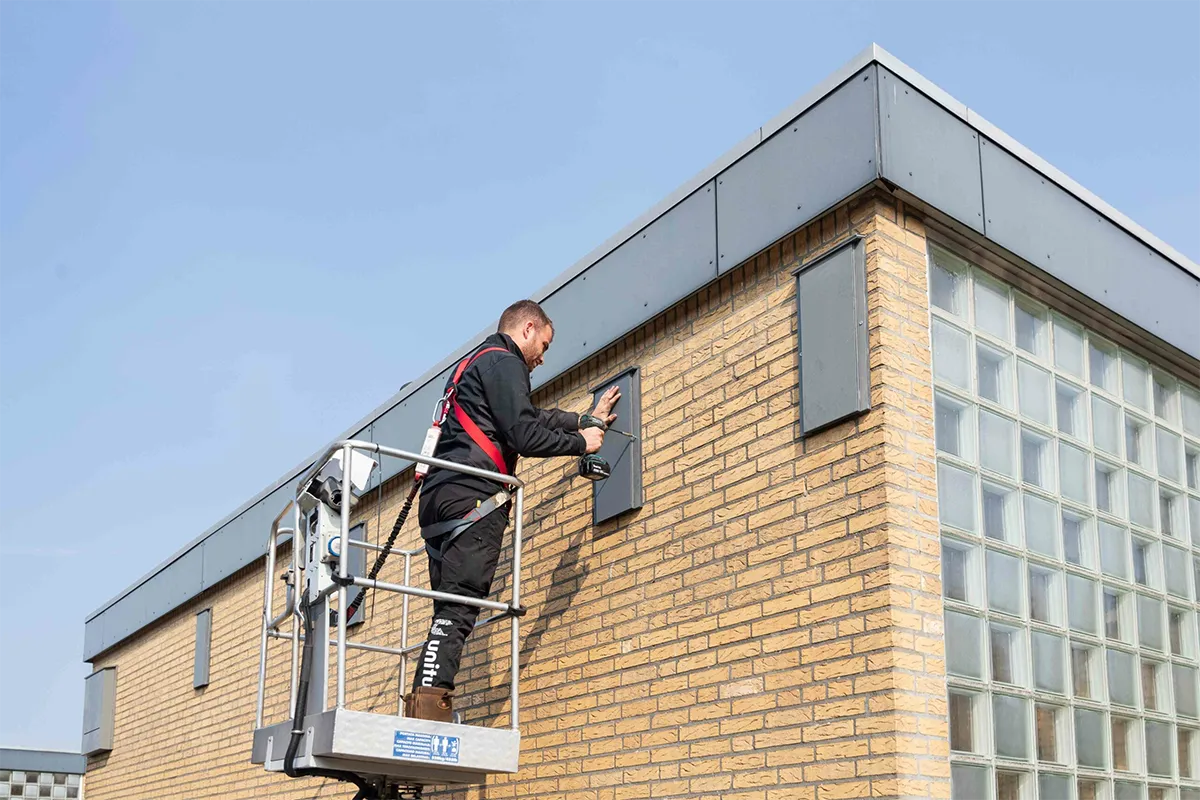
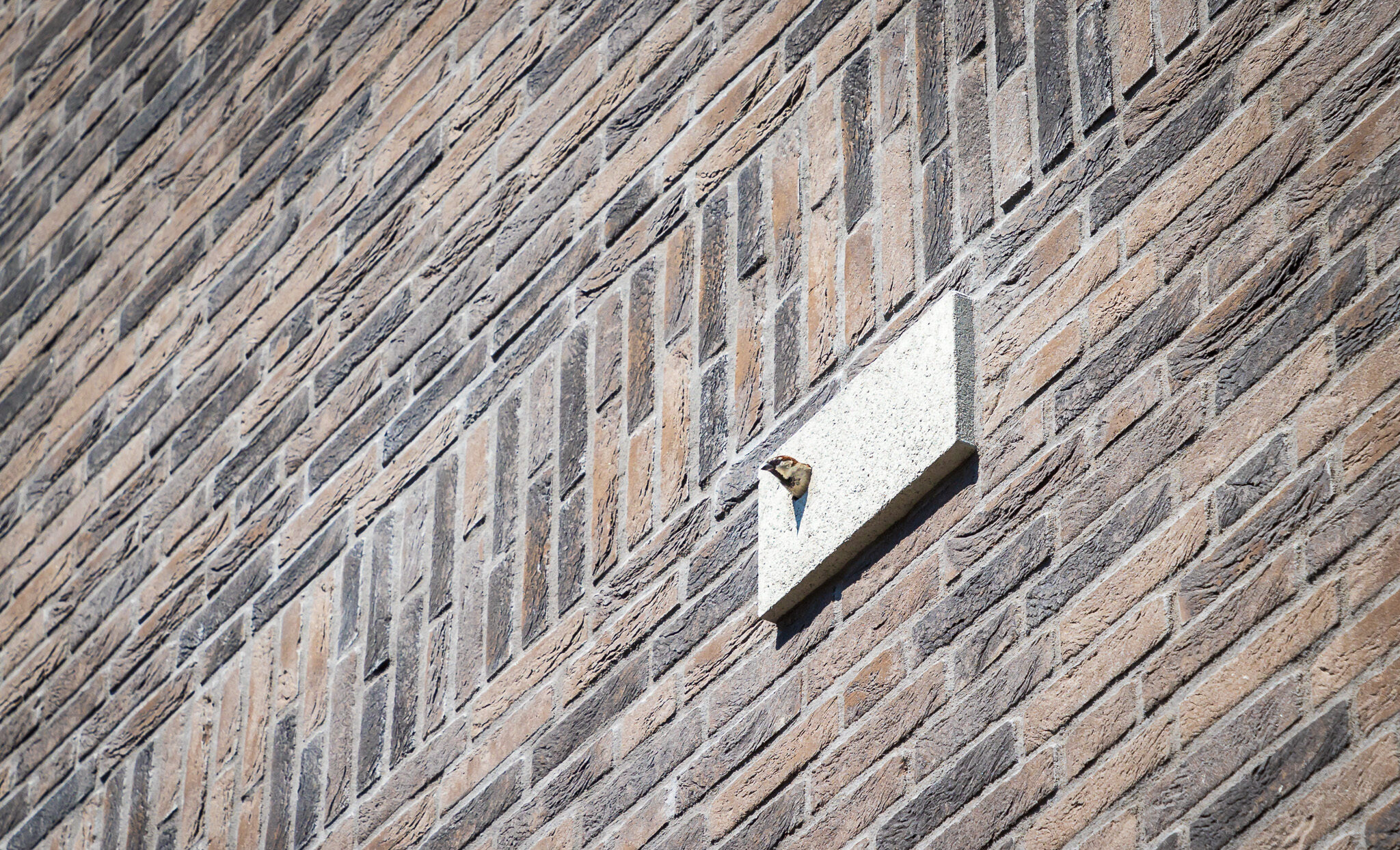
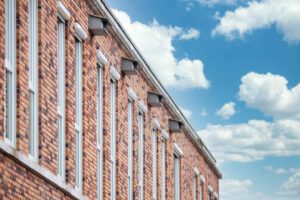
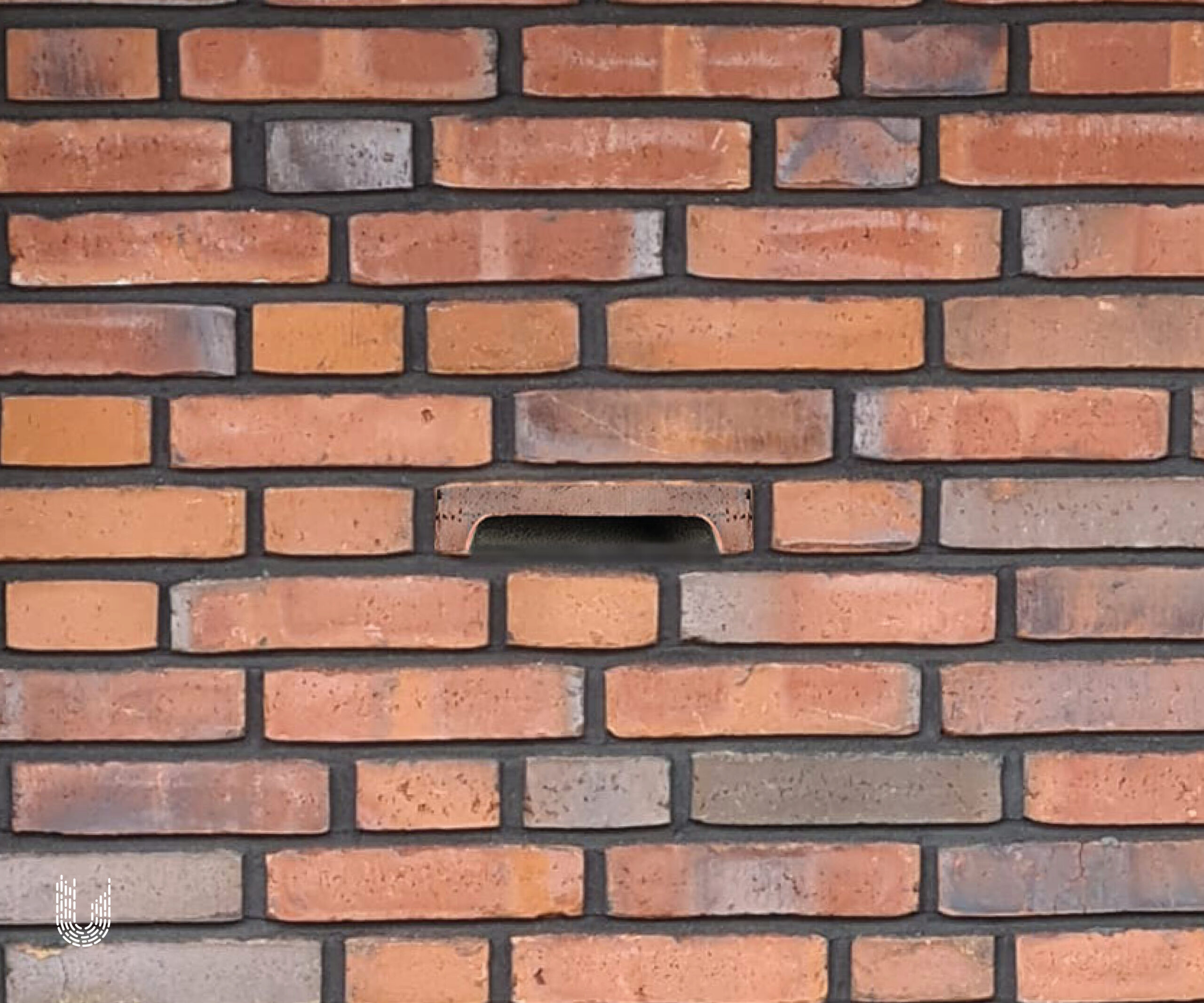
The built-in box can be assembled in various configurations and in different ways. The box is designed for installation in masonry. However, it can also be incorporated into a facade made of wall panels or other types of siding. The bat box can be installed in masonry in three ways: [1] installation behind masonry with a entrance brick, [2] installation within masonry, finished with brick slips, and [3] installation flush with the masonry.
Modular bat box
The delivered boxes can be easily connected to each other on the construction site. On the side where two boxes are to be connected, the partition wall must be removed. The best way to remove a break-out wall is with a hammer and chisel. Once both break-out walls have been removed, the two boxes can be placed against each other, with the resulting openings aligned.
Bats use a network of roosts at different orientations. Therefore, bat boxes are best distributed among as many different orientations and locations as possible. Bats look for roosts along corners and edges. Place bat boxes on buildings as much as possible along eaves and ledges. The basic maxim is that bat boxes should always be placed as high as possible, but at least 3m high. Make sure there is free space under the box. For a more detailed explanation, see Unitura’s Handbook .
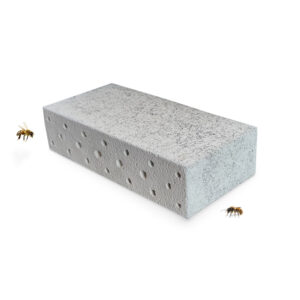
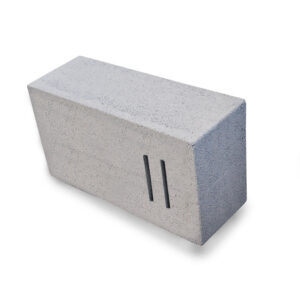
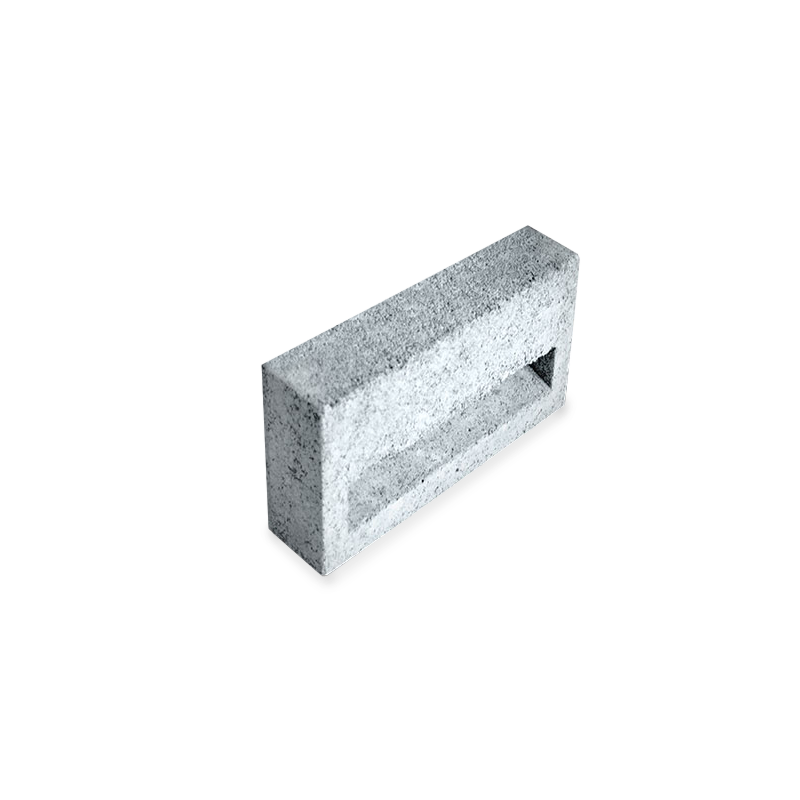
Built-in bat boxes are nesting bricks made of wood concrete that can be incorporated into masonry. Examples of these bat boxes include the VMPM1 and the VMPM1e.
Mitigation projects under the Nature Conservation Act distinguish between permanent and temporary bat boxes. Typically, temporary bat boxes are first provided in the immediate vicinity of a building being demolished or renovated. Bats can then temporarily move to these boxes until permanent bat boxes in the new or renovated building become available. Typically, bat boxes can only be considered “permanent” if they are highly durable (have the same lifespan as a building) and if they are part of the building’s architecture (the boxes should not be easily removed).
Bat boxes are artificial enclosures designed specifically to provide habitat for bats where they do not naturally occur. Each bat species has its own physical requirements for a bat box. Arcadis’ mitigation catalog and BIJ12’s knowledge documents show these physical requirements.

We are happy to assist you with issues surrounding nature inclusivity.