Search our website

  • Zoeken...

Free catalog

Request our free catalog below

"*" indicates required fields

Email address*
Gierzwaluwkasten Unitura

Swift Box

Be prepared for the future of nature-inclusive building

Unitura brings proven Dutch experience to the UK market.

Swift boxes are becoming an increasingly important part of biodiversity-friendly development across the UK. In England in particular, integrated nest boxes now have a much clearer position within national planning policy. For architects, developers and housebuilders, this makes it increasingly important to consider nesting opportunities early in the design process.

As an established specialist in wildlife-friendly building solutions in the Netherlands, Unitura has extensive experience supplying integrated nesting solutions for residential developments and large-scale construction projects. Our range includes built-in swift boxes suitable for UK projects and designed with relevant British standards and guidance in mind.

Swift boxes are becoming part of modern housing in England

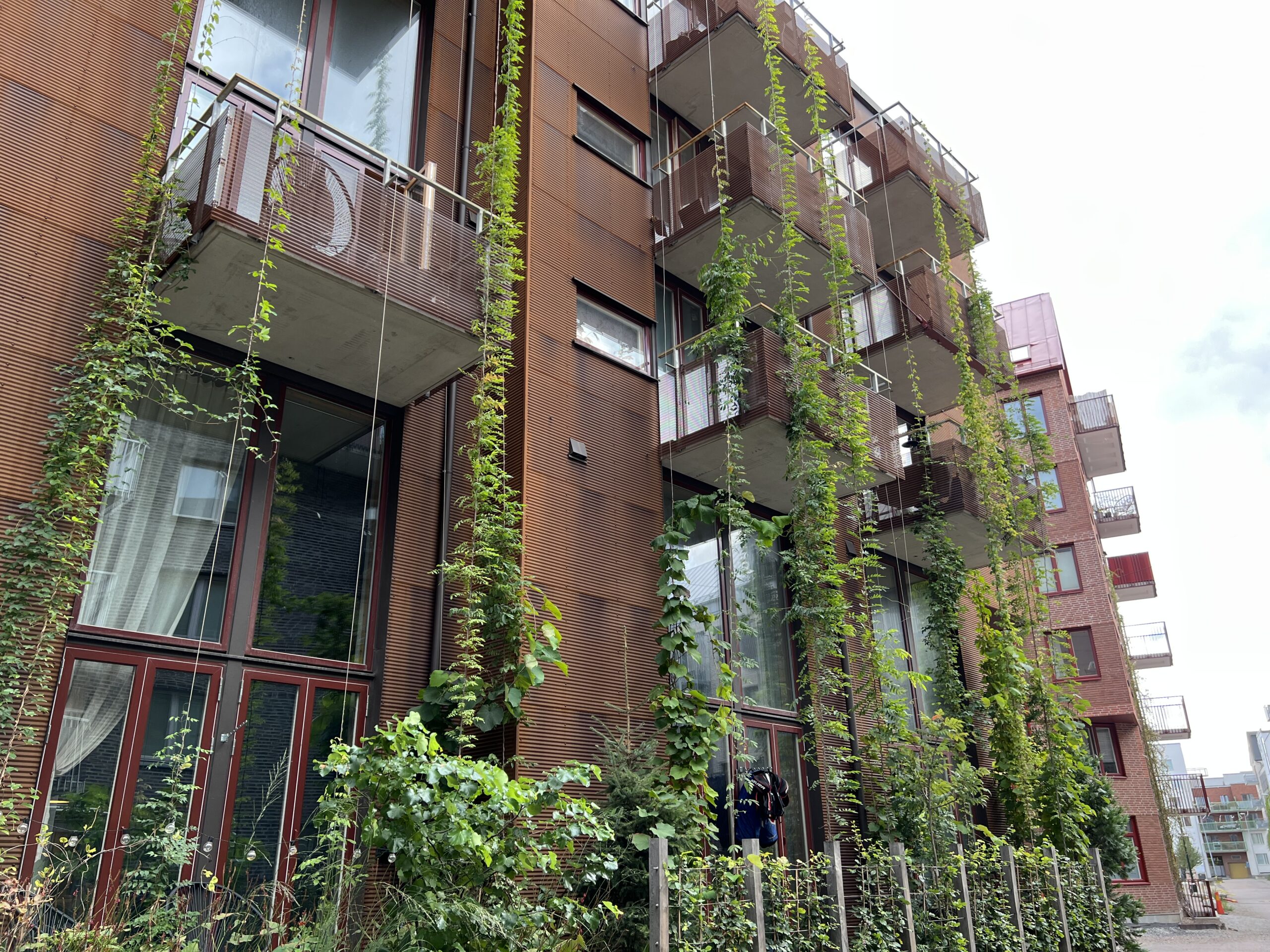
Modern, well-insulated buildings provide fewer natural cavities where swifts and other building-dependent birds can nest. Integrated swift boxes offer a simple solution: permanent nesting space incorporated directly into the building envelope. England’s 2026 National Planning Policy Framework now specifically states that development proposals should incorporate integrated nest boxes, commonly known as swift bricks, unless there are compelling technical reasons that prevent their use or would make them ineffective.

Planning Practice Guidance also gives a general aim across a development of at least one integrated nest box per unit. For architects, builders and developers working in England, this makes it increasingly important to consider nesting provision early in the design process rather than adding it at a later stage.

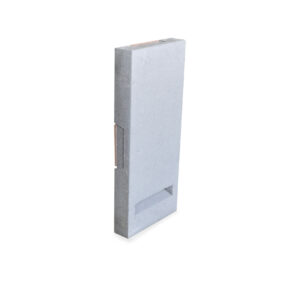
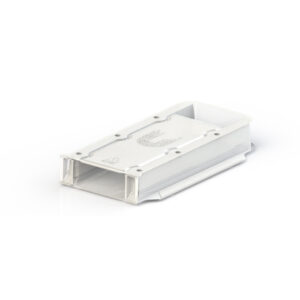
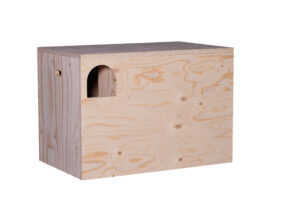
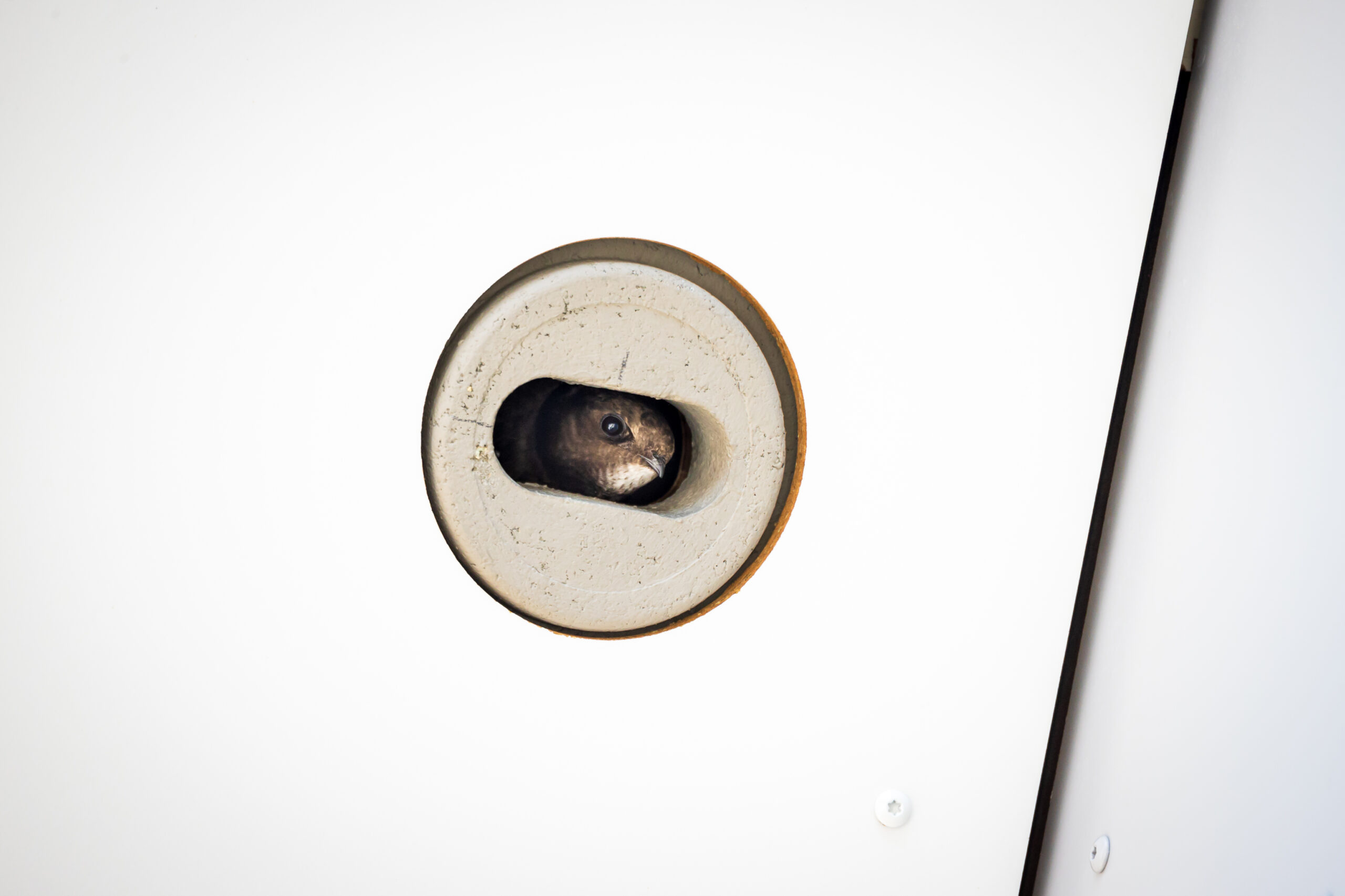
GZP2 Integrated Nestbox

UK-compliant integrated swift boxes

Unitura supplies integrated swift boxes for residential and commercial construction projects across the UK. Our solutions are designed for incorporation into façades, roofs and other suitable building details and can be specified at an early stage of a project. This makes it possible to create permanent nesting opportunities while keeping the architectural appearance and technical build-up of the building in mind.

A relevant British Standard for the selection and installation of integral nest boxes is BS 42021. This covers integral nest boxes in new developments and refurbishment projects and includes provisions for species such as the swift (Apus apus). With experience in integrating wildlife features into different building types, we can support architects, developers, ecologists and contractors in selecting a suitable solution for their project and construction detail.

Proven experience from the Netherlands

Nature-inclusive construction has been developing rapidly in the Netherlands for many years. Unitura has built extensive practical experience in this market, supplying solutions for integrating nesting and roosting opportunities into modern buildings. We bring that experience to UK projects.

Why work with Unitura?

Designed to become part of the building

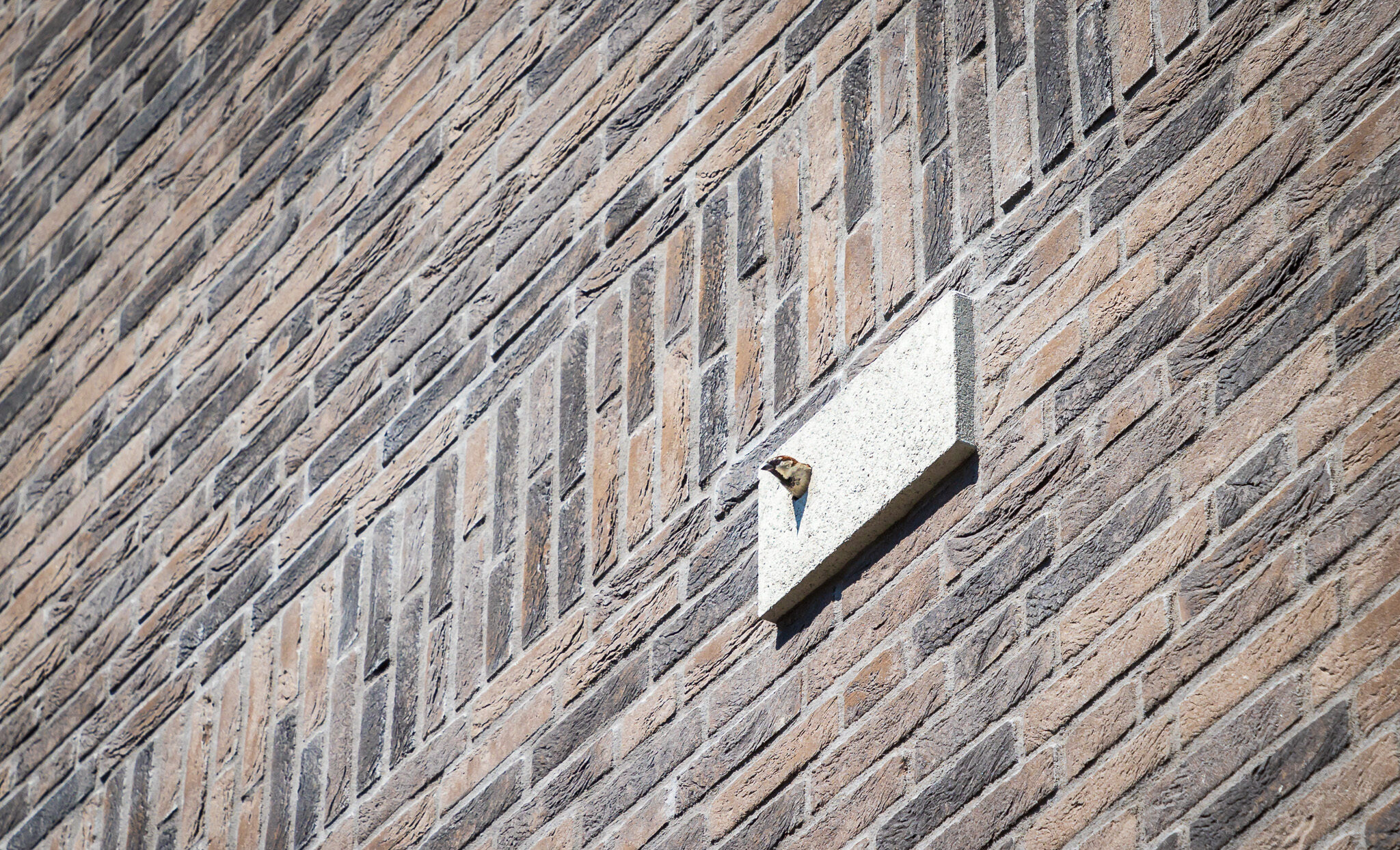
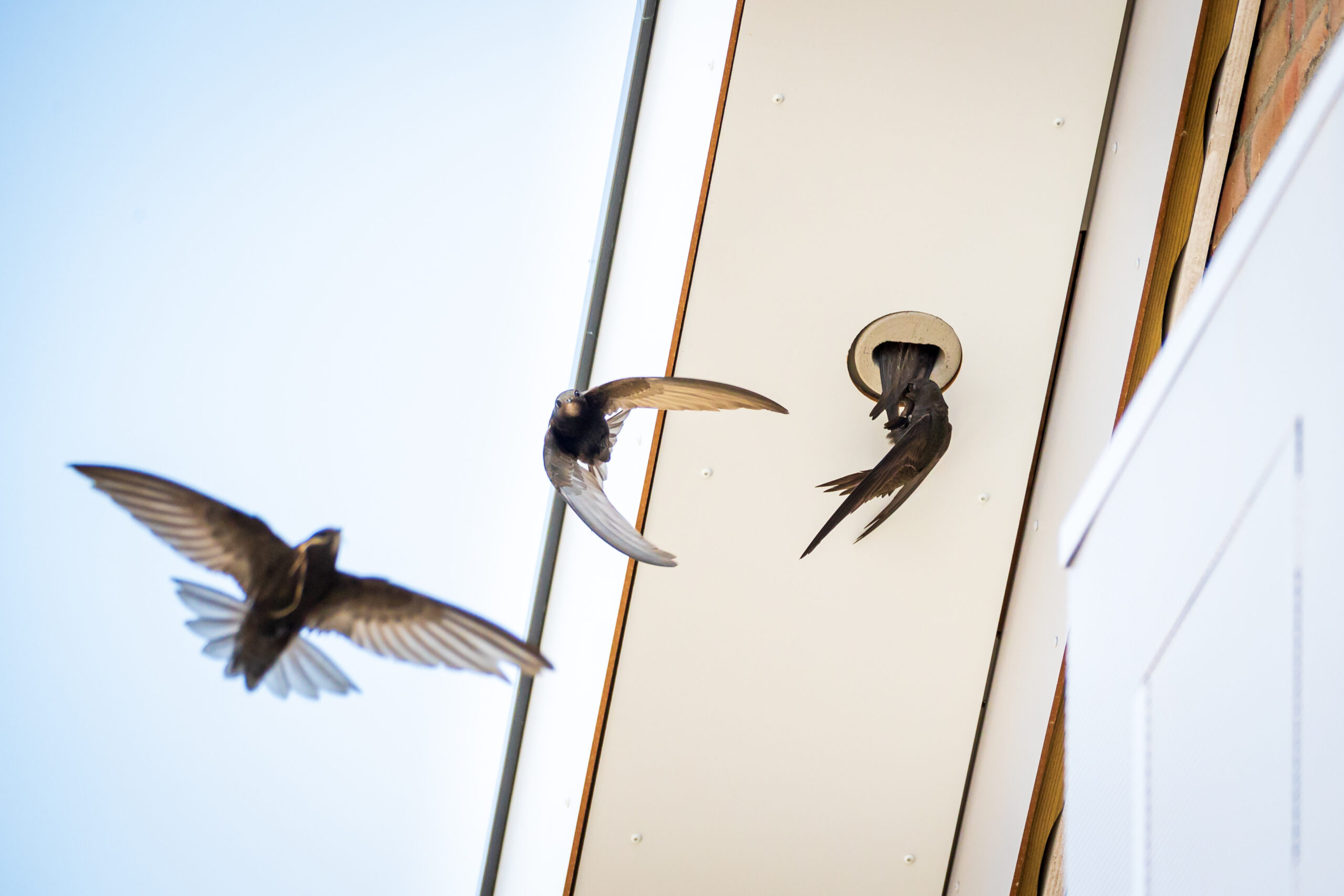
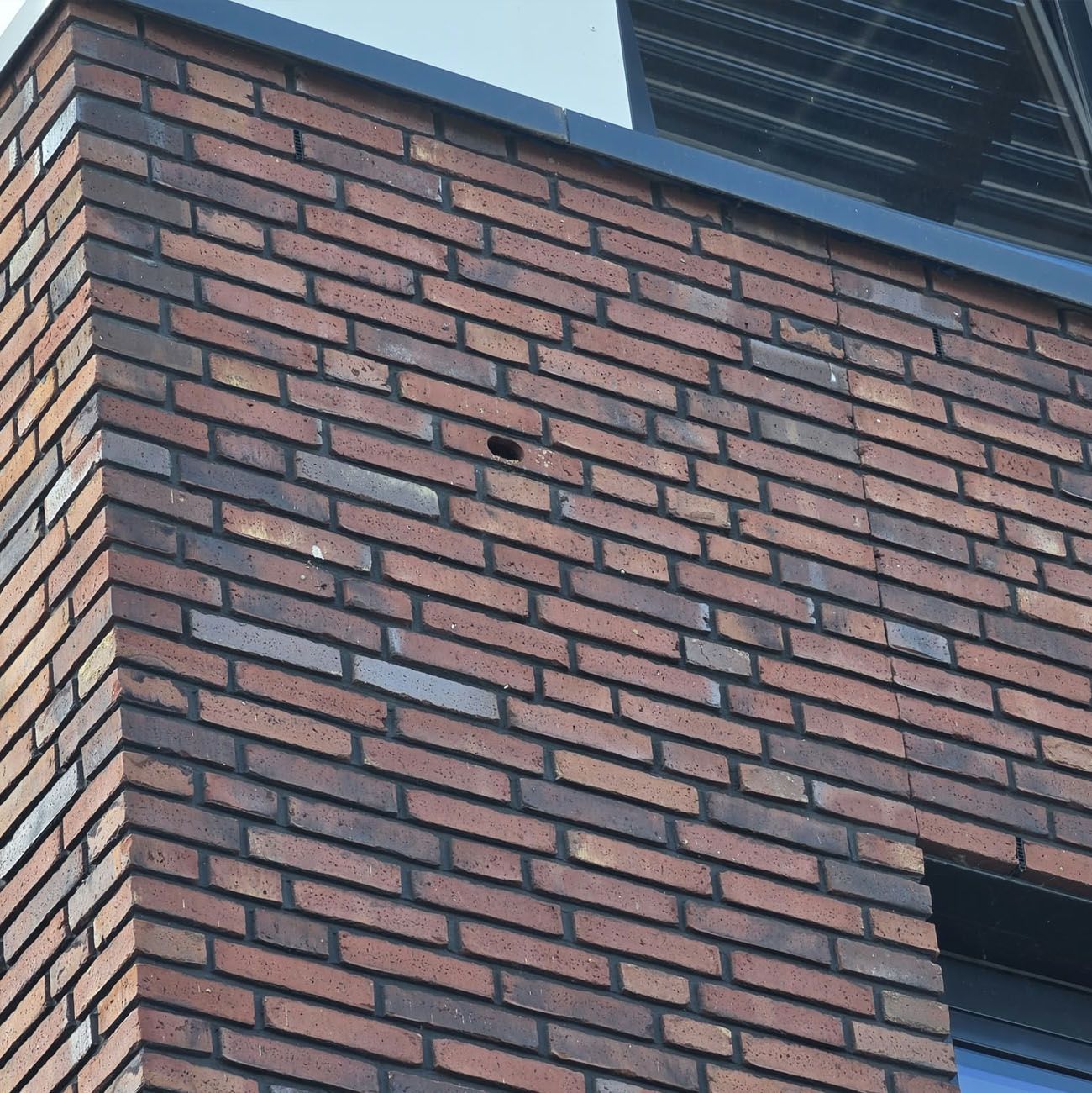
For new-build projects, integrating a swift box from the design stage makes it easier to coordinate the provision with the rest of the building. The nesting chamber becomes a permanent part of the building while the entrance remains accessible from the exterior. Depending on the construction detail, a box can be installed with its front face visible or positioned further back within the façade so that mainly the entrance remains visible. This gives architects more flexibility to incorporate nesting opportunities without making them a dominant visual element.

What does England’s planning policy mean for your project?

Integrated nest boxes now have a much clearer position within national planning policy in England. The 2026 National Planning Policy Framework states that development proposals should incorporate integrated nest boxes, commonly known as swift bricks, unless there are compelling technical reasons that prevent their use or would make them ineffective.

Planning Practice Guidance gives a general aim of at least one nest box per unit across a development. This does not mean that every individual dwelling automatically requires exactly one swift brick. The appropriate number, distribution and positioning can also depend on the development, local planning policy, ecological advice and the design of the building.

Looking for swift boxes for a UK development?

Whether you are working on a small housing scheme or a large residential development, Unitura can help you select suitable integrated swift boxes for your project.

Talk to Unitura about swift boxes for your next UK development.

Frequently asked questions about swift boxes

Where should you install a swift box for success?

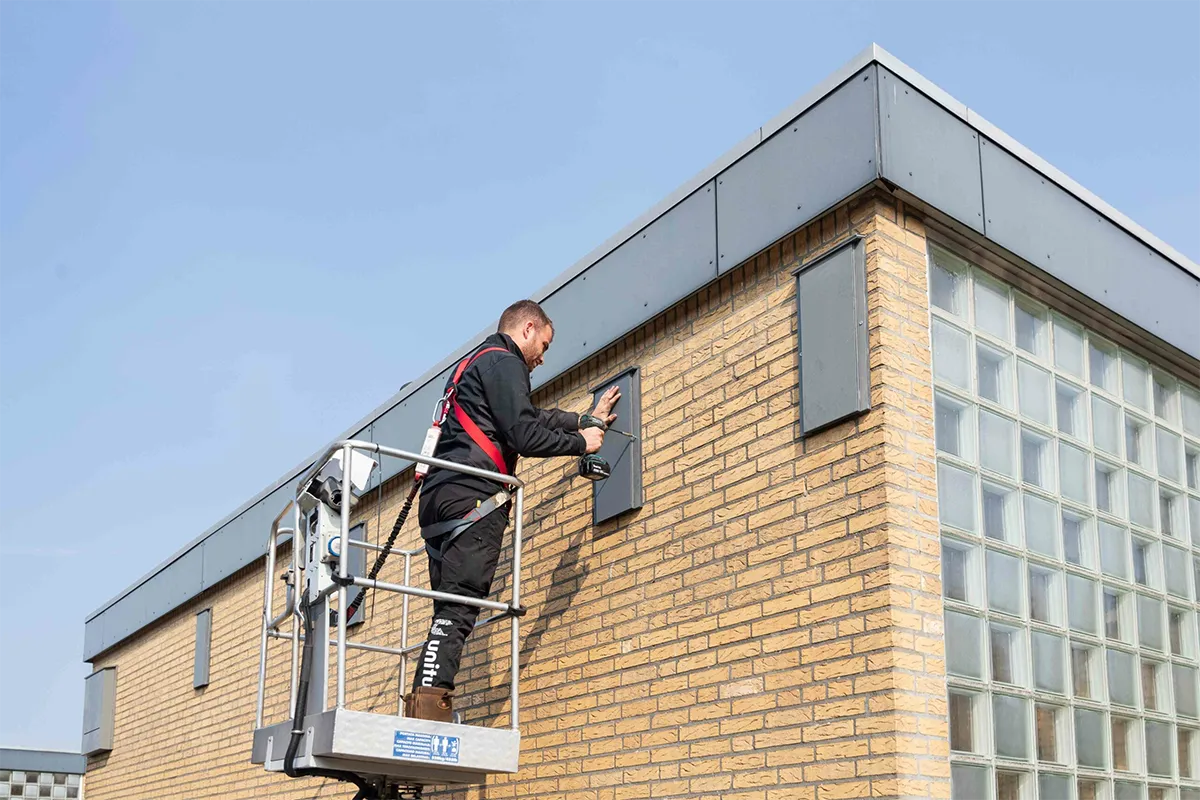
A swift box should ideally be installed at a height of 4 to 10 metres on a quiet facade, preferably facing north to east. Swifts require a clear flight path, so obstacles should be avoided. Boxes should never be installed directly above windows or doors. Integrated solutions installed beneath roof overhangs are often an effective option for this species.

When is the right time to install a swift box?

The best time to install a swift box is before March, ensuring it is available when the first swifts return in April. Swifts are highly faithful to their nesting sites and often return to the same location year after year. Installing a swift box early increases the likelihood of occupation by young, non breeding birds that are still searching for a suitable nesting site.

Learn more about swift boxes

How do you attract swifts to a new box?

Playback calls are often essential when establishing new nesting sites. By playing swift attraction calls during late April and early May, the peak colonisation period, the likelihood of passing birds discovering the nest box can be significantly increased. A playback system with a timer provides an ecologically responsible way to encourage nest box occupation without causing ongoing disturbance.

What solutions exist for modern construction projects?

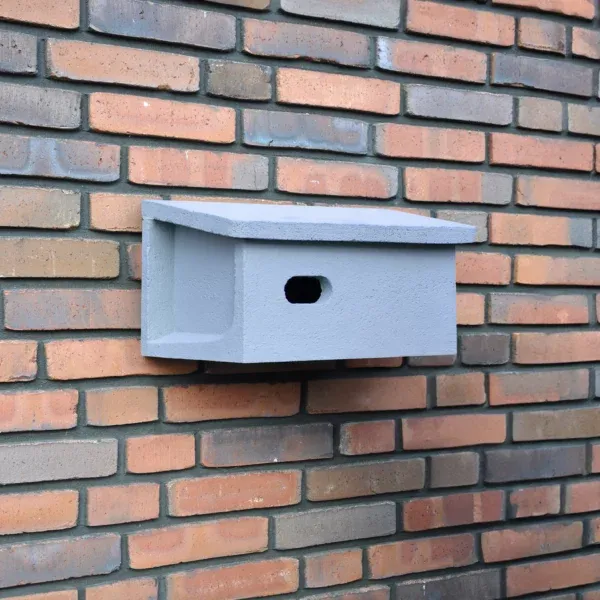
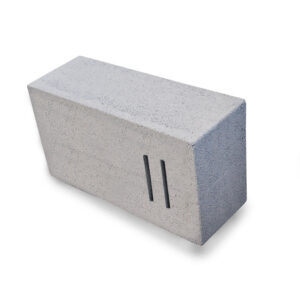
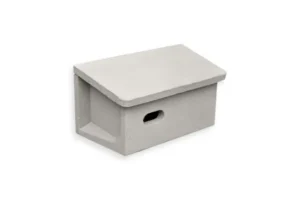
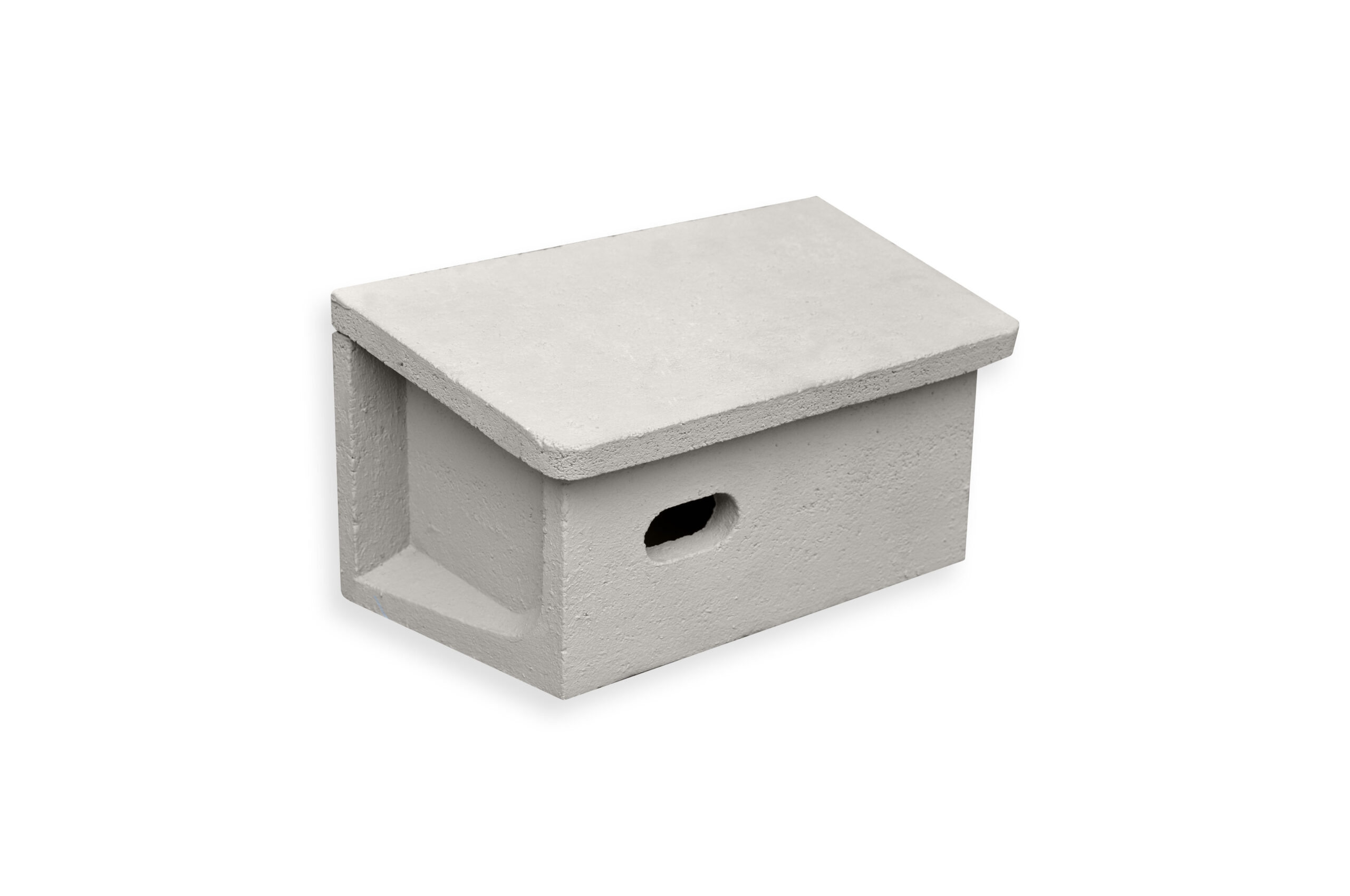
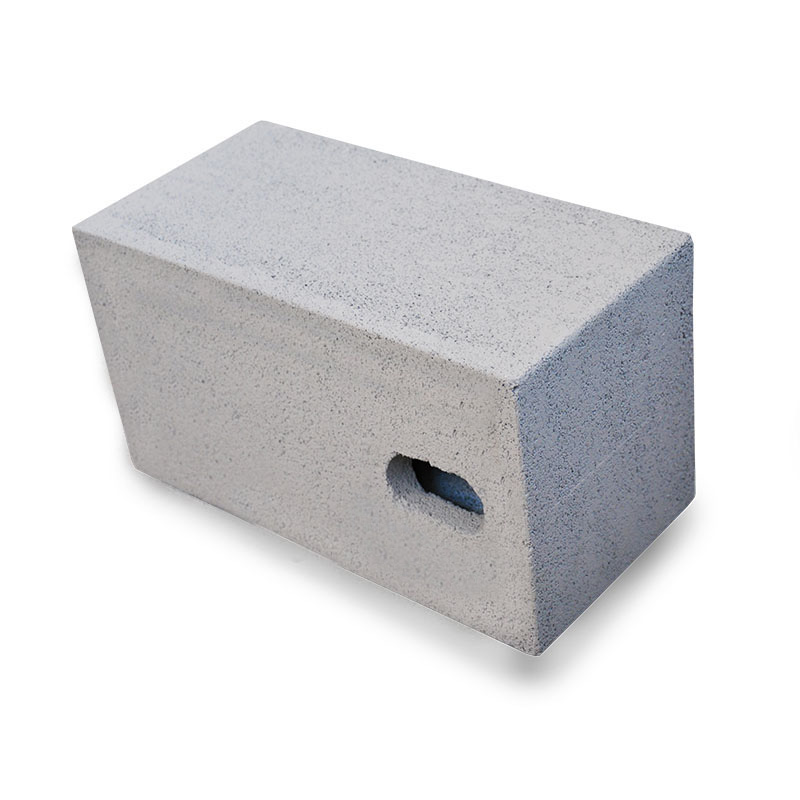
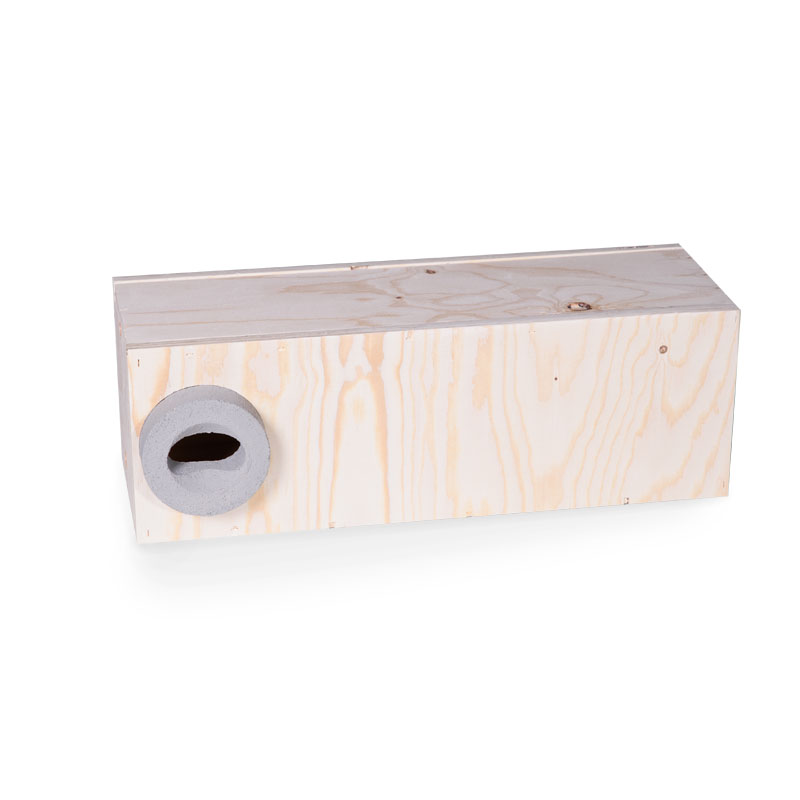
There are various types of swift provisions available, including integrated swift boxes (such as the GZP2 and GZP3), roof overhang modules and prefabricated housing features designed for integration into facades or chimneys. Swifts require relatively little space, meaning that even narrow recesses can provide suitable nesting opportunities. Modern solutions combine wildlife provisions with architectural integration and can be incorporated seamlessly into both new build and refurbishment projects.

Are swift bricks required in England?

England’s 2026 National Planning Policy Framework states that development proposals should incorporate integrated nest boxes, commonly known as swift bricks, unless there are compelling technical reasons preventing their use or making them ineffective. The exact provision for an individual project can also be influenced by local planning policy, the type of development and its ecological context.

How many swift bricks should be included in a development?

Planning Practice Guidance for England gives a general aim of at least one integrated nest box per unit across a development. This should be considered alongside the scale and design of the development, local planning requirements and ecological advice. Clustering several nesting opportunities can also be appropriate for swifts, which naturally nest in colonies.

Also receive a quote for Swift boxes? Fill in your details here

"*" indicates required fields