 EN
▾
EN
▾
EN
▾
EN
▾
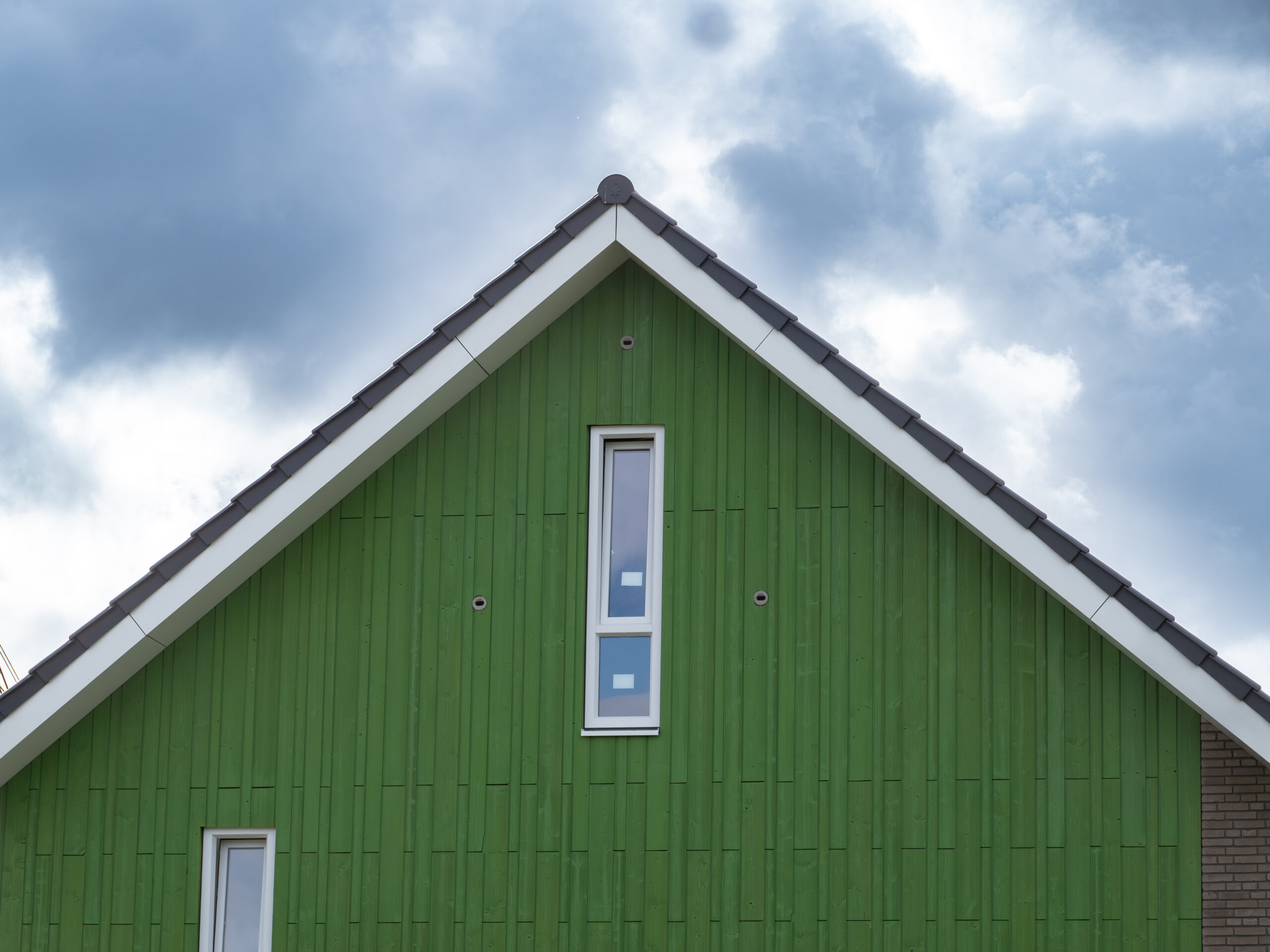
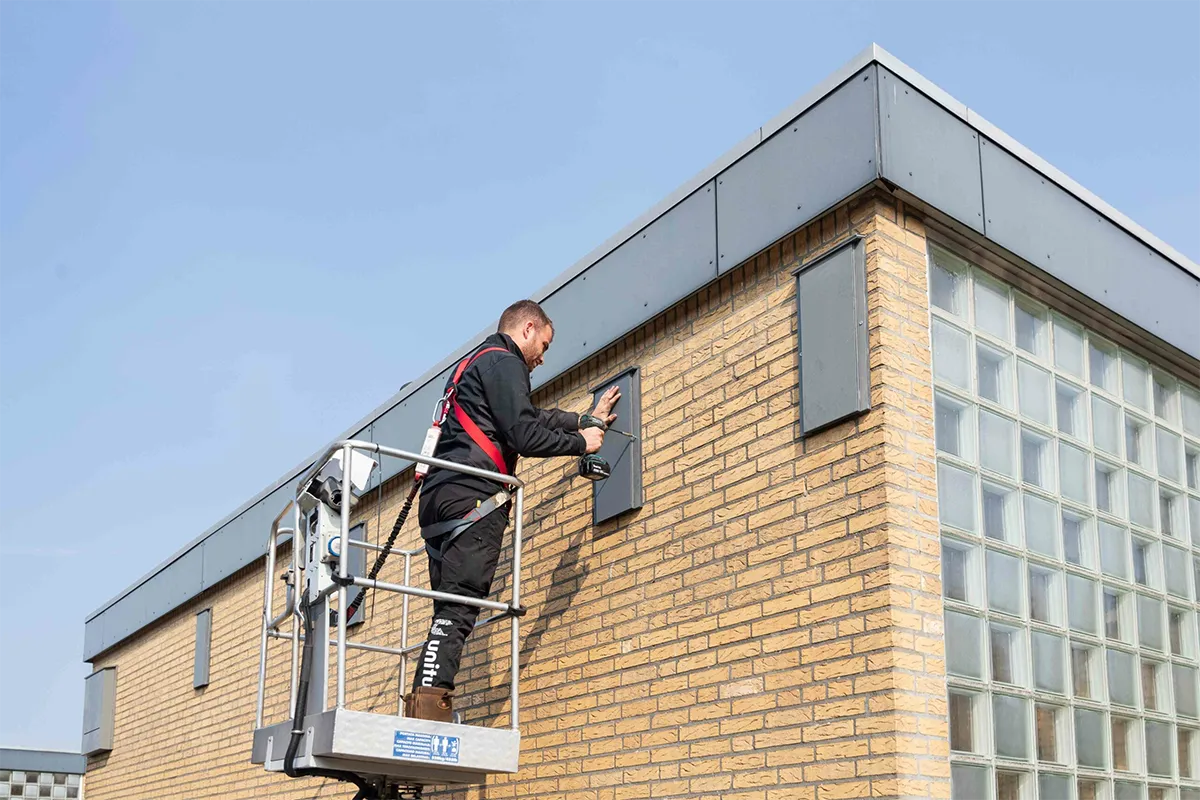
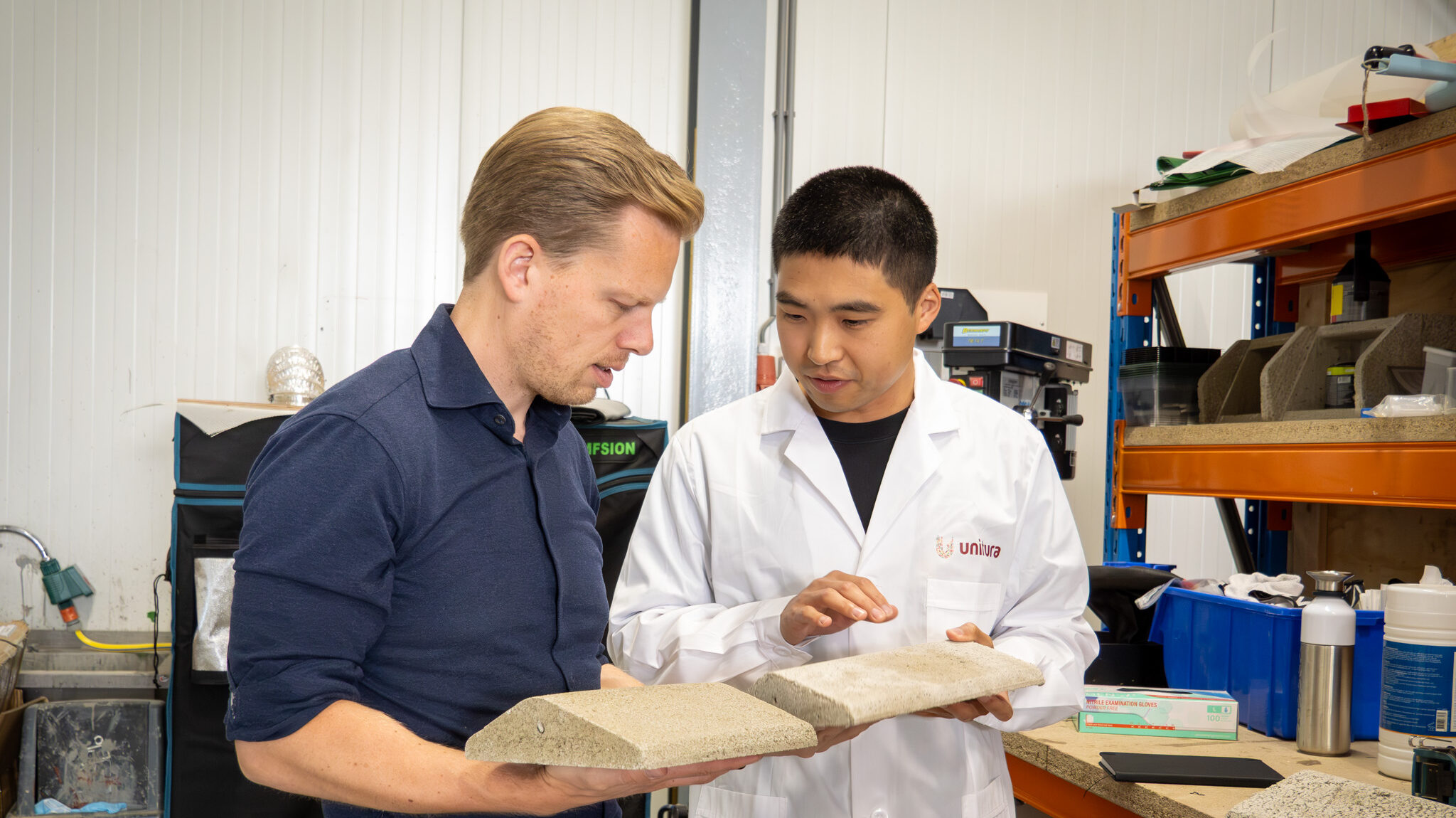
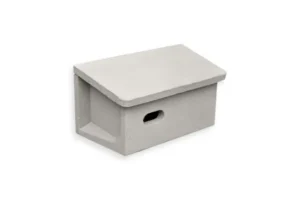
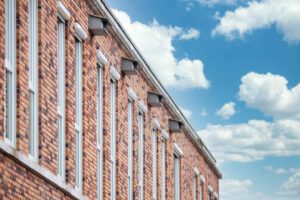
In Lelystad, contractor Dura Vermeer and the Municipality of Lelystad are developing a new residential project comprising 70 homes within the Groot Nooten area. Located in the Warande district, the development places a strong emphasis on nature-inclusive building. The neighbourhood is being designed with a green, village-like character and a clear focus on biodiversity enhancement. Unitura supplied a range of wildlife features for birds, bats and insects, all fully integrated into the design as a permanent component of this nature-inclusive new-build development.
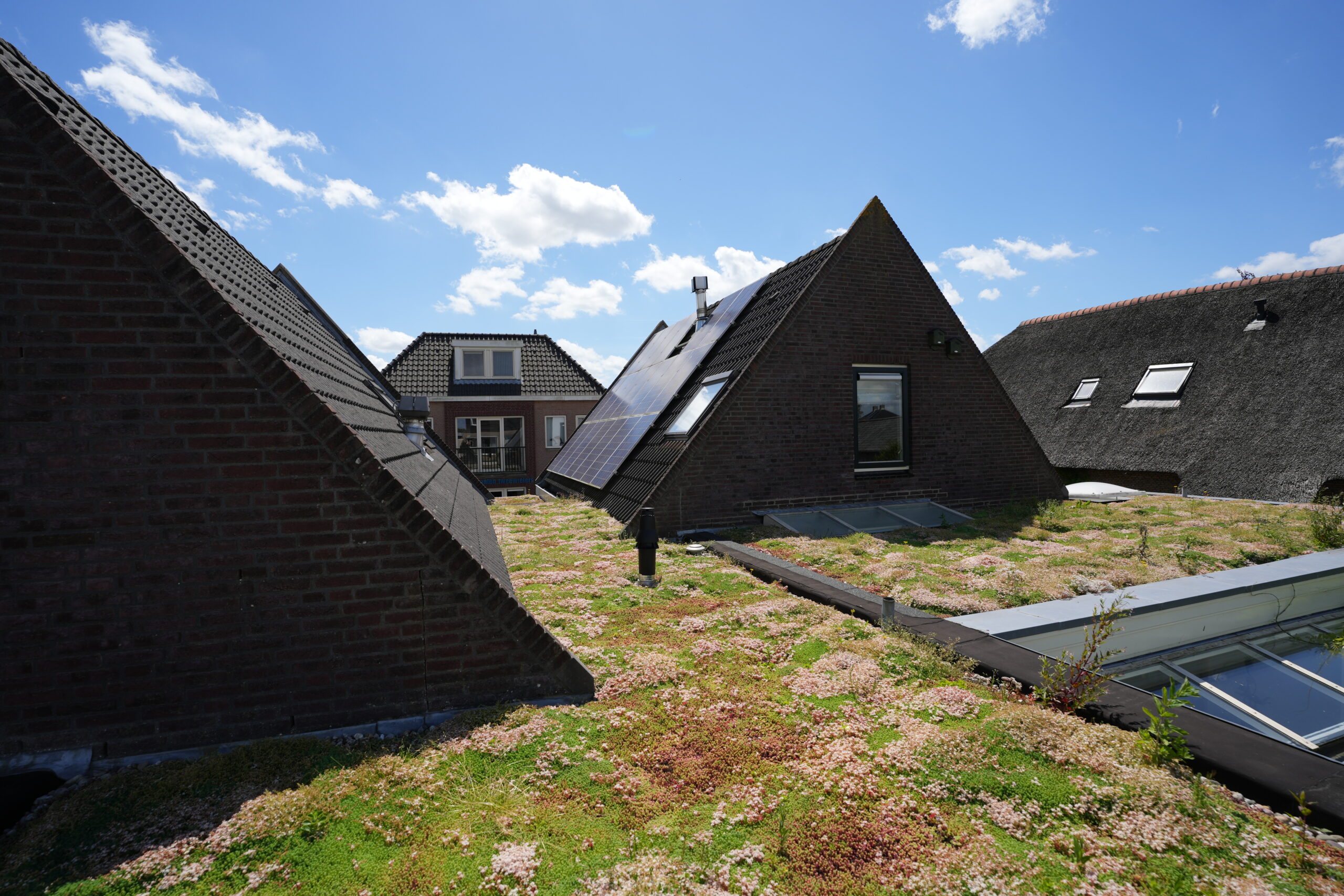
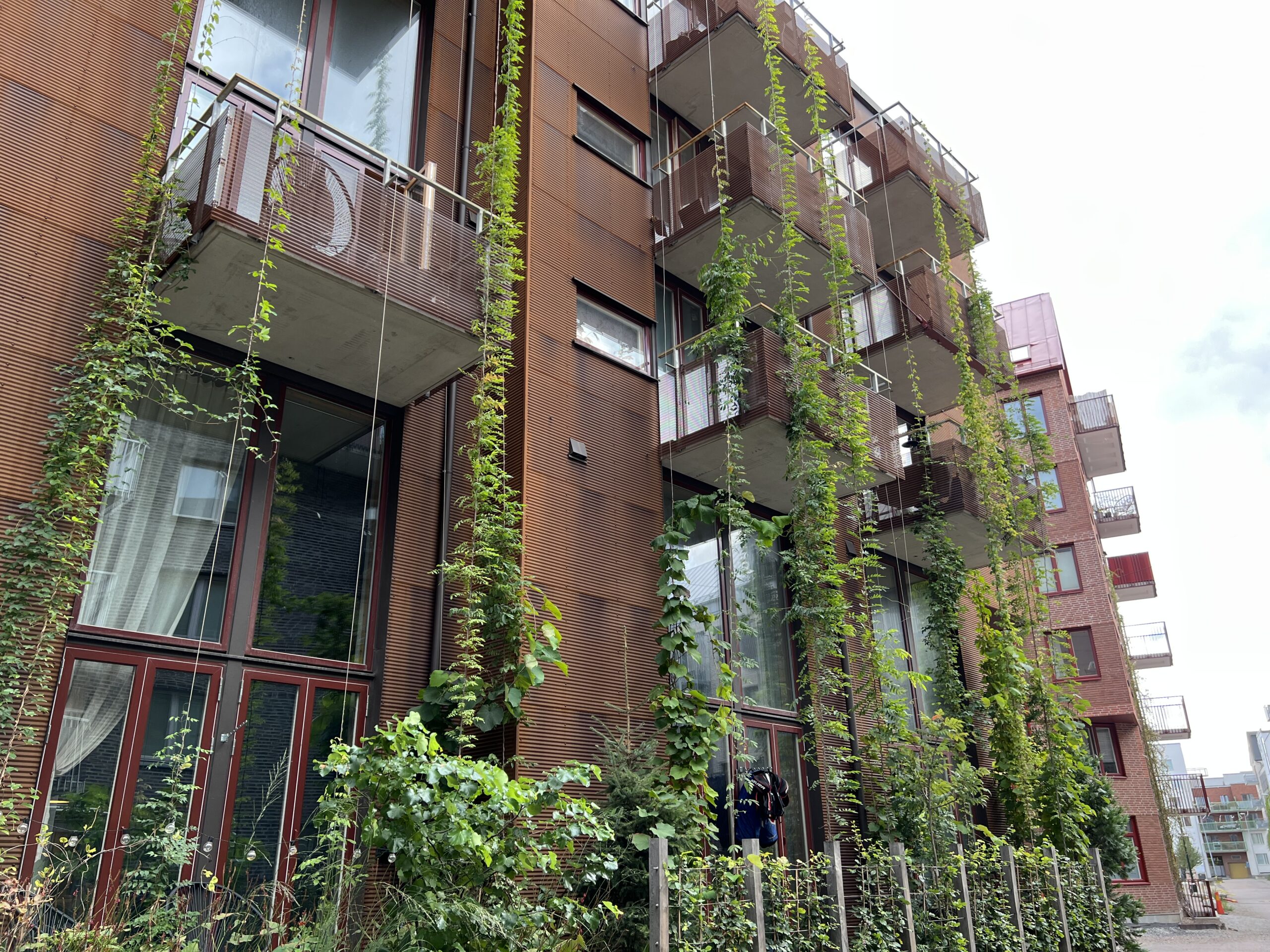
The Warande district in Lelystad continues to expand, and the Groot Nooten development will add a new residential area with a green, park-like setting and a village character. The project will ultimately comprise 70 new homes. Groot Nooten places a strong focus on enhancing local biodiversity within an urban environment. Centrada and Dura Vermeer have incorporated nature-inclusive principles into the development concept from the outset. As a result, habitat opportunities for insects, birds and bats have been integrated into the construction process as a permanent and functional part of the neighbourhood.
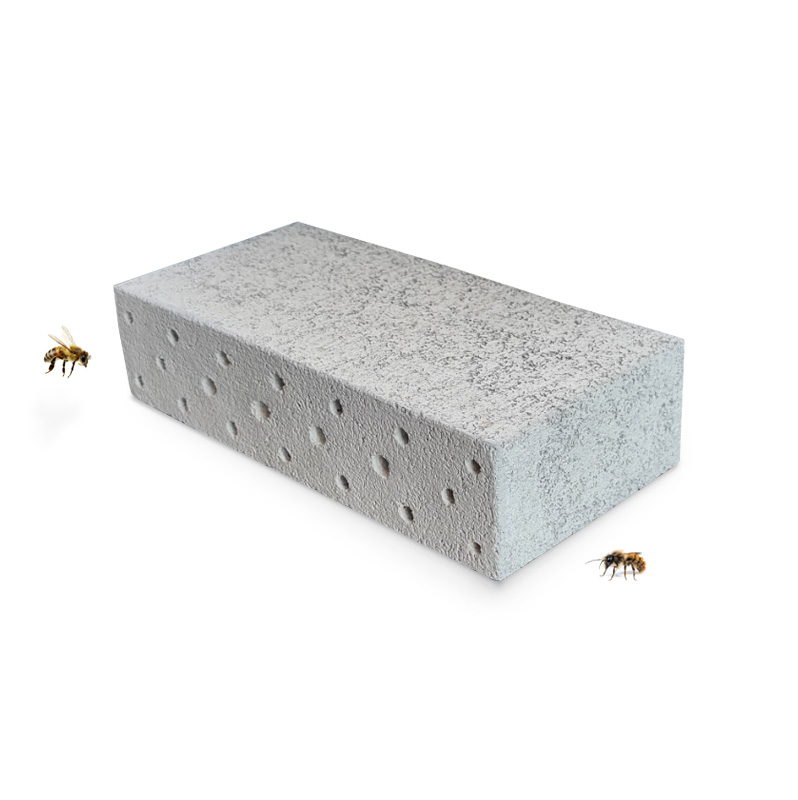
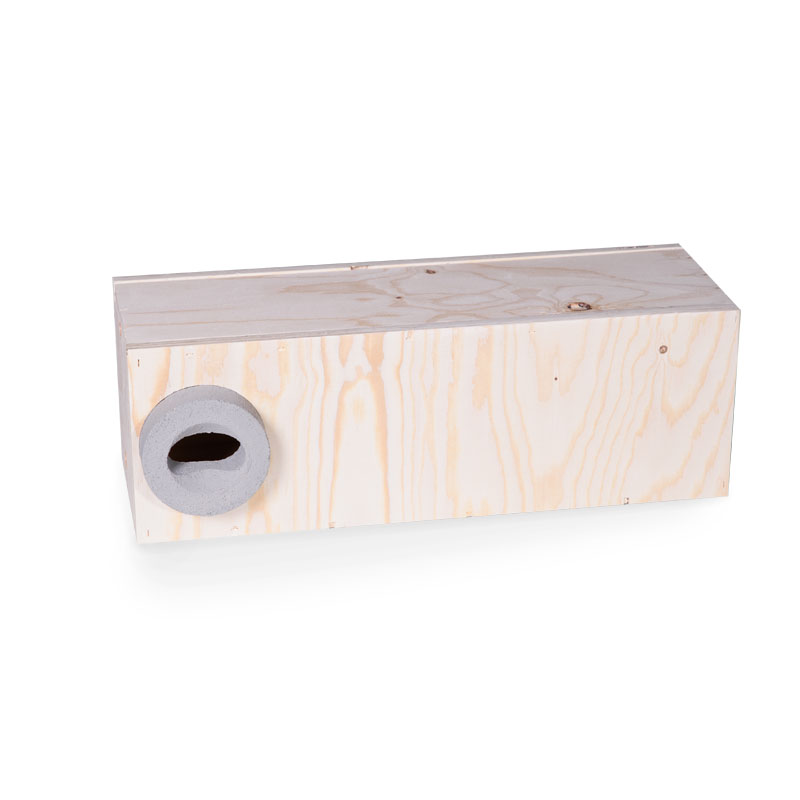
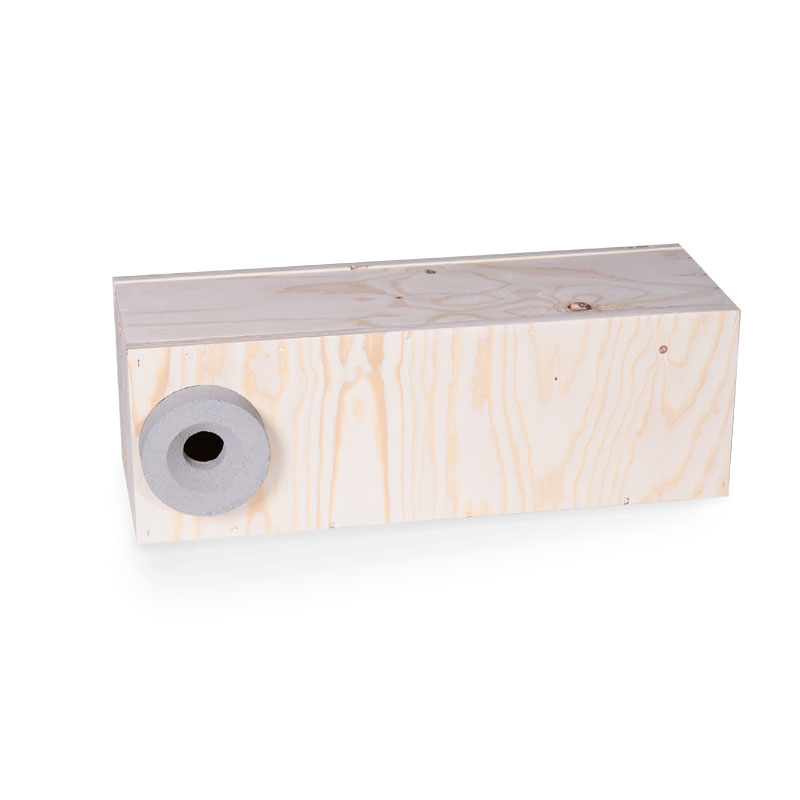
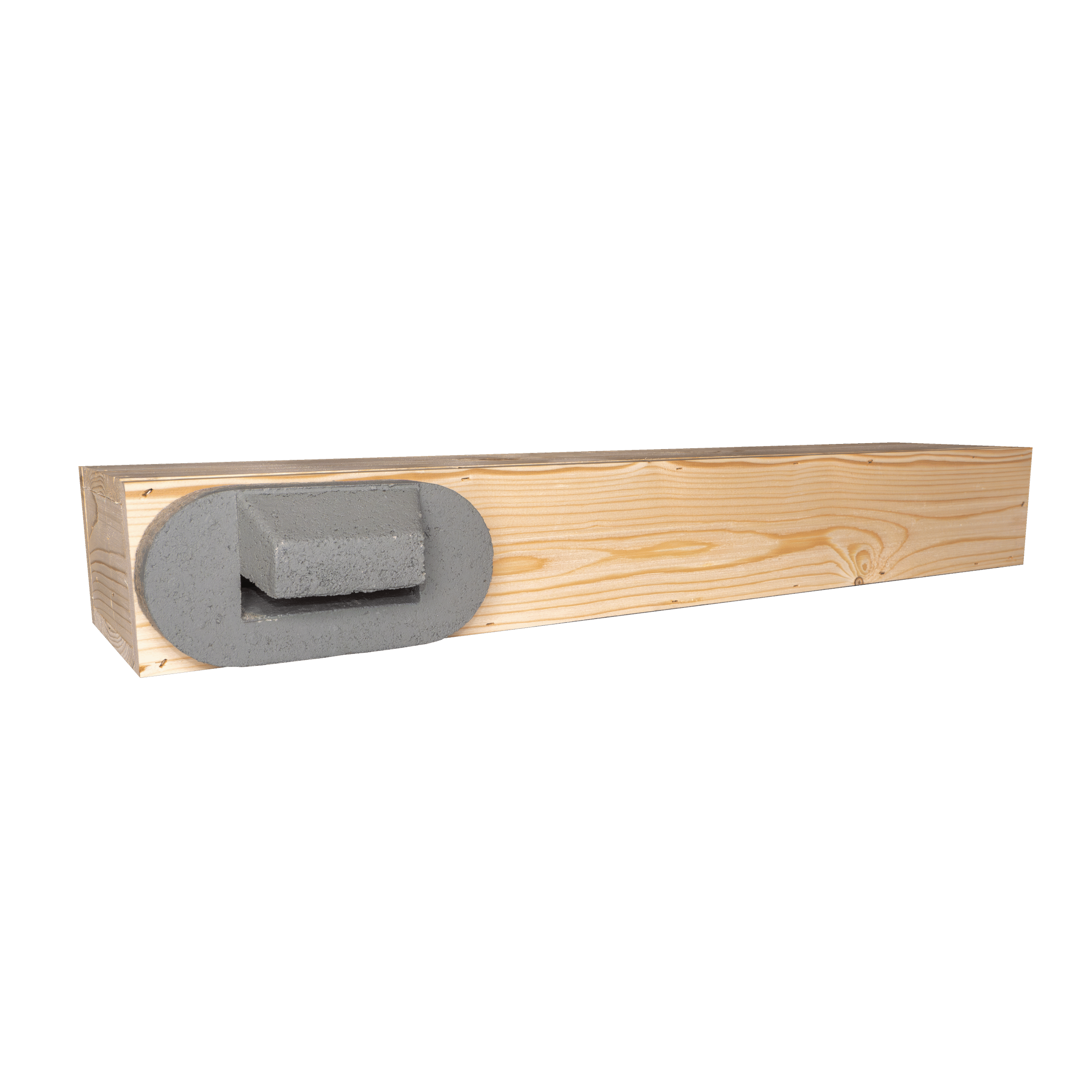
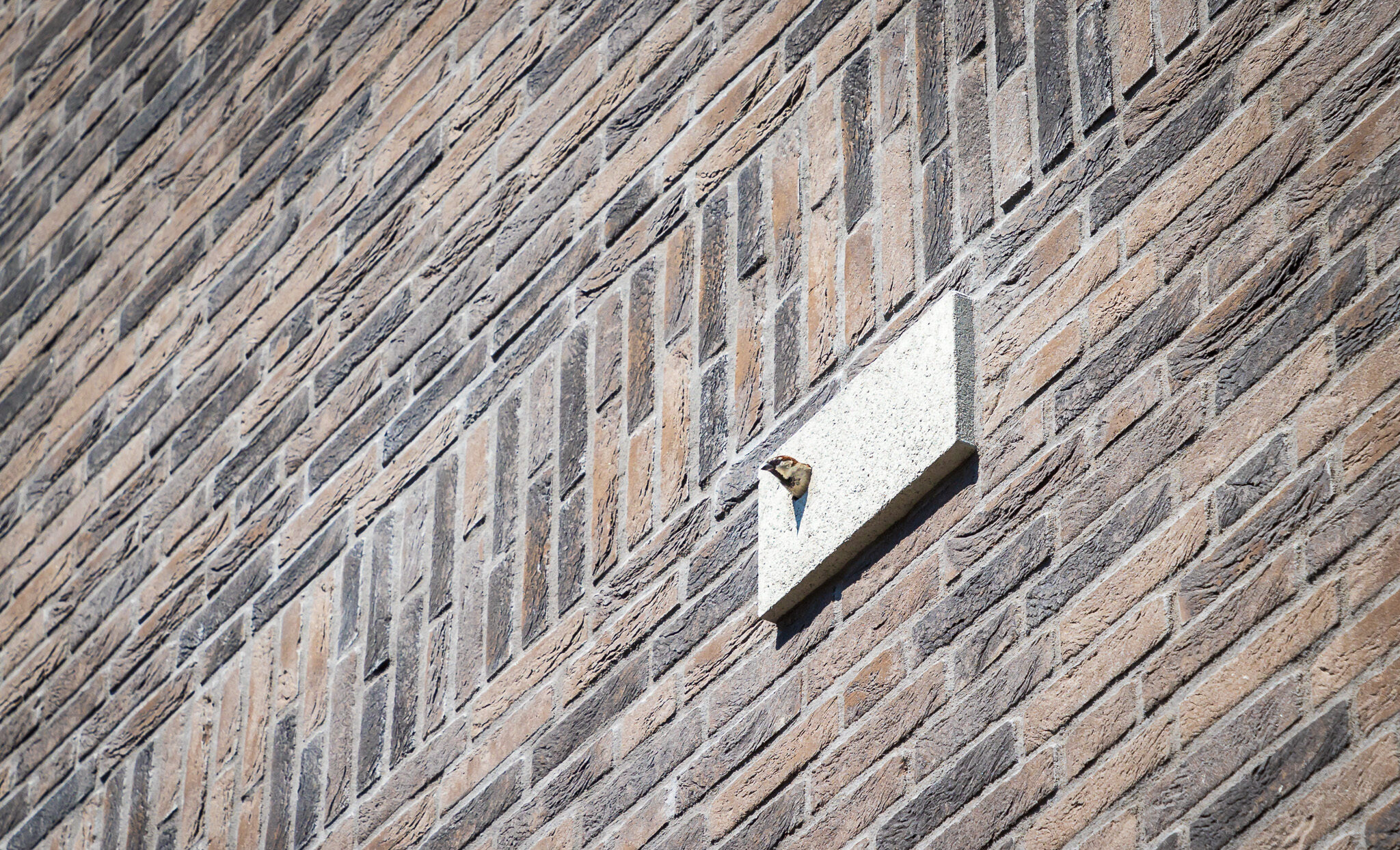
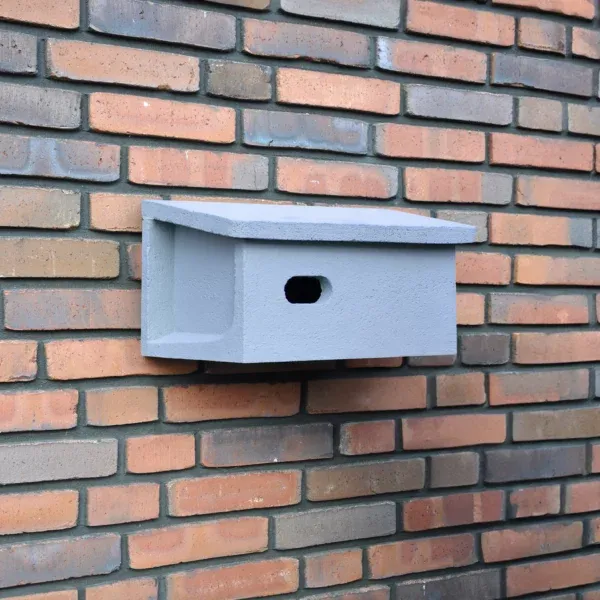
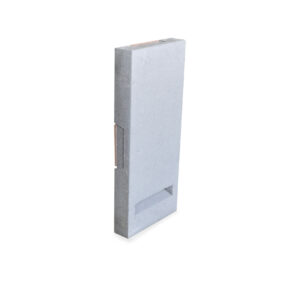
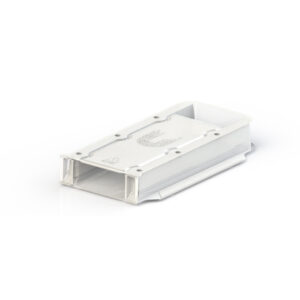
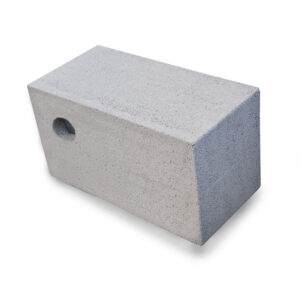
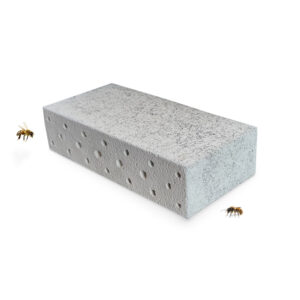
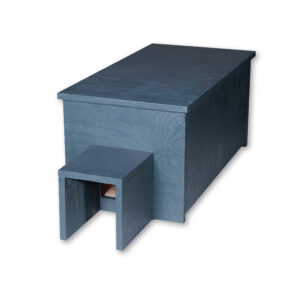
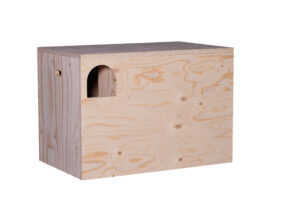
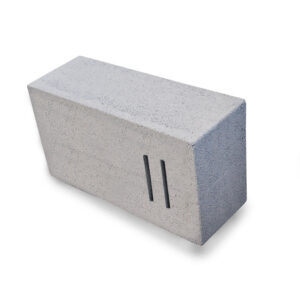
Several features were used in this project:
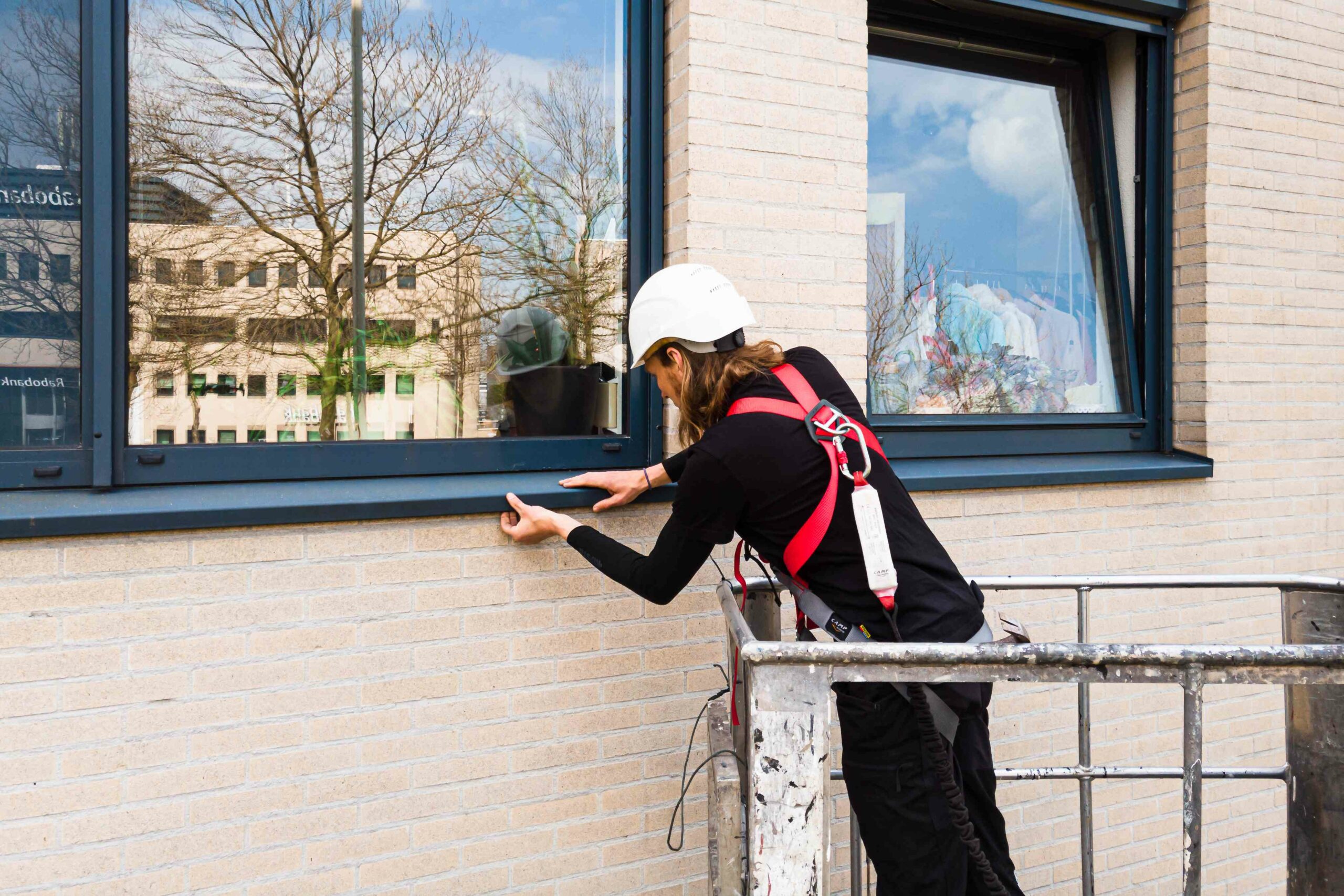
The placement of the wildlife features was carefully designed around key ecological requirements, including facade orientation, installation height, protection from disturbance, temperature regulation and artificial lighting conditions. The insect bricks, bird nest boxes and bat roost features were installed at locations and heights that closely reflect the natural behaviour and habitat preferences of the target species. This considered approach maximises the effectiveness of the provisions and ensures the greatest possible contribution to local biodiversity.

 >
> >
> >
> >
> >
> >
> >
> >
> >
>