
 >
 >
 >
 >
 >
 >
 >
 >
 >




We are happy to assist you with issues surrounding nature inclusivity.


 EN
▾
EN
▾
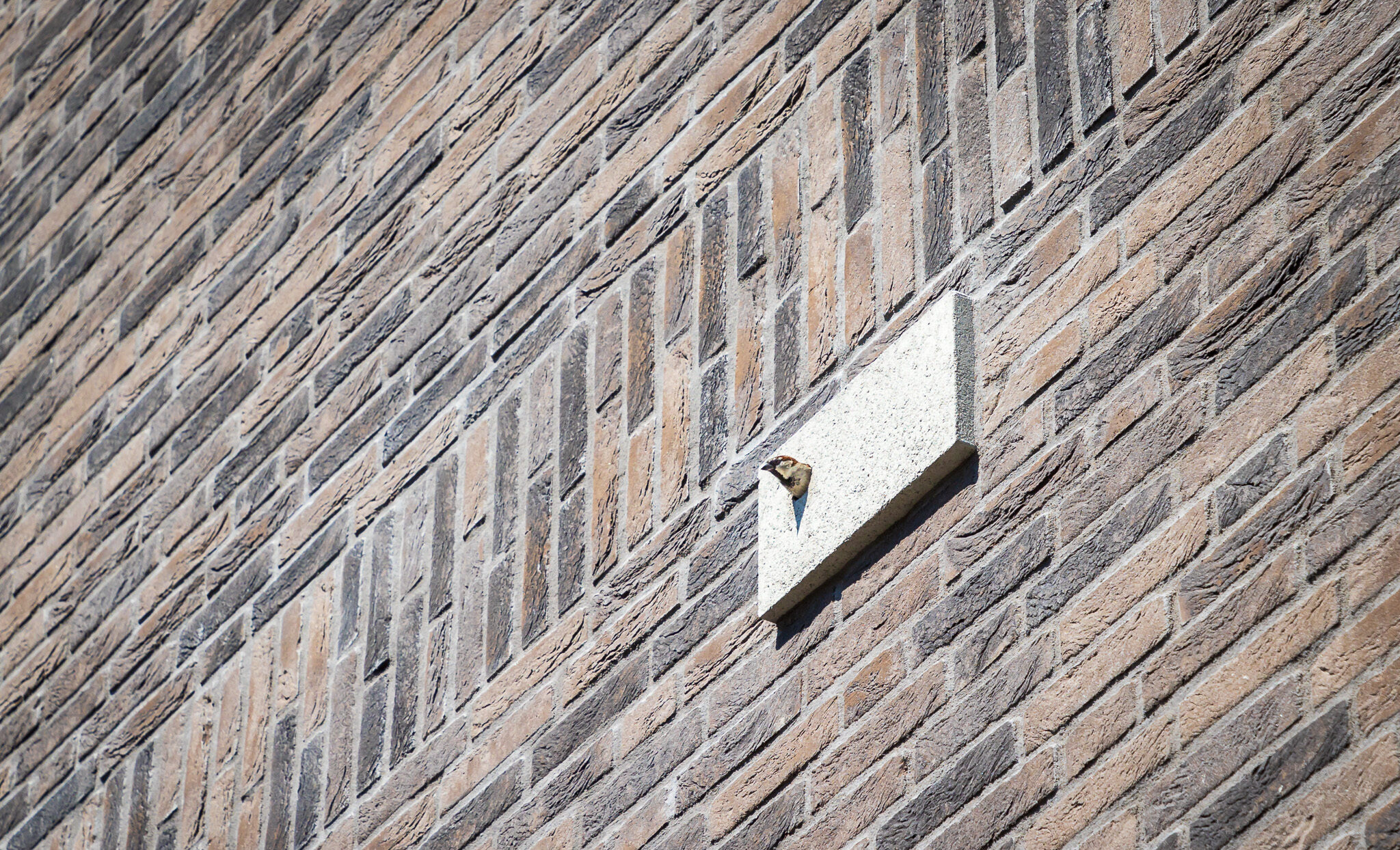
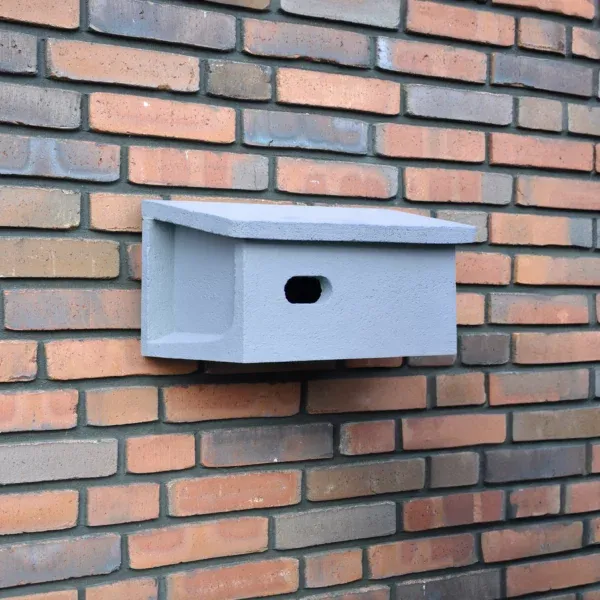
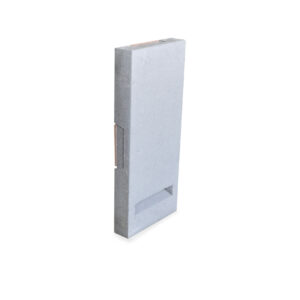
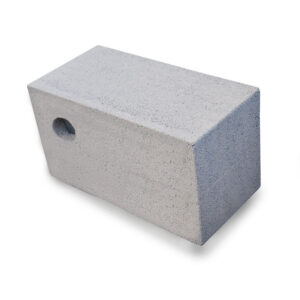
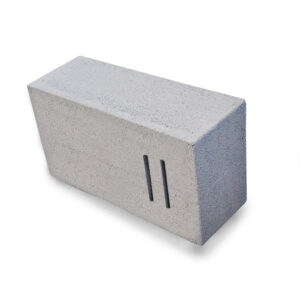
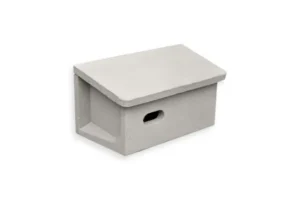
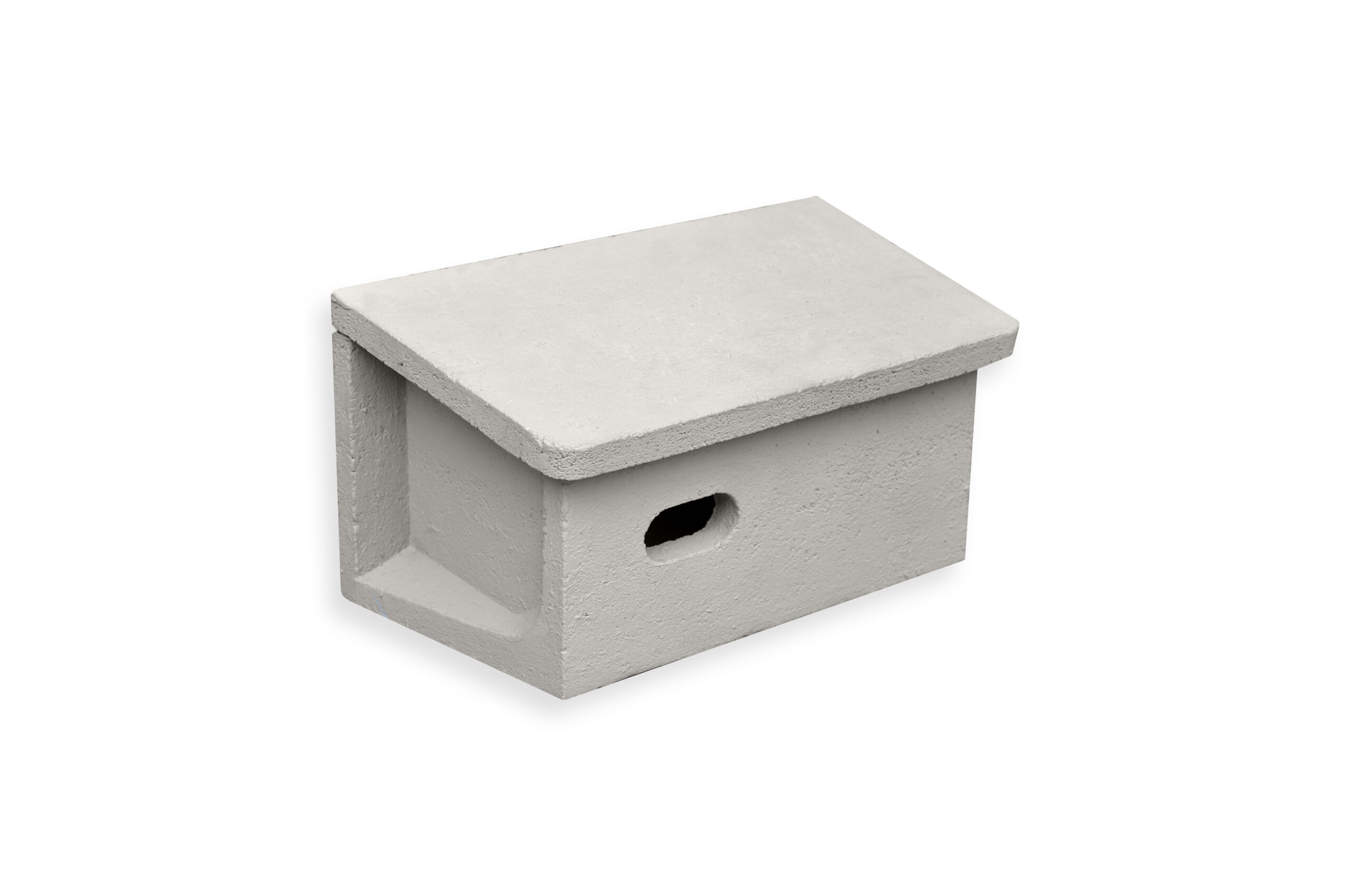
This two-layer woodcrete bat box has been specifically designed for the mitigation of small summer roosts, fewer than 10 bats, and mating roosts of building-dwelling bat species.


Suitable for
This bat box has been designed for building-dwelling bat species. As a summer roost and mating roost, the box is specifically suitable for common pipistrelles and Nathusius’ pipistrelles.
Design
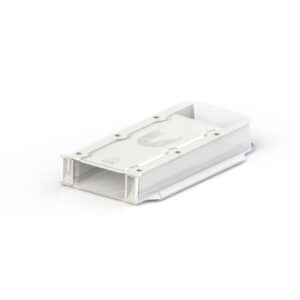
The box has been designed as a surface-mounted shell-type bat box. The bat box has no rear panel; instead, it is installed onto the external wall as a shell. Bats can climb into the box via the rough external wall surface.
The box is supplied with a special foam seal that can be applied around the rear edge of the box to create an optimal seal against the external wall.
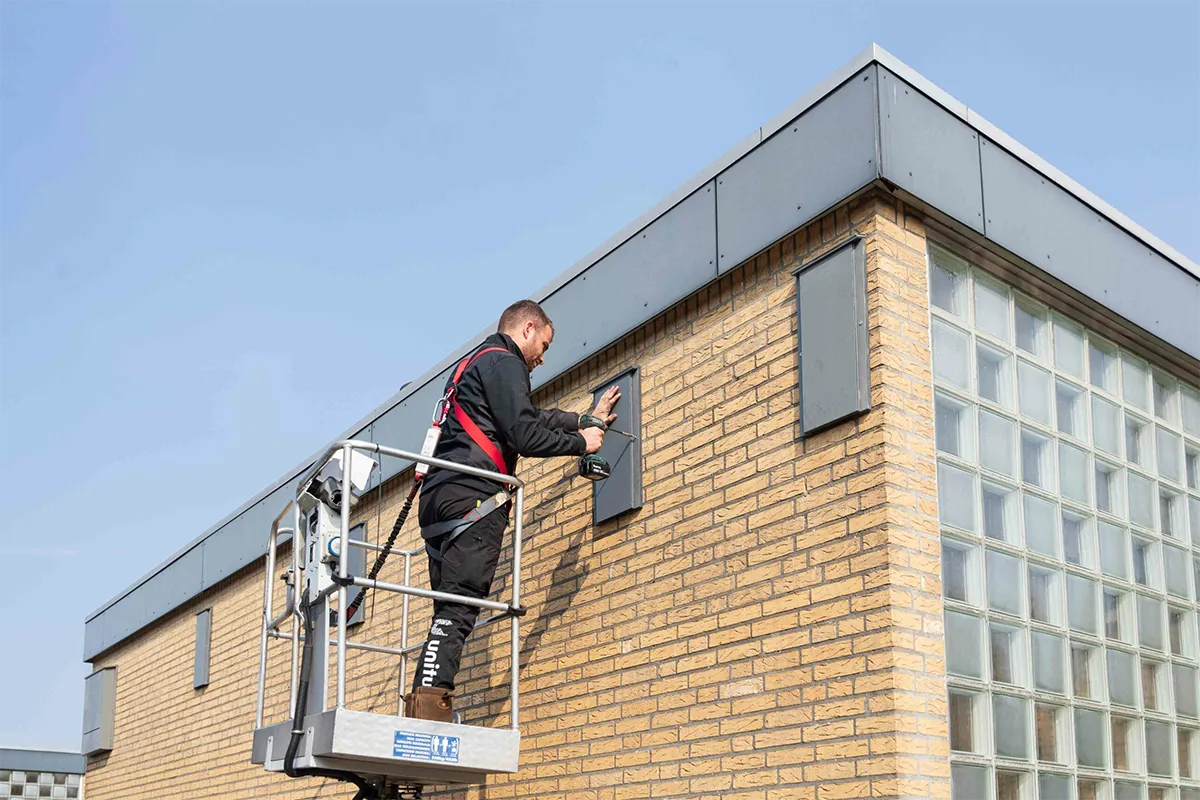
The box can be easily installed using the special fixing openings and the screws supplied.
Position
Install the box on a building or structure at a minimum height of 3 m, but preferably as high as possible. Do not install the box near a window or streetlight. Preferably give the box a sunny position.
Bat boxes are usually discovered most quickly when installed close to an existing bat flight route. Suitable positions for bat boxes include locations just below roof edges.
Installation
The boxes are easy to install using the screws and instruction card supplied.
Bats use a network of roosts at different orientations. Therefore, bat boxes are best distributed among as many different orientations and locations as possible. Bats look for roosts along corners and edges. Place bat boxes on buildings as much as possible along eaves and ledges. The basic maxim is that bat boxes should always be placed as high as possible, but at least 3m high. Make sure there is free space under the box. For a more detailed explanation, see Unitura’s Handbook .
The term small bat boxes comes from BIJ12’s knowledge document Common Dwarf Bat. This designation refers to bat boxes suitable for up to 10 bats. Examples of these boxes include the VMT1, the VMT1a, the VMTH1, the VMPM1 and the VMPM1e.
Mitigation projects under the Nature Conservation Act distinguish between permanent and temporary bat boxes. Typically, temporary bat boxes are first provided in the immediate vicinity of a building being demolished or renovated. Bats can then temporarily move to these boxes until permanent bat boxes in the new or renovated building become available. Typically, bat boxes can only be considered “permanent” if they are highly durable (have the same lifespan as a building) and if they are part of the building’s architecture (the boxes should not be easily removed).

We are happy to assist you with issues surrounding nature inclusivity.