 EN
▾
EN
▾
EN
▾
EN
▾
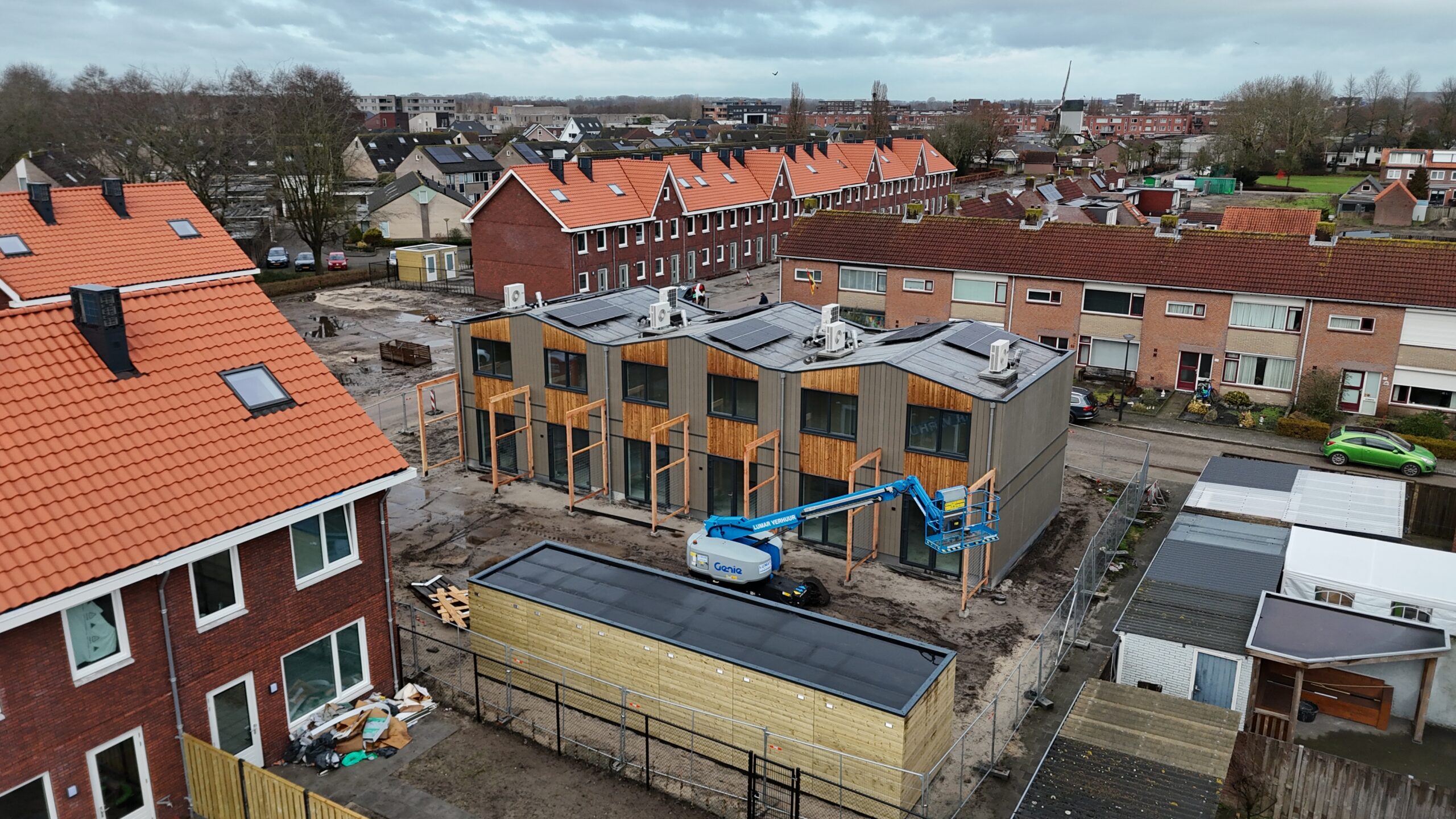
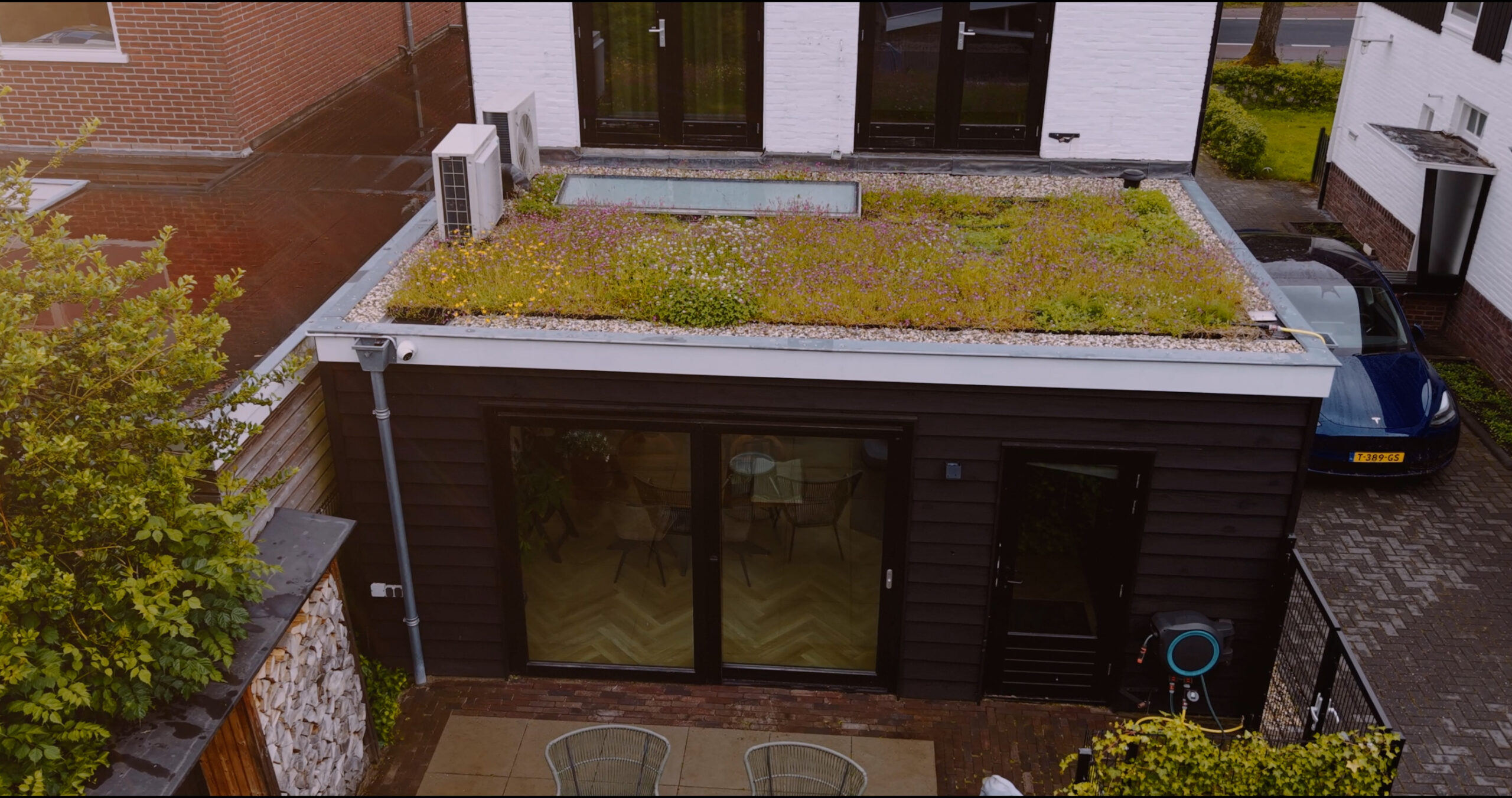
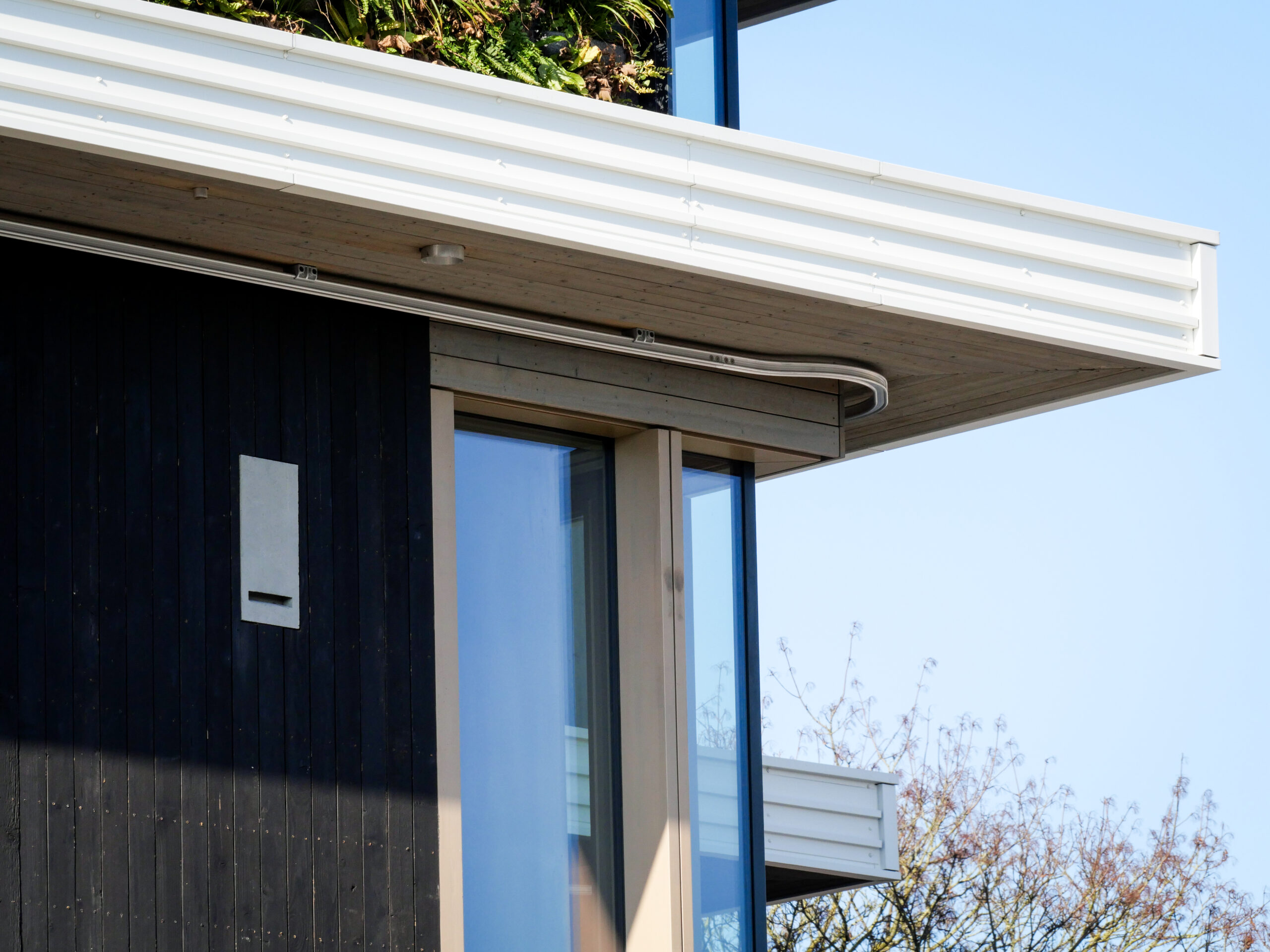
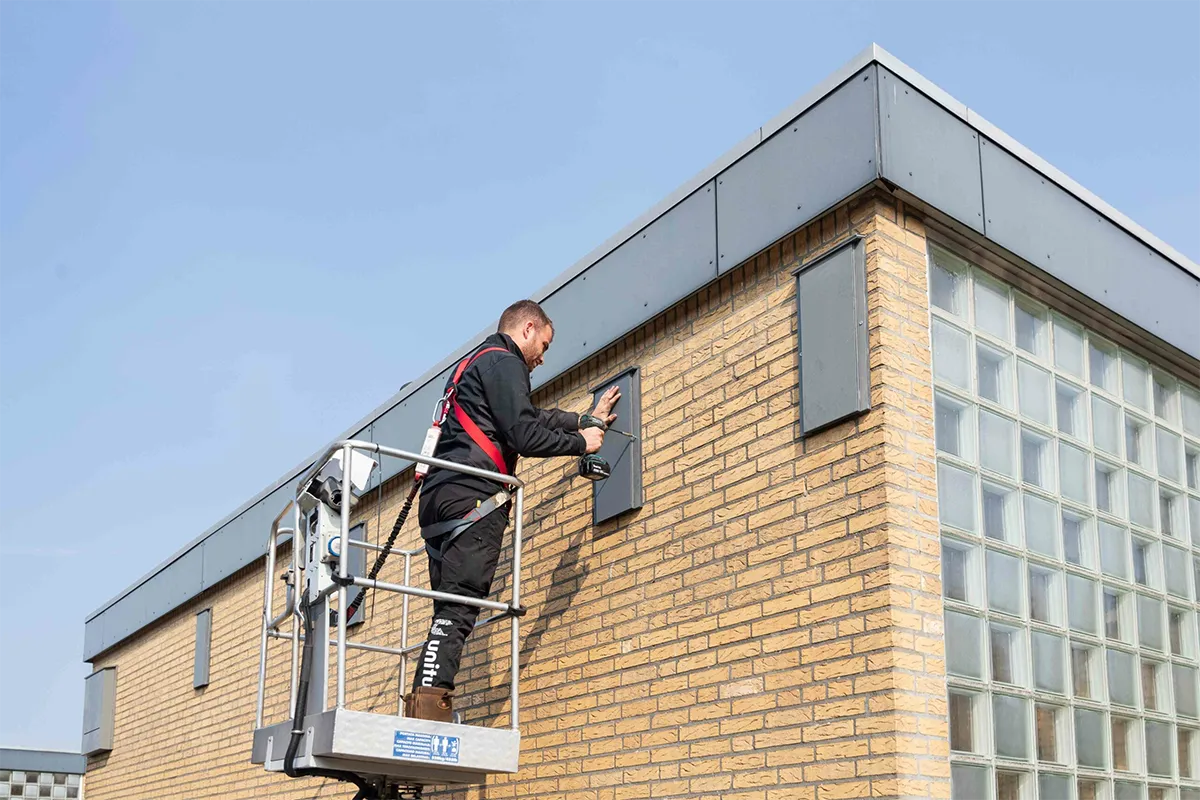
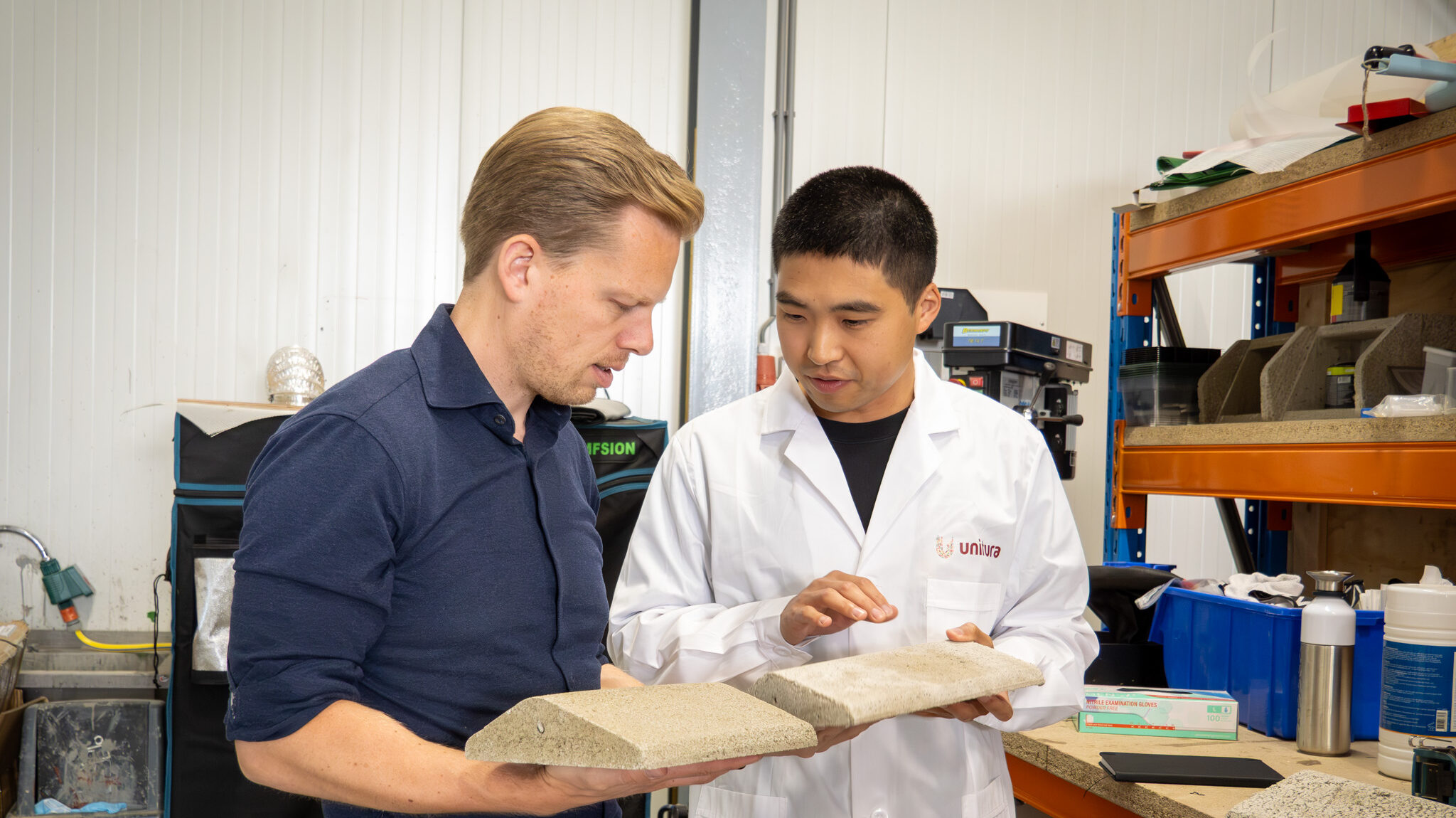
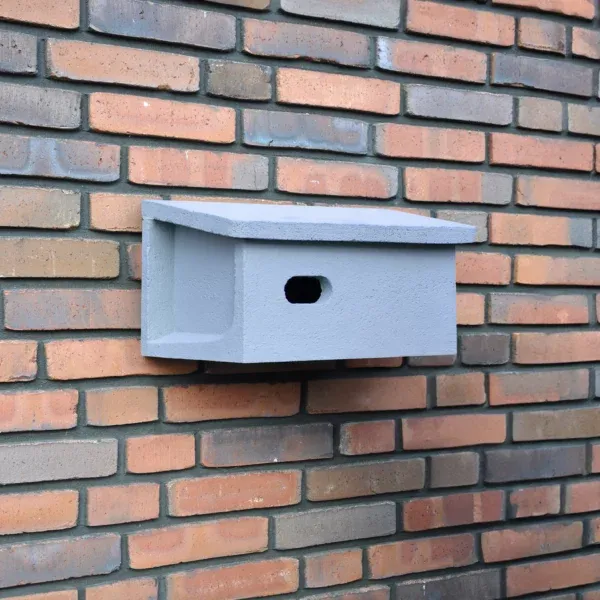
The Novatura nature-inclusive repository was developed by Unitura and FramePlus in collaboration with Vogelbescherming Nederland. The design has been optimized to attract bush-breeding birds. This is in response to alarming results from the Breeding Bird Monitoring Project and Sovon’s City Bird Balance 2022. These show that these species in particular need a helping hand in the urban environment. The Novatura has now been on the market for six months. At the time of the interview, there is no direct feedback from the market, or from end users.
Niels: “The concept was launched six months ago. At the moment, three projects are underway, representing around 40 units in total.”
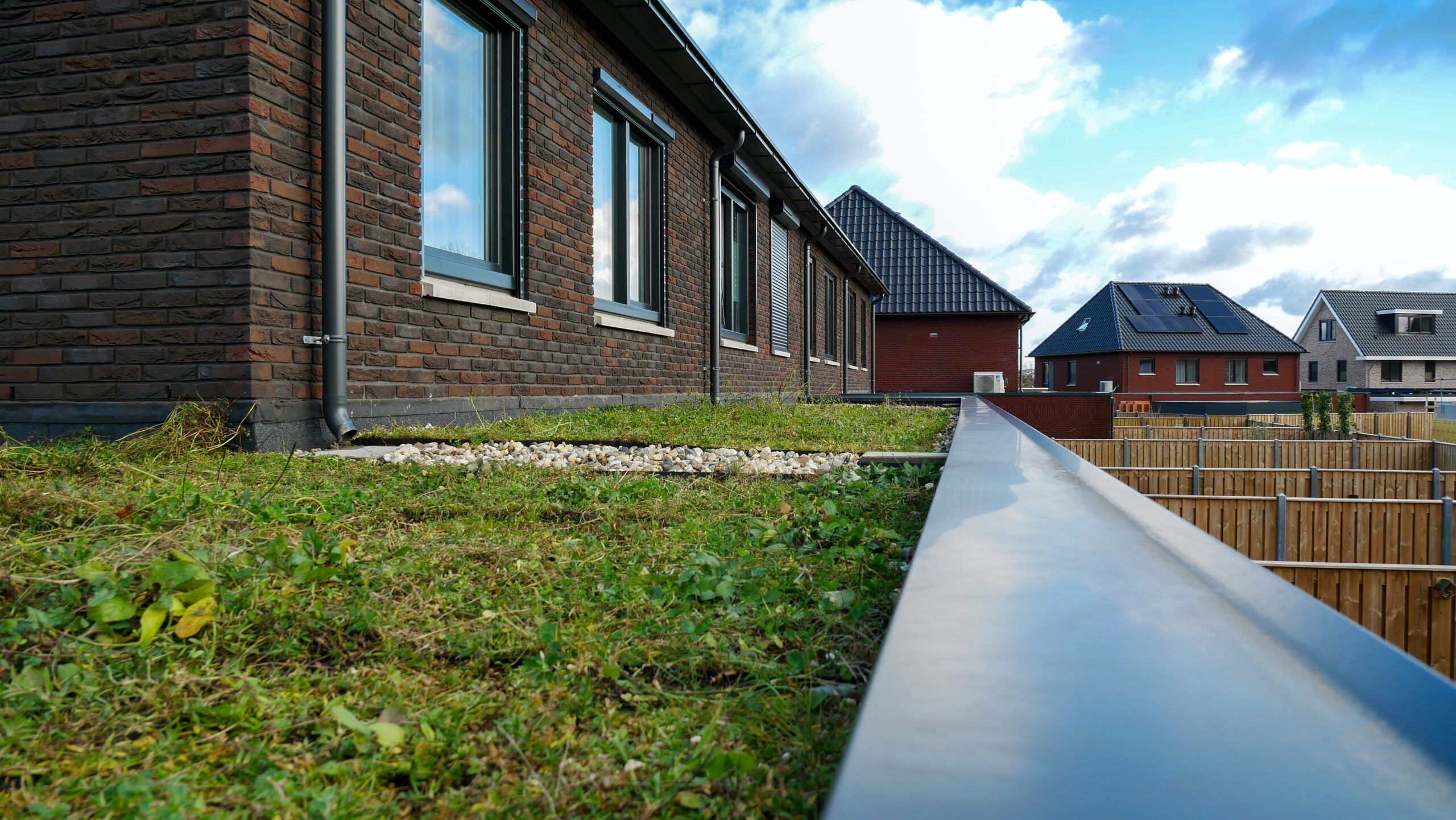
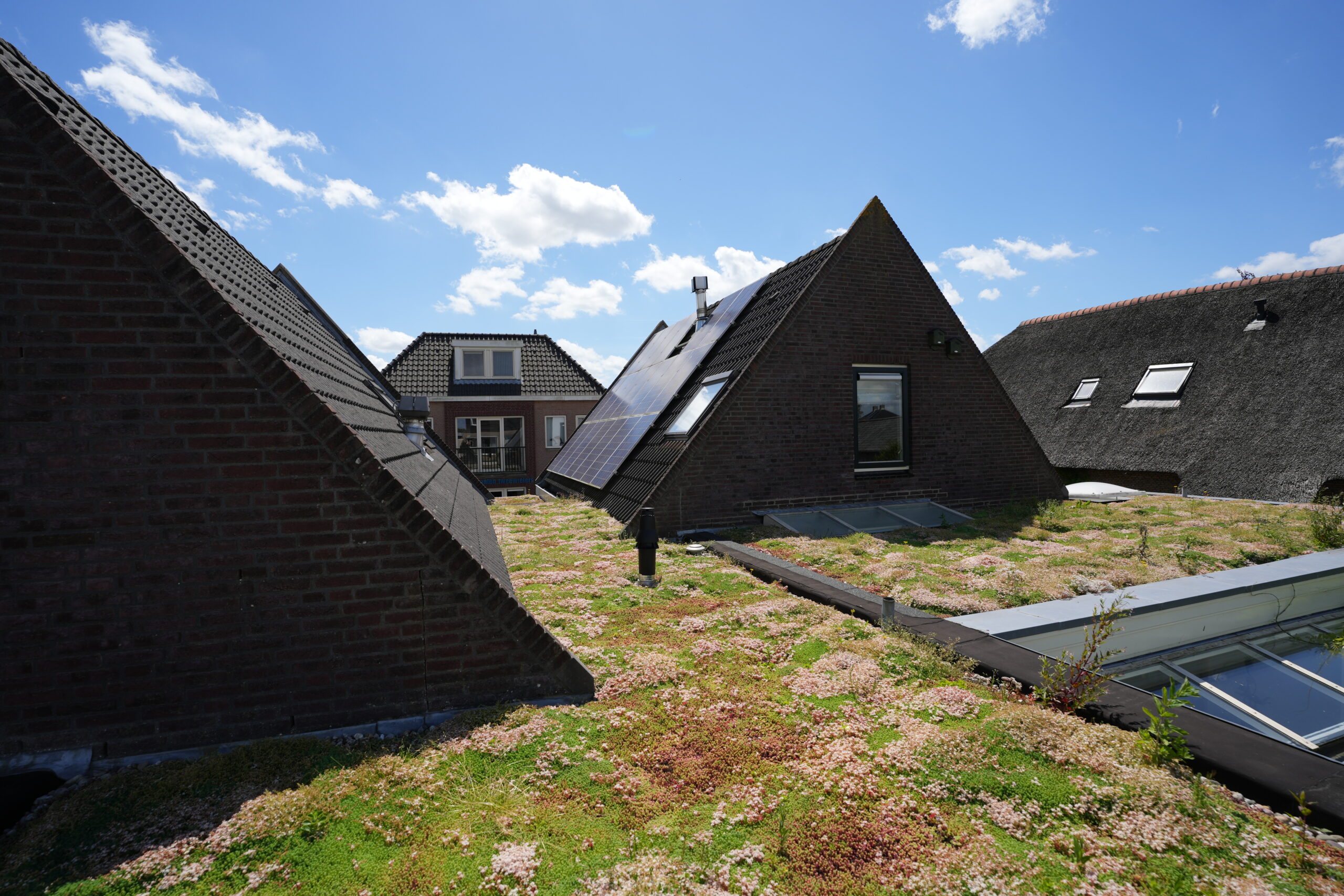
Sicco: “Yes, Unitura has its own nursery focused on native plant species. The wildflowers we grow there are also used on the Novatura roof. With adequate irrigation, so it does depend on how well the planting is maintained, you can create a dense, species-rich roof with vegetation reaching heights of 30 to 40 centimetres.”
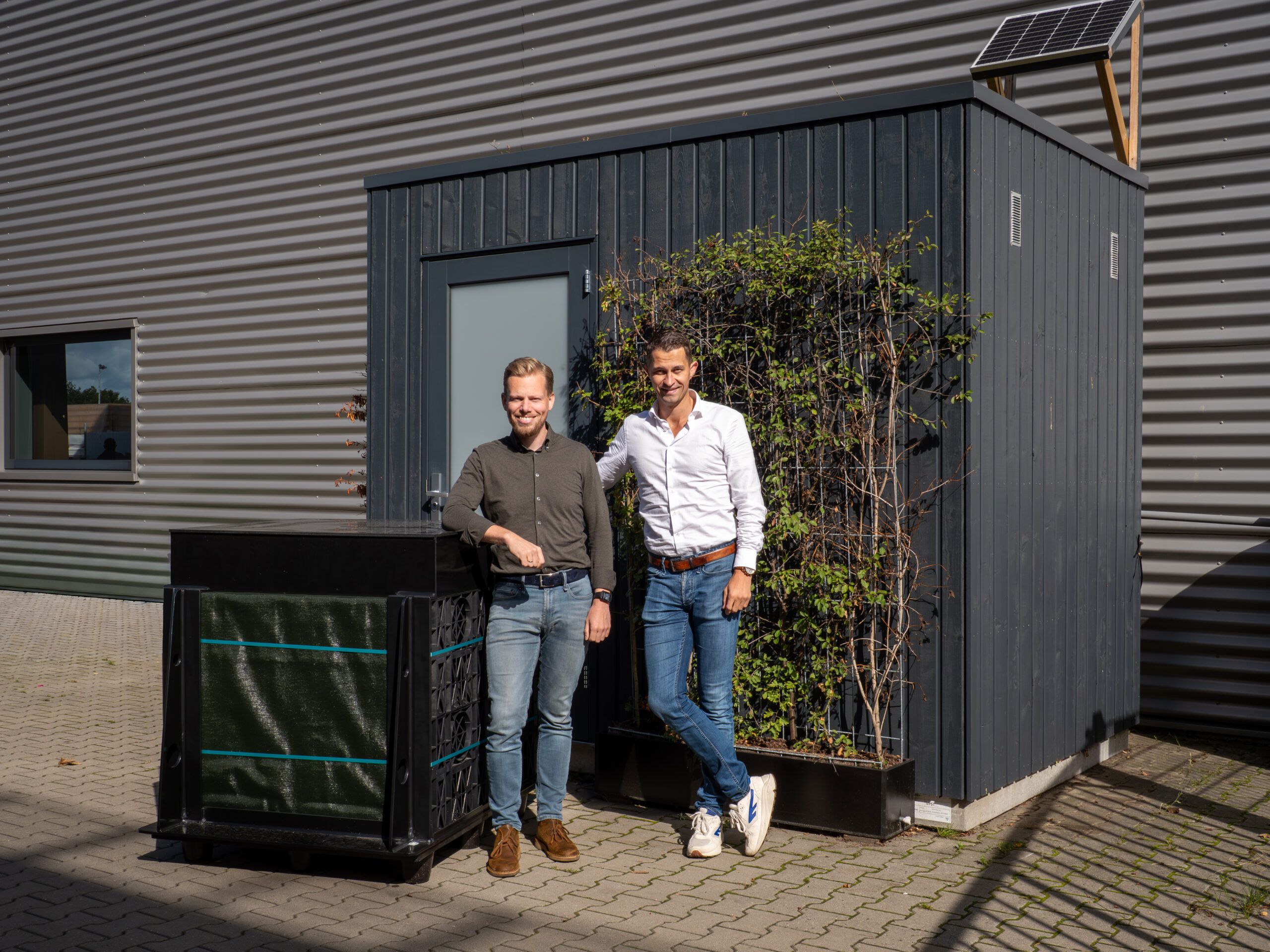
Niels: “Exactly. We use a crate-based system consisting of 24 crates, each wrapped in geotextile. Within that system, there are a few different options. You can choose infiltration only, where all the water gradually drains away into the ground, or a combination of infiltration and storage. In that case, a storage tank is installed beneath the crates, which also functions as an overflow system. Once the tank is full, excess rainwater is allowed to infiltrate into the soil.
Altogether, the system can infiltrate approximately 4.7 cubic metres of water. Around half of that, roughly 2.35 cubic metres, can be stored and reused. For example, the water can be pumped back to the roof through an automated irrigation system.”
Sicco: “In addition, you can also install a traditional hand pump, allowing residents to fill a watering can themselves. We already have other projects using that concept, and it works very well in practice.”
Sicco: “Another aspect is that civil engineering firms have to get rid of a certain amount of crates. And if you build on a postage stamp, so to speak, the question is where to put your infiltration. Often it has to be under the parking spaces, but that’s not ideal. I find that people get excited if they can already put half of the water storage requirement under the storage, leaving more space for other things. And you also keep residents’ backyards free of crates. Great if you want to put in a trampoline, for example, or dig a pond.”
What plants are typically incorporated into the hedge, and how tall will they be when the Novatura is delivered?
Sicco: “For the hedge we work with Mobilane, they supply ready-made hedges. With the Novatura, we supply a hedge that will be as high as the shed itself. We choose the evergreen firethorn, which is very good for bush breeds, or the biodiverse hedge with hawthorn, hazel and guelder rose. The latter is especially good for insects, and as a source of food for birds.”
Are there facilities that target other species?
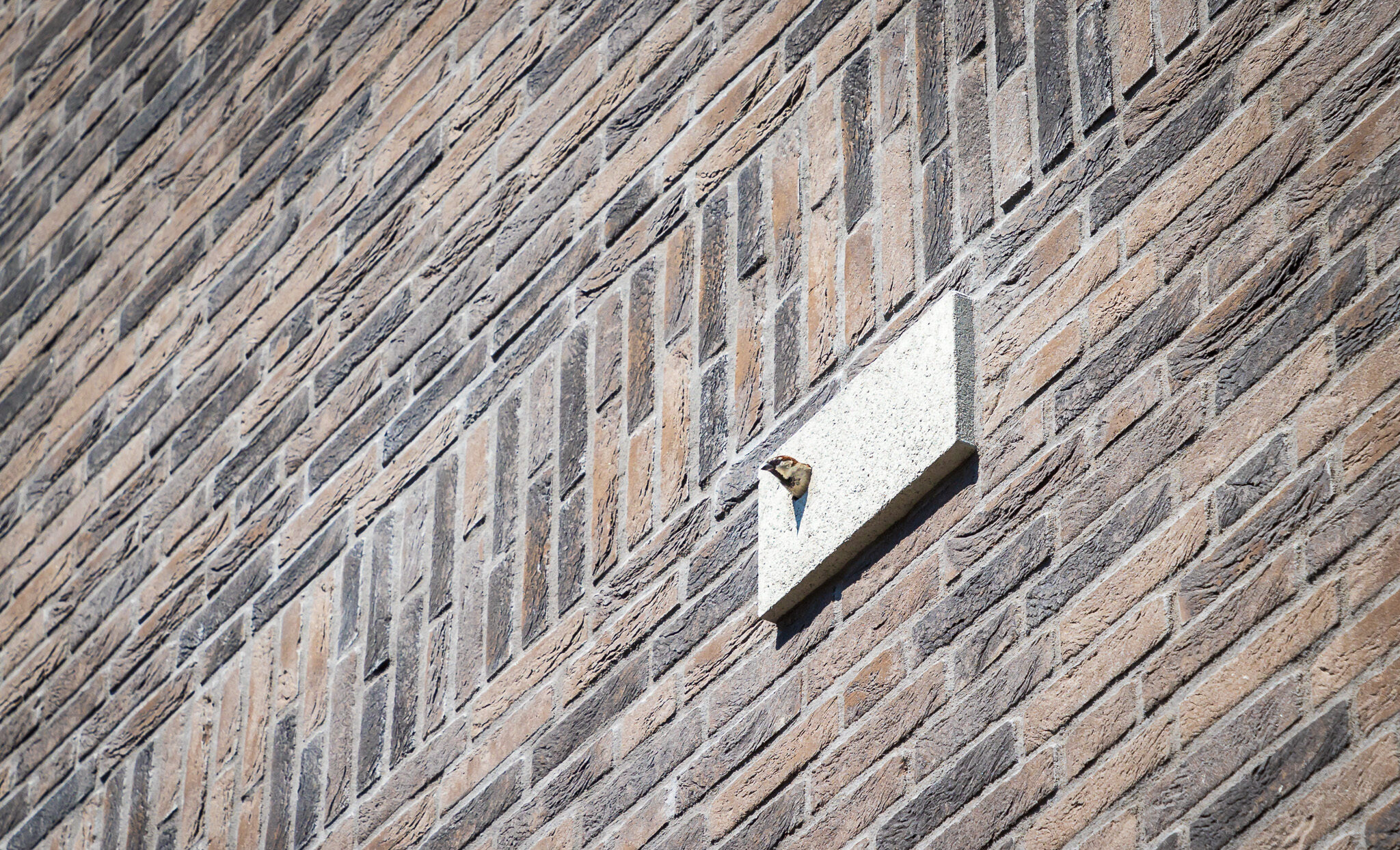
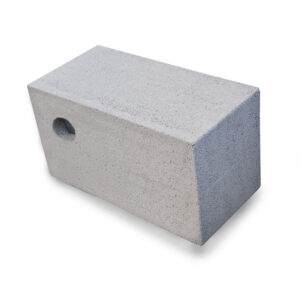
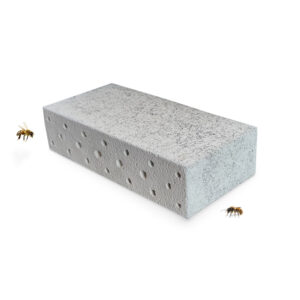
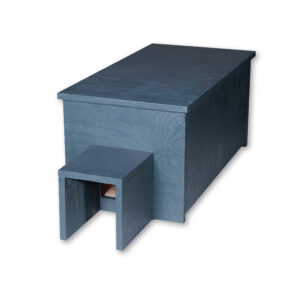
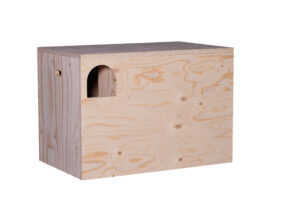
You can also integrate bat boxes or insect habitats, such as a bee hotel or a butterfly hibernation brick. The standard provision is a nest box for the great tit (Parus major), as this species is best suited to this installation height. Bats generally prefer roost features positioned higher on a building. However, it is equally possible to install nest boxes for larger bird species, such as the house sparrow (Passer domesticus) or the common starling (Sturnus vulgaris). These different provisions can also be mixed and matched throughout a development project to create a more diverse range of nesting opportunities.
Niels: “In principle, we can supply any configuration, provided it is based on the standard regulatory dimensions. We can create a double unit with two different orientations, or a row of connected units. The infiltration systems can also be linked together, making it easy to scale the solution to suit the requirements of a particular project.
What does the name “Novatura” actually stand for?
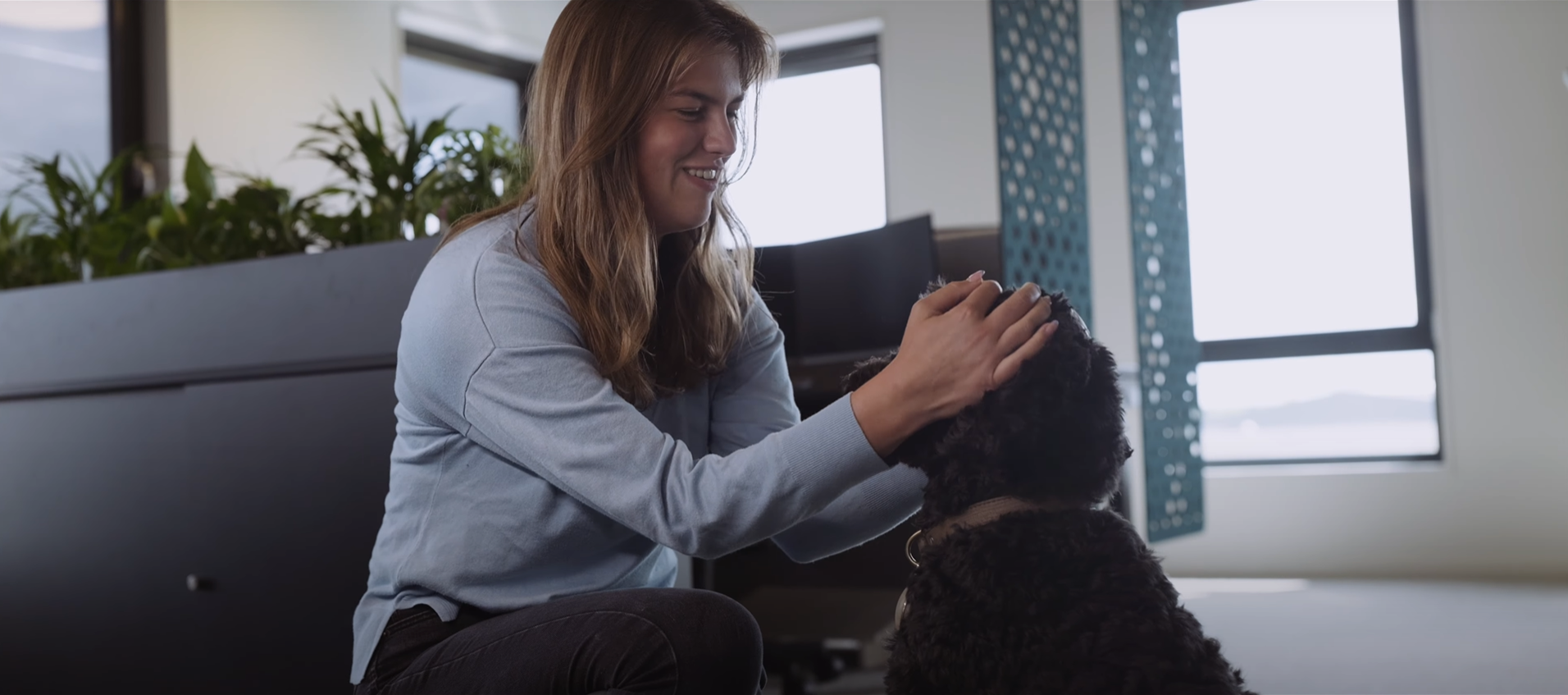
Sicco: “That was actually my brother Henk’s idea. He suggested a number of names, none of which made the final cut. But his dog is called Nova, and she is always wandering around the office. Nova also means ‘new’, so we thought that was quite fitting. We liked the idea of being able to say that the storage unit was named after our office dog. Nova is always around, she is everyone’s companion, she sits on our office chairs and happily runs through the office all day.”
What is the relationship between Unitura and Vogelbescherming Nederland?
Sicco: “We are a partner of the RSPB, particularly in relation to green facades and green roofs. Alongside nesting and roosting opportunities, the RSPB also focuses on the other key requirements for wildlife: food and safety. They were keen to develop those aspects further with us, as a partner they can work with closely and efficiently when new ideas arise, whether that involves testing concepts, exploring innovations or collaborating on a more strategic level.”
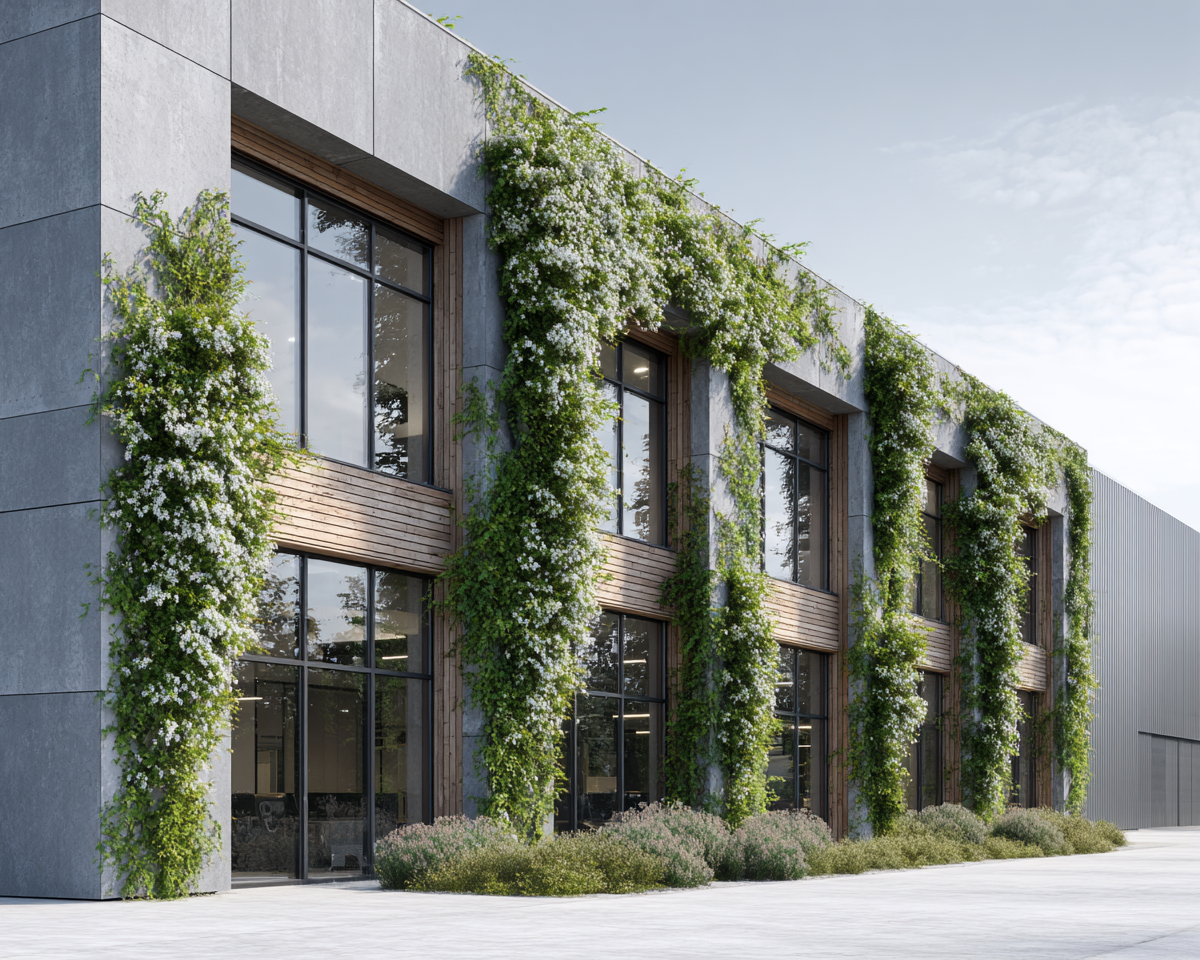
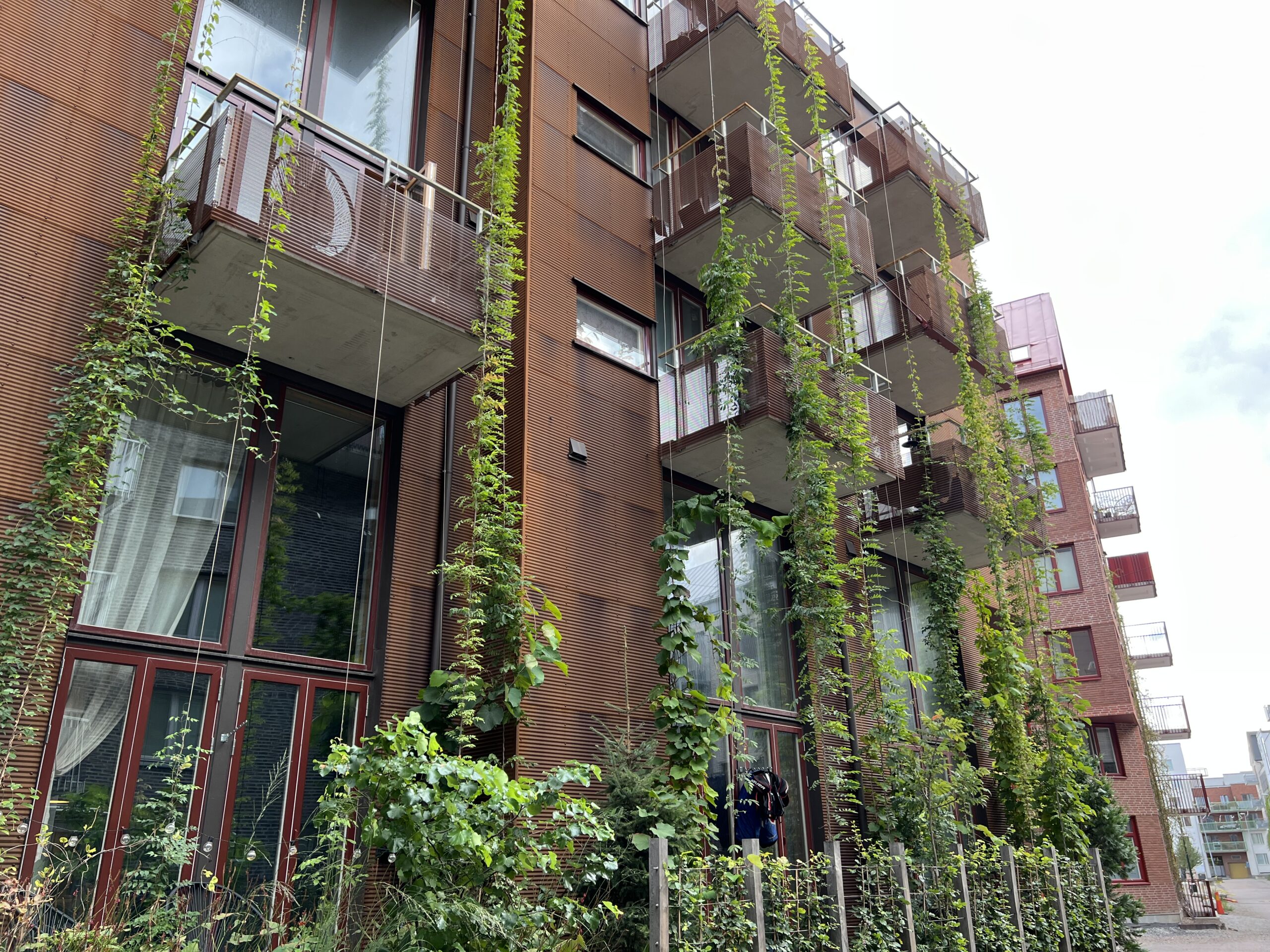
Sicco: “Our next step is to promote green facades in new-build developments together. The idea is already starting to gain traction among architects. I studied architecture myself, and a few years ago you would often see those evening renders with all the lights switched on inside the building. They created a sleek, futuristic look. Nowadays, in some renders, you almost have to search for the building amongst all the greenery.
The challenge, of course, is how to turn that vision into reality. You also see visualisations featuring trees that appear to be 40 years old, showing the end result rather than the reality of newly planted vegetation. But it is encouraging to see this growing focus on greener, more nature-inclusive design.” ”

 >
> >
> >
> >
> >
> >
> >
> >
> >
>