 EN
▾
EN
▾
EN
▾
EN
▾
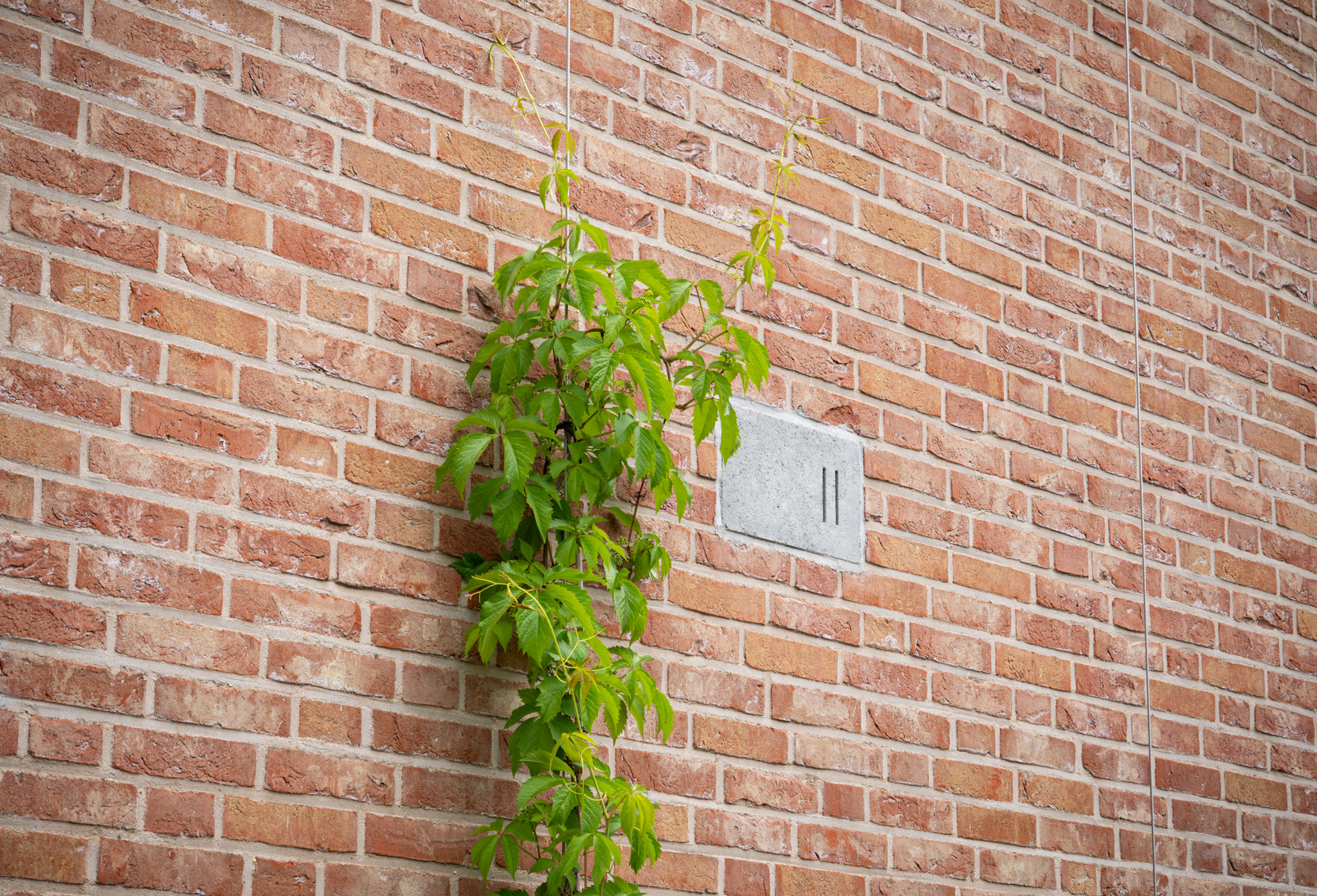
Green facades are far more than an aesthetic addition to the built environment. They help reduce urban heat stress, strengthen ecological connectivity and support biodiversity, even within only a few square metres of facade space. Recent ecological studies increasingly demonstrate how facade gardens and vegetated facades can function together as part of a wider climate-adaptive and biodiversity-friendly urban network.
In this blog, we explore recent ecological insights into green facades, the importance of native planting and the ecological role of climbing plants within urban environments. We also examine why proper climbing support systems, such as the stainless-steel Climbers climbing-wire systems from Unitura, are essential for creating durable, biodiversity-friendly facade greening solutions.
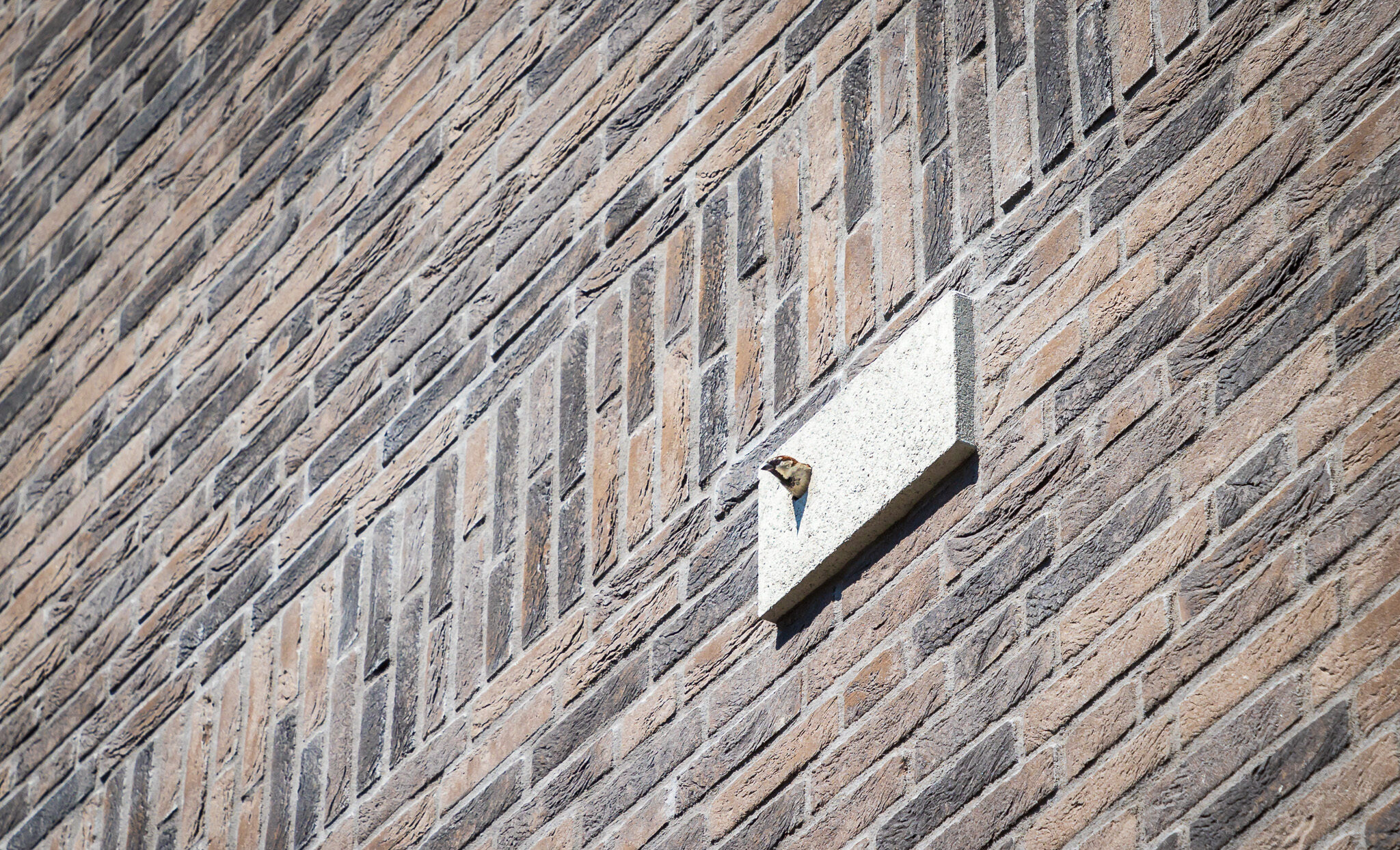
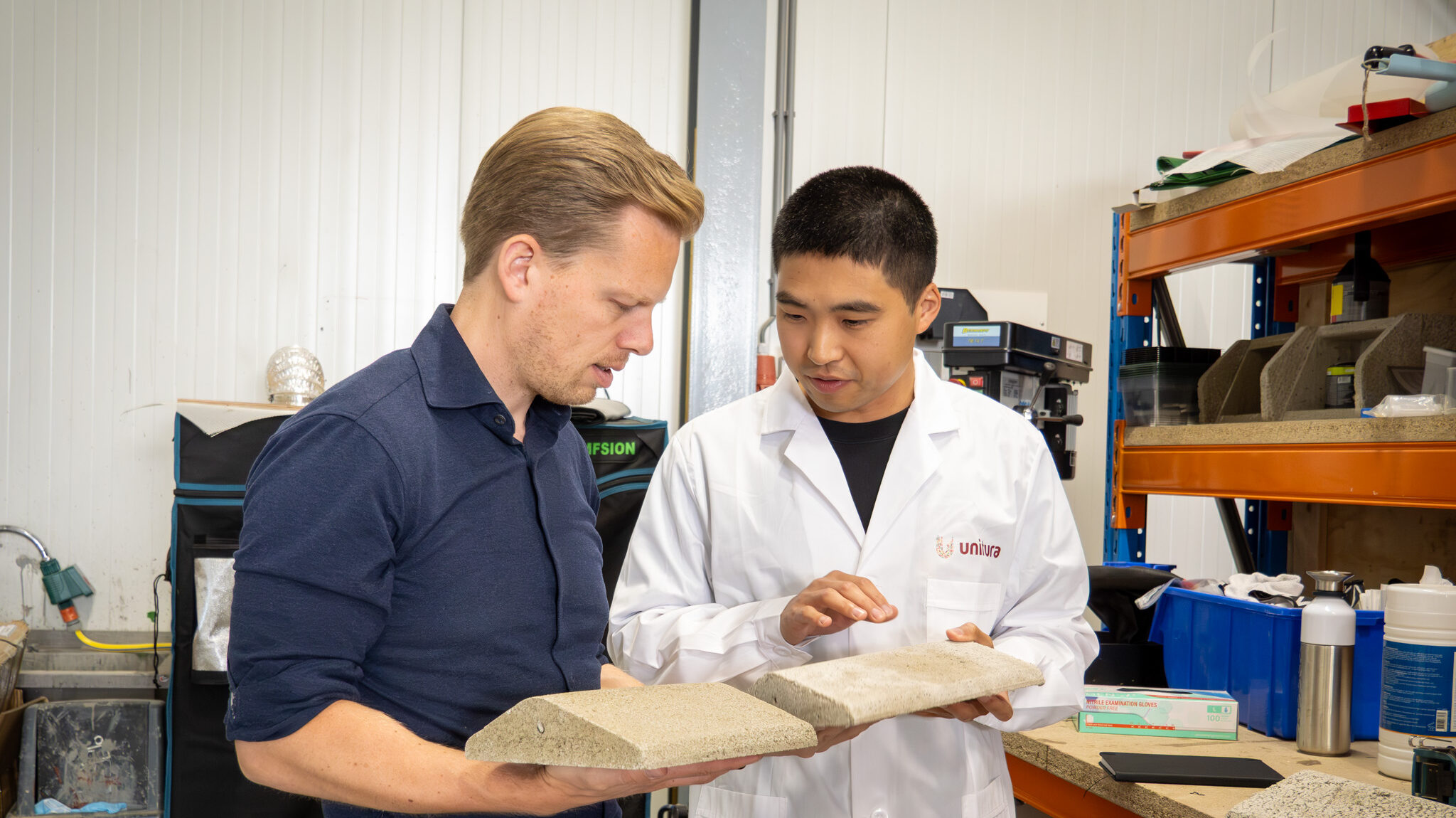
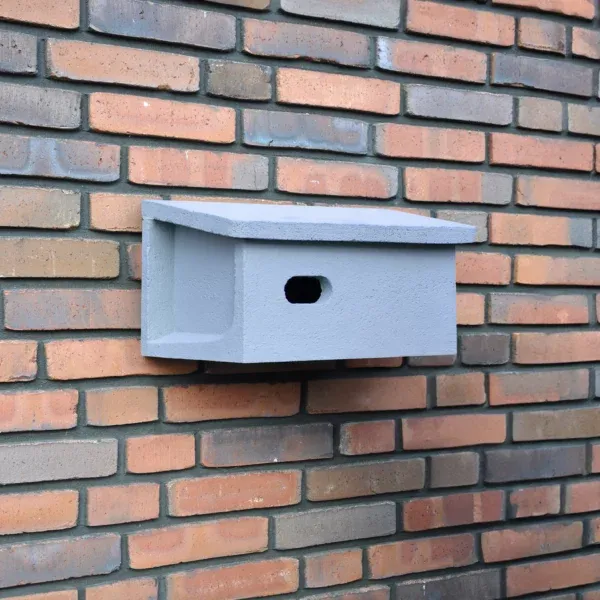
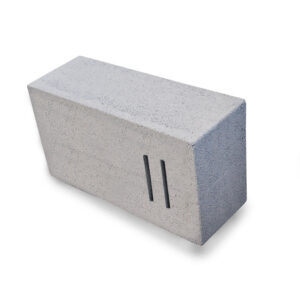
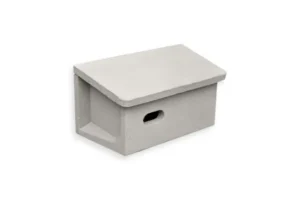
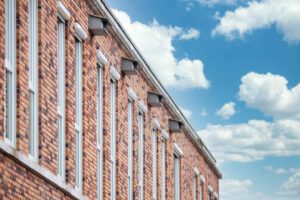
Partnership with Vogelbescherming
Since 2025, we have been partners with Vogelbescherming. Together we are committed to a nature-inclusive habitat, where birds and other animals are given more space in our built environment.

Dutch cities are becoming increasingly dominated by sealed surfaces and hard landscaping. Paved streets, dense development and limited urban greenery contribute to well-known challenges such as urban heat stress, surface water flooding and the loss of habitat for wildlife. In so-called urban canyons, narrow streets enclosed by tall buildings, the temperature difference between a vegetated facade and a bare wall can reach up to 0.7°C. This increase in temperature is not only uncomfortable for people, but can also have significant ecological consequences for urban biodiversity.
For many insect species, urban barriers such as asphalt and stone are effectively impassable. Without connected green infrastructure, they struggle to find food sources, shelter and suitable nesting habitat. In this context, facade gardens and vegetated facades become essential ecological stepping stones within the urban ecosystem.
Research has shown just how ecologically valuable even small facade gardens can be. Within only 100 m² of small urban gardens in Amsterdam and The Hague, researchers recorded as many as 154 insect species and 235 plant species, exceeding the biodiversity levels found in many nature reserves. The two most important factors influencing biodiversity were vegetation density and floral richness.
Native planting also remains ecologically essential within urban greening schemes. Many native plant species are closely aligned with the life cycles of local insects and function as important host plants within the urban food web. Examples include common honeysuckle (Lonicera periclymenum), harebell (Campanula rotundifolia) and old man’s beard (Clematis vitalba).
A well-designed facade garden with ground-cover planting provides food sources and shelter at ground level. When combined with climbing plants supported by an appropriate climbing support system, it creates a vertically layered habitat that extends from the soil surface to the upper canopy.
This layering provides:
Many specialist insect species depend on specific host plants for survival. Native plant species also tend to flower at the right time of year, closely matching the activity periods of local bees, butterflies and other pollinators. Common honeysuckle (Lonicera periclymenum), for example, attracts moths during the evening through its strong scent, while old man’s beard (Clematis vitalba) provides an important nectar source for a wide range of insect species.
In addition, native planting integrates naturally into existing urban food webs and helps strengthen the ecological stability of the wider ecosystem. When combined with other forms of urban greening, facade gardens planted with native species can function as important ecological stepping stones within the urban environment.
Climbing plants are not only visually valuable within the urban environment, but also contribute directly to climate resilience and urban biodiversity. Through evapotranspiration, their foliage actively cools surrounding surfaces and helps reduce urban heat stress. They also provide natural shading, improve facade insulation and capture airborne particulate matter. In addition, climbing vegetation creates habitat opportunities for insects, birds and small mammals within otherwise heavily sealed urban areas.
Ecologically valuable species include old man’s beard (Clematis vitalba) and common honeysuckle (Lonicera periclymenum), as well as hop (Humulus lupulus), a fast-growing species that provides dense seasonal cover and valuable habitat structure. With a suitable climbing support system, these species can be guided effectively across facades without causing damage to the building envelope.
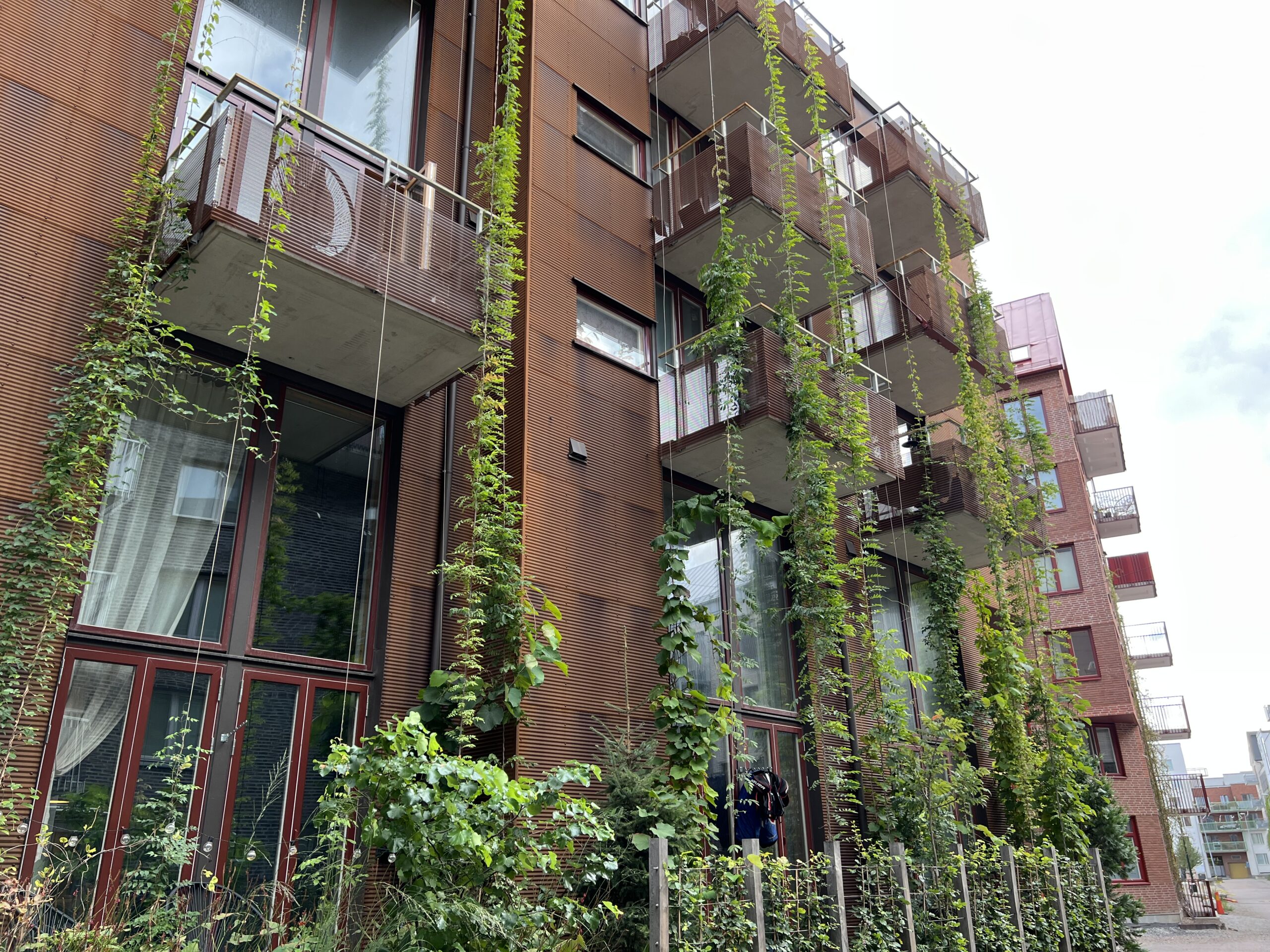
Many climbing plants require a climbing support system to successfully green a facade. The Climbers system consists of a modular network of stainless-steel climbing wires, brackets and wall fixings. This allows climbing plants to be guided safely and in a controlled manner across the facade, without causing damage to the building envelope.
The system is suitable for both lightweight climbing species and more vigorous growers. Thanks to its clean architectural appearance and durable material selection, the Climbers system is highly suitable for both refurbishment and new-build projects. For municipalities, it offers a scalable solution for implementing facade greening within the urban streetscape without compromising on aesthetics, durability or long-term performance.


 >
> >
> >
> >
> >
> >
> >
> >
> >
>