 EN
▾
EN
▾
EN
▾
EN
▾
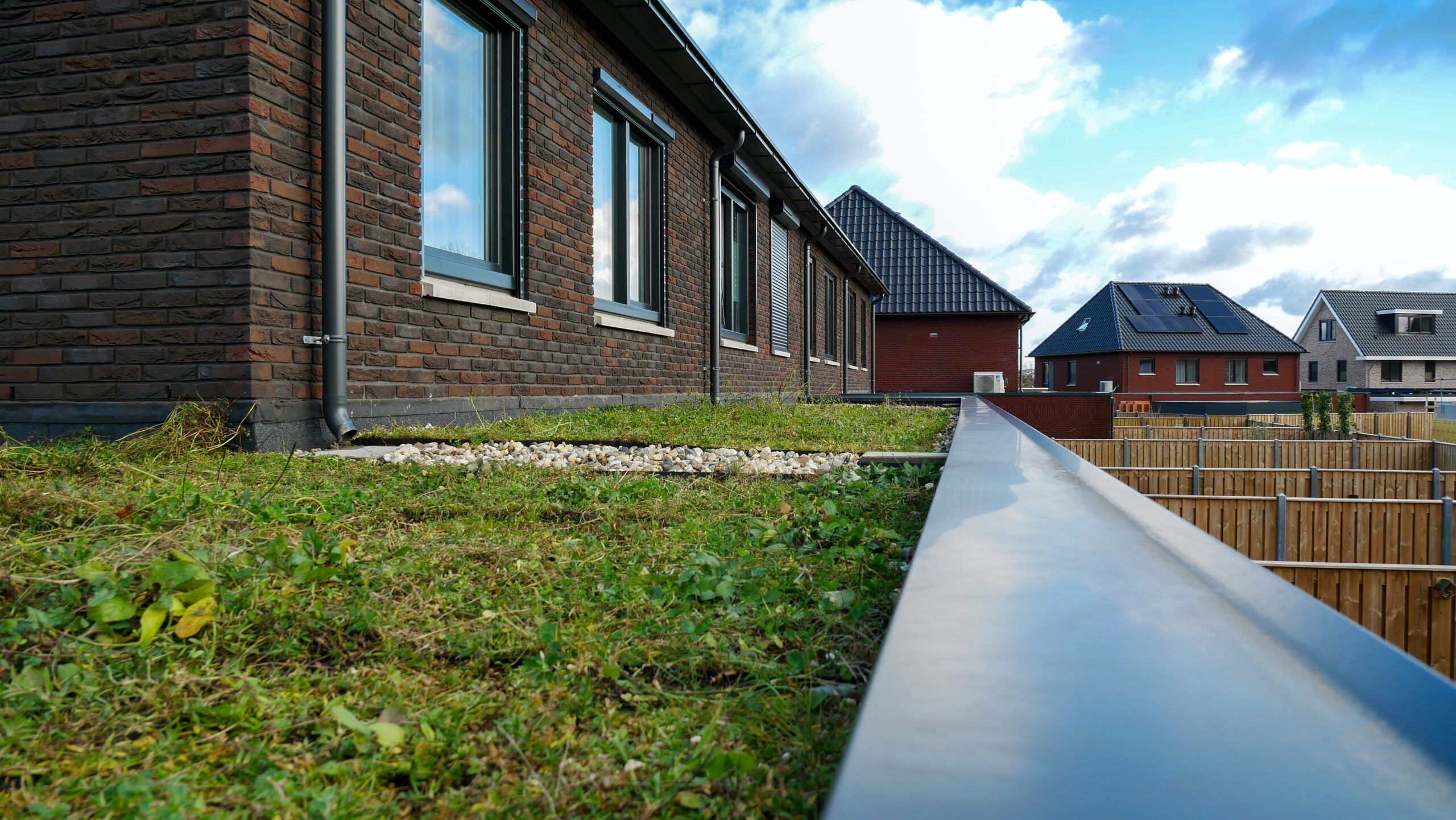
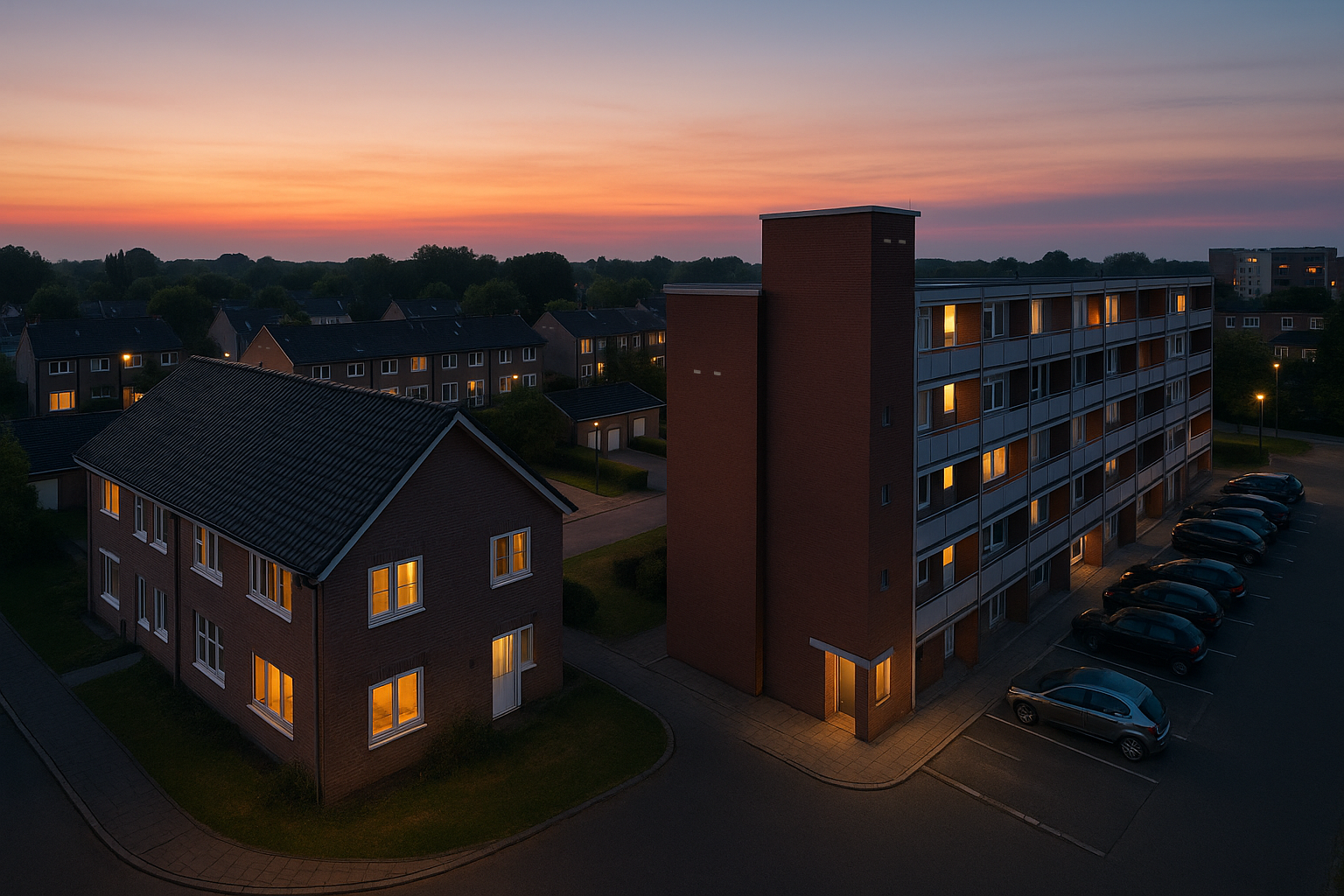
The most recent National Environmental Vision 2024 Monitor by the Netherlands Environmental Assessment Agency shows that the amount of green space per capita has declined in many urban areas. Pressure on available space is great, and with the ongoing housing challenge, the proportion of public green space seems to be coming under further pressure. But this development has consequences, and not only for plants and animals.
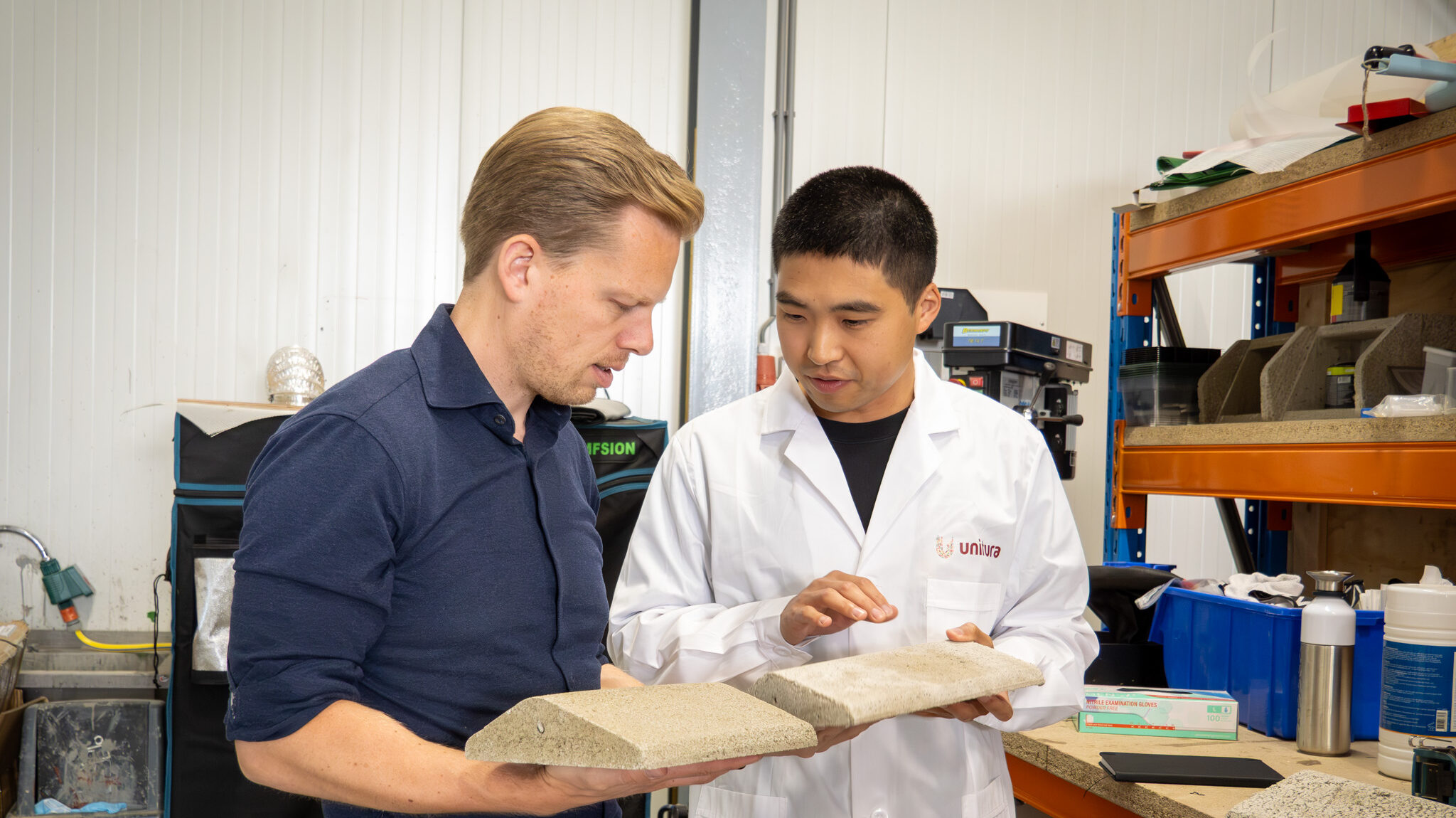
At Unitura, we have been following this trend with growing concern for many years. The further urban environments lose green space, the greater the impact on liveability, climate resilience and public health. At the same time, we strongly believe that cities can evolve differently: not through large-scale interventions or major spatial compromises, but through smart, nature-inclusive solutions that fit the realities of today’s urban environment.
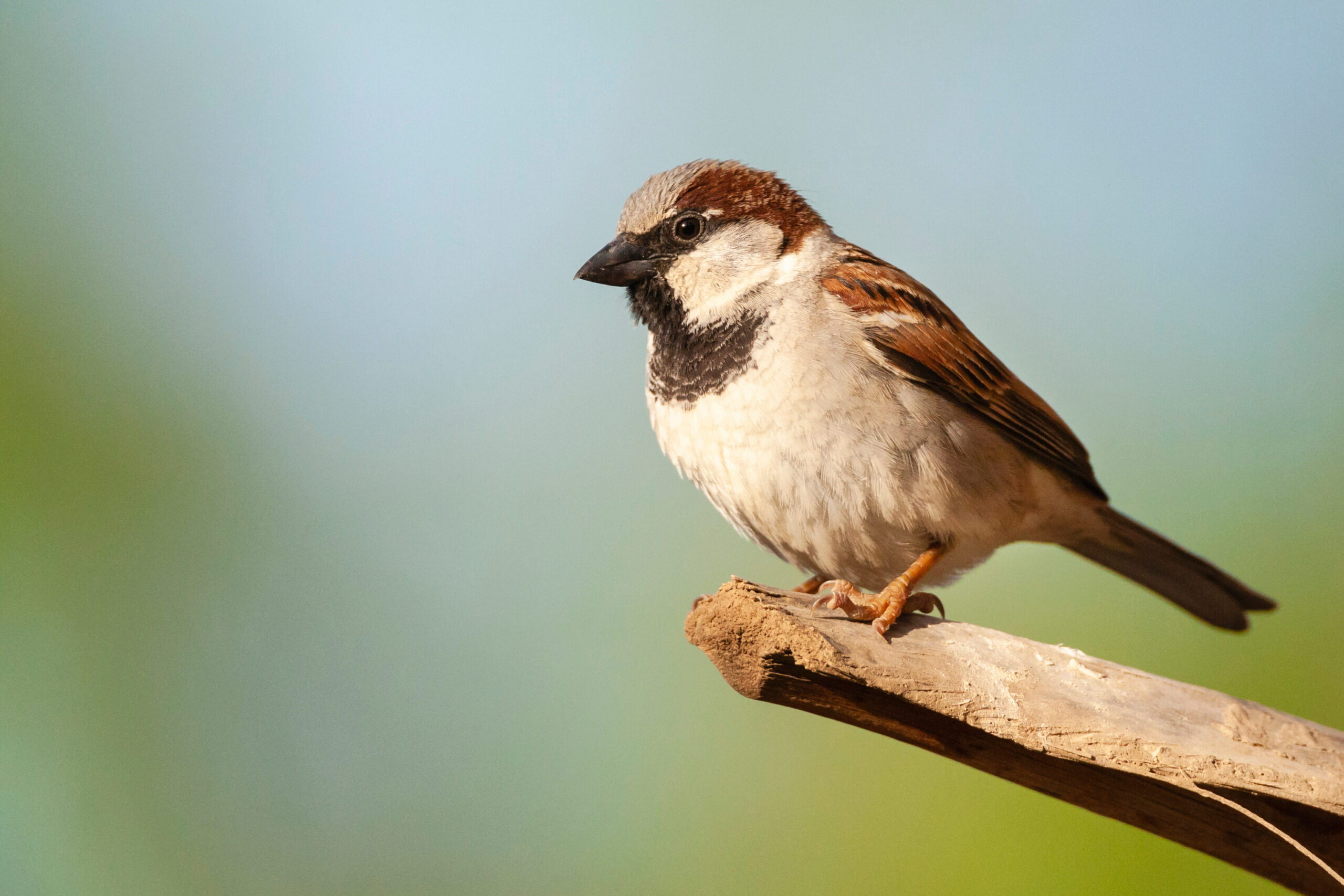
That greenery is disappearing is not an isolated fact; it is a development that directly affects how a city functions. Research by Wageningen University & Research shows that paving in urban areas leads to a marked increase in heat stress. In neighborhoods where little vegetation is present, temperatures on hot days rise well above average, especially in areas with dark roofs and little shade. These so-called “heat islands” cause discomfort, but also pose a real health risk to the elderly and vulnerable residents.
There is also the growing risk of flooding. In petrified areas, rainwater cannot drain as well, resulting in overloaded sewers, flooded streets and damage to infrastructure. The National Institute for Public Health and the Environment (RIVM) stresses that greening is essential to make cities resilient to extreme precipitation, drought and temperature rises. Not to mention biodiversity: every square meter of lost green space also means loss of habitat for birds, insects and other species that depend on urban ecosystems.
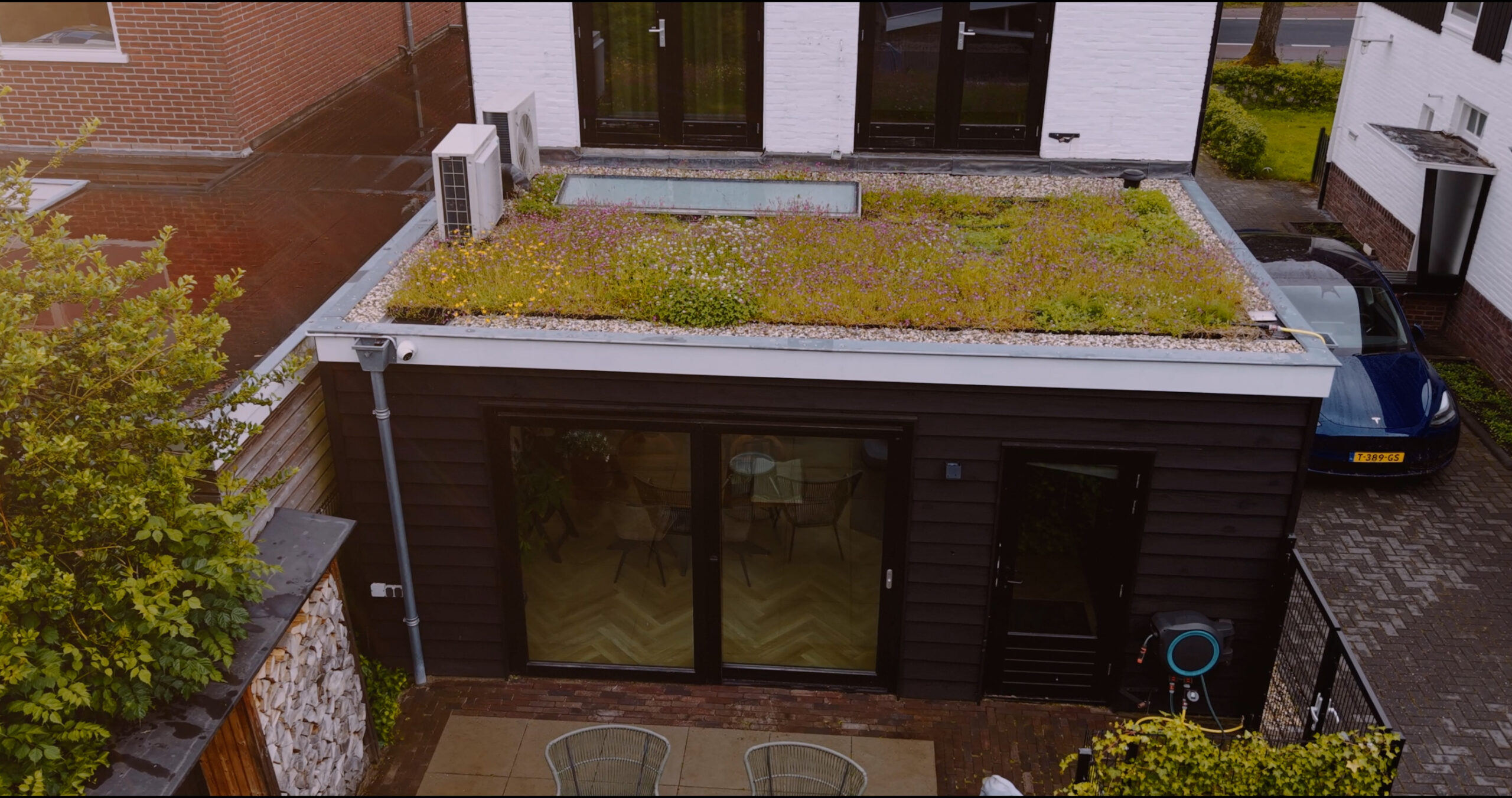
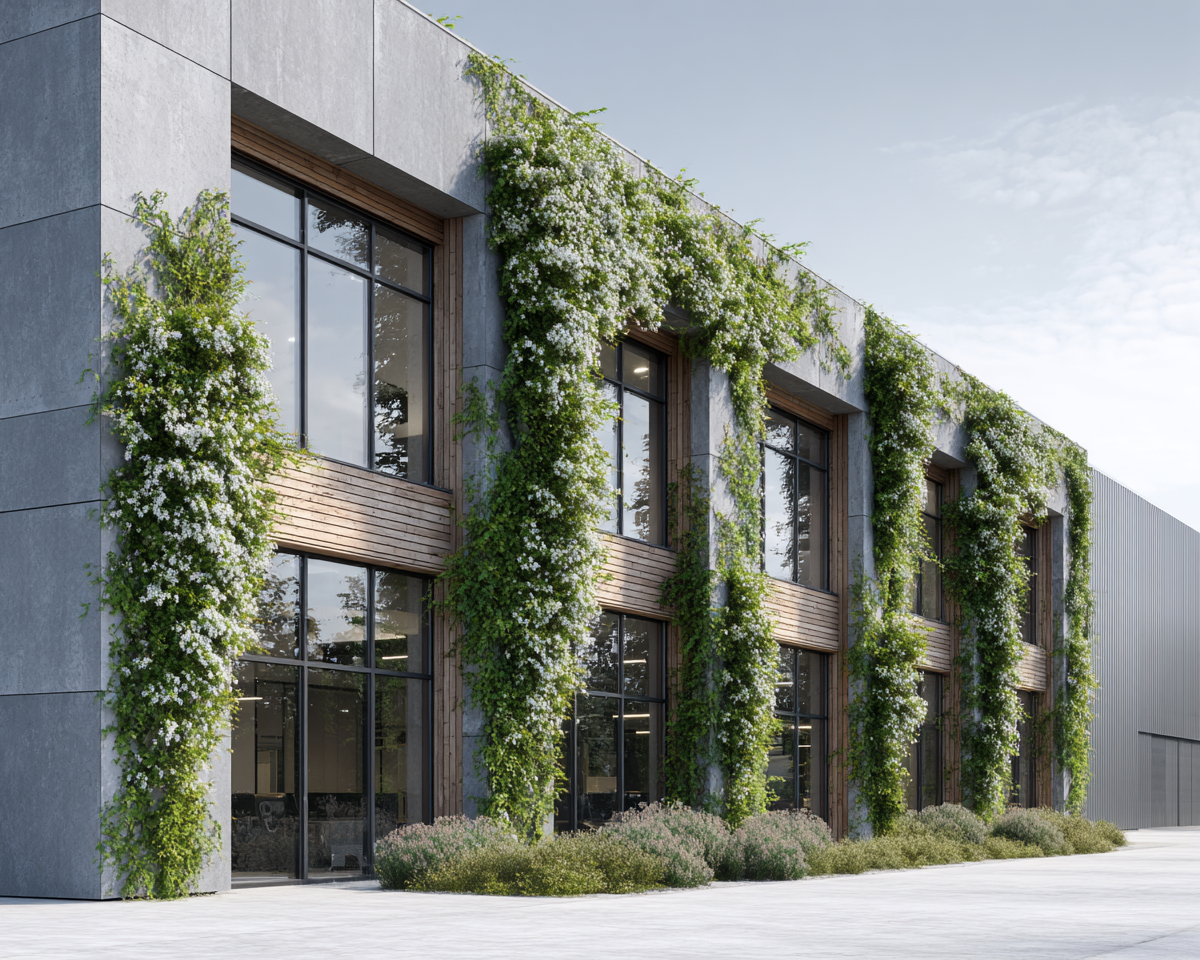
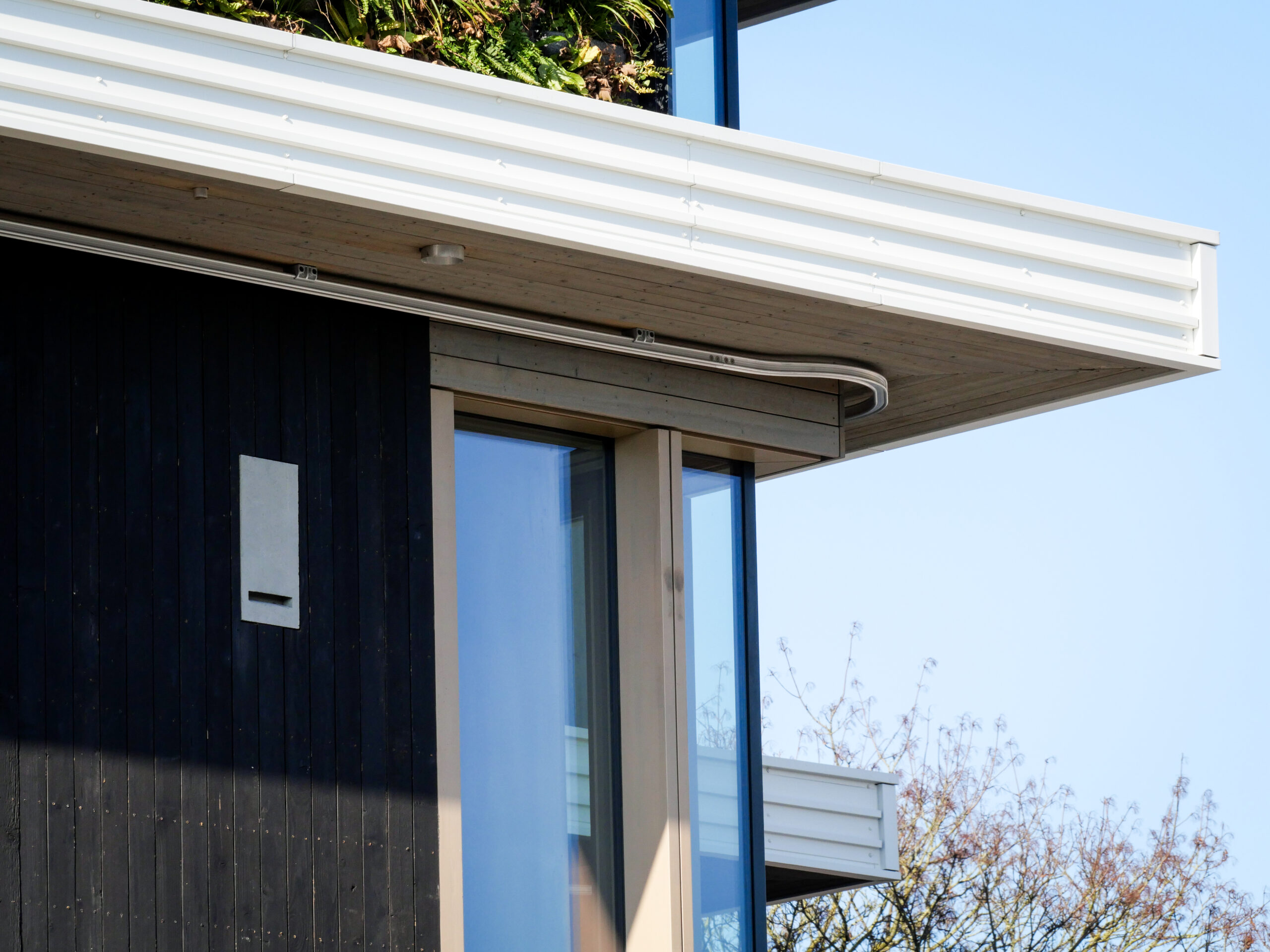
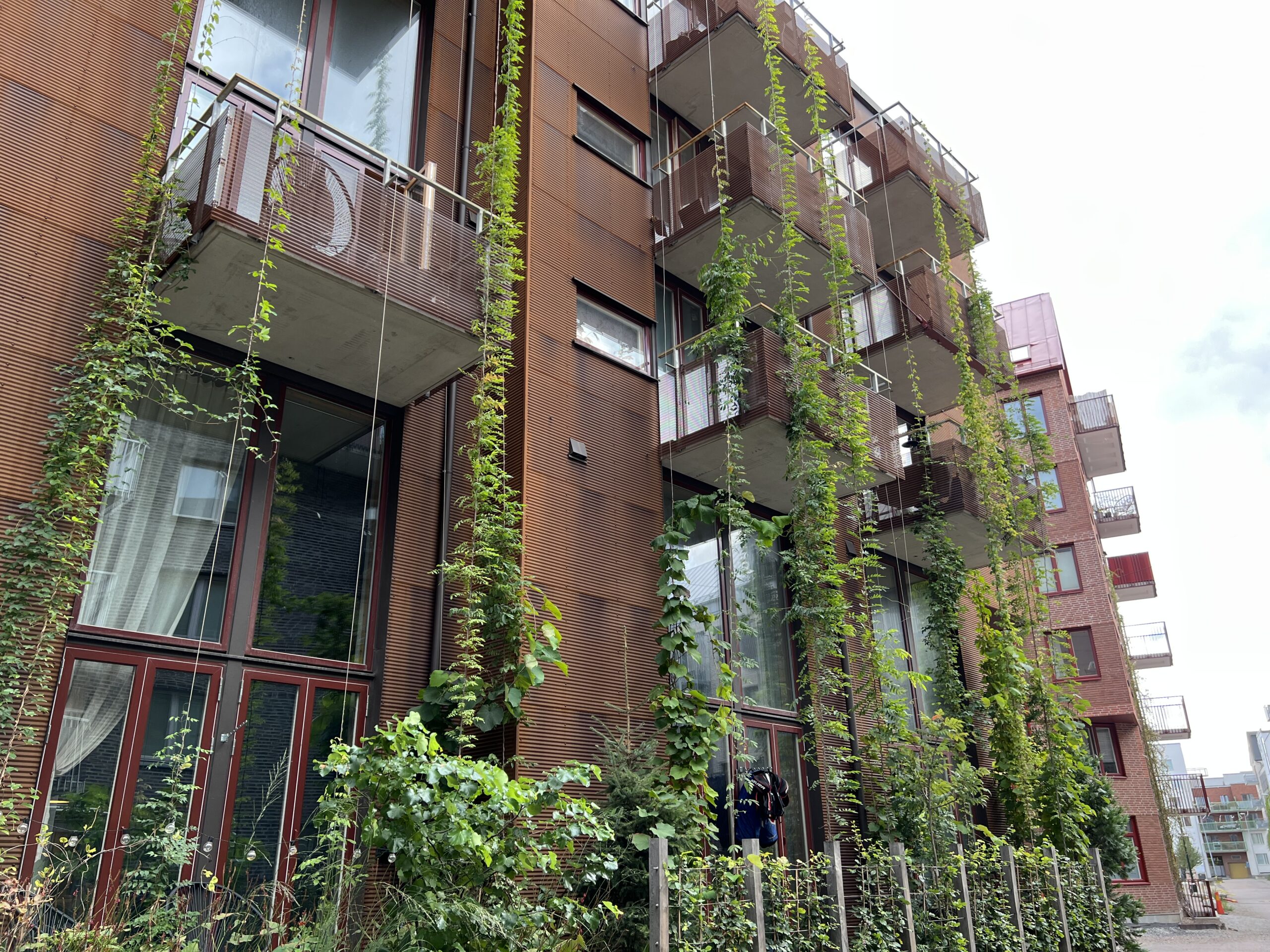
There is good news, however. Creating greener cities does not always require additional space, existing urban space can also be used more intelligently. Green facades and green roofs are a strong example of this approach. They make use of vertical and elevated surfaces that often remain unused within the urban environment, such as bare apartment facades, blind walls on parking structures and the flat roofs of shops, offices and commercial buildings.
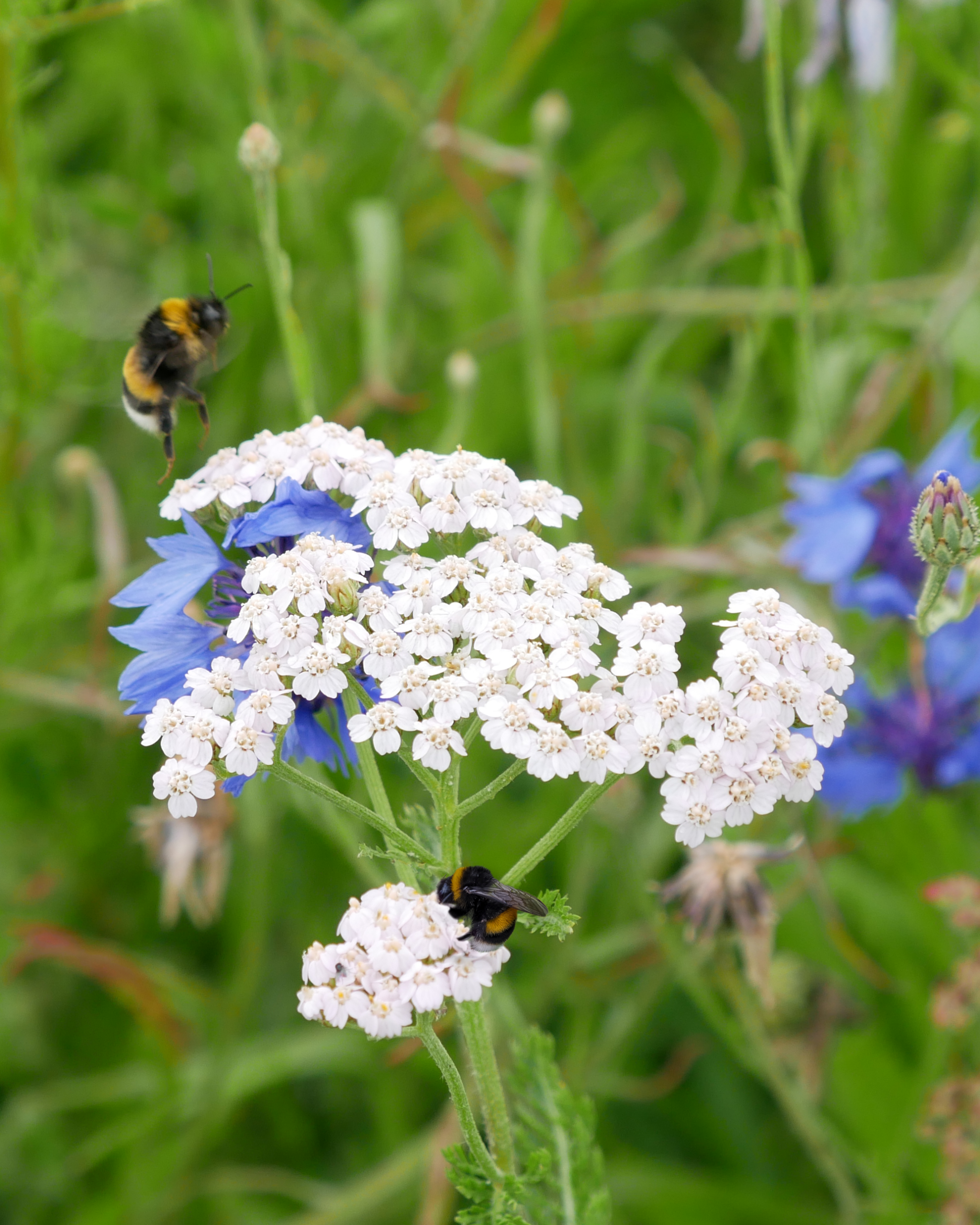
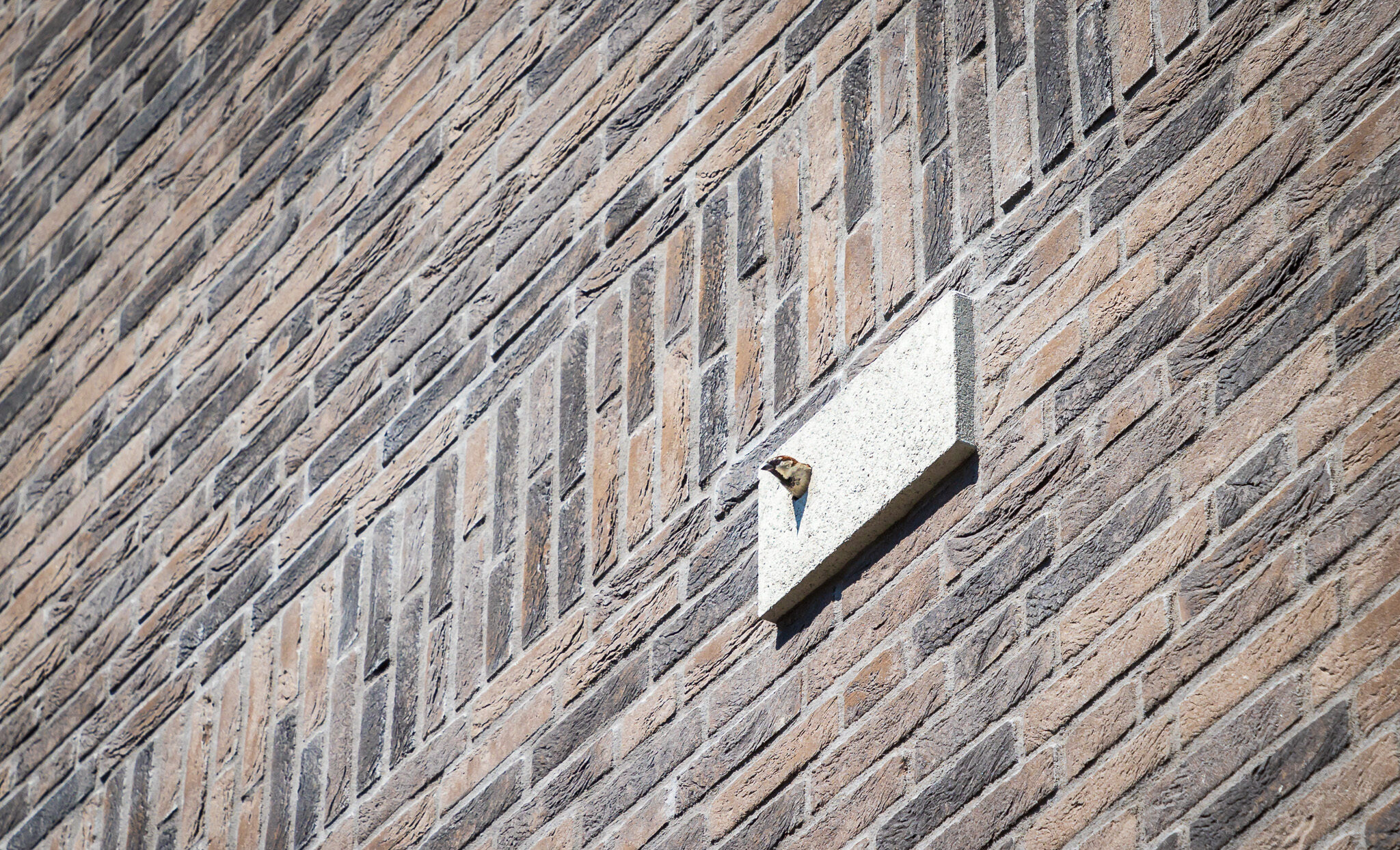
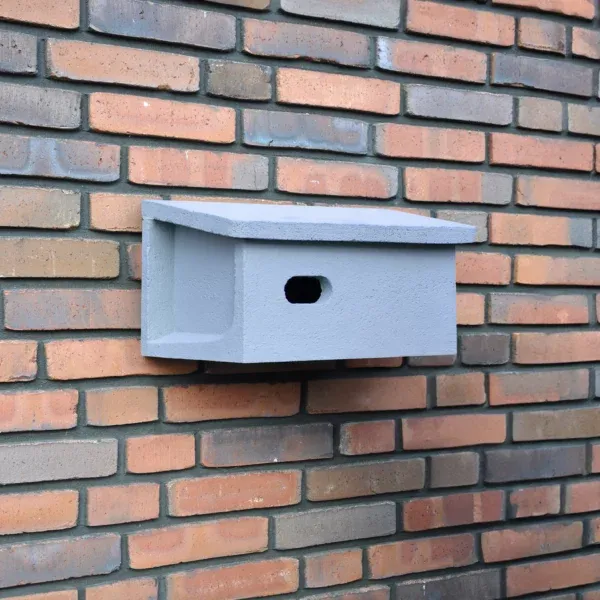
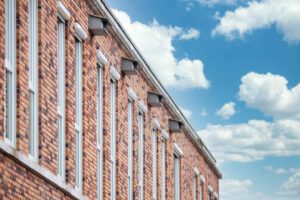
What makes these solutions particularly powerful is their multifunctional character. A green facade not only improves the visual quality of the streetscape, but also actively contributes to cooling both buildings and the surrounding urban environment. Vegetation evaporates water, captures airborne particulate matter and provides shelter and nesting opportunities for insects and birds.
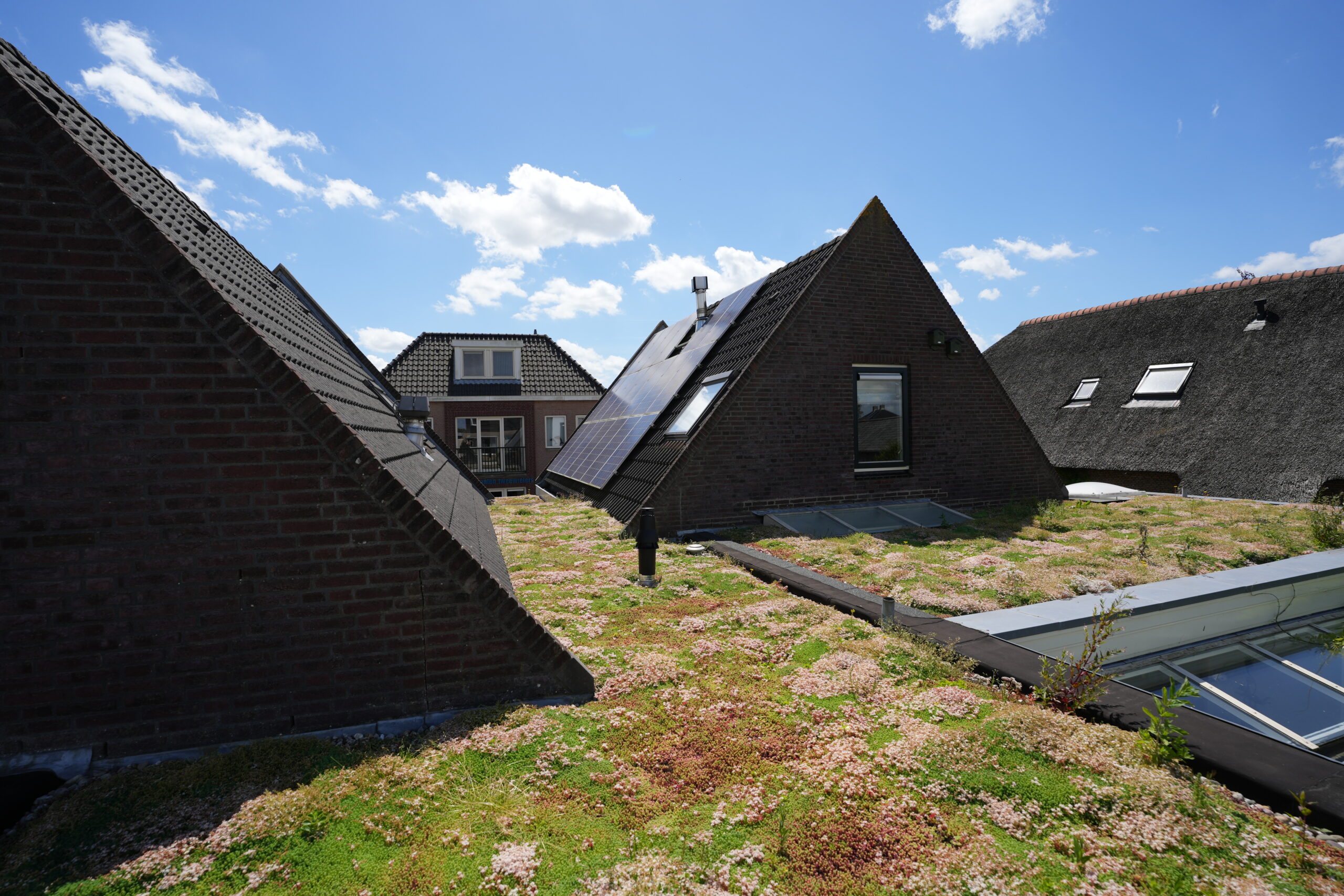
Green roofs function as natural buffers within the urban landscape. They absorb rainwater, slow down surface water runoff and improve the thermal performance of buildings. At the same time, they strengthen urban biodiversity by creating valuable habitat for plants, insects and building-dwelling species.

 >
> >
> >
> >
> >
> >
> >
> >
> >
>