 EN
▾
EN
▾
EN
▾
EN
▾
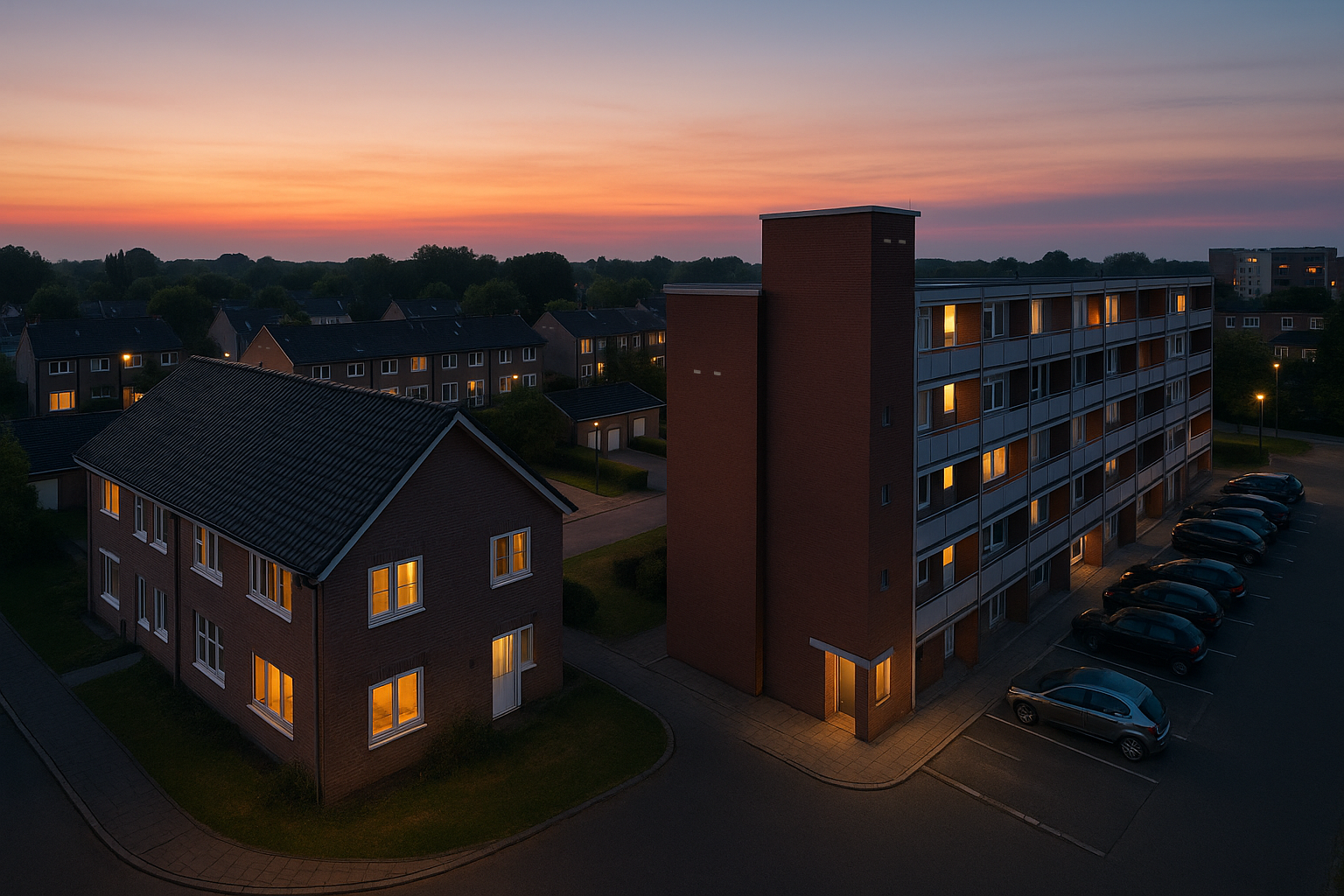
They nest beneath roof tiles, disappear into cavities behind façade cladding and navigate the urban night sky in search of flying insects. Urban bird species such as house sparrows, swifts, starlings and black redstarts have become highly dependent on the microhabitats created by buildings and urban green structures. For many of these species, cities now function as essential breeding and foraging habitat.
Yet populations have been declining across large parts of Europe for decades. In the Netherlands, for example, house sparrow populations have decreased by more than 50% since the 1980s. The causes are closely linked to changes in the urban environment: large-scale insulation and renovation works remove nesting cavities, increasingly sealed architecture limits access to roosting and breeding spaces, and the decline of insect-rich green areas reduces food availability during the breeding season. Habitat fragmentation, artificial lighting and intensified urban management further reduce the ecological quality of urban areas for these species.
As a result, many once-common urban birds are becoming increasingly vulnerable within the modern built environment.
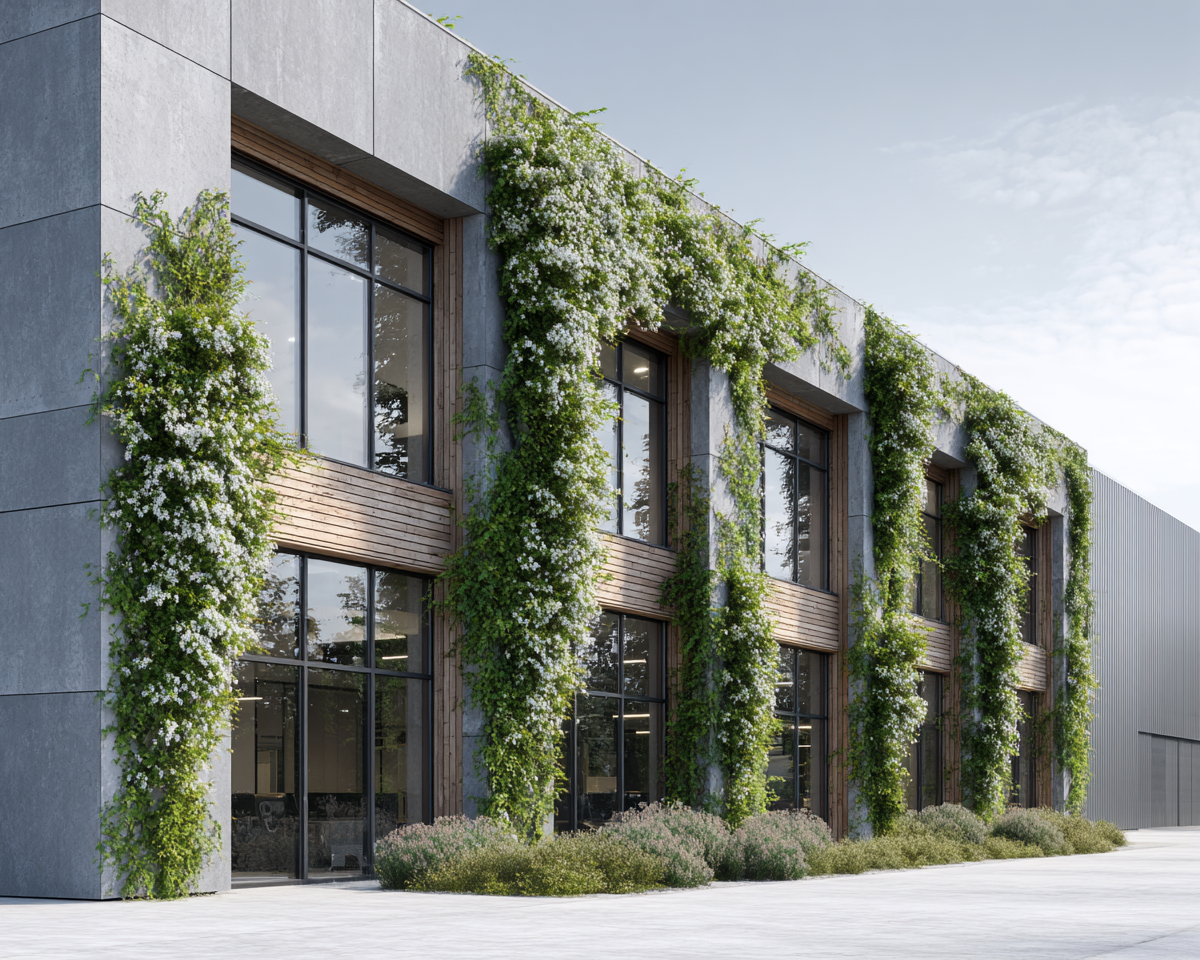
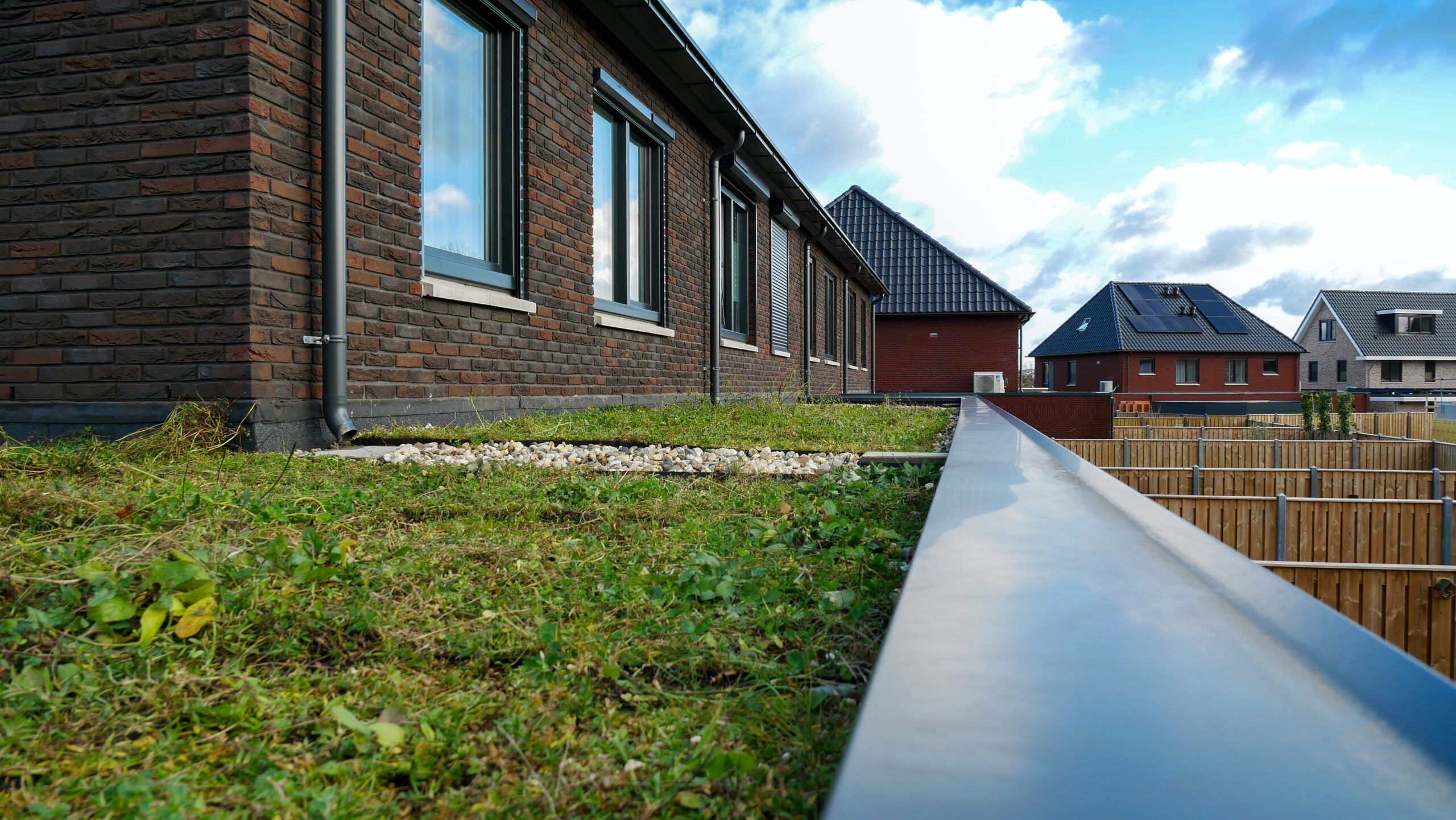
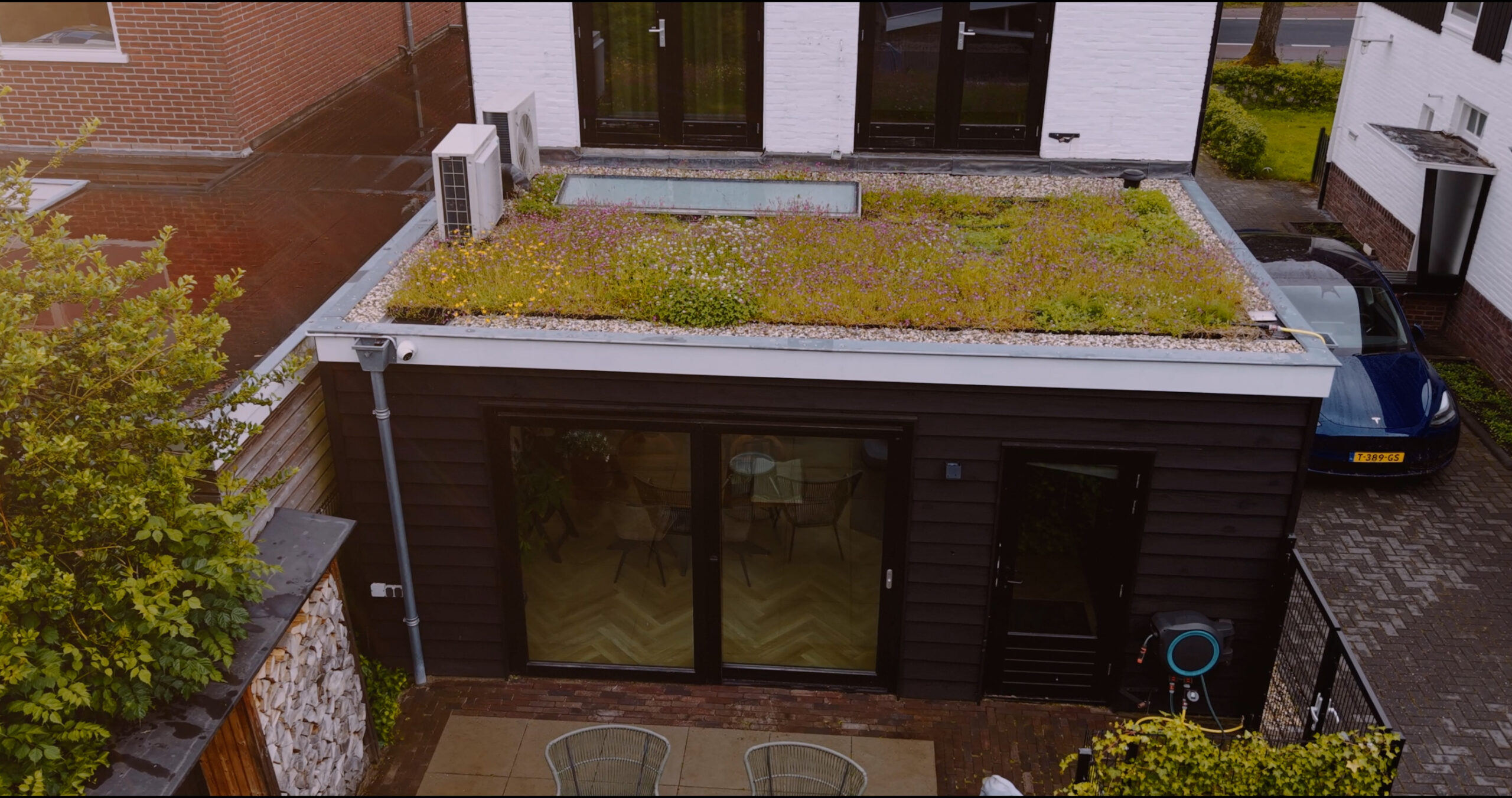
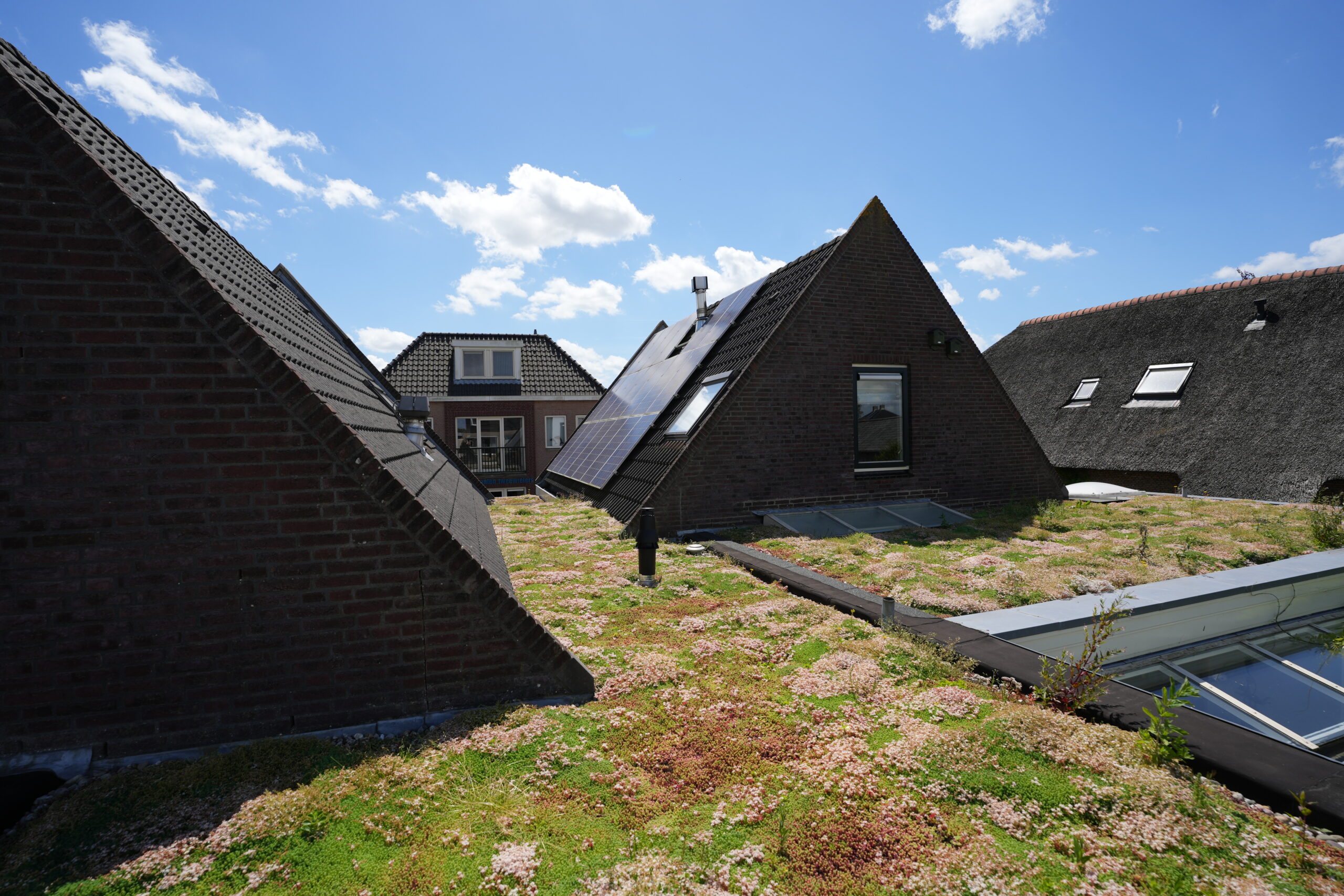
There is hope, however, and it is increasingly being found on our rooftops. Green roofs for urban birds are proving to be far more than climate-adaptive solutions alone; they can also serve as valuable foraging habitats. When designed with native wildflowers and structurally diverse vegetation, green roofs attract insects and help support the breeding success of building-dwelling bird species.
Birds that nest in buildings, such as house sparrows and swifts, rely heavily on the immediate urban environment for food. During the breeding season, parent birds may return to the nest dozens of times each day to feed their young. These foraging flights are often limited to a radius of only a few hundred metres. When sufficient food sources are lacking within that range, breeding success can decline dramatically.
For house sparrows, this means access to sufficient seeds and insects. Swifts depend entirely on flying insects for survival. Starlings and black redstarts forage for beetles, caterpillars, spiders and larvae on rooftops, within façade vegetation and among urban planting. The fewer insects available, the less food there is for breeding birds. And without adequate food sources, successful fledging rates decline rapidly.
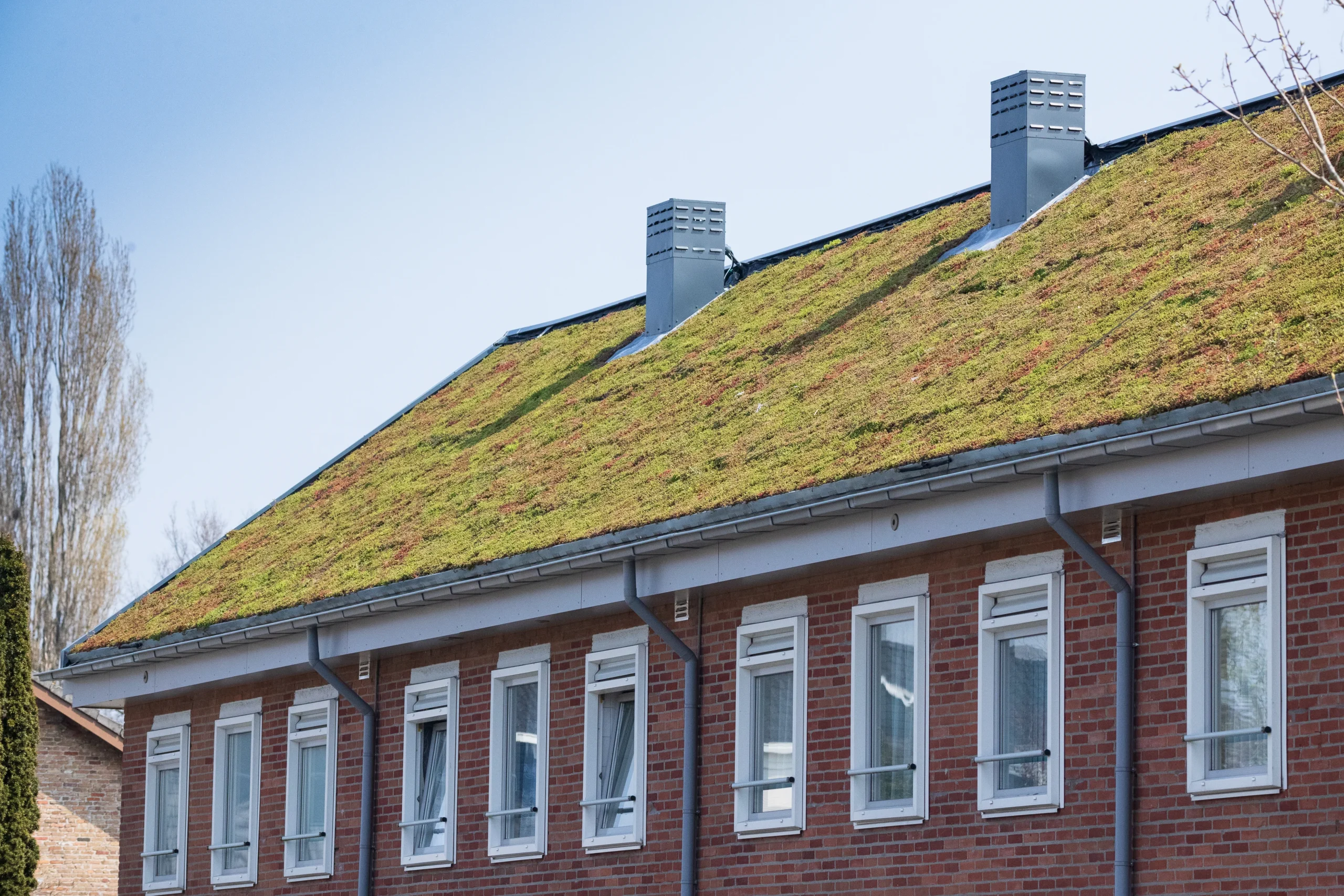
Traditional sedum roofs offer limited ecological value in this respect. While sedum vegetation is low-maintenance, it generally produces relatively few flowers and supports lower insect diversity and abundance. As a result, the demand for more biodiverse green roofs has grown significantly in recent years, with increasing emphasis on native plant species, greater structural diversity and herb-rich vegetation that can better support urban wildlife.
The classic sedum roof offers little help in this regard. Sedum is low maintenance, but poor in flowers and therefore poor in insects. In recent years, therefore, the call has grown louder to make green roofs more biodiverse, with more herbs, more height variation and more native species.
Native plant species attract insects that are adapted to the local ecosystem and food web. This is important because many urban bird species depend on specific invertebrates that they have evolutionarily adapted to forage on. A landscape dominated by exotic ornamental planting may produce flowers, yet still provide limited ecological value as a food source for chicks.
Flowering native herbs such as field scabious, wild marjoram and field sage are valuable nectar and host plants in the Netherlands. They support a broad range of insects, from wild bees to moth larvae, and strengthen the wider urban food web. As a result, they form an essential ecological resource for building-dwelling bird species that depend on abundant insect populations during the breeding season.
Multiple studies have shown that biodiverse green roofs can positively influence both insect abundance and urban bird populations. Species-rich wildflower vegetation supports greater invertebrate diversity than traditional sedum roofs, increasing food availability for building-dwelling bird species such as house sparrows, swifts and starlings. In highly urbanised environments, biodiverse green roofs can therefore function as valuable foraging habitat and contribute to wider urban ecological connectivity.
Eva Drukker (WUR, 2021)
In her 2021 master’s research at Wageningen University & Research, Eva Drukker studied 21 green roofs across Dutch cities. Birds were observed on every roof, with an average of 3 to 6 species recorded per location. Notably, house sparrows, black redstarts and starlings mainly foraged on roofs with species rich herb vegetation, rather than on bare sedum roofs. Her conclusion was clear: structural diversity and flowering vegetation make a significant difference for urban wildlife.
NIOO-KNAW Green Roof 2.0 (Wageningen)
Since 2020, the ecological research institute has managed an experimental green roof featuring a range of vegetation zones. The study recorded a clear increase in bees, beetles and butterflies within the species rich areas. House sparrows and starlings were also regularly observed foraging on the roof, particularly in the rougher and flowering sections of the vegetation.
RESILIO project (Amsterdam, 2021-2023)
As part of the RESILIO programme, thousands of square metres of blue green roofs have been installed across urban areas. Monitoring projects on the more biodiverse roofs recorded remarkably high levels of bird activity, including house sparrows, starlings and even swifts foraging low above the rooftops. These observations indicate the presence of a functional and reliable insect food source above the roof surface.
Citizen Science (Bird Protection/Butterfly Foundation)
Since 2017, reporting campaigns and monitoring projects have collected observations of birds using green roofs. The results show that species such as house sparrows, white wagtails, starlings, great tits and blackcaps are regularly found on species rich roofs. The overall trend is clear: the more flowering and biodiverse the roof, the greater the level of bird activity.
A roof that is attractive to birds requires smart ecological choices. Based on studies, we can formulate the following design features:
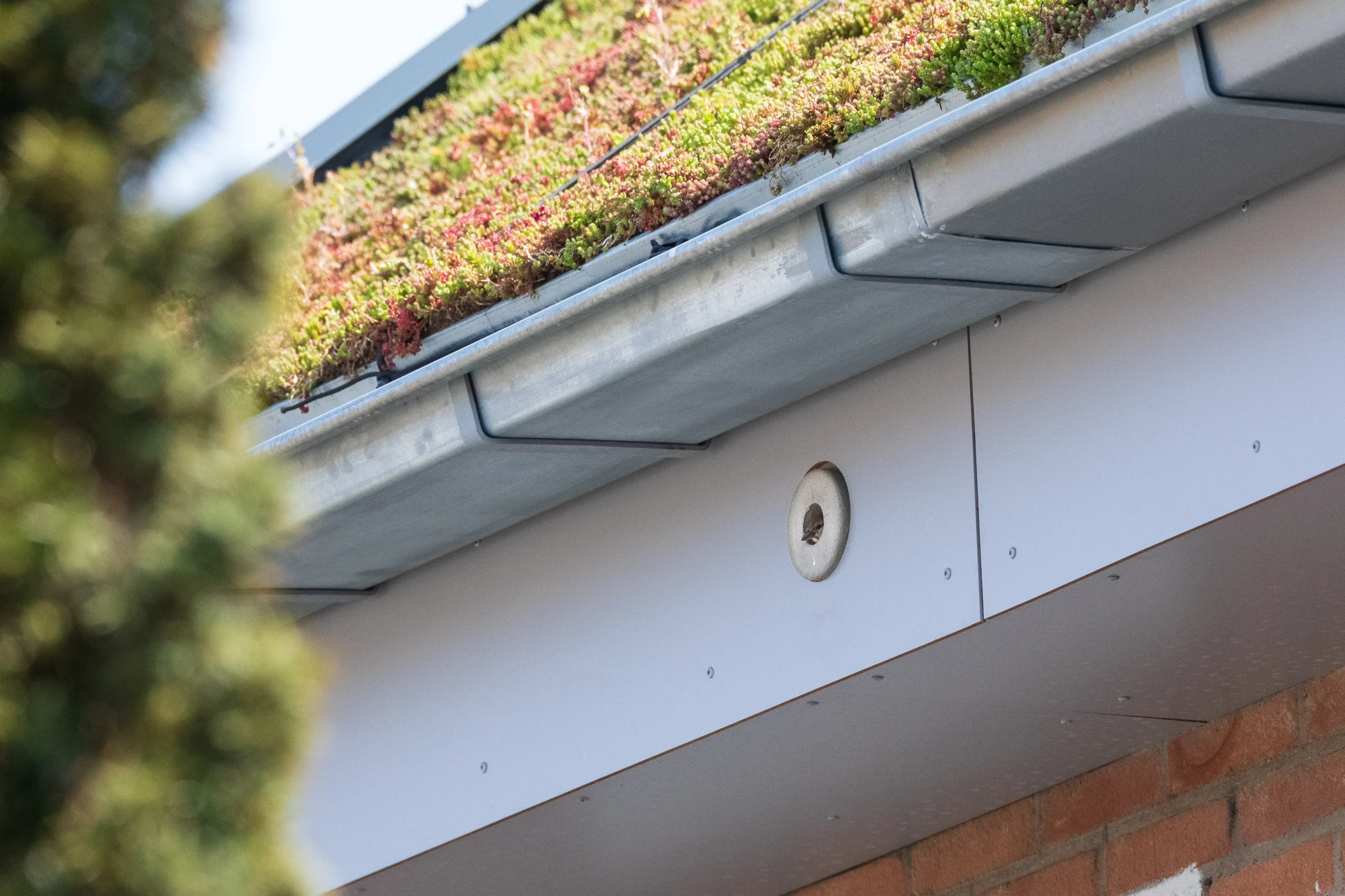
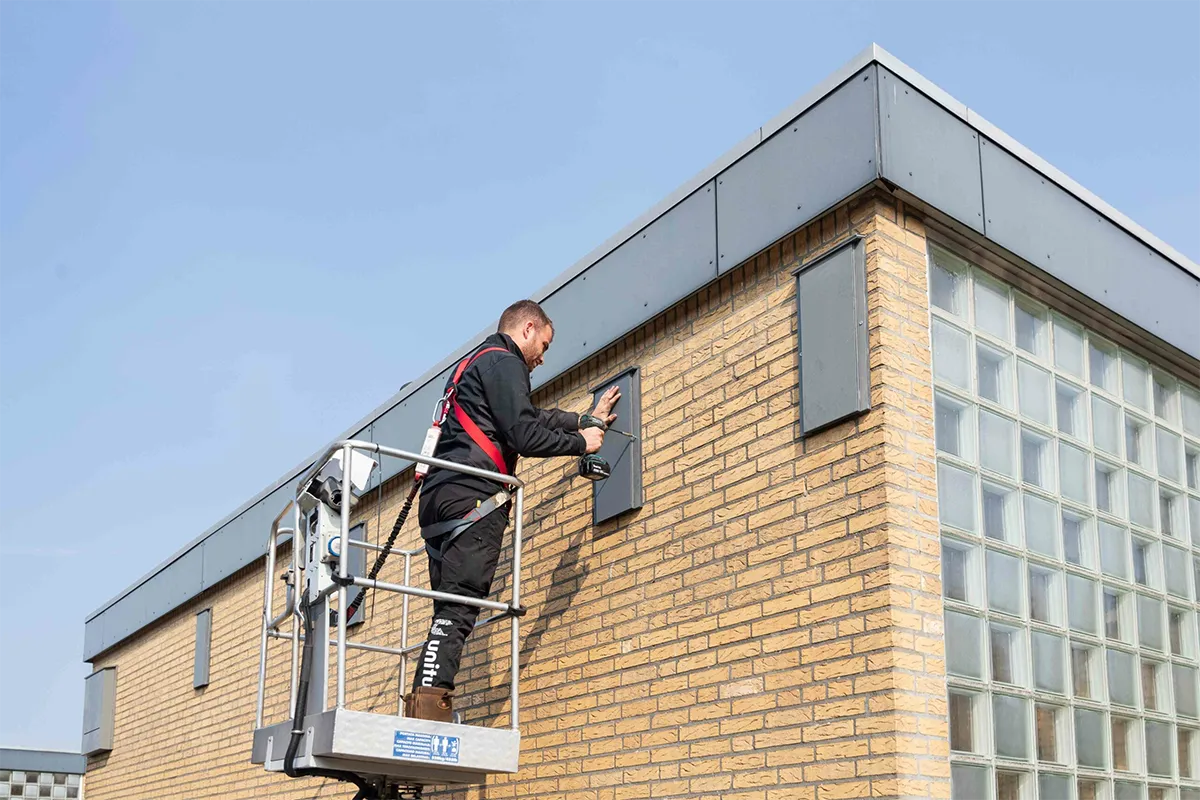
The greatest ecological opportunities arise when food-rich green roofs are combined with integrated nesting features within the facade. Many building-dwelling bird species nest within the building itself, yet depend on suitable foraging habitat in the immediate surroundings. When sufficient food sources are lacking nearby, breeding success declines and birds may ultimately abandon the nesting site altogether.
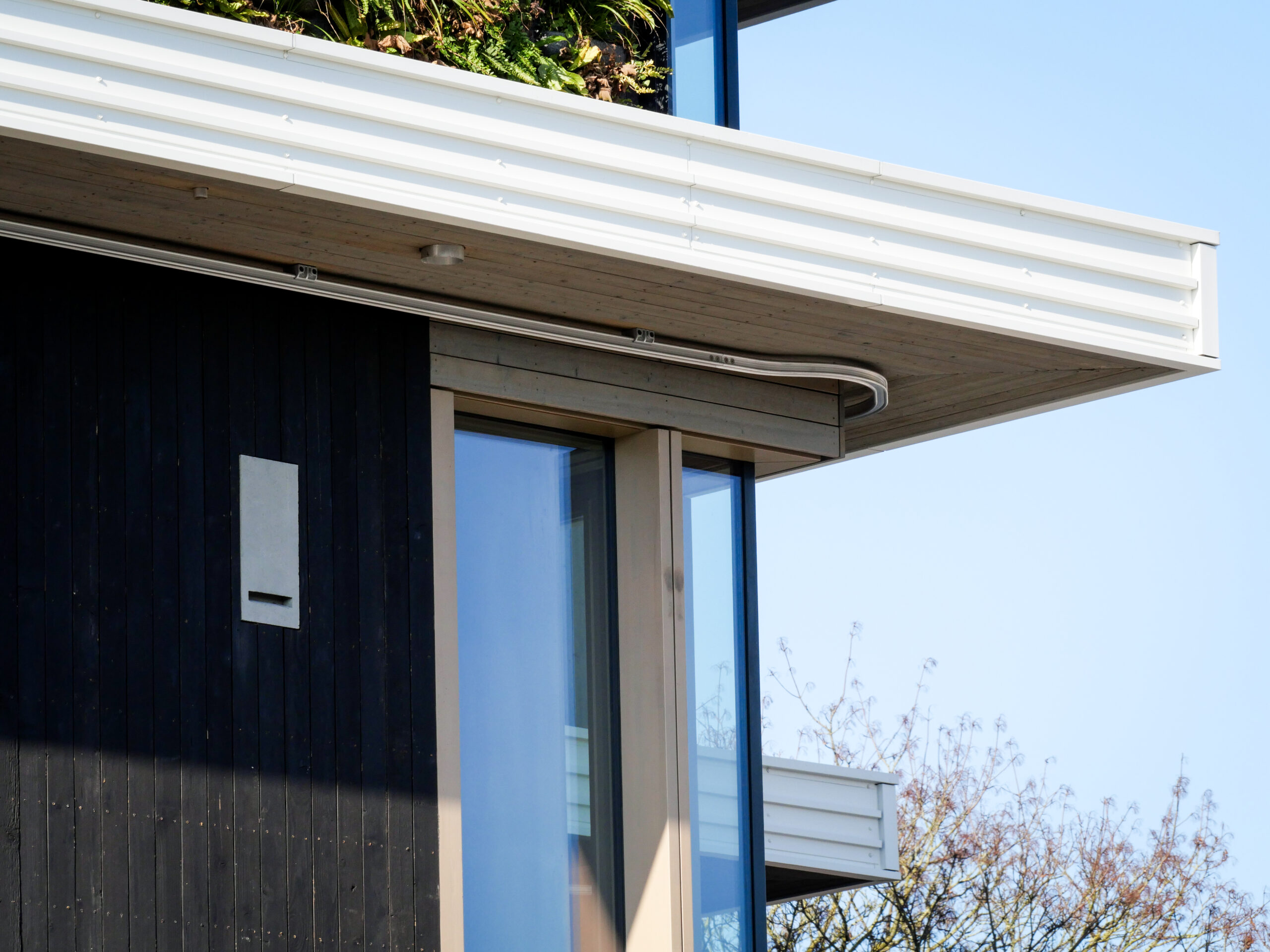
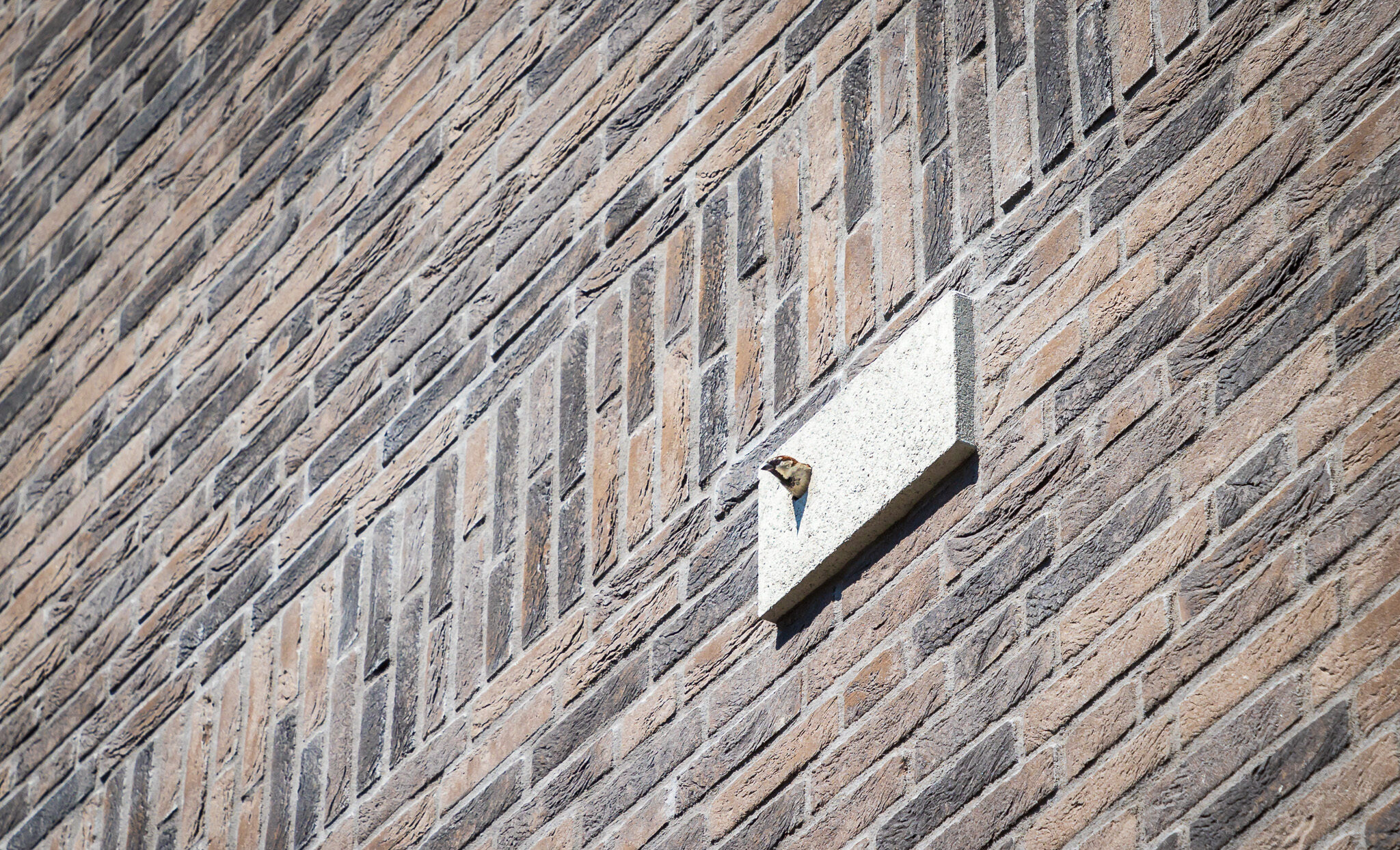
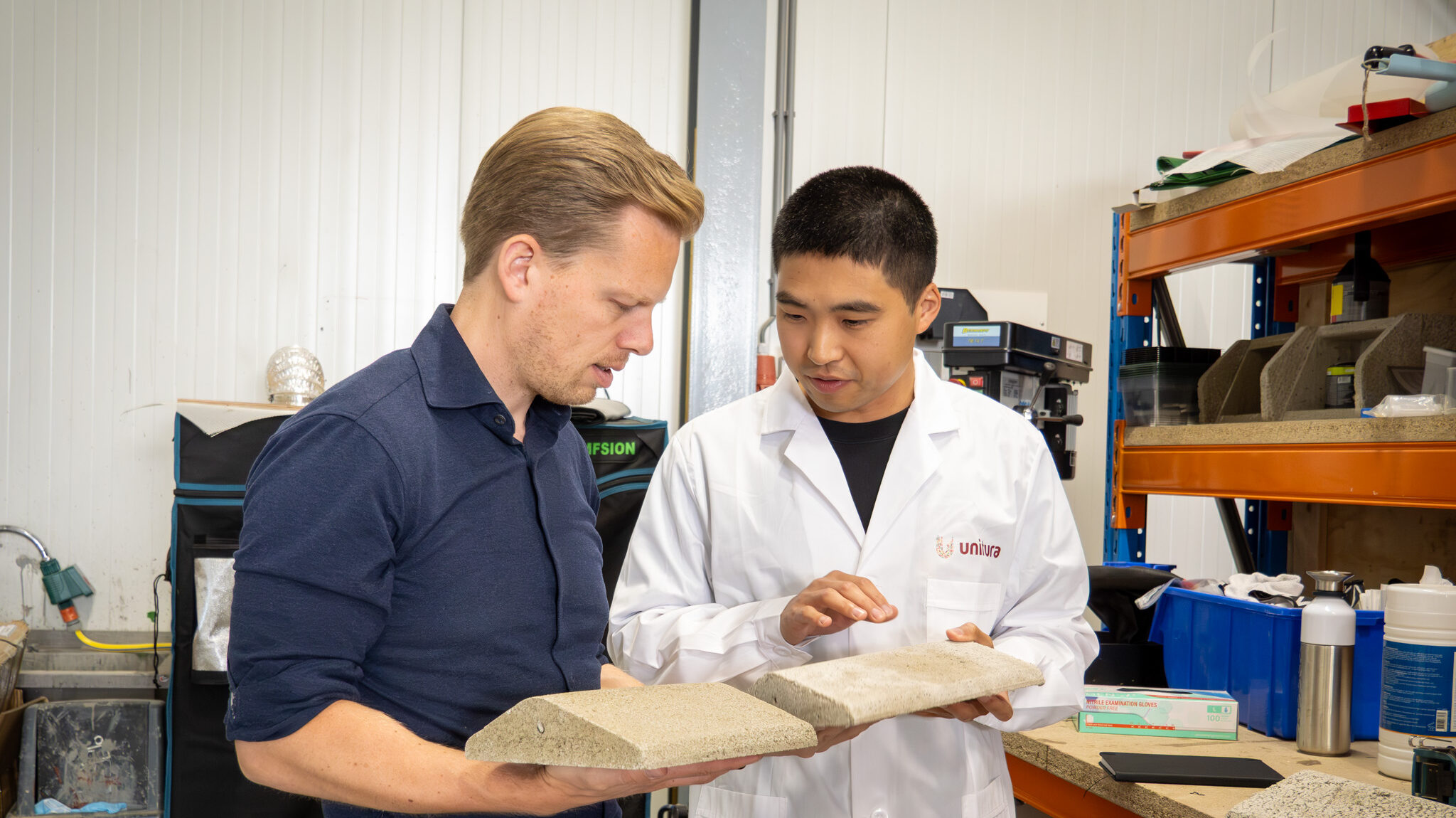
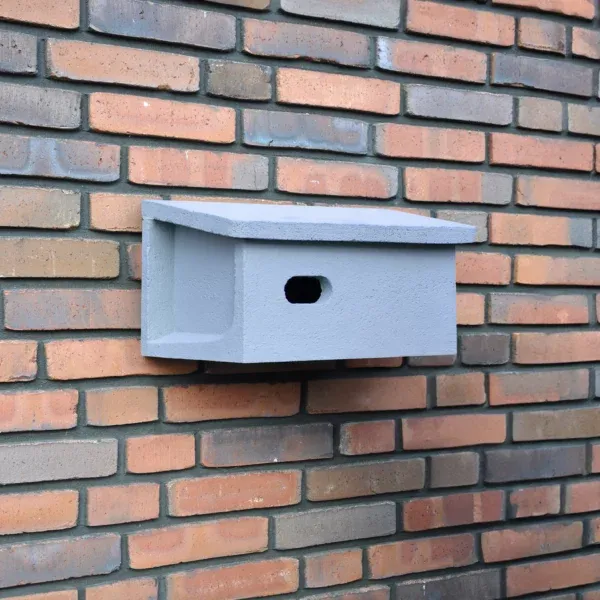
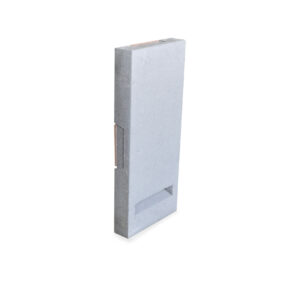
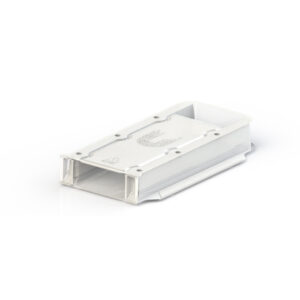
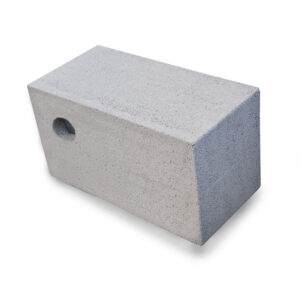
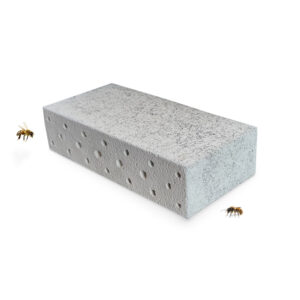
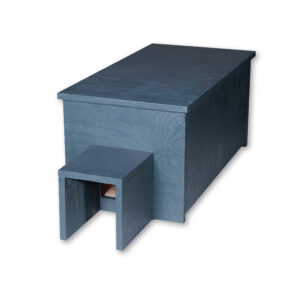
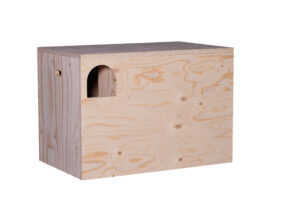
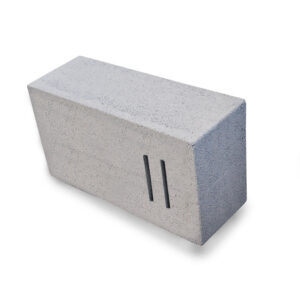
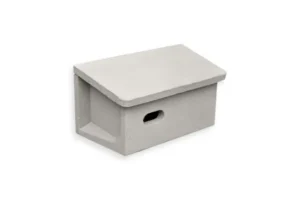
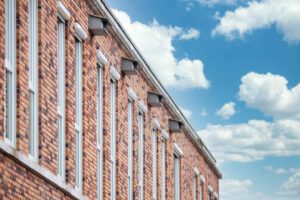
By directly integrating nest bricks for species such as house sparrows, starlings and swifts into projects with species-rich green roofs, a complete urban habitat can be created within a single development. Many building-dwelling bird species depend on this close spatial relationship between nesting opportunities and nearby food availability.
A comparable project in Amsterdam-West, monitored between 2020 and 2023, demonstrated the ecological potential of this approach. The study recorded a 30% increase in swift nest occupancy where biodiverse green roofs were located within 30 metres of the nesting sites (source: Vogelbescherming Nederland, 2023).
Green roofs align closely with policy ambitions surrounding climate adaptation, urban biodiversity and nature-inclusive building. They are increasingly embedded within municipal strategies linked to environmental policy, urban greening and the energy transition. Yet it is precisely the connection with species protection, particularly for building-dwelling species such as swifts and house sparrows, that makes their ecological value both visible and measurable.

 >
> >
> >
> >
> >
> >
> >
> >
> >
>