 EN
▾
EN
▾
EN
▾
EN
▾

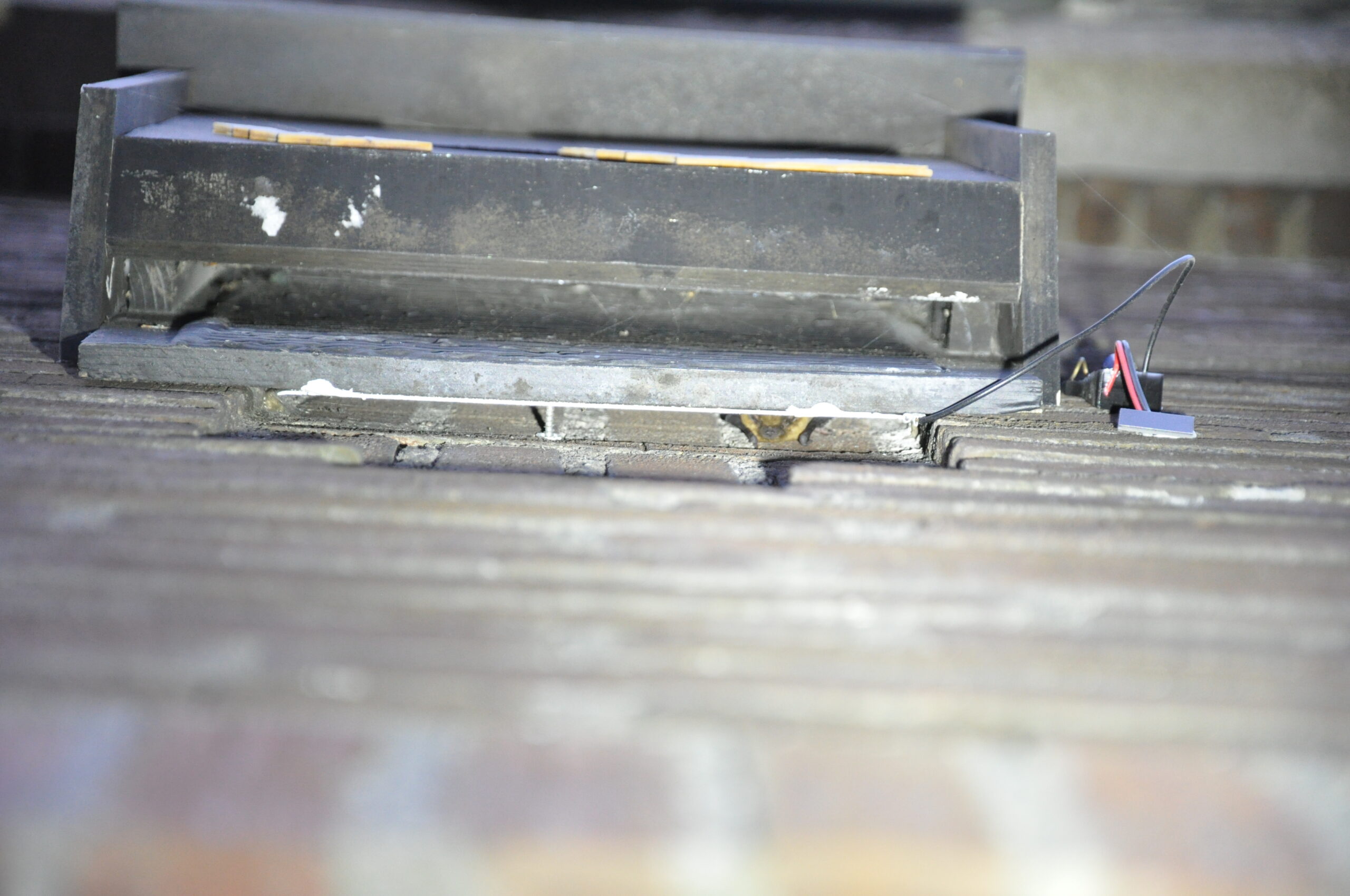
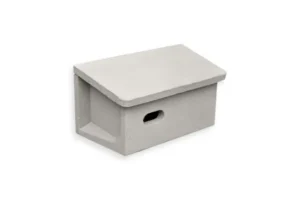
The sensor, officially known as the VMSEN1, was designed to achieve something that had not been possible before: continuously monitoring whether bats were using roosting features. In practice, this meant moving beyond single monitoring snapshots and towards long-term data collection. “With that information, you can identify behavioural patterns,” Sicco explains. “You no longer just know whether a roost is being used, but also how it is being used.”
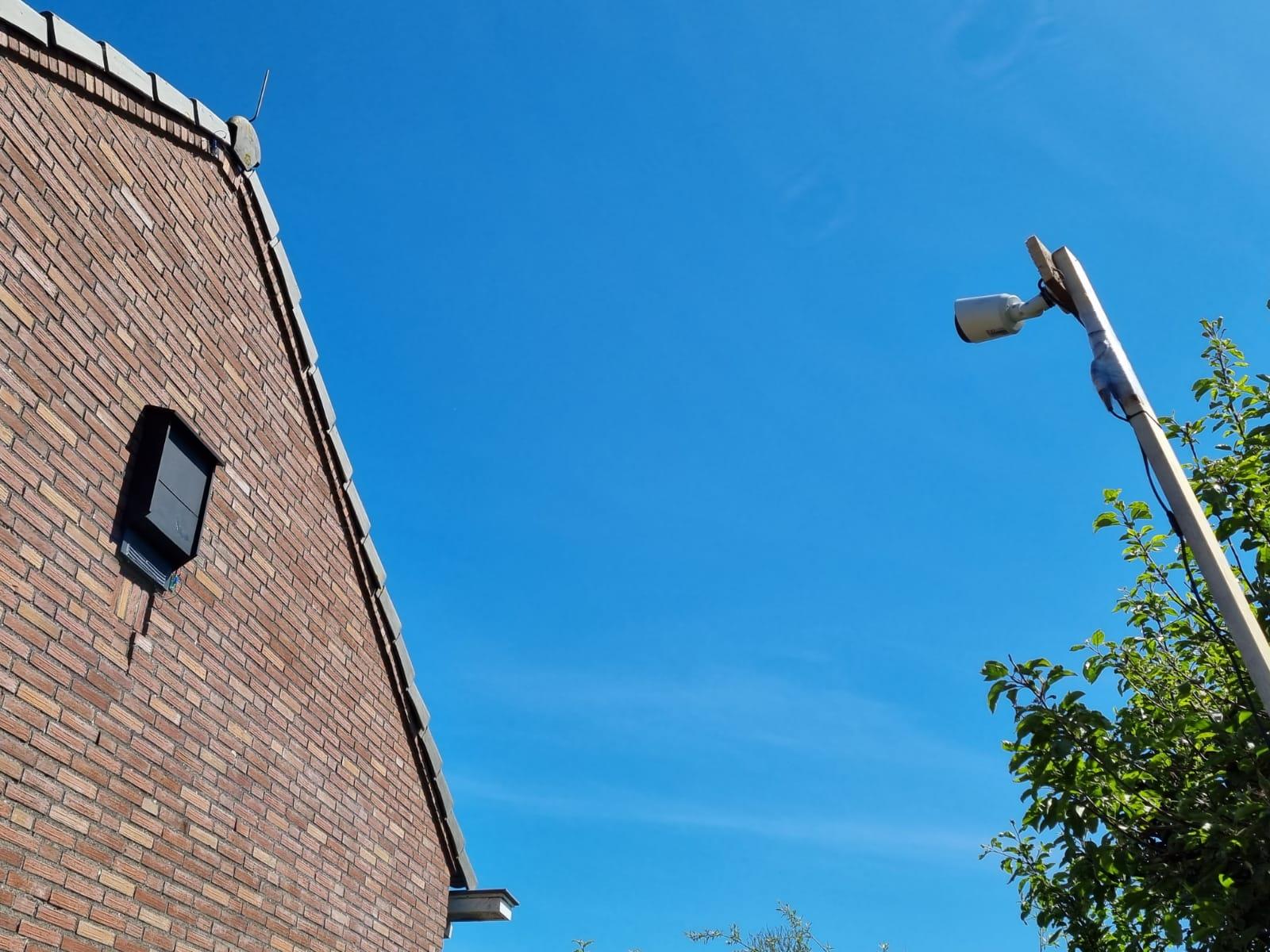
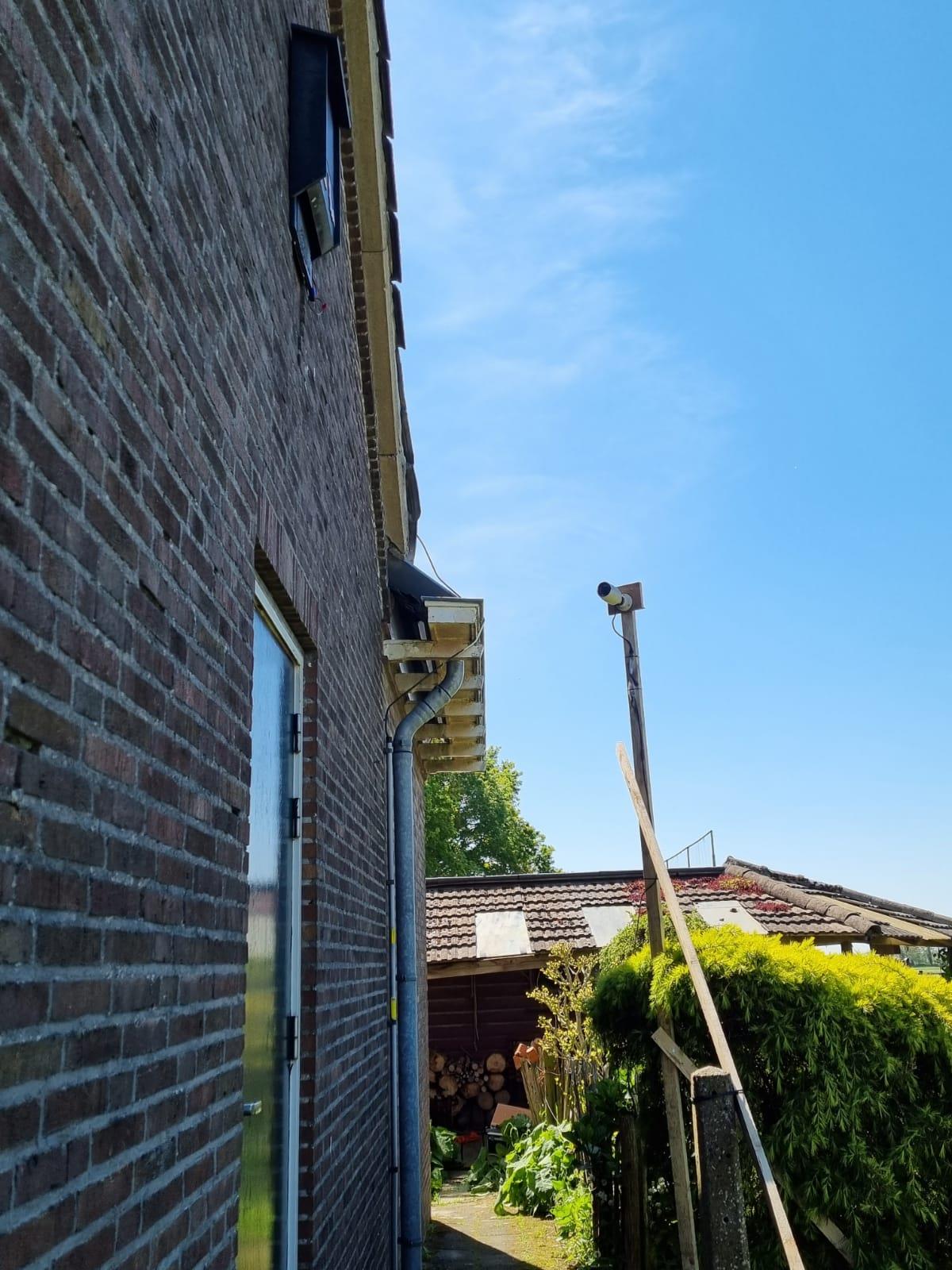
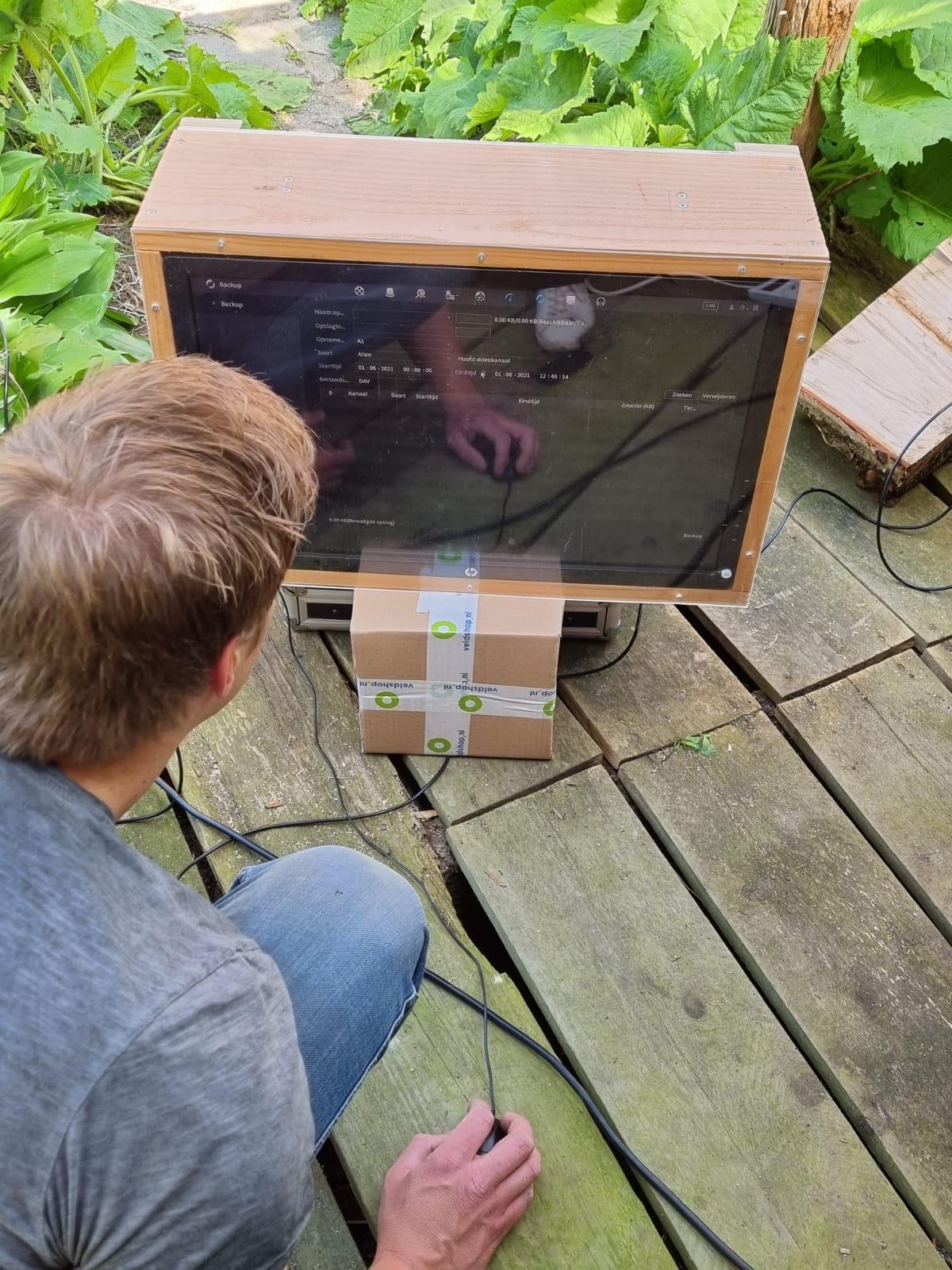
The concept was both simple and innovative. The sensor operated using a magnetic field. Whenever a bat passed through the detection strip, subtle changes in the magnetic field were recorded. The results were then displayed in a dedicated app. “We even developed a custom field computer to validate the methodology,” says Sicco. “Everything was in place for further development.”
Then the context changed. The requirement for extensive monitoring, the very reason the sensor had originally been developed, suddenly disappeared. “That was a significant setback,” says Sicco. “Without that requirement, part of the market disappeared as well. It makes you think twice about investing in the next stage of development, taking a prototype through to a fully commercial product. At that point, you have to be realistic.”
The decision to pause the project was not an easy one. “We had invested a great deal of time, expertise and funding into it,” he explains. “But sometimes you have to recognise that the timing is not right. The technology worked, but the demand in the market had disappeared. That’s when we decided to put the bat sensor on hold.”
That decision did not mean the end of the idea. “We learned a lot from it,” says Sicco. “About bat behaviour, about monitoring, but also about innovation itself. For now, we are taking smaller steps first: prototypes, testing, learning and adapting. That is our standard approach to product development.”
The experience with the bat sensor has not completely changed the way Unitura approaches new ideas. “Sometimes things work out, and sometimes they don’t. That’s part of running a business.” And sometimes a product that never reaches the market leads to something entirely new. “The BatTracker, which we developed together with Drowgoo, is a good example of that,” says Sicco. “With the bat sensor, we had to use video recordings to validate the measurements. That process ultimately led to the idea for the BatTracker.”
The BatTracker measures and tracks bat flight behaviour using thermal imaging technology and data analysis, building on the knowledge and experience gained during the development of the bat sensor. “That’s probably what I like most about it,” says Sicco. “Something that didn’t work out became the foundation for something that does.”
Looking back, Sicco sees the project not as a flop, but as a lesson. “You start ten things, and sometimes one doesn’t work out. That’s part of it, “he says calmly.”But each step yields something. Sometimes in the form of knowledge, sometimes in a new product, and sometimes just in experience. “

 >
> >
> >
> >
> >
> >
> >
> >
> >
>