New Exclusion Flap
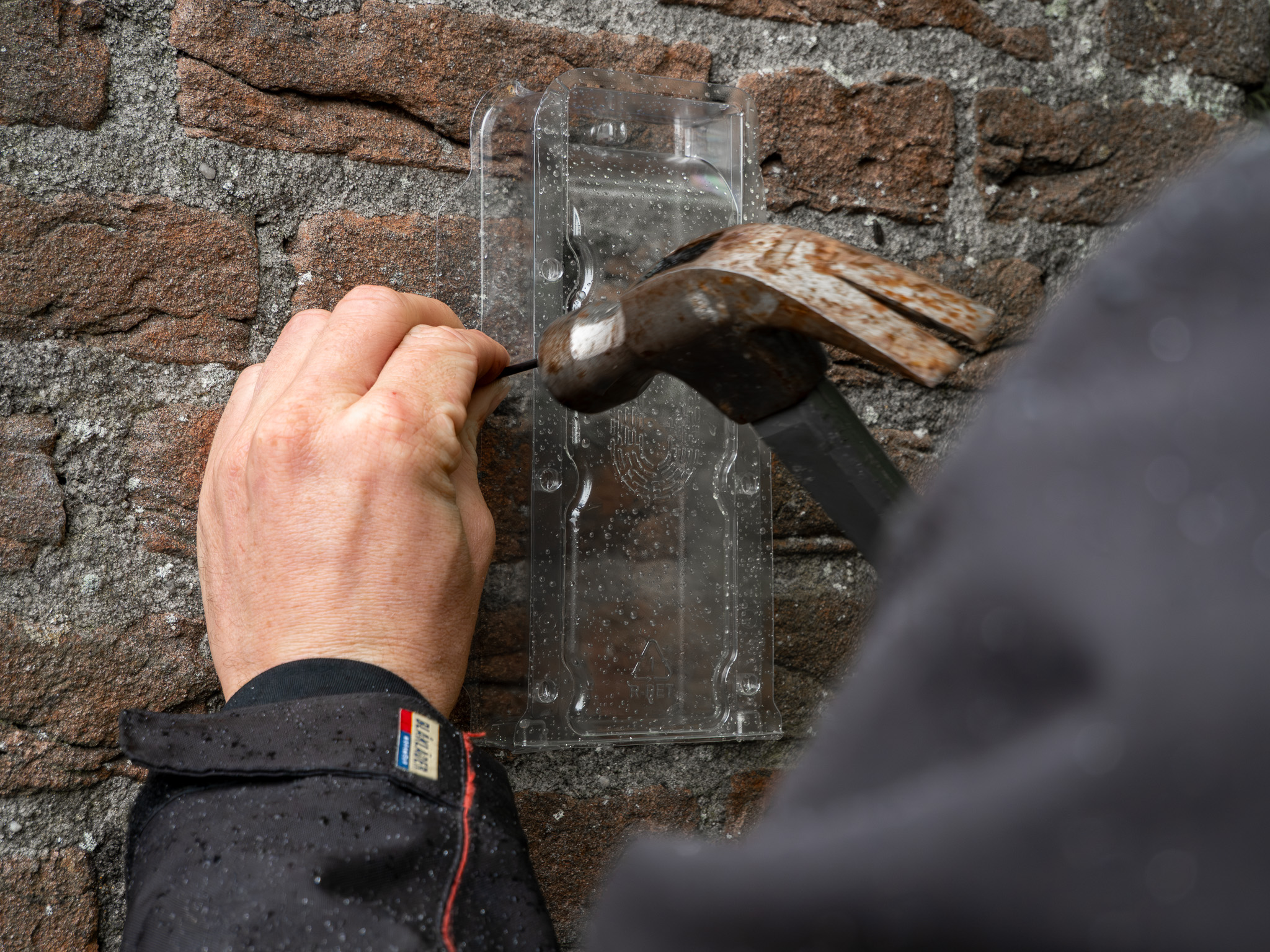
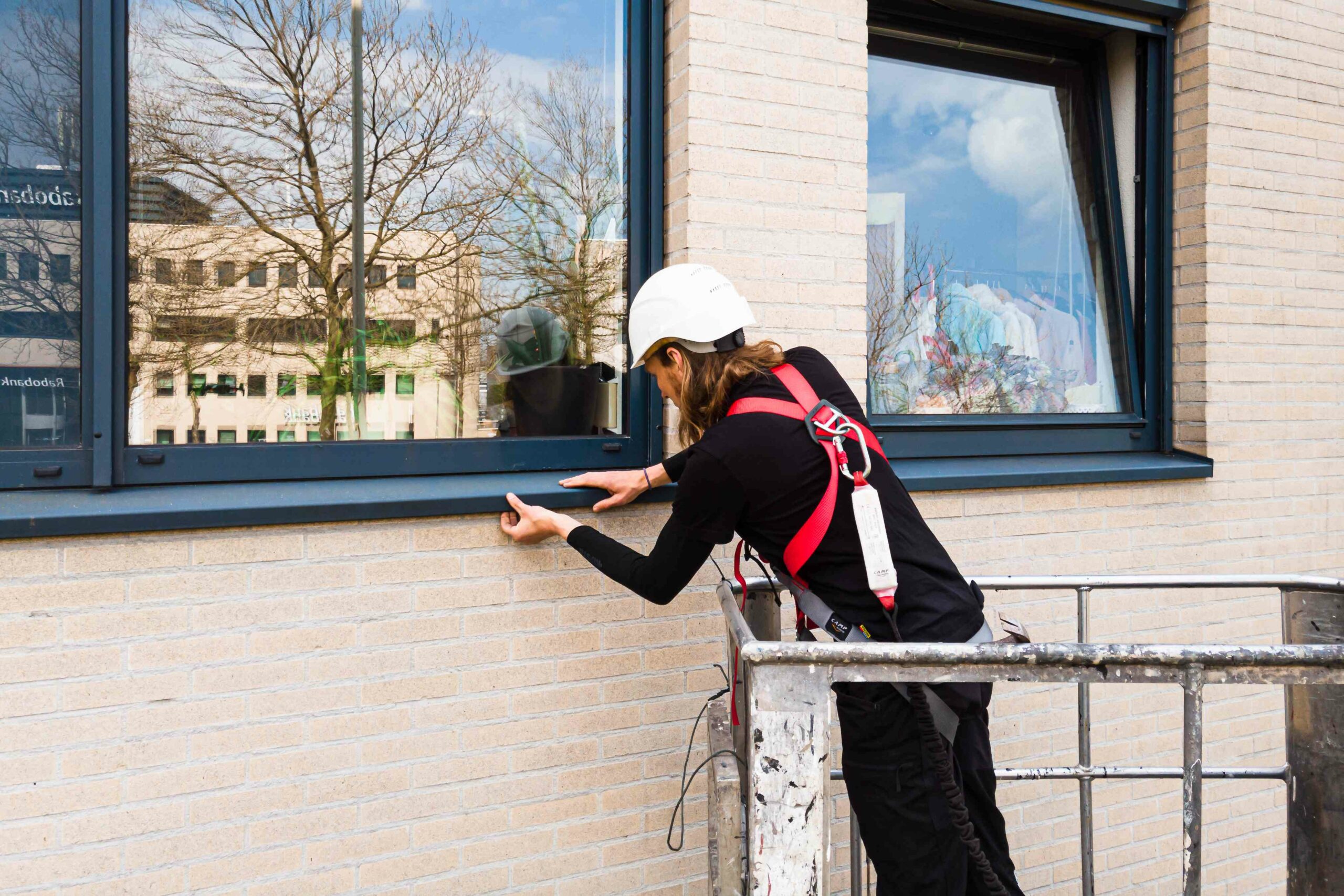
The EF3 exclusion flap has been specifically designed to allow bats to leave buildings in a wildlife-friendly manner while preventing them from re-entering. This makes the system particularly suitable for refurbishment and demolition projects where protected bat roosts are present. Thanks to its intelligent design, the EF3 is suitable for all bat species and can be installed easily at cavity wall openings and roof edges. No cutting or modification is required, simply install the flap and it is ready for use. Please note that the appropriate licences are required before using bat exclusion measures.
New fauna facilities
New renovation boxes for birds
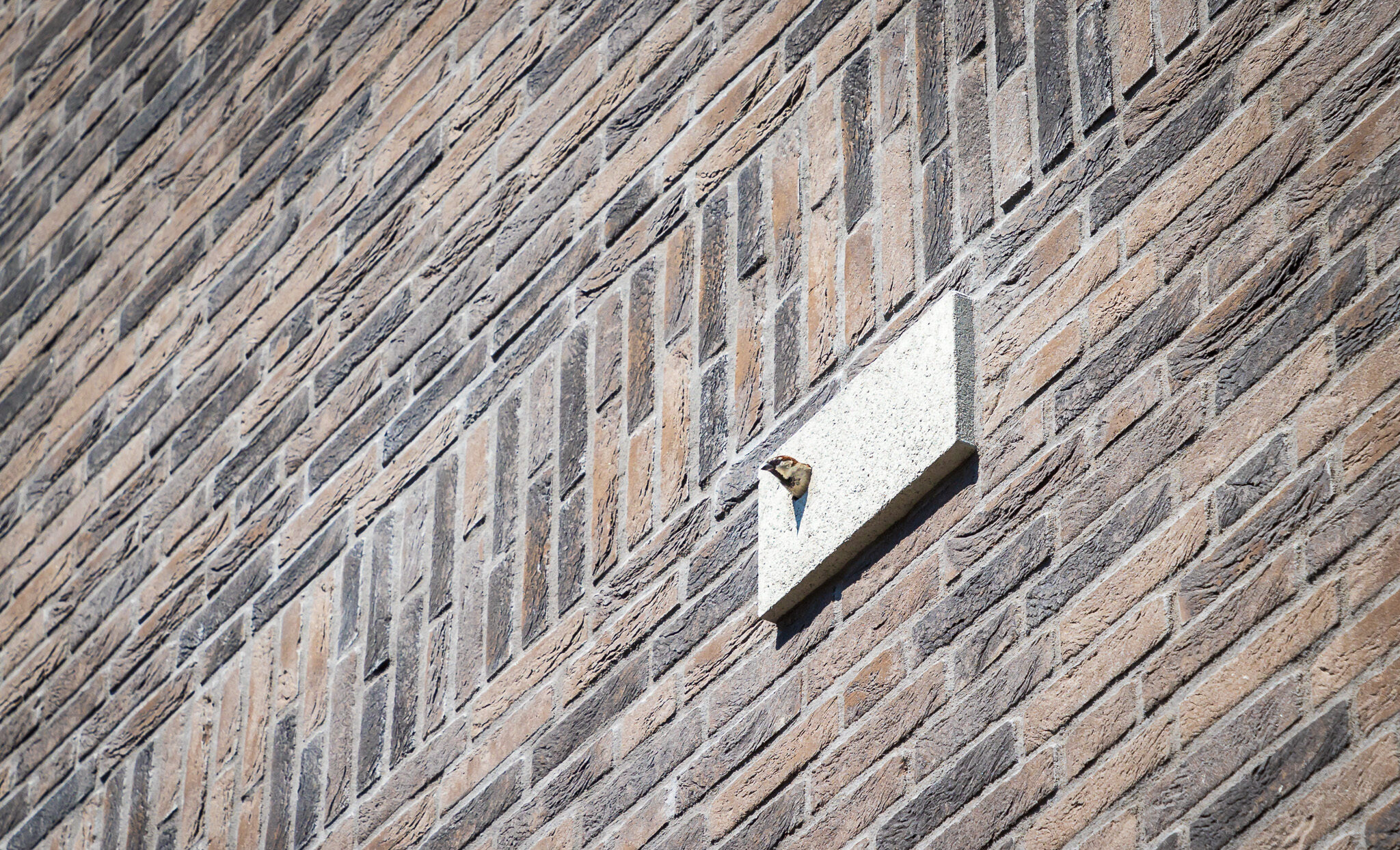
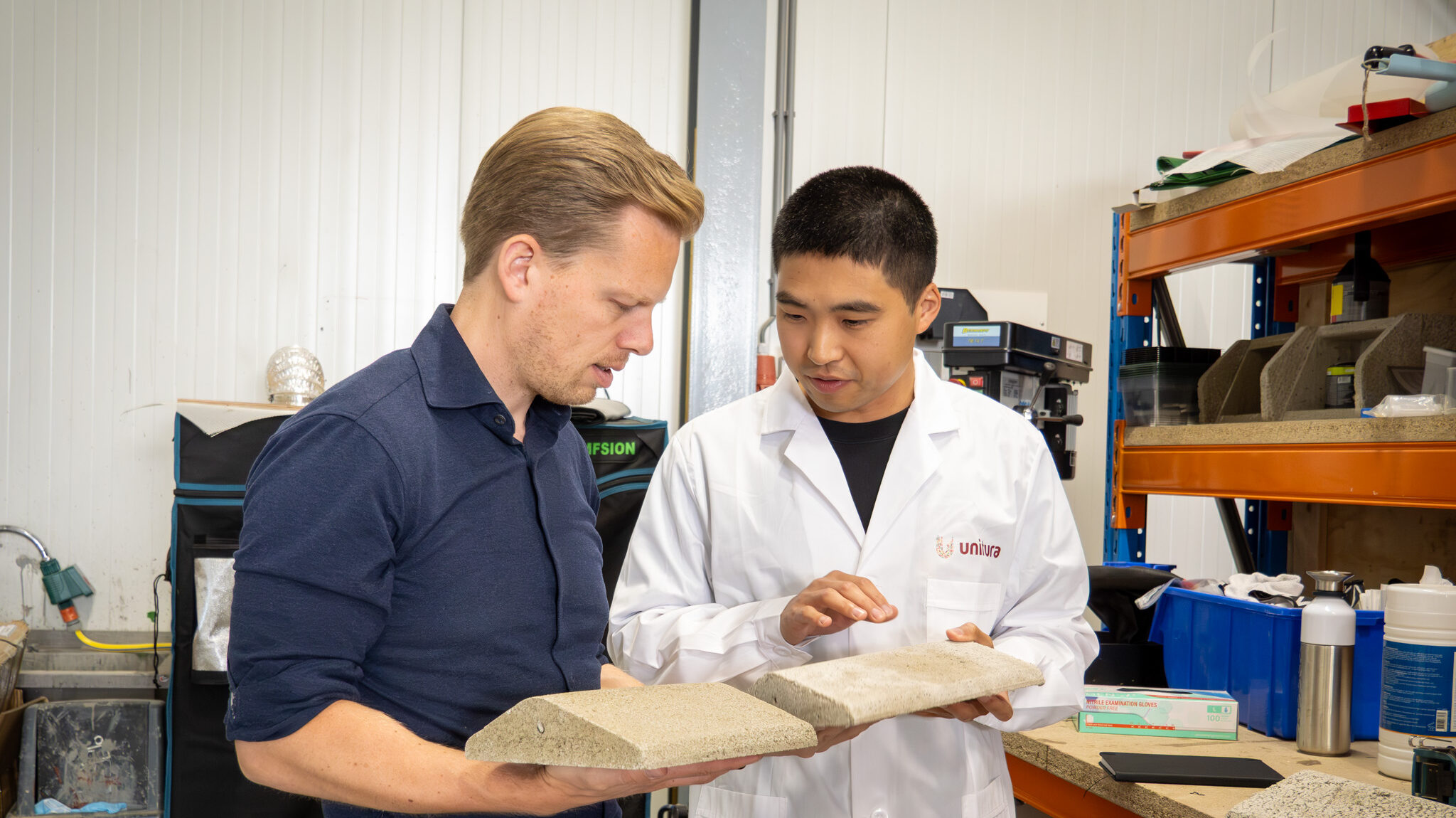
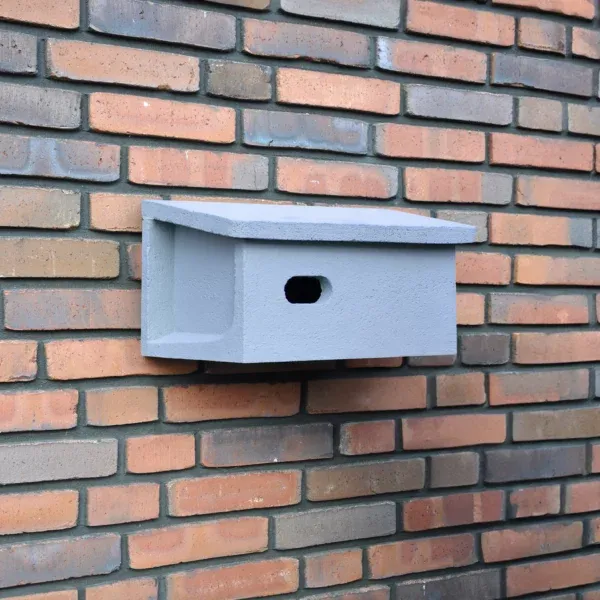
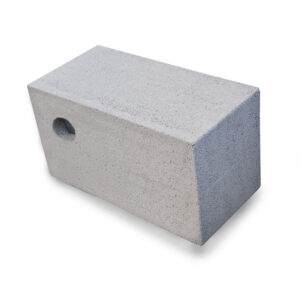
During renovation projects, natural nesting opportunities for species such as swifts and house sparrows are often lost. To address this challenge, we developed the GZP4 and HMP4: durable renovation nest boxes designed to integrate seamlessly into both existing and new facades. The boxes are manufactured from woodcrete, a robust and low-maintenance material that also helps maintain a stable internal microclimate, which is essential for breeding birds.
What makes these renovation nest boxes particularly effective is their compact design. With an installation depth of only 100 mm, they can be integrated even into facades with limited cavity space. The intelligent construction helps prevent water ingress and offers protection against predators, while the sloped canopy ensures that rainwater is naturally diverted away from the entrance openings.
The GZP4 provides a secure nesting site for swifts, while the HMP4 has been specifically designed for house sparrows, a species that prefers to breed colonially. Both integrated nest boxes can be installed individually or grouped together in clusters, depending on the ecological requirements of the project.
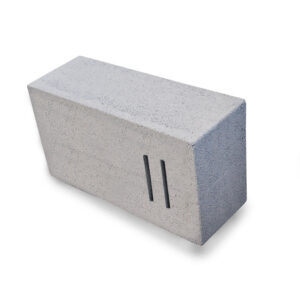
Bat Winter Module
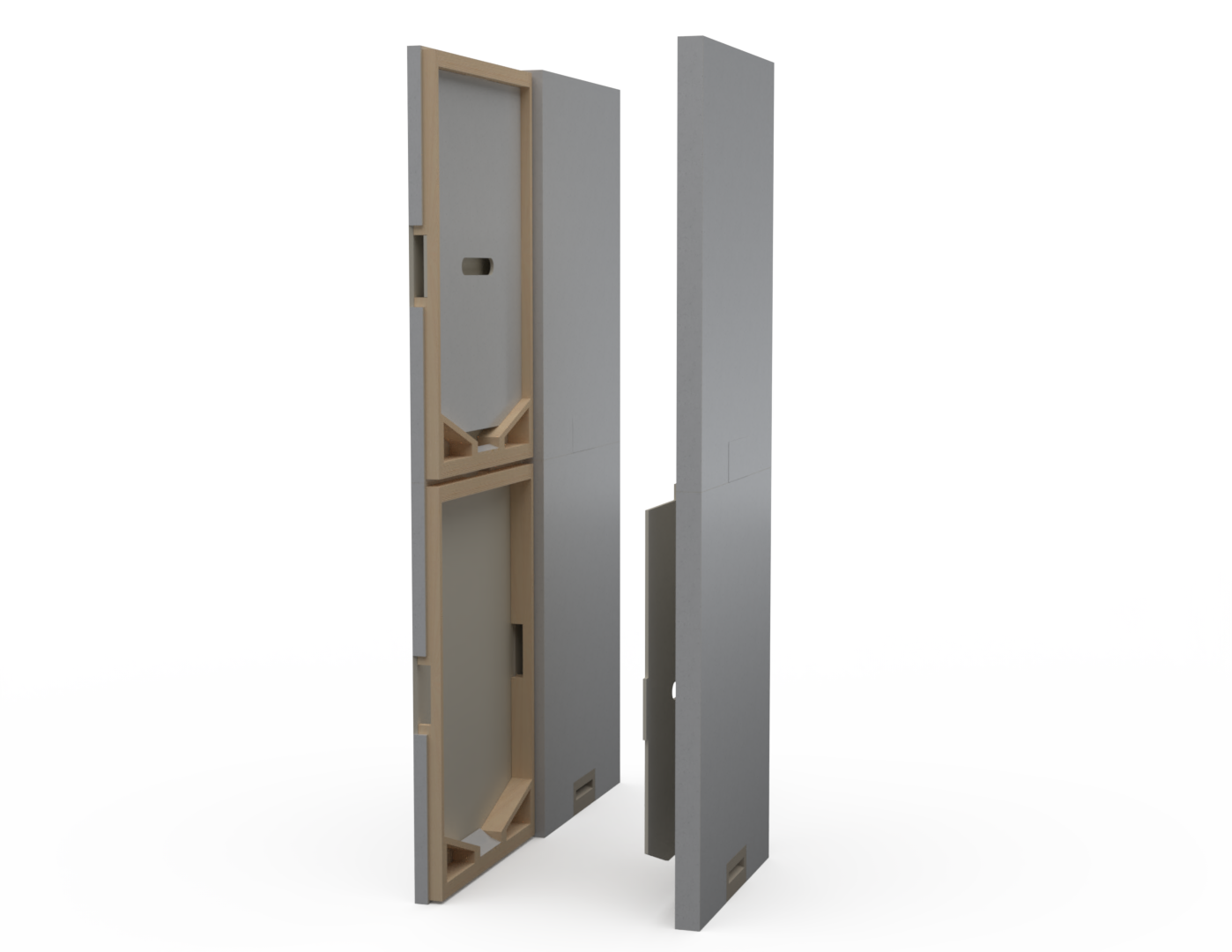
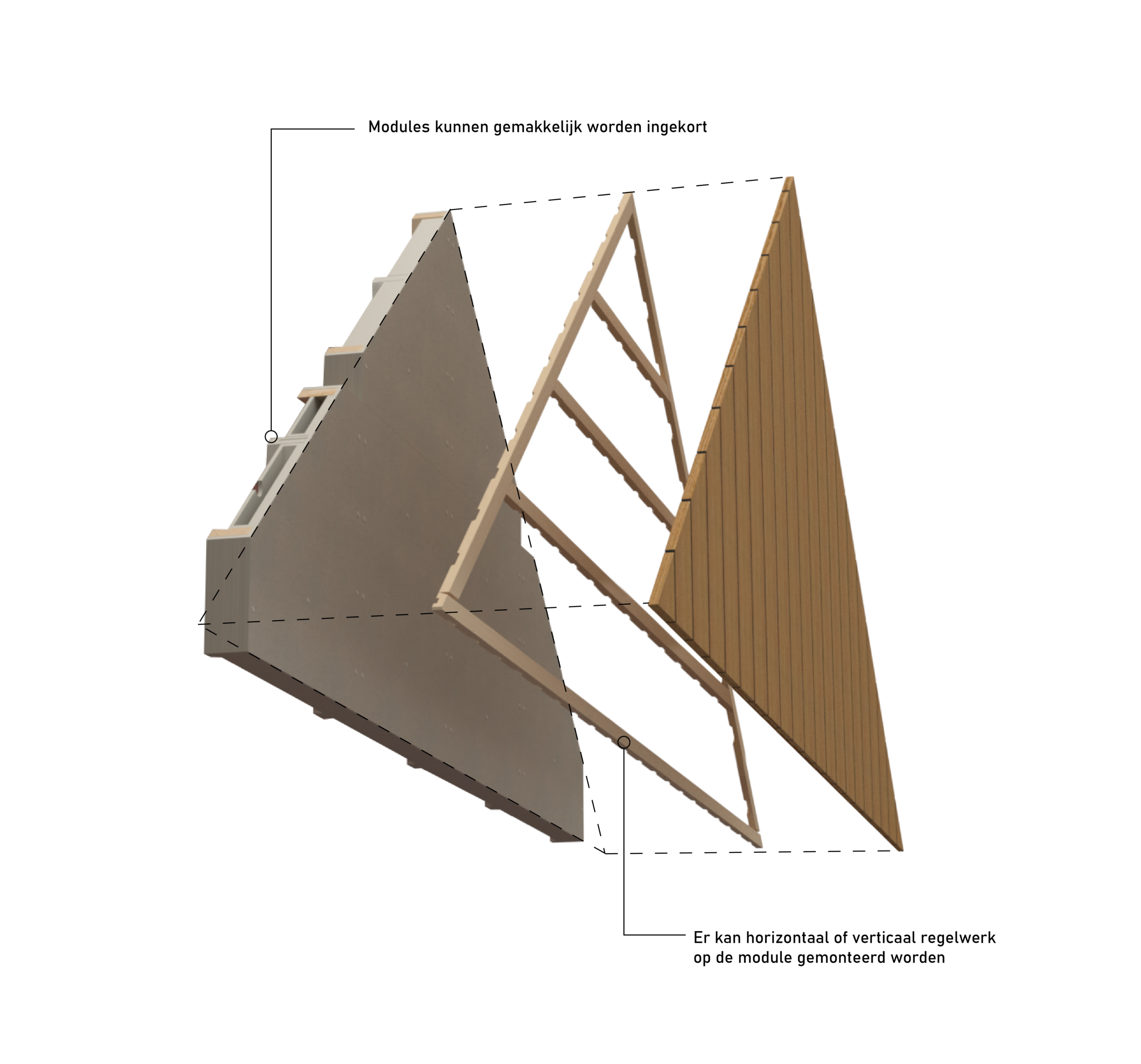
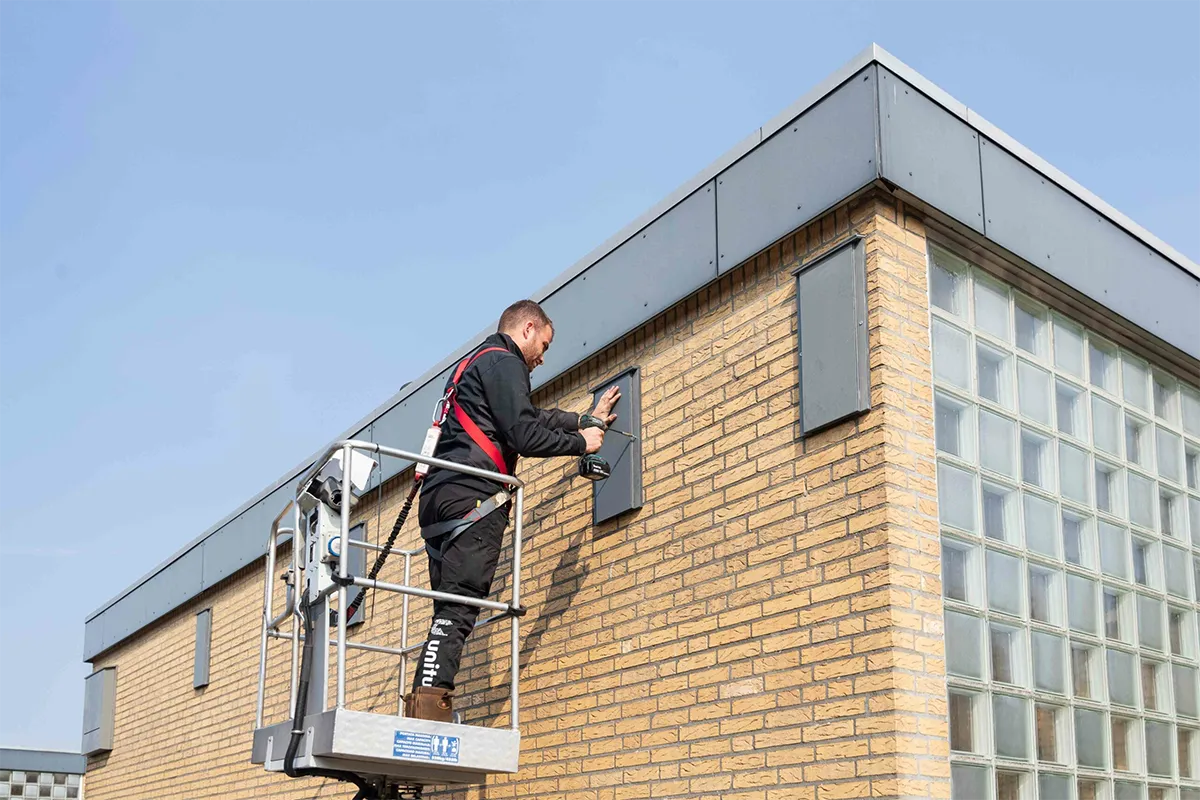
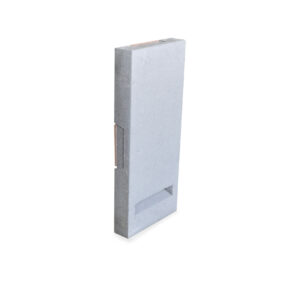
For bat species seeking a safe hibernation roost or maternity roost, we developed the VMPW2. This modular integrated bat box system provides a stable microclimate and can be adapted easily to different facade types. Thanks to its connectable design, larger roosting spaces can be created, making the system particularly suitable for mass hibernation roosts.
The design is fully prefabricated, allowing the system to be integrated easily into both new-build and existing facades. A 30 mm insulation layer at the front of the provision helps maintain a stable internal temperature, which is essential for hibernating bat species. In addition, the system incorporates an integrated waste drainage feature, helping to maintain hygiene and minimise maintenance requirements over the long term.
When the VMPW2 is used as a mass hibernation roost, we recommend connecting at least four modules to create a sufficiently stable microclimate. The provision is also highly suitable as a maternity roost, thanks to its spacious internal dimensions and its ability to be seamlessly integrated into the facade.
Eaves provision for serotine bats
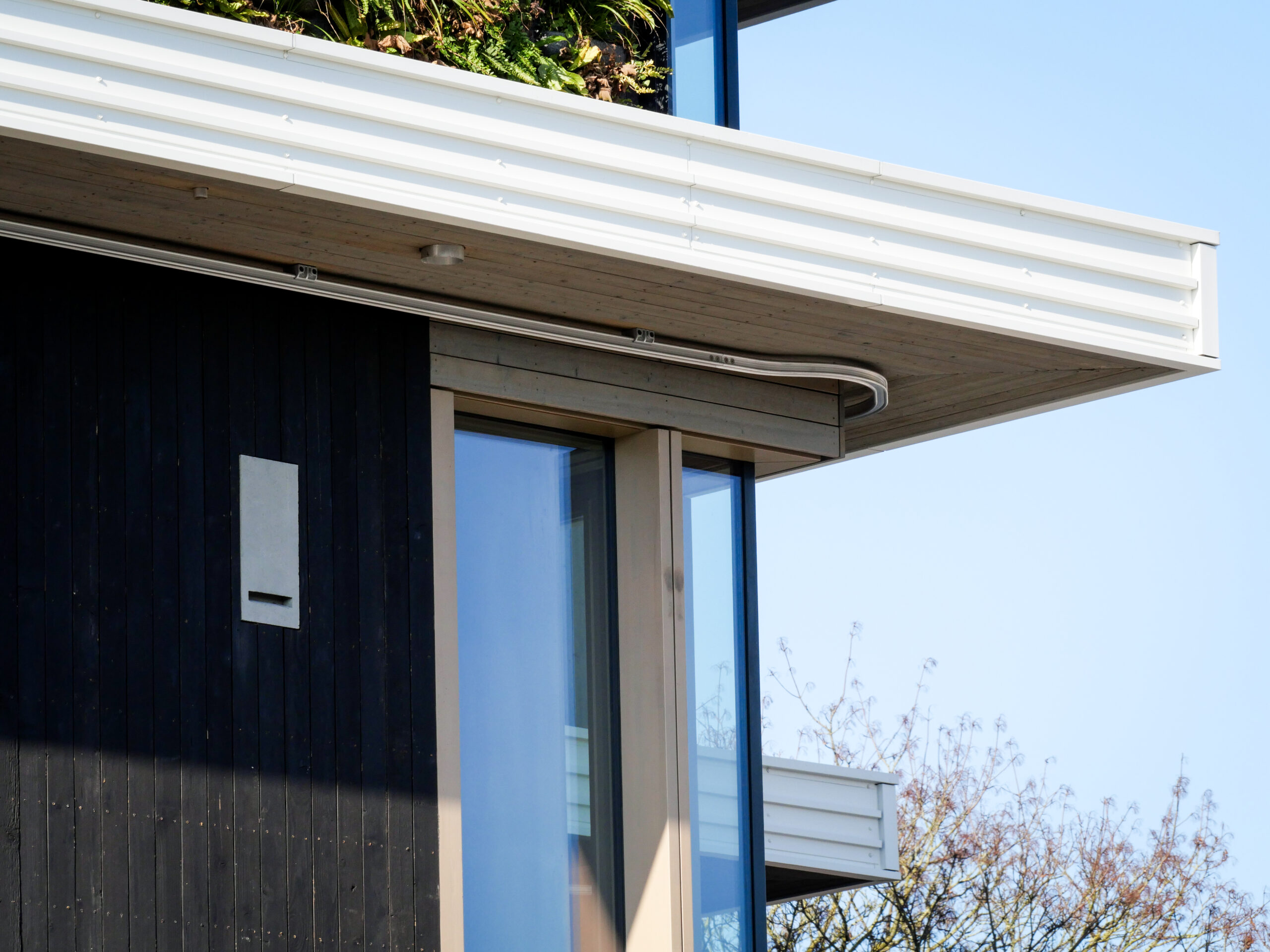
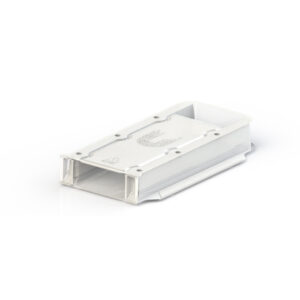
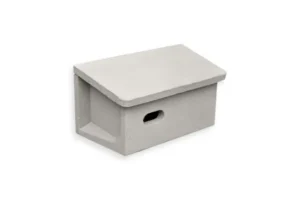
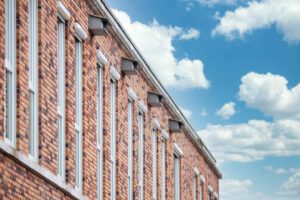
Roof edges are a popular roosting location for bat species, particularly serotines and common pipistrelles. To support these building-dwelling species, we developed the VML2: a prefabricated facade-mounted bat box that can be installed directly onto the external wall. This makes it possible to provide bats with a safe and durable roosting feature without requiring major structural modifications to the building.
The box has been designed as an open-backed bat box, allowing bats to access the roost directly via the rough external wall surface. The VML2 is finished with white Rockpanel cladding, providing both a clean architectural appearance and durable protection against weather exposure. In addition, a sealing foam strip is supplied as standard to help prevent draughts and water ingress, contributing to a stable and suitable microclimate for roosting bat species.
Thanks to its modular design, the VML2 can easily be connected or shortened to size, allowing the system to be applied flexibly across a wide range of building situations and facade configurations.
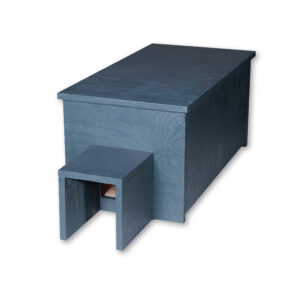
L-shaped kingfisher wall
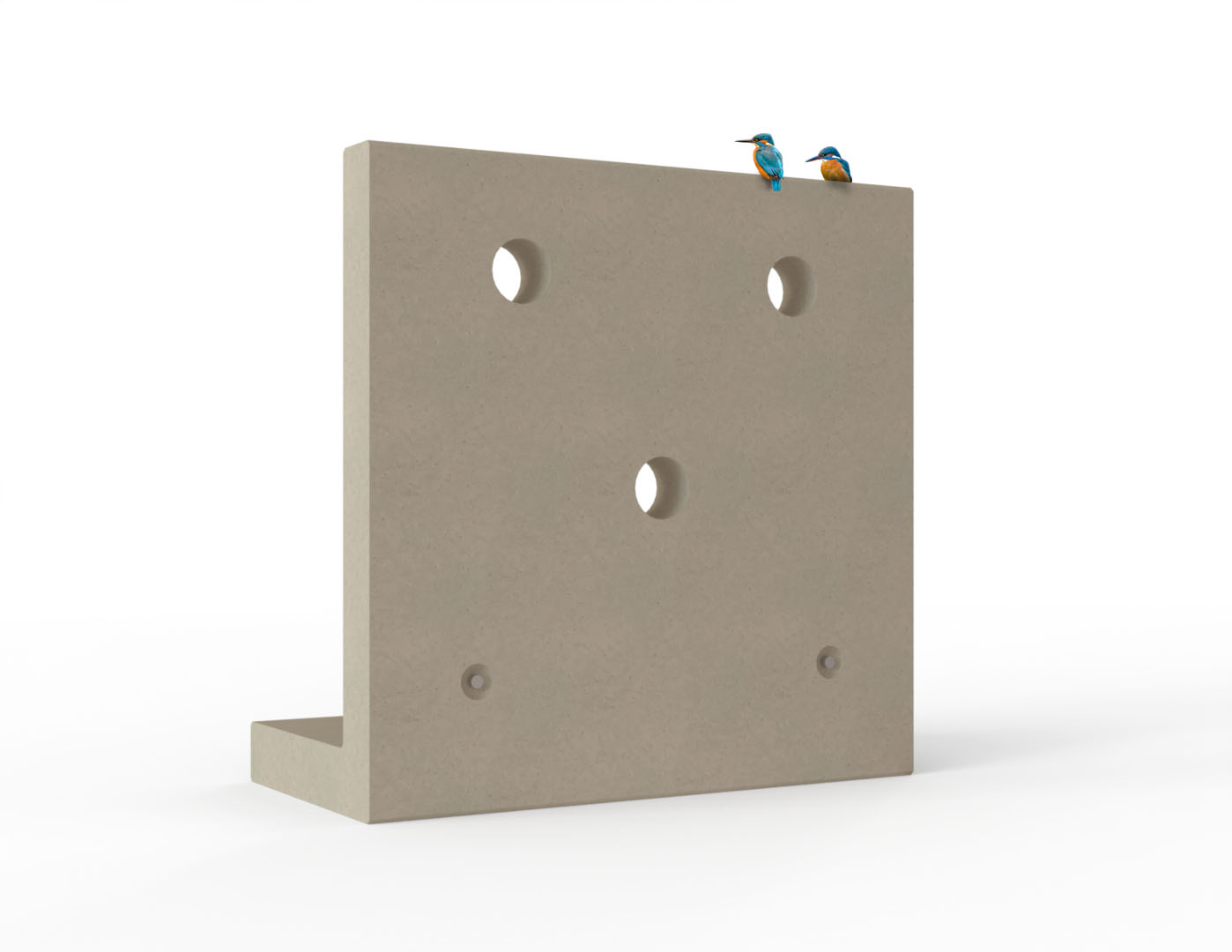
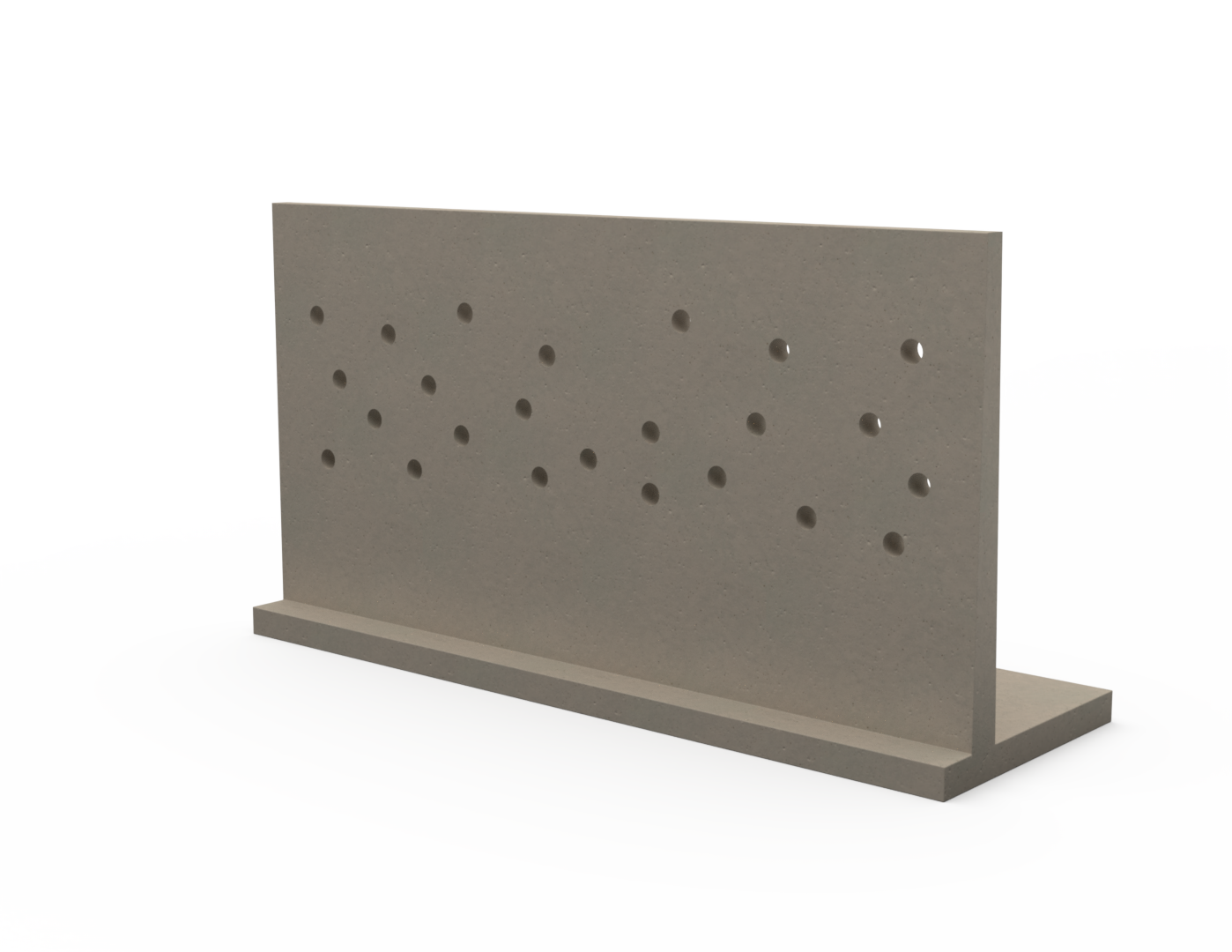
Kingfishers depend on steep riverbanks for nesting, yet suitable natural nesting locations are not always available within managed waterways and urban landscapes. To support this species, we developed an L-shaped kingfisher wall that provides an artificial nesting site specifically designed around the ecological requirements of kingfishers.
The structure is manufactured from concrete and incorporates integrated nesting tunnels that closely replicate natural breeding conditions, helping to create a secure and durable nesting opportunity for this iconic species.
The concrete structure provides durability and helps maintain a stable nesting environment. The nesting tunnels have been designed with the appropriate depth and dimensions, allowing kingfishers to excavate their nesting chambers safely and naturally. In addition, the wall is straightforward to install, making it suitable for a wide range of riverbank and waterside restoration projects.
For successful installation, selecting the right location is essential, ideally within a quiet area close to clear, fish-rich watercourses. More detailed guidance on the optimal application and placement of this kingfisher wall can be found in our in-depth blog covering this topic.
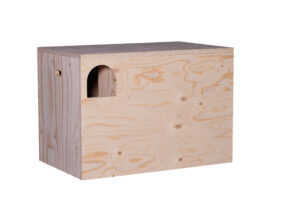
Renewed construction of bat boxes
With the new maternity season upon us, our standard maternity boxes VMT3 and 3a have been completely redesigned! These improvements provide an even more efficient and sustainable working environment for people and nature.
What’s new?
- Linkability of boxes: The boxes can now be easily linked with each other, allowing optimal use of space and improving working conditions.
- Inspection hatch: For greater ease and efficiency in inspections, a new inspection hatch has been added for even easier access to your animals.
- Durable sheet material: The new sheet material is designed to last longer, helping to extend the life of the cabinets.
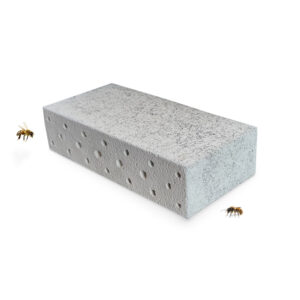
Swale wall for the Sand martin
The ZWW1 sand martin wall has been developed to support the conservation of the vulnerable sand martin by creating durable nesting opportunities. Sand martins depend on exposed sand banks and sandy river embankments for nesting, habitats that are increasingly scarce within managed landscapes and urban environments.
With the ZWW1 sand martin wall, a robust and long-lasting nesting location can be created specifically for this colonial breeding species.
Each wall incorporates more than 20 integrated nesting tunnels. During installation, a stable foundation is essential to prevent settlement over time. Once installed, the structure is filled with a lightly loamy or clay-rich soil mixture, providing sufficient stability for the nesting tunnels used by sand martins.
The surrounding area can also be sown with a species-rich wildflower seed mixture, helping to provide additional food sources and shelter for swallows and other insectivorous bird species.
The EF3 exclusion flap is specially designed to allow bats to leave buildings in an animal-friendly way without being able to get back inside. This is ideal for renovation and demolition work. Thanks to its clever design, the EF3 is suitable for all bats.


 >
> >
> >
> >
> >
> >
> >
> >
> >
>