 EN
▾
EN
▾
EN
▾
EN
▾
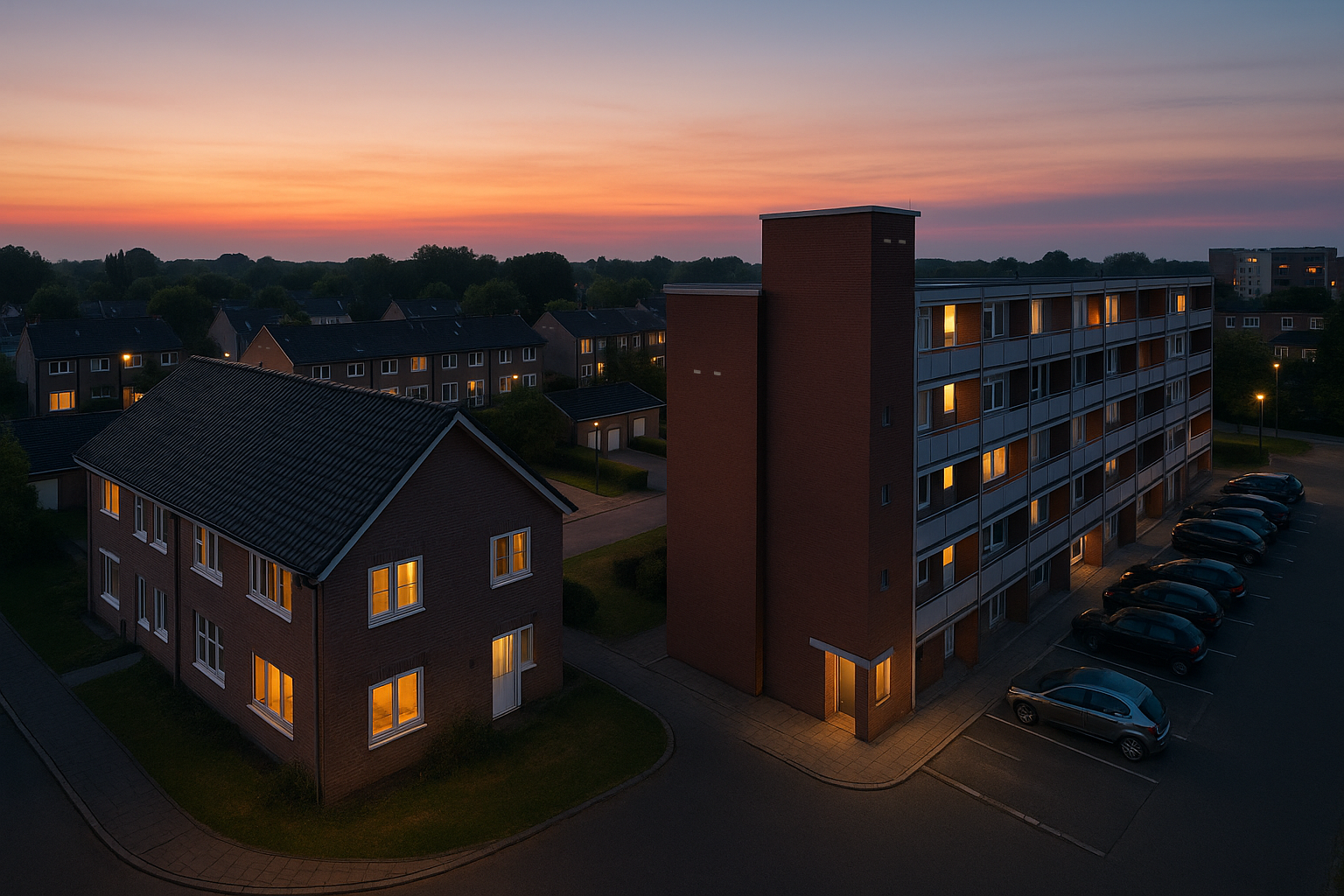
A maternity roost of the common pipistrelle (Pipistrellus pipistrellus) is a vulnerable link within the network of roosts used by a colony. When such a roost is at risk of being lost through refurbishment or demolition, the focus is often placed on ‘replacement’: a new bat box, a new facade, or a new integrated roost feature. However, effective compensation does not begin with the replacement provision itself. It begins with understanding the quality of the existing roost.
In this blog, we take you through how to maintain the quality of a maternity home when compensated.
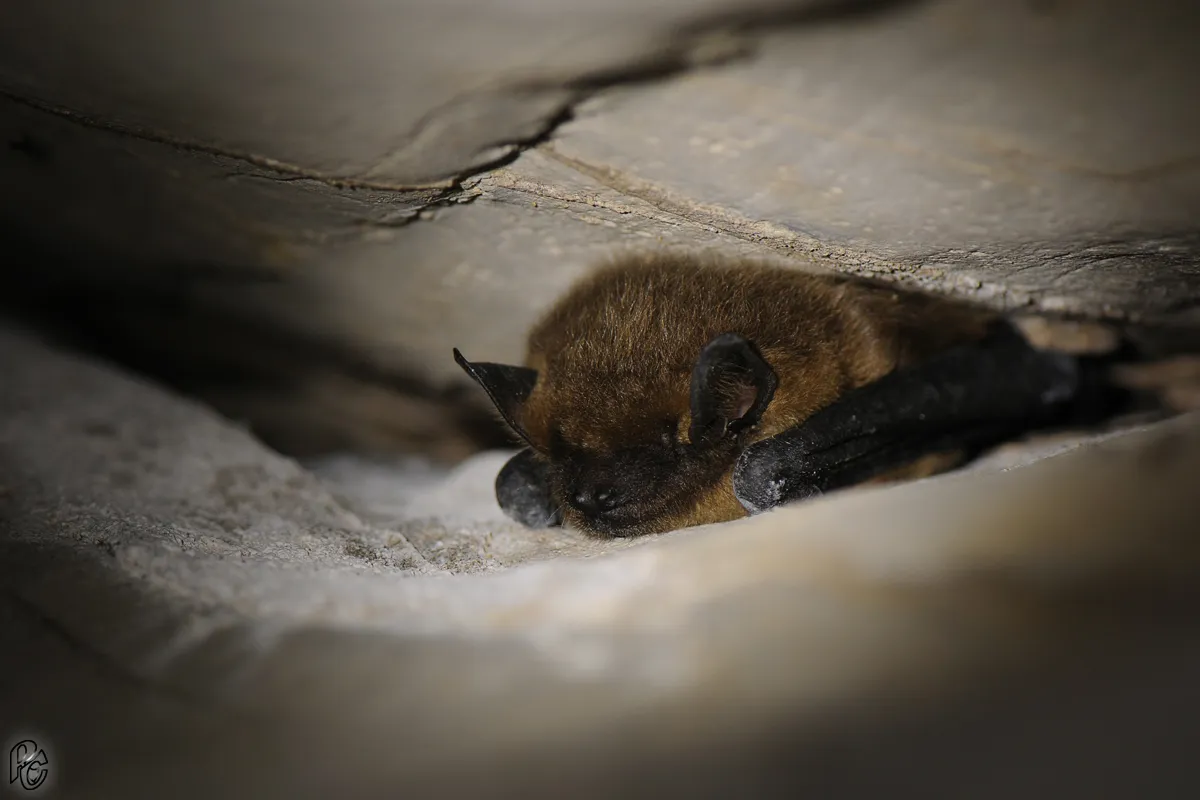
Compensating for a maternity roost of the common pipistrelle (Pipistrellus pipistrellus) depends on the development of a well-designed compensation plan. To create an effective plan, it is first necessary to gain a thorough understanding of the existing situation, allowing the proposed measures to provide a bespoke solution for the colony. This requires investigating the structure of the colony’s roost network. Which roosts are being used? What commuting routes are followed? How many roosts are present? All of this information is essential for developing an effective compensation strategy.
Once this information has been mapped, it is time for step two: developing the mitigation strategy. How will temporary provisions be implemented? What form will the permanent compensatory provision take? And how will the exclusion process be managed? These are all key considerations in ensuring that the loss of a maternity roost can be addressed effectively while maintaining the ecological function of the colony’s roost network.
Considering these components creates a good compensation plan.
Once it is clear how the original maternity roost functioned, this understanding can be translated into the new situation. The guidance refers to this as the ‘replication of functional variation’: designing compensatory provisions based on the microclimates, structures and materials that bats previously used. Rather than simply replacing a roost, the aim is to recreate the range of conditions that made the original roost suitable for the colony.
Did the original building contain a variety of corners, joints and temperature transitions? Then the new provision should offer the same diversity of conditions. Were the original crevices primarily located beneath the eaves? Then the new roost feature should replicate that warm, sheltered microclimate.
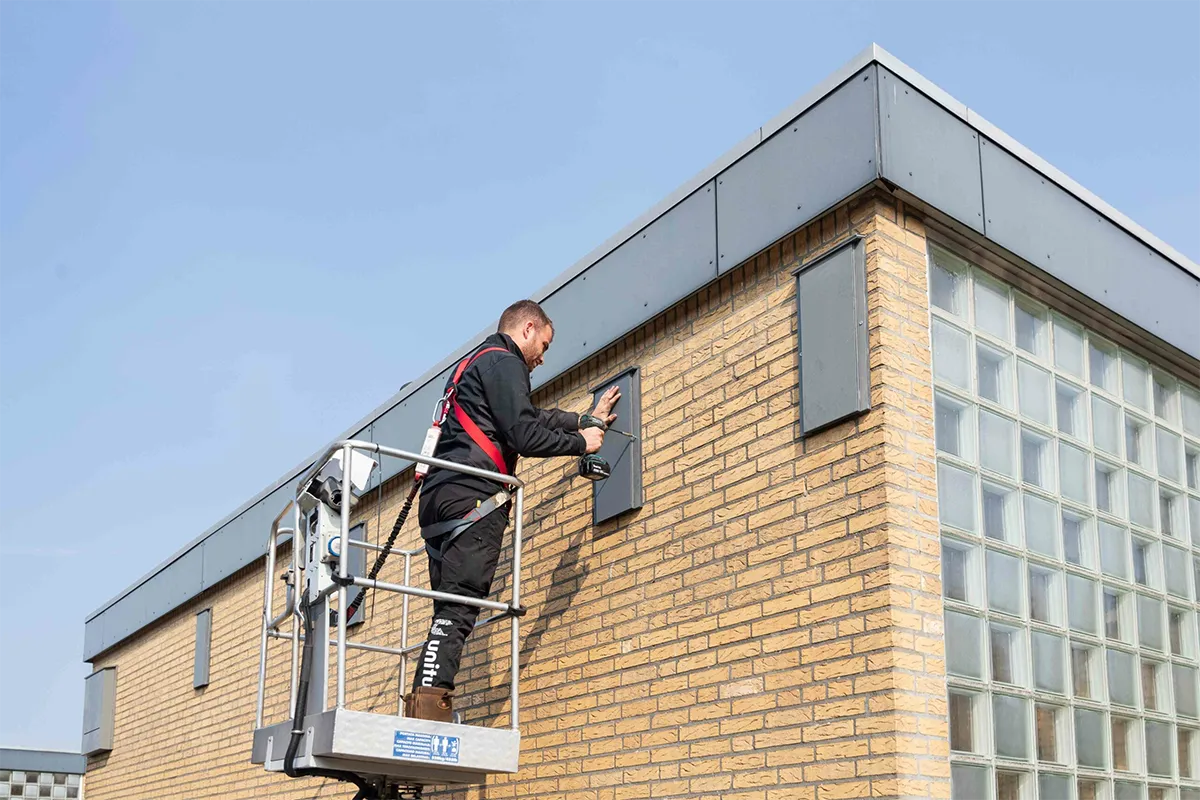
Temporary maternity roost provisions are often installed to bridge the period during construction works. These should remain in place alongside the existing roost for at least one maternity season. Where possible, a replacement roost box should be installed within 50 metres of the original roost. If this is not feasible, it should be positioned directly adjacent to the existing roost to allow bats to become familiar with it. During the construction works, the roost box can then be relocated as required.
If the construction works take place during winter, permanent roost features can be installed immediately. One advantage of this approach is that bats are more likely to recognise and adopt similar roost features located further away from the original roost, including for sensitive functions such as maternity roosting. Where possible, durable external roost provisions should be used. This allows bats to become familiar with their future roost location within the building well before the permanent roost network comes into full use.
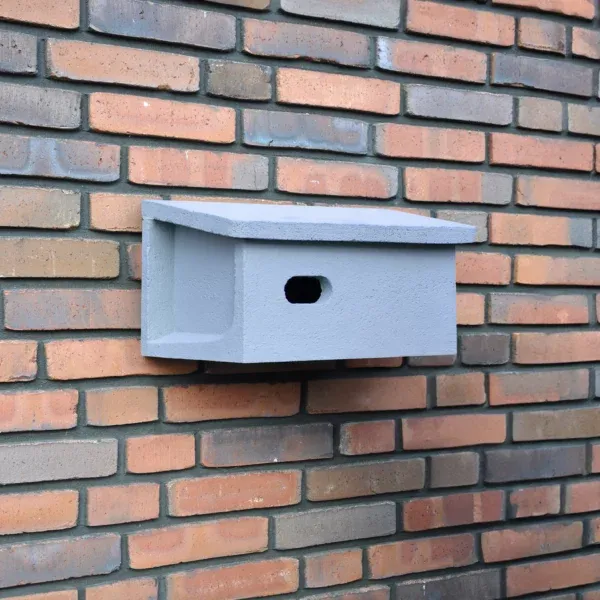
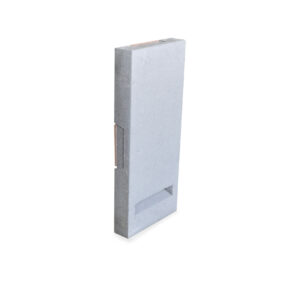
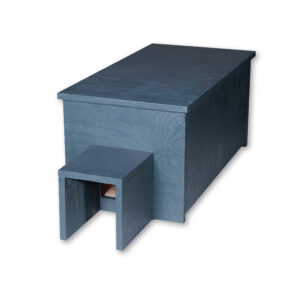
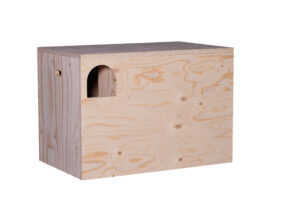
Geen mogelijkheid om gelijk permanente kasten toe te voegen? Dan biedt de VMT serie van Unitura een tijdelijke oplossing. De VMT3 en VMT3a bestaan uit drie lagen multiplex en gripmortel van 25 millimeter en zorgen voor een stabiel microklimaat. Door meerdere kasten te combineren, bijvoorbeeld twee op warme gevels en één als hoekkast, ontstaat variatie in temperatuur en ruimte, vergelijkbaar met het oorspronkelijke netwerk.
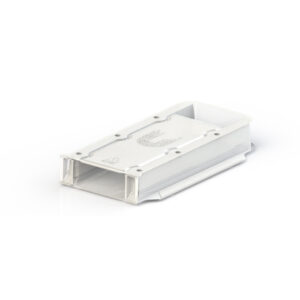
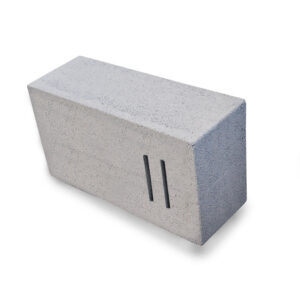
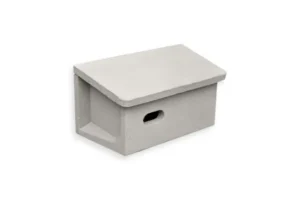
Temporary provisions are a necessary intermediate step, but the ultimate goal is permanent integration. The Mitigation Handbook describes this as the transition from ‘temporary refuge’ to ‘long-term compensatory provision’. At Unitura, we have translated this principle into the VMWM series (Bat Wall Modules): durable, modular roost features constructed from XPS, timber, spray cork and grip mortar.
The modules can be connected and combined in different configurations, creating a range of microclimates and roosting conditions:
By combining the modules horizontally or vertically, a natural temperature gradient can be created, closely resembling the conditions found in the original roost network.
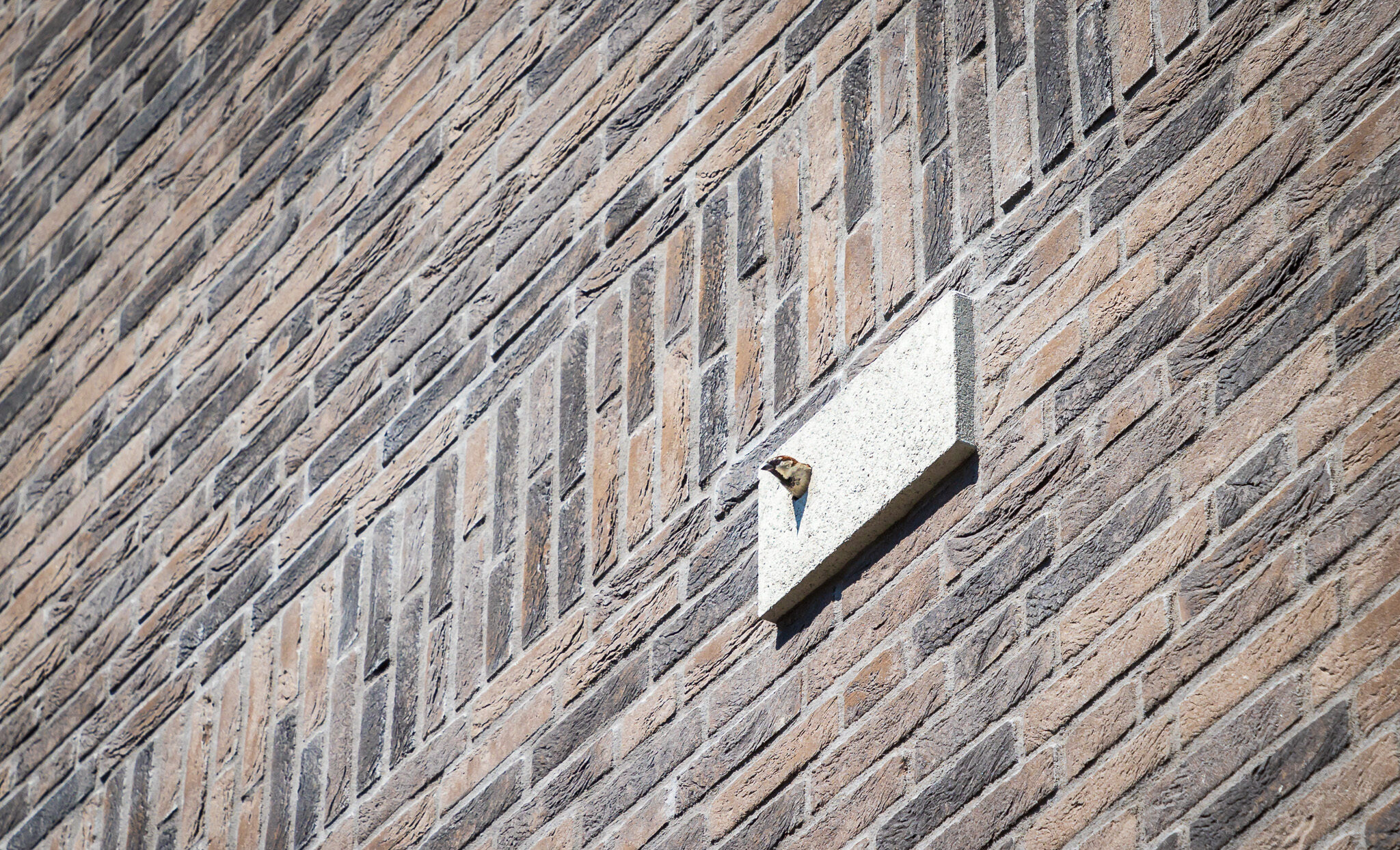
Bats are highly faithful to their roosts, and our new Bat Wall Modules have been designed to make the most of the common pipistrelle’s (Pipistrellus pipistrellus) natural exploratory behaviour. These external roost features are permanent, yet can be relocated with ease. Colonies are far more likely to adopt a replacement roost when it is installed directly alongside the existing roost during the familiarisation period. This allows bats to discover and begin using the new roost before construction works commence.
During refurbishment works, the roost feature can remain in place or be relocated a short distance if required. To create an even more permanent and integrated solution, the module can also be finished with a facade cladding of choice, allowing it to blend seamlessly into the building design.
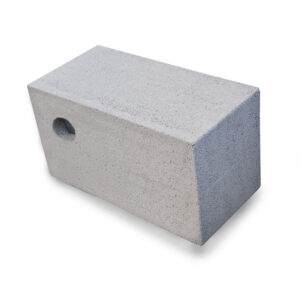
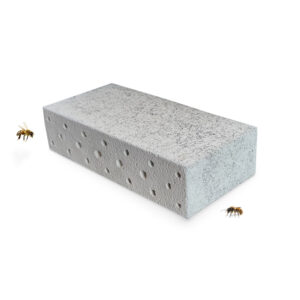
Not every roost feature needs to remain visible. By providing access to cavity walls through bat bricks or cavity access grilles, bats can benefit from the sheltered microclimate between the inner and outer leaf of the wall. Grip mesh should always be installed to prevent direct contact with insulation materials.
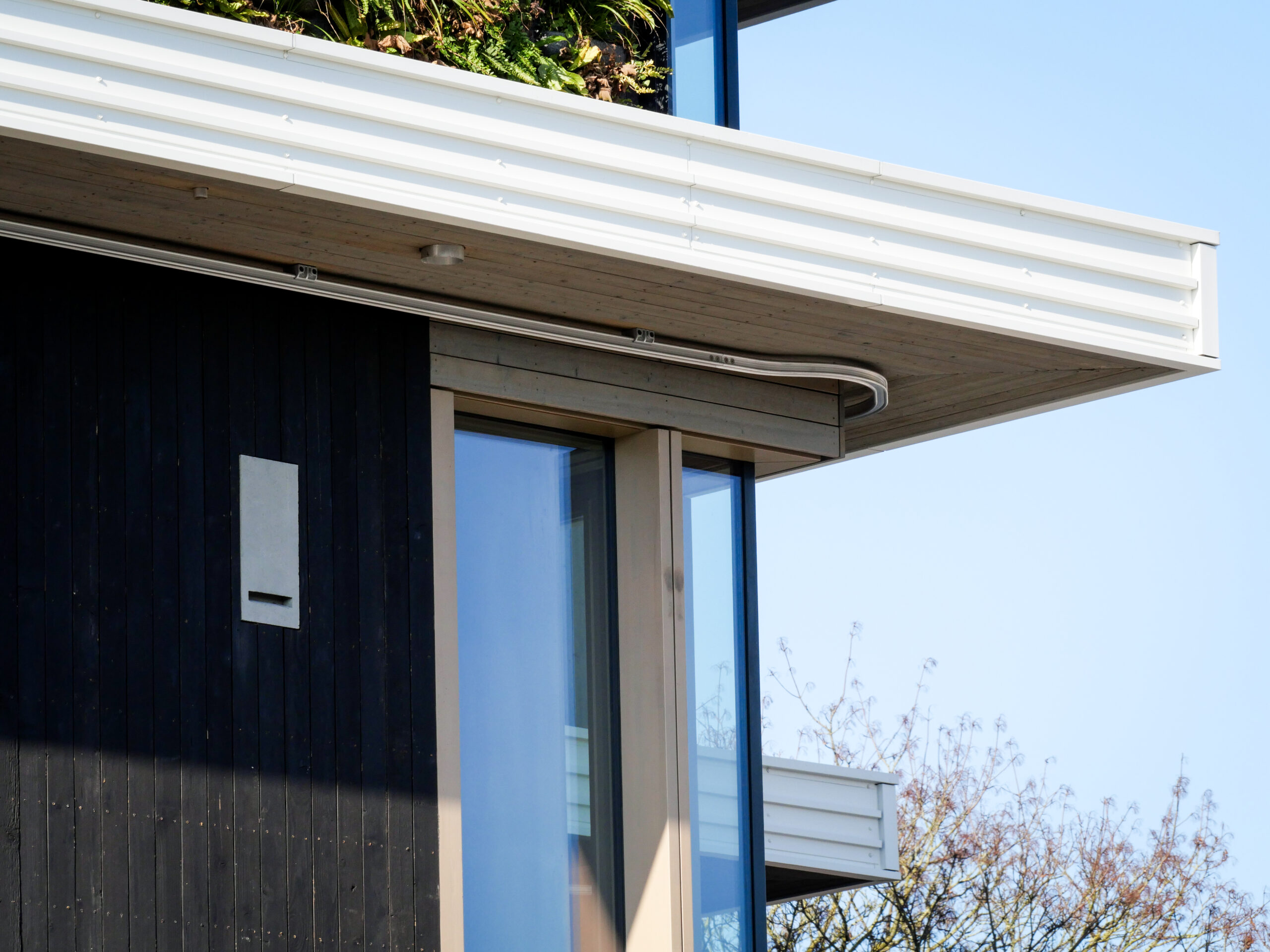
Multiple access points along the eaves increase the likelihood of occupancy, particularly on gable-end facades. Prefabricated facade cladding systems can provide an effective solution during facade refurbishment.
These systems can incorporate internal compartments with both horizontal and vertical crevice spaces, creating a variety of roosting opportunities. As a result, they can function as fully integrated maternity roost features for species such as the common pipistrelle (Pipistrellus pipistrellus) and the serotine (Eptesicus serotinus).
For a bat facility to work well, the following points must be balanced:
Bats are highly faithful to their roosts and primarily discover new roosting opportunities through familiarity and exploration. For this reason, the replacement roost should be installed alongside the existing roost for at least one season. This allows females to locate and become familiar with the new feature during the maternity season. Once this familiarisation period has passed, the roost can either be relocated or remain in its permanent position.
The most robust maternity roosts are created by combining different types of roost features. The greater the diversity of microclimates, crevice spaces and roosting conditions, the greater the likelihood of occupancy. In our new handbook, we provide a range of examples showing how bespoke solutions can be created using prefabricated roost features. The handbook also includes practical guidance on which roost boxes and integrated features can be effectively combined to create a functional and resilient roost network.

 >
> >
> >
> >
> >
> >
> >
> >
> >
>