 EN
▾
EN
▾
EN
▾
EN
▾
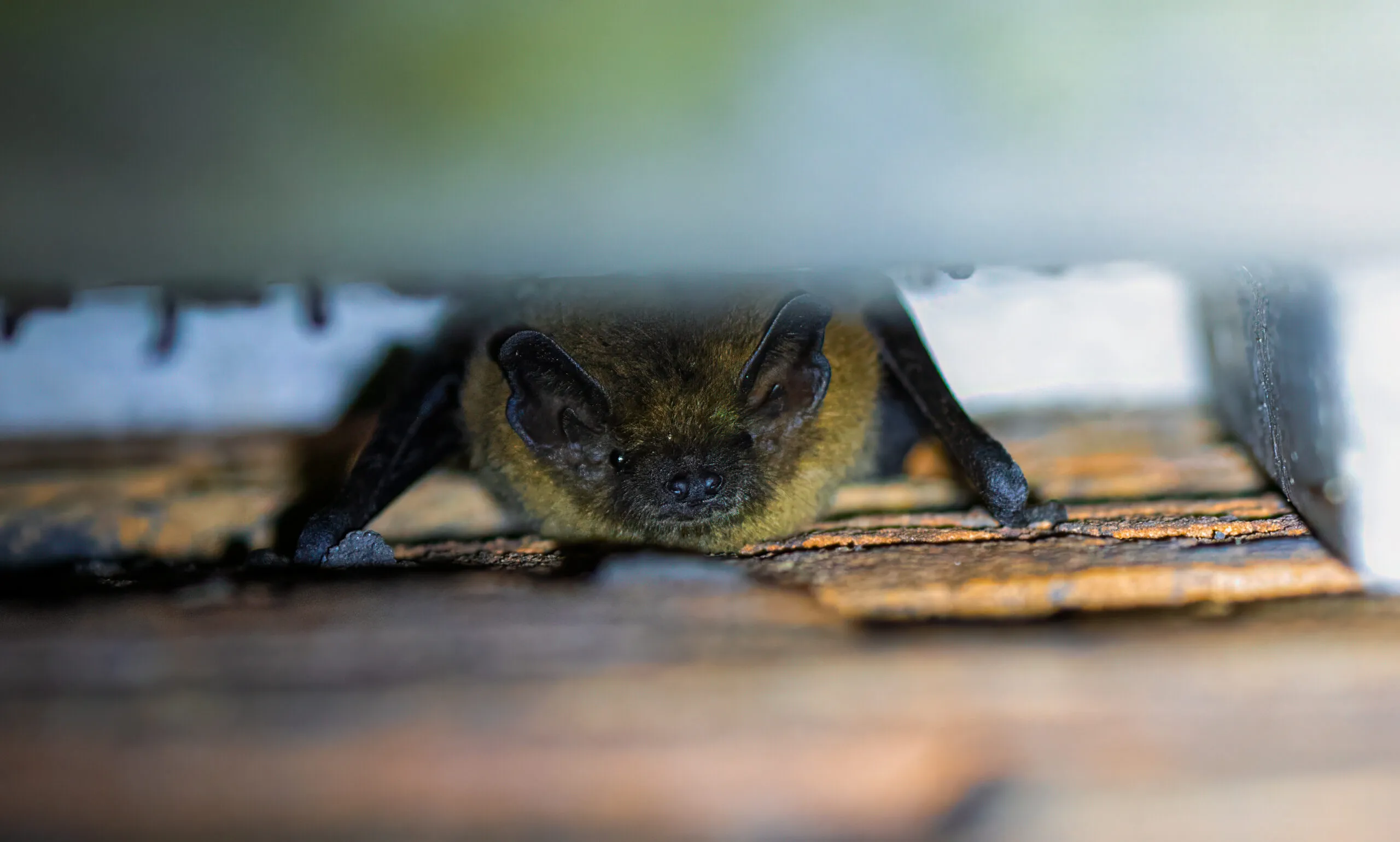
Temporary measures can help a project progress through the survey and licensing phase, but they do not provide a long-term solution. What bats require are permanent roost features that function as fully effective replacement roosts.
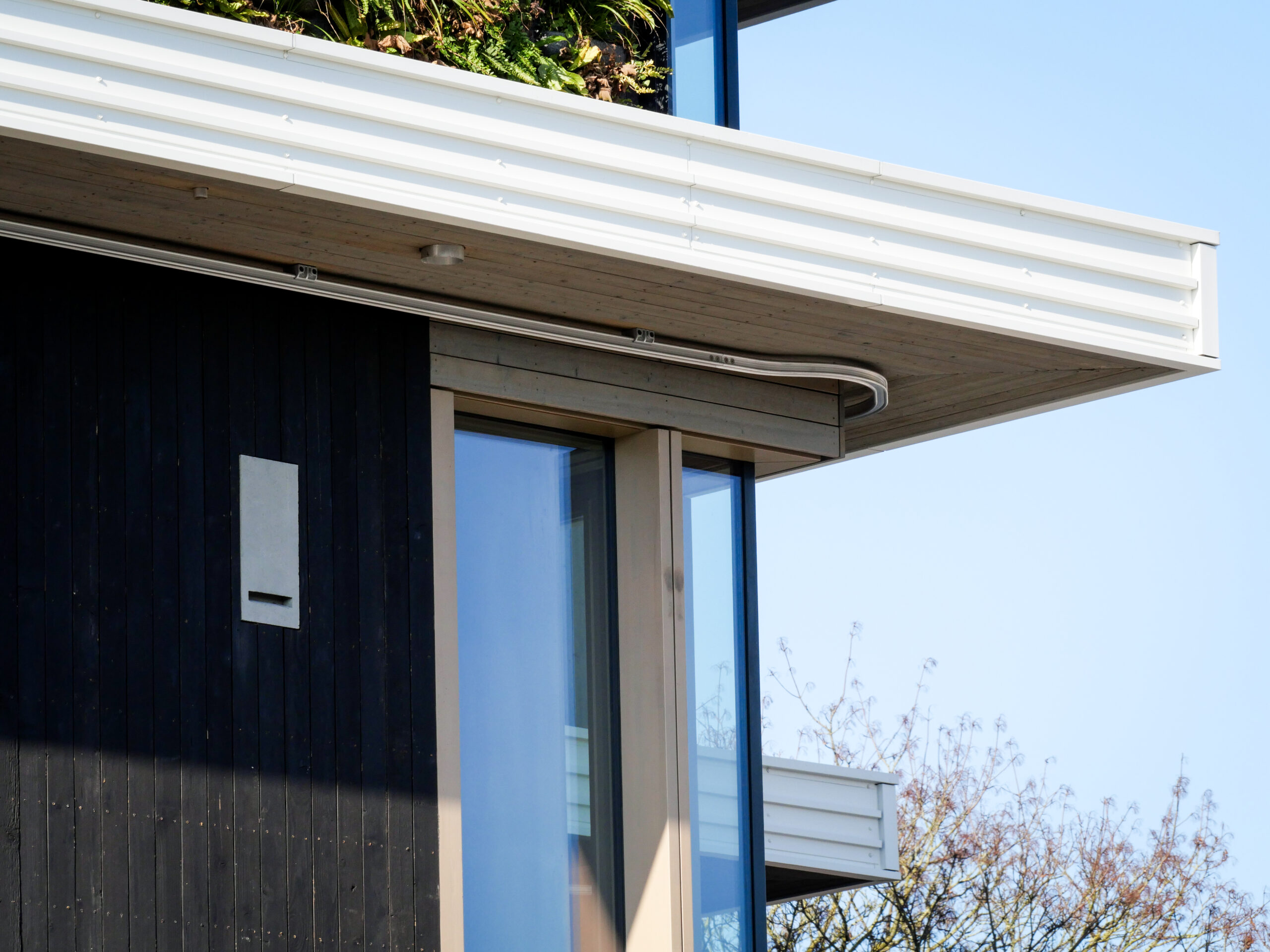
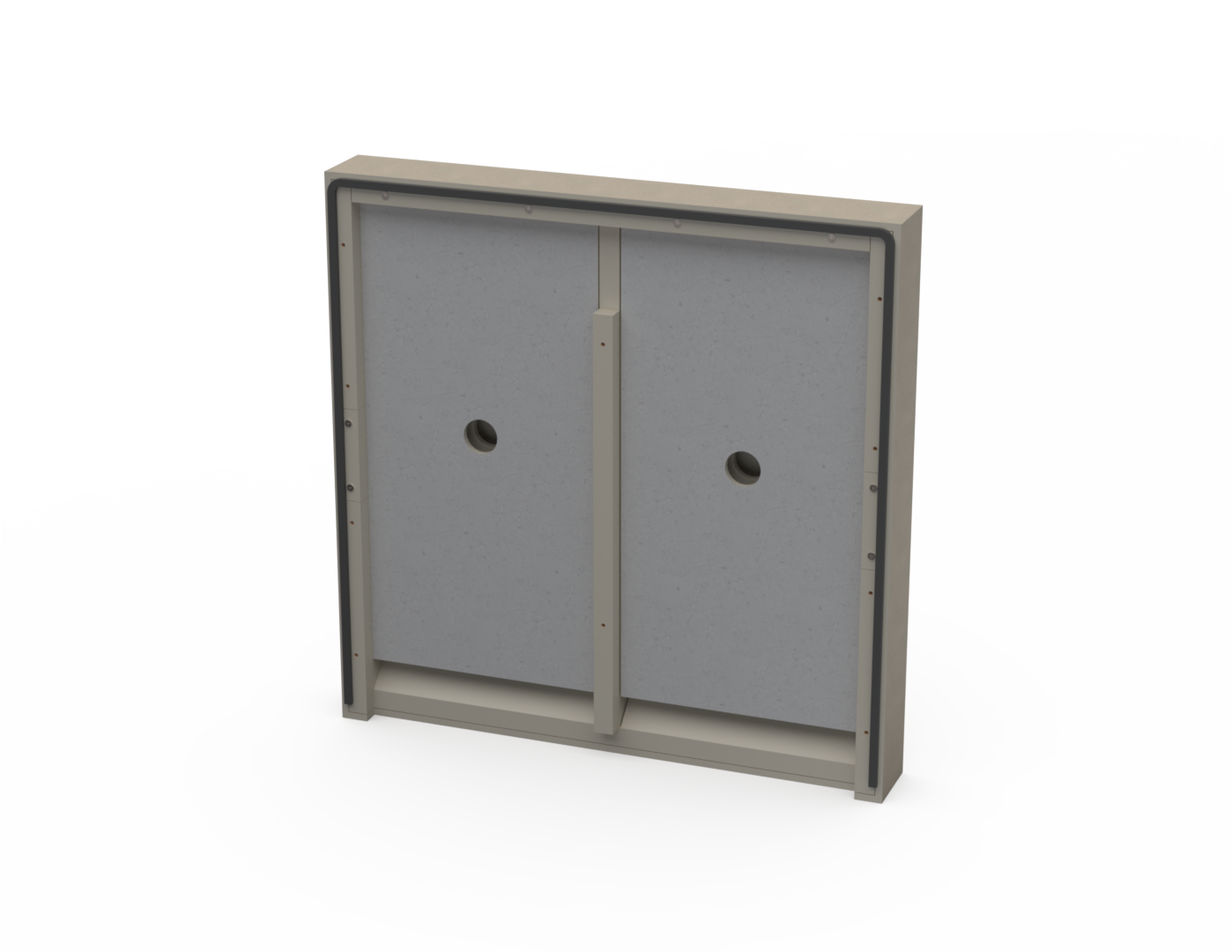
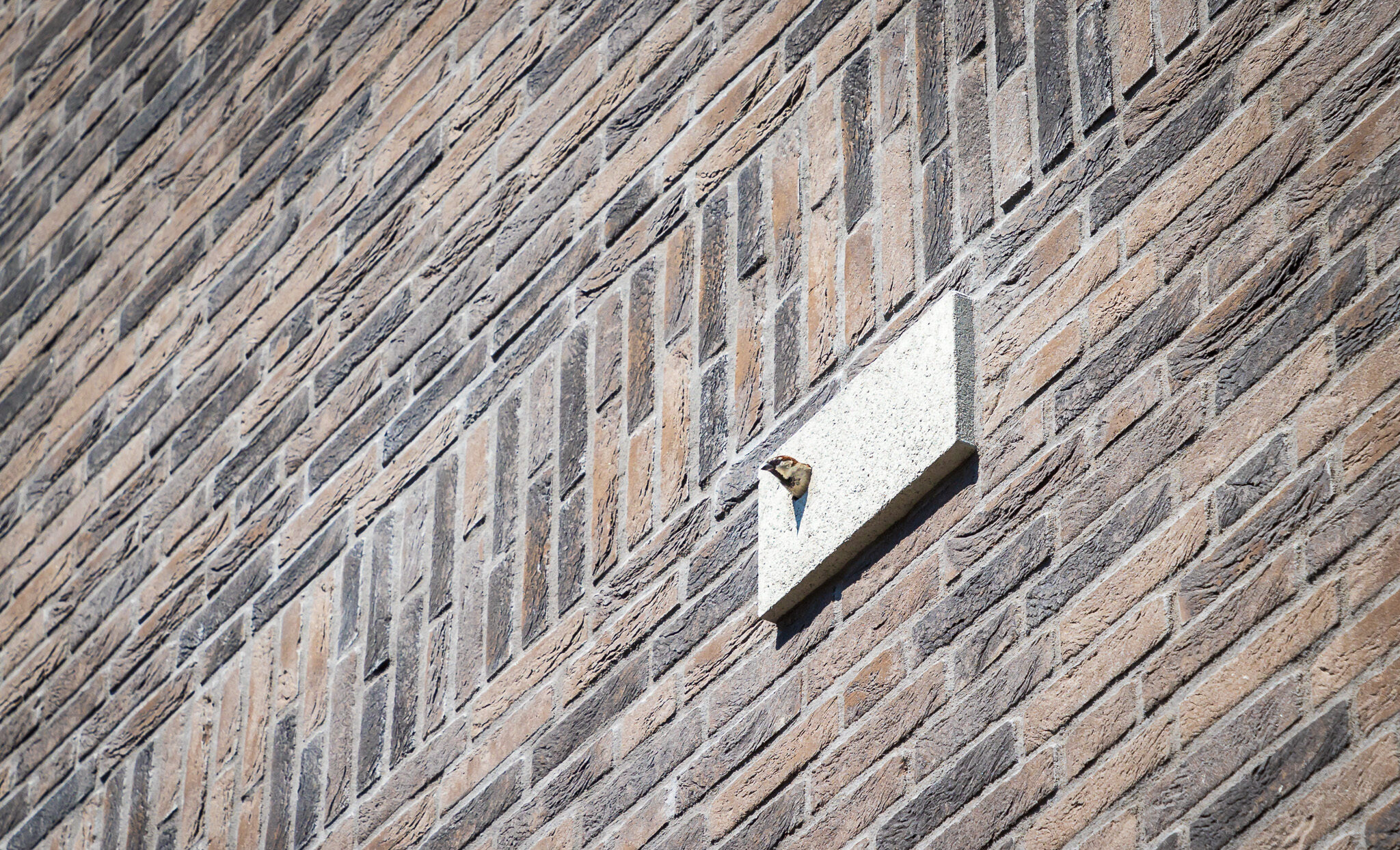
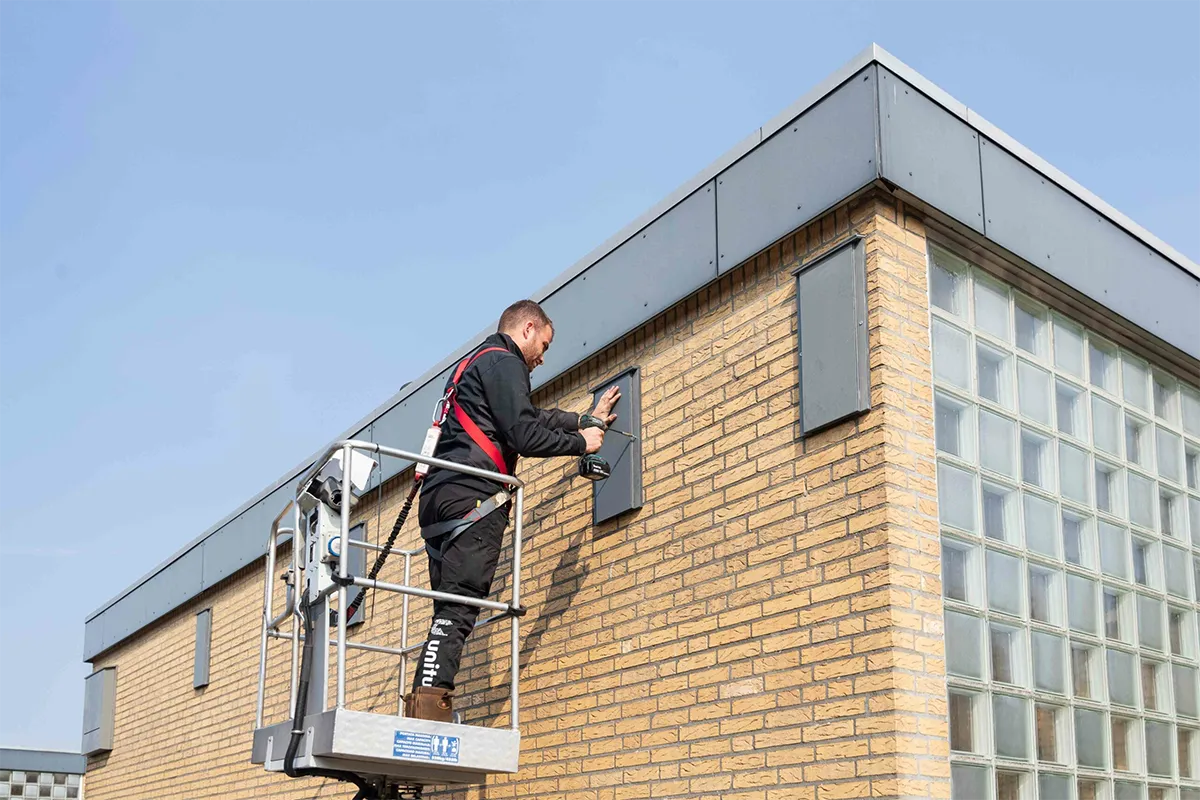
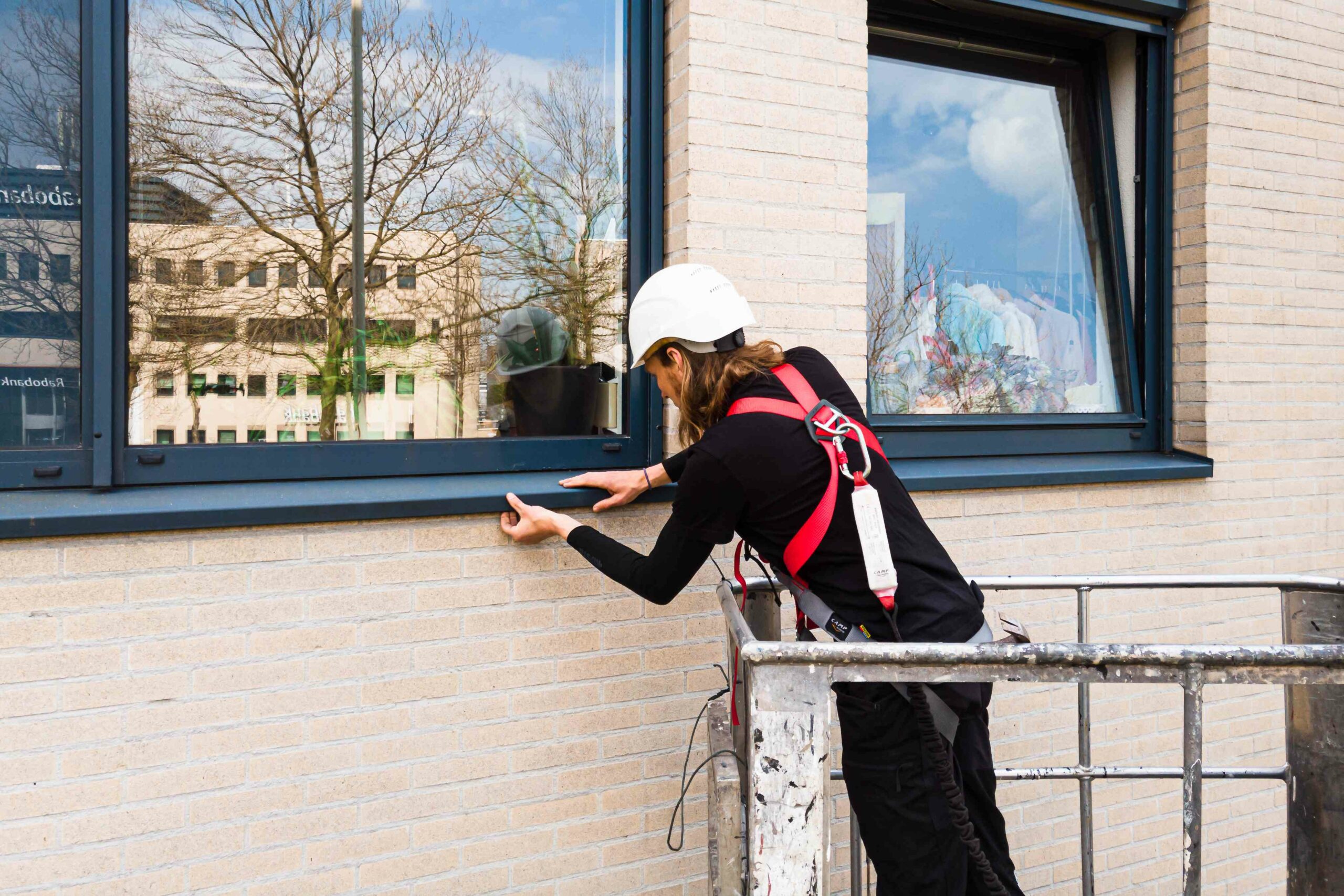
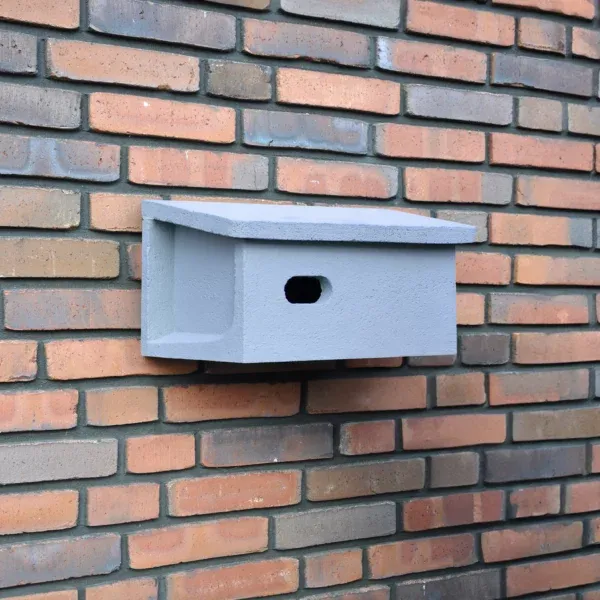
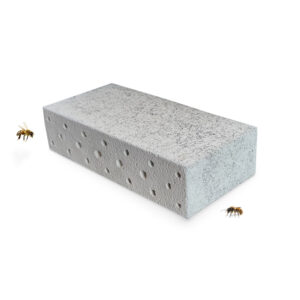
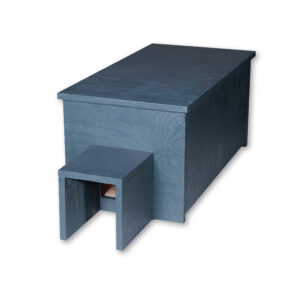
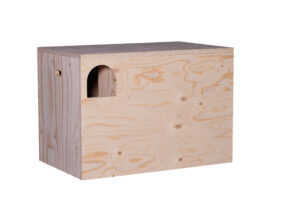
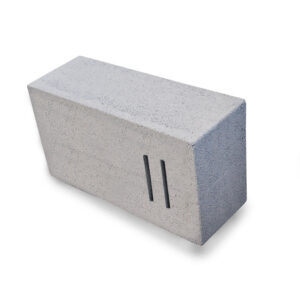
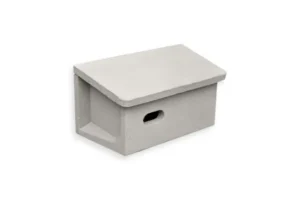
With the VMWM series of bat roost features, Unitura offers a system of external wall-mounted modules that can be seamlessly incorporated into the built environment. As modern building constructions often provide little or no space within the structure itself for integrated roosting opportunities, the required habitat must be created externally on the facade. The VMWM series makes it possible to achieve this in a permanent and functional way.
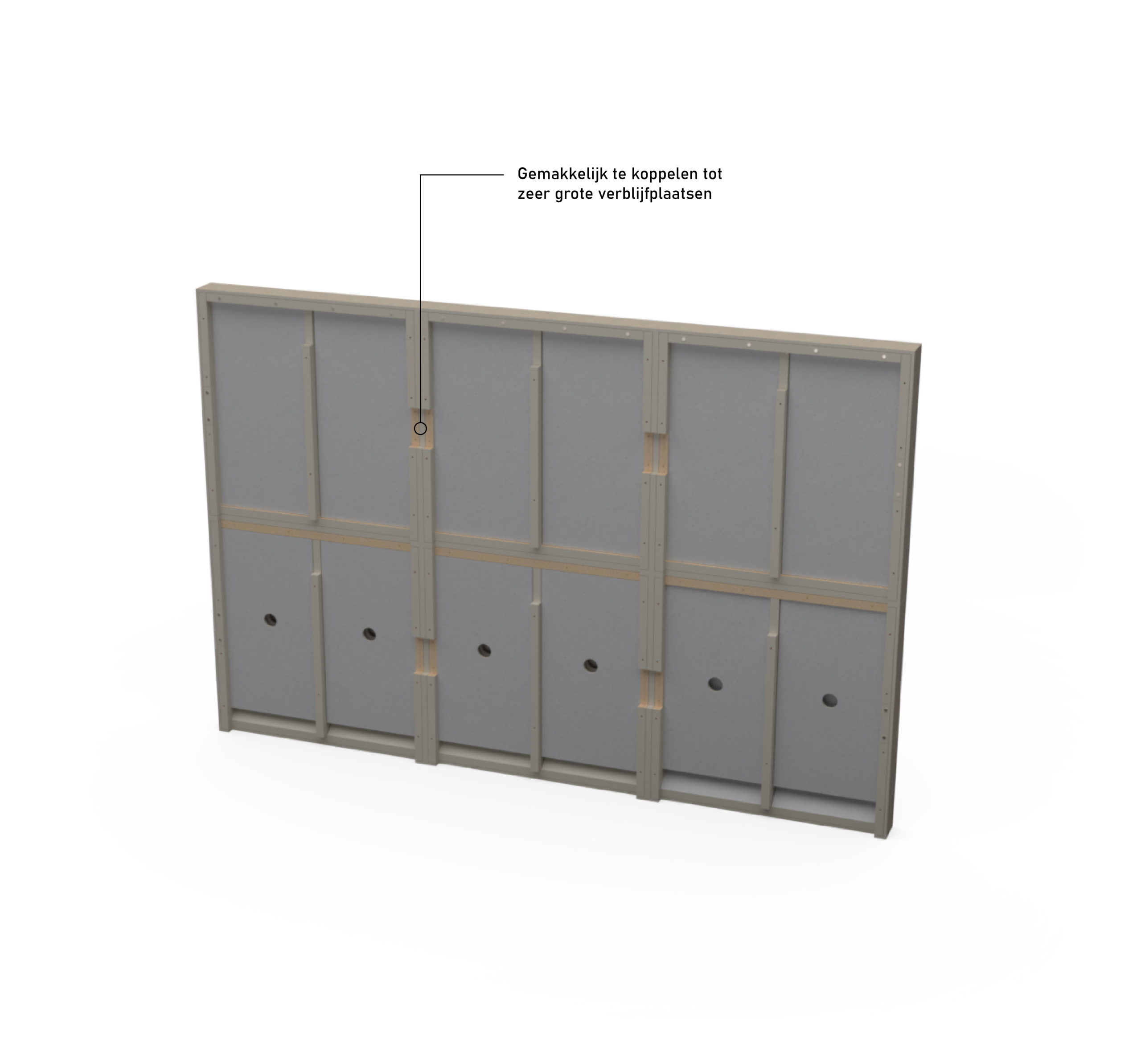
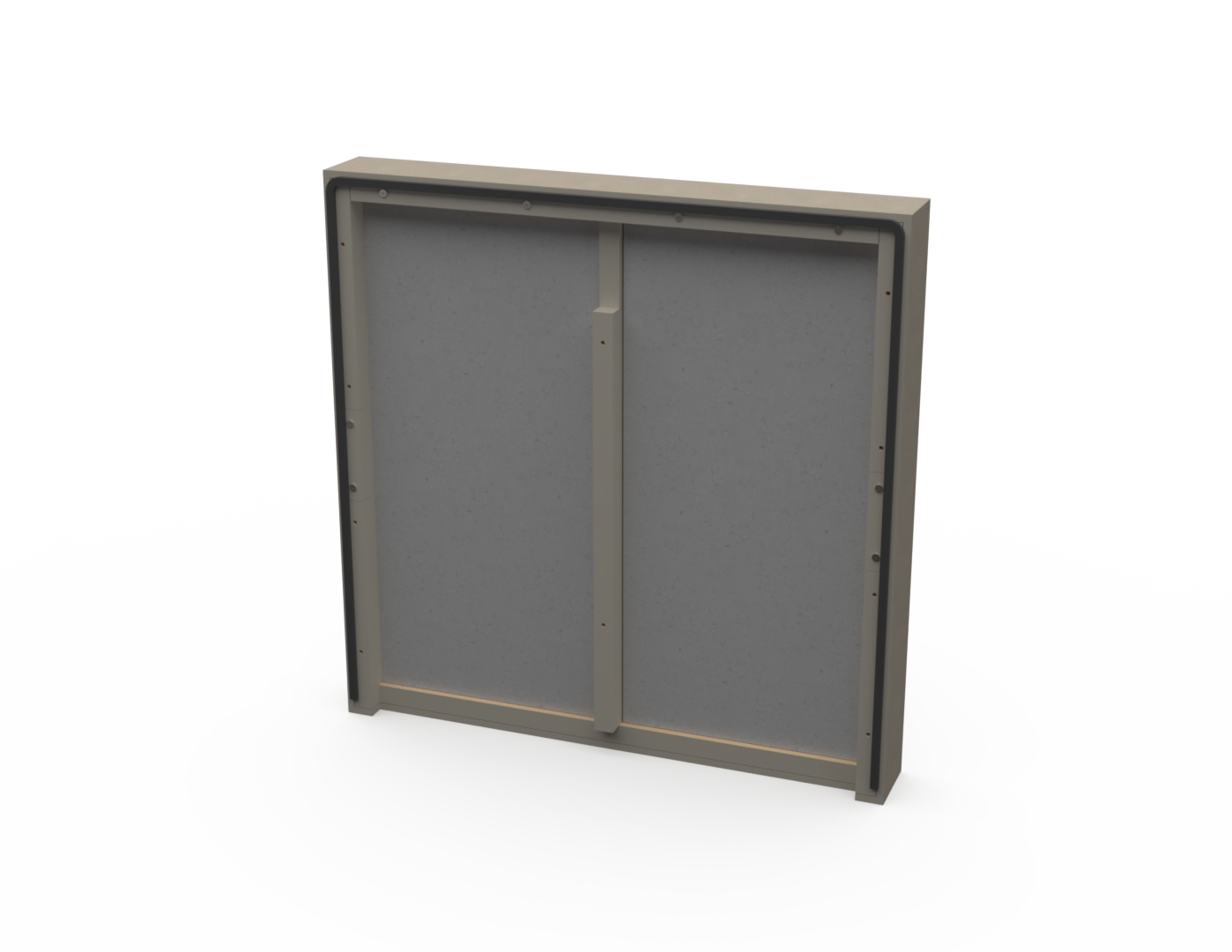
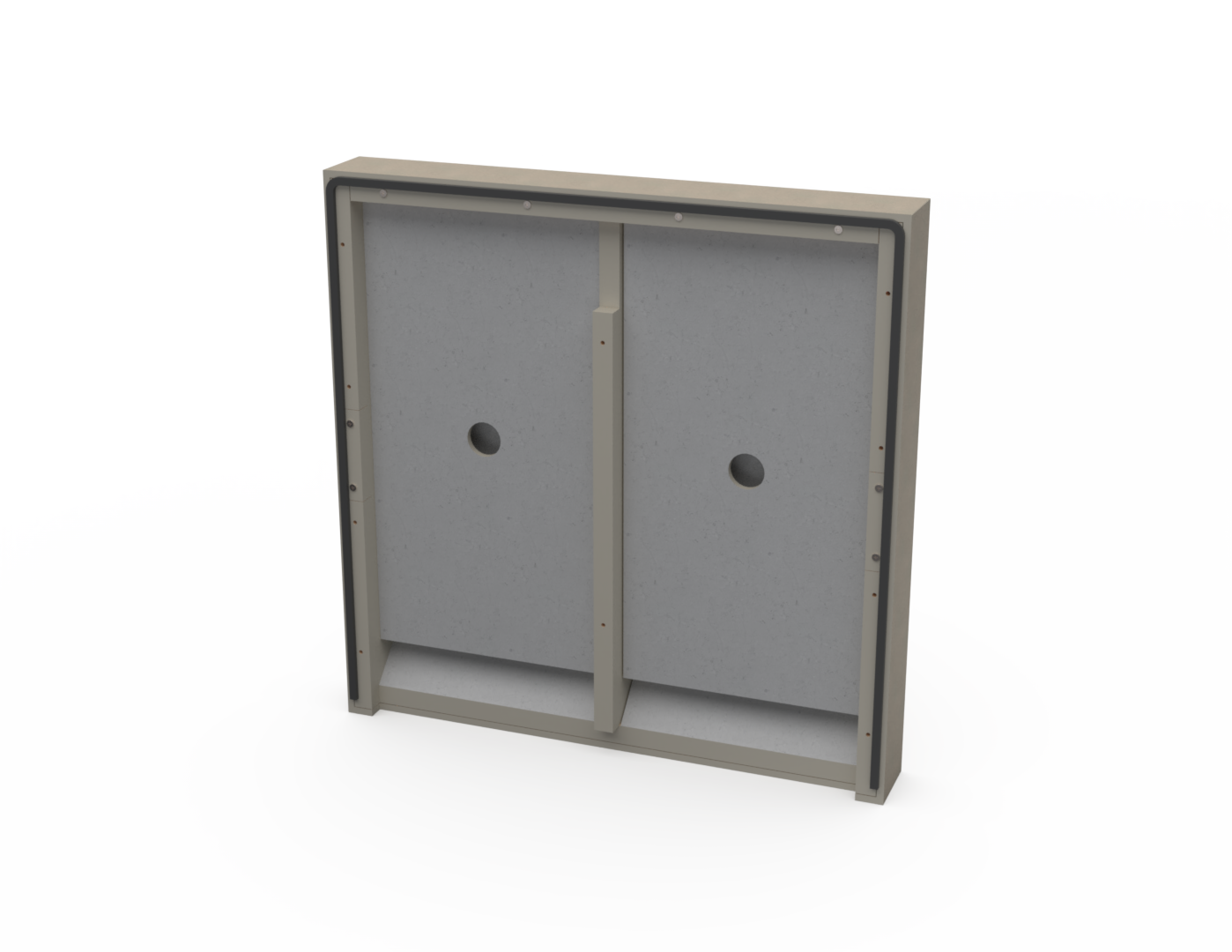
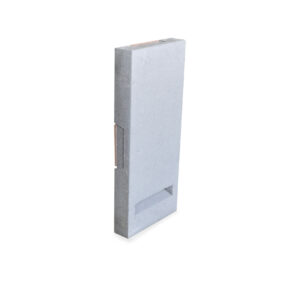
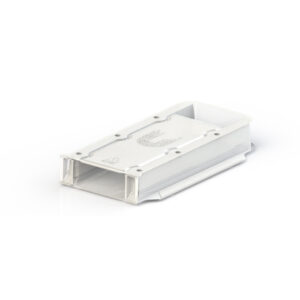
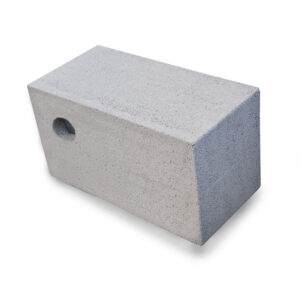
The VMWM series consists of three module types, each designed to fulfil a specific roosting function. The VMWM1 is insulated and designed as a hibernation roost, the VMWM2 provides spacious compartments that align with the ecological requirements of the serotine (Eptesicus serotinus), and the VMWM3 functions as a maternity roost for the common pipistrelle (Pipistrellus pipistrellus).
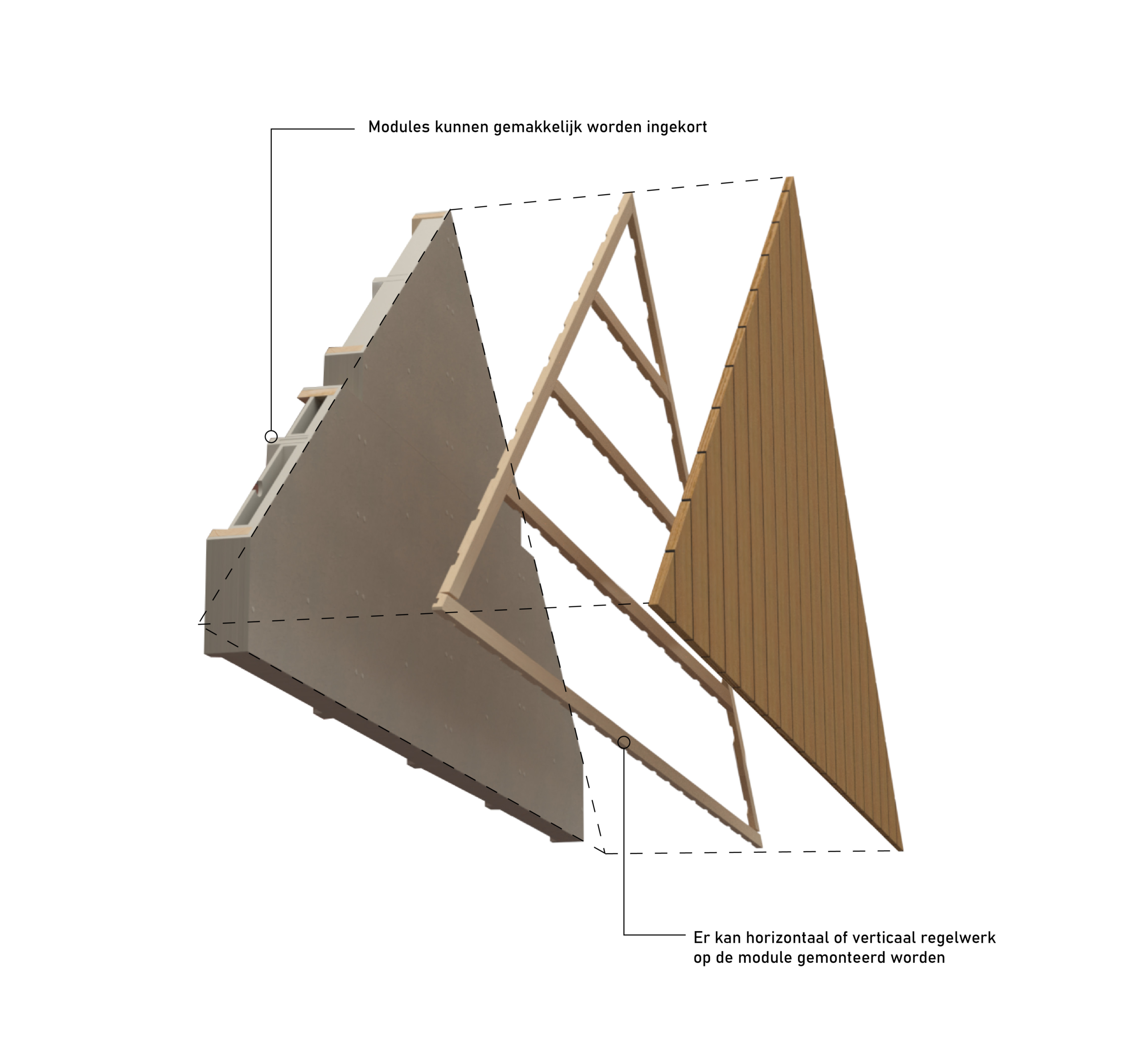
Each module can be used individually, but the real strength lies in their ability to be combined. As all modules share the same dimensions, they can be connected both horizontally and vertically. This makes it possible to create roost features that match the size and microclimatic conditions of existing or former roosts. Rather than installing a generic bat box, the result is a bespoke roost solution tailored to both the location and the target species.
An effective bat roost feature is not defined by the presence of a single box, but by the range of temperatures and humidity levels available within the roost. Bats move between different microclimates throughout the year, and even throughout the day, seeking cooler conditions during periods of summer heat, warm and draught-free spaces during the maternity season, and stable, sheltered conditions during winter.
The VMWM series addresses this requirement by incorporating layers and compartments of varying depths. By combining modules in different configurations, a broad range of microclimates can be created within a single roost feature, allowing bats to select the conditions that best suit their needs throughout the year.
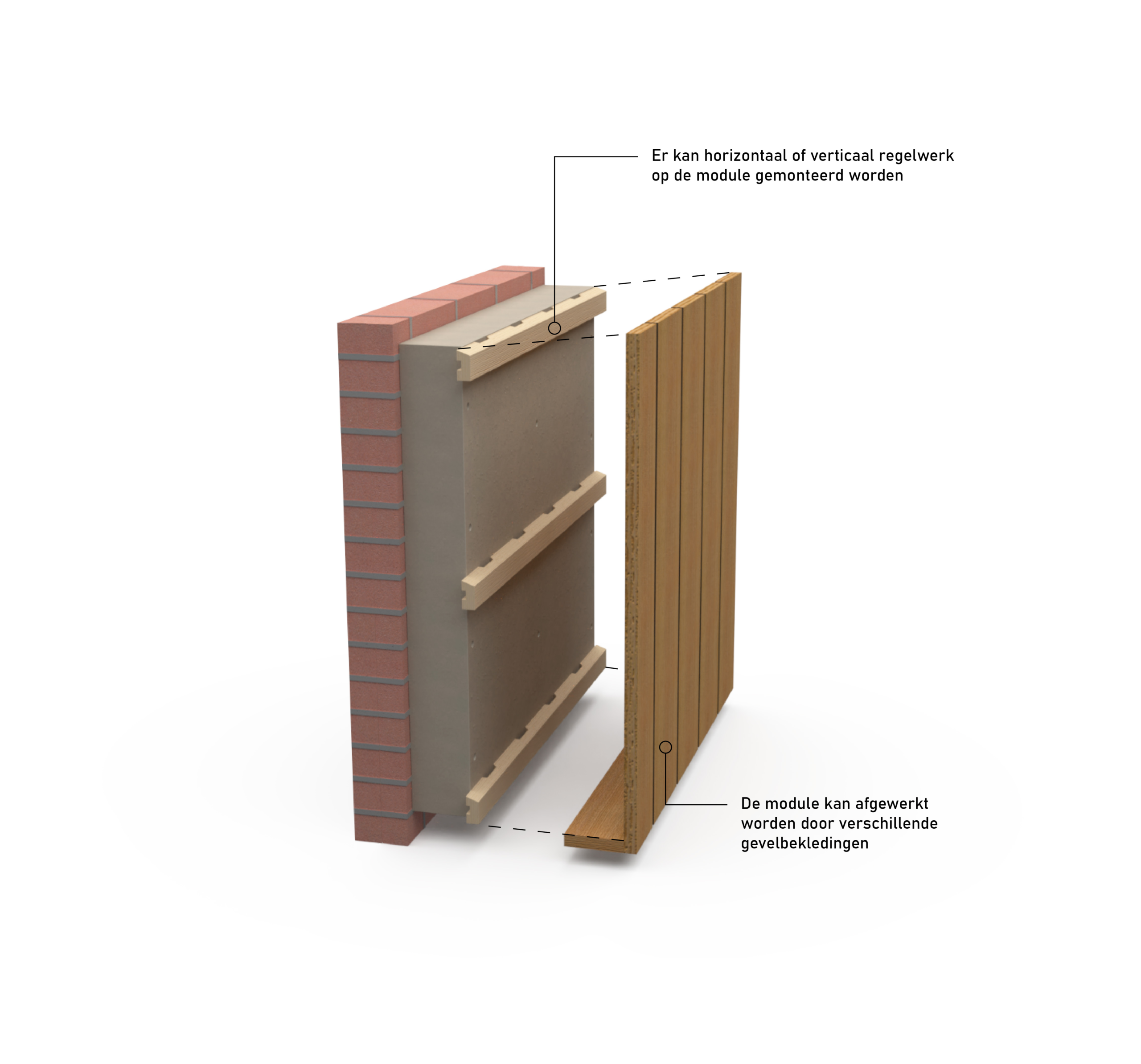
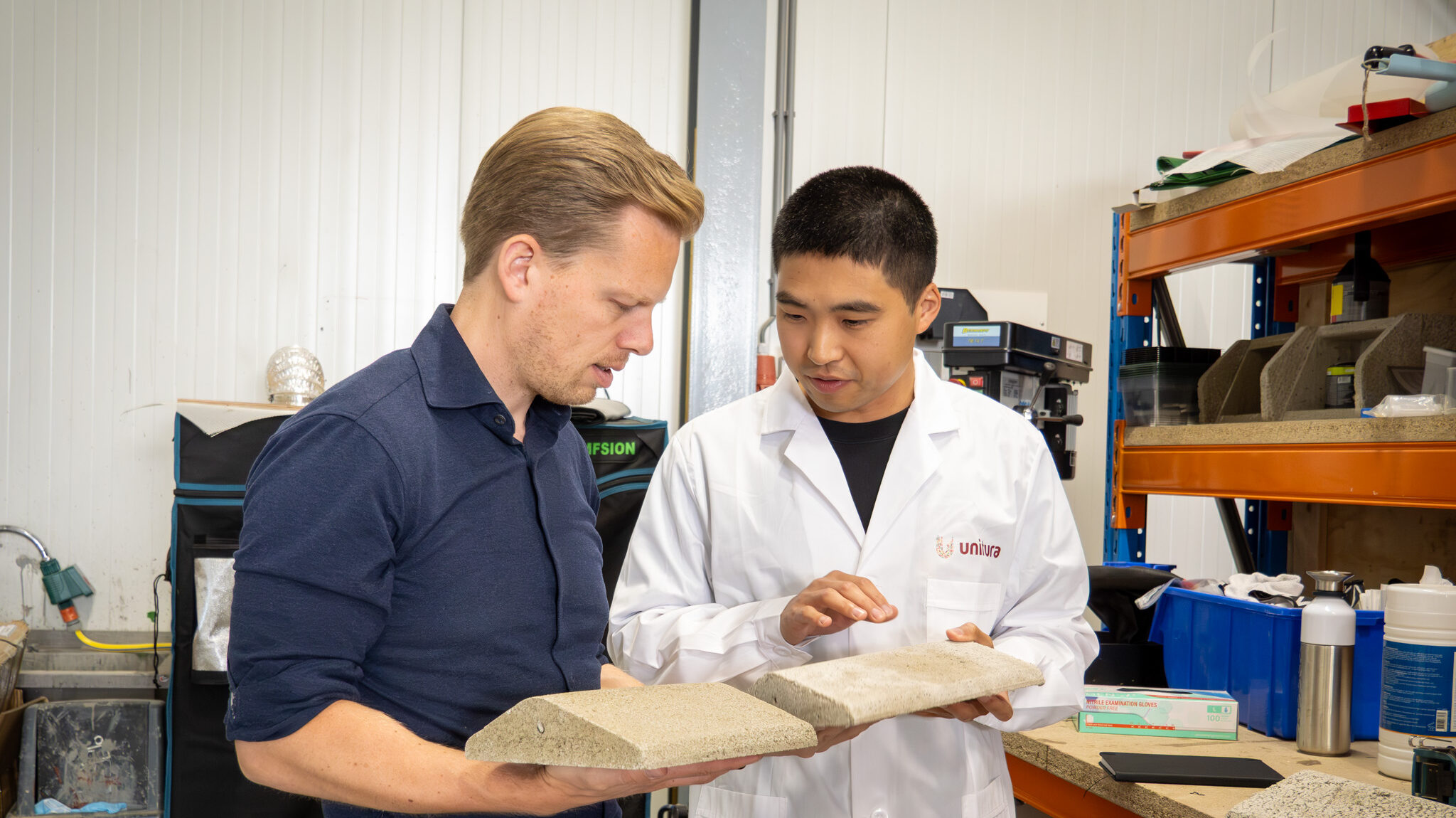
The VMWM modules are lightweight, weighing approximately 5 to 6 kilograms, and are constructed from XPS, timber, grip mortar and spray cork. This makes them easy to install and adapt where required. In addition, they can be finished with virtually any type of facade cladding, allowing the roost feature to blend seamlessly into the building design. For contractors, this provides flexibility during installation, while for architects it demonstrates that nature-inclusive building does not have to come at the expense of a project’s visual appearance.
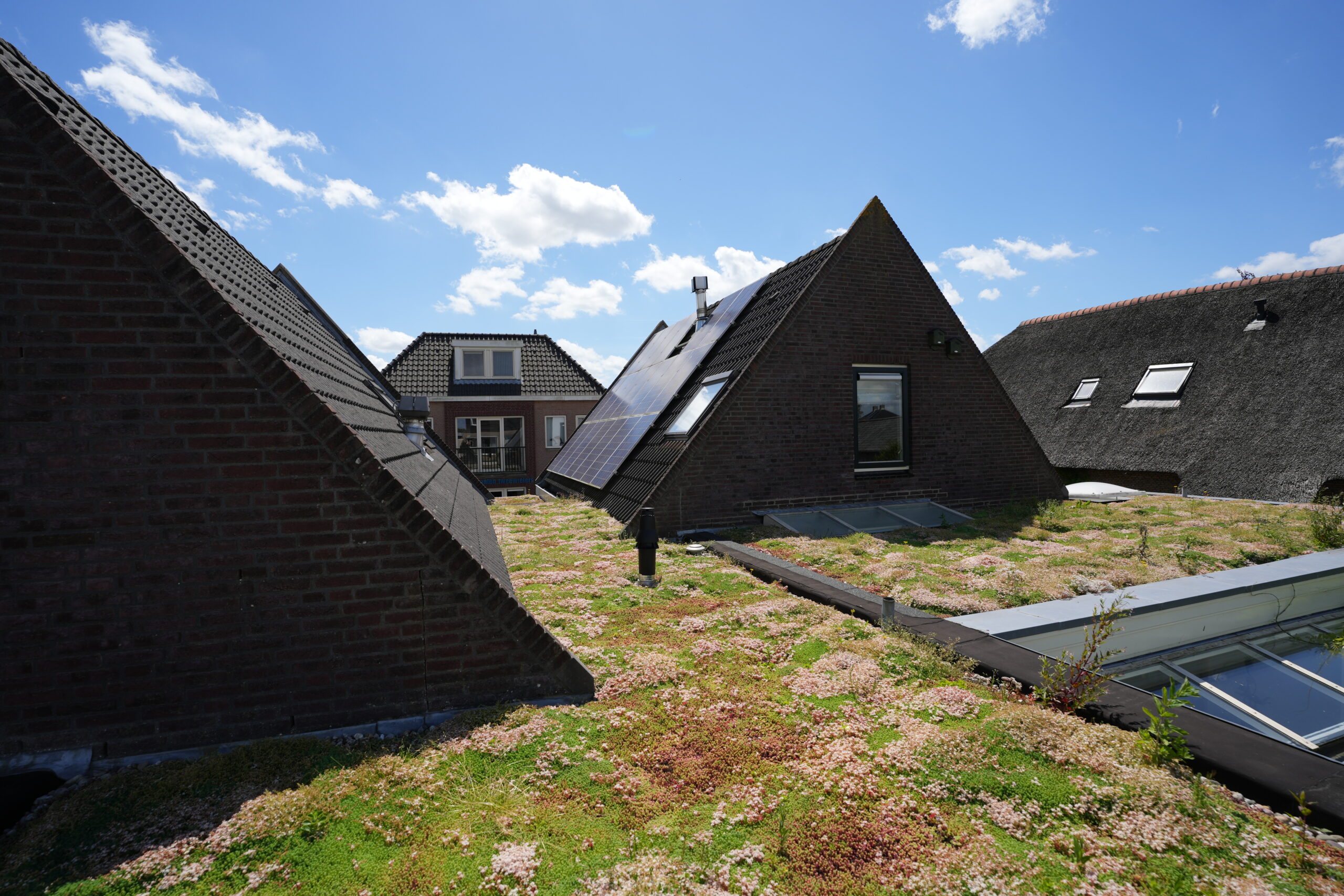
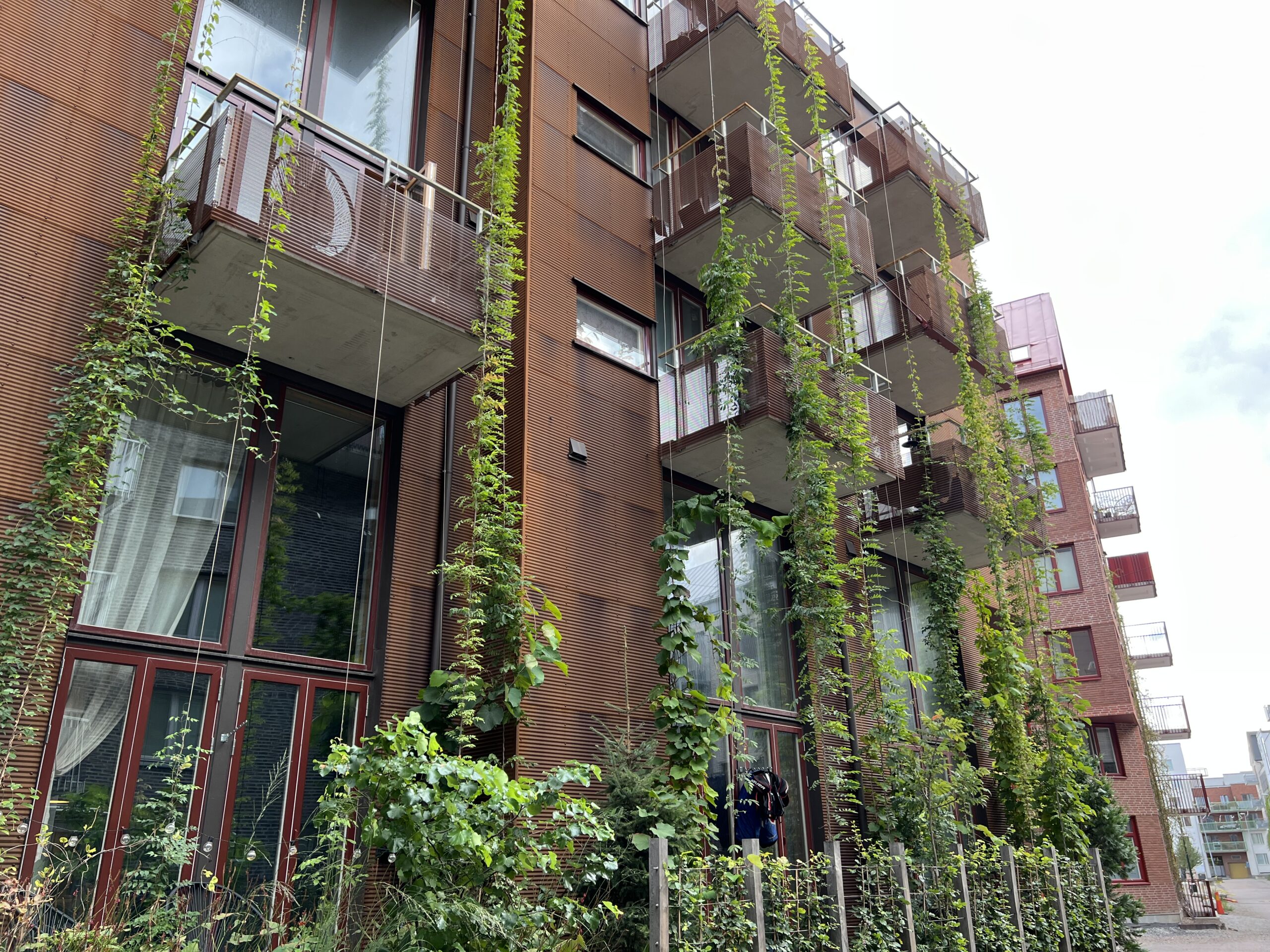
No roost feature exists in isolation. The success of mitigation lies in creating networks of roosts distributed across multiple facades and orientations. The VMWM series is particularly well suited to this approach. Modules can be combined on a single building to create a large, multifunctional roost, or distributed across several buildings within a development. The result is a robust roost network that reflects the functional habitat requirements of bats, as described in current ecological guidance and best-practice documents.

 >
> >
> >
> >
> >
> >
> >
> >
> >
>